Plan and listen to Monument To The Immaculate Conception with Audiala.
Audio guide in your pocket, itinerary in your browser. Built for the way you actually visit.
Introduction
The Monument to the Immaculate Conception (Monumento all’Immacolata Concezione) in Cagliari, Italy, stands as a profound symbol of the city’s enduring Marian devotion, religious heritage, and civic pride. Strategically located near the Basilica di Nostra Signora di Bonaria, the monument commemorates the Catholic dogma of the Immaculate Conception—formally declared by Pope Pius IX in 1854 (orderisda.org). Beyond its spiritual significance, the monument’s artistic features and placement reflect Cagliari’s layered history and evolving urban identity. This comprehensive guide provides essential details on visiting hours, accessibility, guided tours, nearby attractions, and cultural insights, ensuring an enriching experience for every visitor.
Origins and Context
Cagliari’s Monument to the Immaculate Conception was erected in the wake of the 1854 proclamation of the dogma by Pope Pius IX, which asserted that the Virgin Mary was conceived without original sin. This doctrine, debated for centuries and celebrated across Europe, inspired a wave of Marian monuments and renewed devotion (orderisda.org). Cagliari’s monument is a visible testament to the city’s Catholic faith and reflects its historical embrace of Marian spirituality, particularly following periods of Spanish and Savoyard rule (archaeology-travel.com).
The Immaculate Conception in Catholic Doctrine
The doctrine of the Immaculate Conception holds that Mary, the mother of Jesus, was preserved from original sin from the moment of her conception. This belief, rooted in early Christian tradition and formalized in the 19th century, is a cornerstone of Catholic Mariology and is celebrated worldwide on December 8th (publicholidays.es). The declaration was reinforced by Marian apparitions, such as at Lourdes in 1858 (orderisda.org), and continues to inspire devotion and artistic expression.
Marian Devotion and Religious Life in Cagliari
Cagliari’s identity is deeply marked by Marian devotion. The Sanctuary of Our Lady of Bonaria, located on Bonaria hill, is a major pilgrimage site and has been the patronal sanctuary of Sardinia since 1907 (archaeology-travel.com). The Monument to the Immaculate Conception complements this tradition, serving as a focal point for communal worship and celebration, especially during the Feast of the Immaculate Conception on December 8th. On this day, the monument becomes a gathering place for masses, processions, and cultural festivities, reflecting the city’s living faith (mondocattolico.com).
Architectural and Artistic Features
Cagliari’s monument, like its counterparts across Italy, typically features a white marble column topped by a statue of the Virgin Mary. The sculpture often portrays Mary standing on a crescent moon, surrounded by twelve stars—symbols of purity and the “Woman of the Apocalypse”—and may also include a serpent beneath her feet, representing the defeat of evil (orderisda.org). The base is often decorated with bronze details and seasonal floral offerings.
The monument’s style incorporates Baroque dynamism and Neoclassical restraint, highlighting both Sardinian craftsmanship and broader Italian artistic trends. Its placement near the Basilica di Nostra Signora di Bonaria and the panoramic Bonaria staircase makes it a visual and cultural anchor within the city (Sardinia Revealed).
Historical Context and Civic Identity
Spanish and Savoyard Influences
Cagliari’s architecture and religious culture have been shaped by various rulers, notably the Spanish and Savoyards. The Spanish period (1326–1708) established strong Catholic traditions, with the construction of churches and monuments reinforcing the city’s religious identity (archaeology-travel.com). The monument also symbolizes civic unity, as annual celebrations and processions draw people from across generations and backgrounds (visitasevilla.es).
Visiting Hours, Tickets, and Accessibility
Visiting Hours:
The Monument to the Immaculate Conception is an outdoor structure accessible at all times, year-round. The adjacent Basilica di Bonaria is open daily from 6:30 am to 12:00 pm and 4:30 pm to 7:30 pm (Sardinia Revealed).
Tickets:
There is no entrance fee or ticket required to visit either the monument or the basilica. Special events and guided tours may have separate costs.
Accessibility:
The monument sits atop a grand staircase in the Bonaria district, about a 10–15 minute walk from Via Roma. While the climb may be challenging for those with mobility issues, the plaza at the top is generally flat and accessible. Public buses and taxis provide access to the area; limited parking is available nearby.
Guided Tours and Travel Tips
Local tour operators and the Cagliari tourism office offer guided walking tours that include the monument and other religious and historic sites. These tours provide valuable context on the city’s art, history, and traditions. The best times to visit are early morning or late afternoon for optimal lighting and fewer crowds. December 8th, the Feast of the Immaculate Conception, is especially lively with processions and community events (Visit Italy).
Travel Tips:
- Modest attire is recommended when entering religious spaces.
- Comfortable walking shoes are advised due to cobblestone streets and the staircase.
- Photography is permitted around the monument but may be restricted inside the basilica during services.
Annual Celebrations and Cultural Events
Feast of the Immaculate Conception (December 8th):
This public holiday is marked by solemn masses, processions, and floral offerings at the monument and basilica (mondocattolico.com). The city also hosts Christmas markets, music, and communal meals, highlighting Sardinian gastronomy and traditions (Savoring Italy).
Sant’Efisio Procession (May):
Another major local event, blending religious and folkloric elements (Savoring Italy).
Integration with Cagliari’s Urban Landscape
The monument is harmoniously integrated with Cagliari’s historic core. Its proximity to the Basilica di Bonaria, the Castello District, and panoramic viewpoints over the Gulf of Cagliari enhances its appeal for both pilgrims and tourists. The surrounding plaza and park provide spaces for reflection, rest, and photography.
Nearby Attractions
| Attraction | Highlights | Distance / Link |
|---|---|---|
| Basilica di Nostra Signora di Bonaria | Major pilgrimage site, Gothic-Neoclassical architecture | Adjacent (Italy We Love You) |
| Monumental Cemetery of Bonaria | Artistic tombs, open-air museum | Nearby (Sardinia Revealed) |
| Bonaria Park | Green space, panoramic city views | Next to monument |
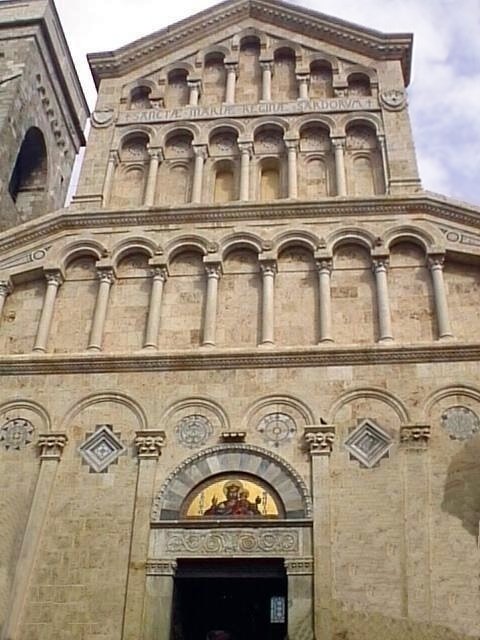
| Cagliari Cathedral | Art, relics, city vistas | ~500m (Savoring Italy) |
| Bastione San Remy | Historic architecture, sunset views | ~700m (PlanetWare) |
| National Archaeological Museum | Ancient artifacts, Mont’e Prama Giants | ~1km (Strictly Sardinia) |
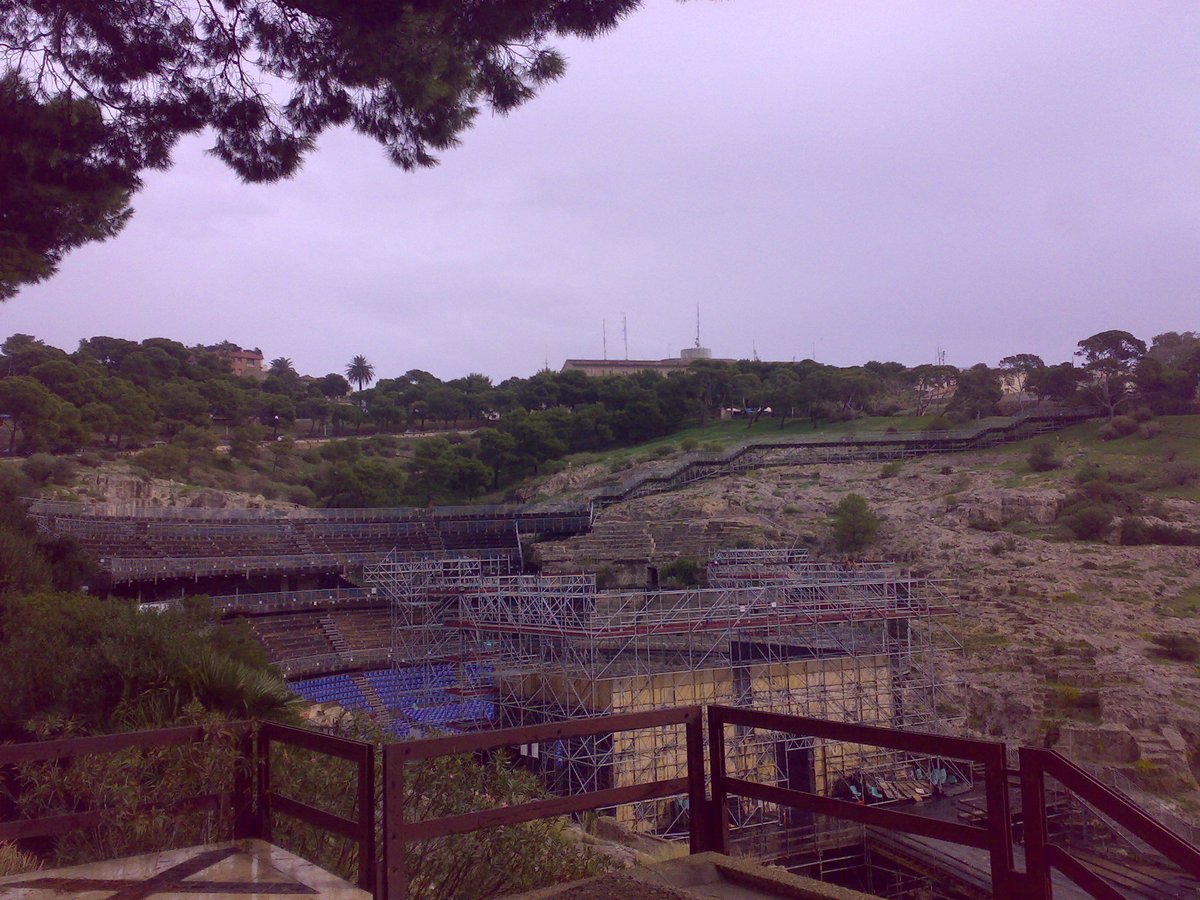
| Roman Amphitheater | Ancient ruins, cultural events | ~1.2km (Savoring Italy) |
| Poetto Beach | Urban beach, flamingos, nightlife | ~4km (Savoring Italy) |
Practical Visitor Information
- Restrooms: Available within the basilica complex during opening hours.
- Shops/Cafés: Found along the route between Via Roma and Bonaria.
- Parking: Limited, fills quickly during events; public transport or walking recommended.
- Safety: The Bonaria district is safe and well-patrolled; exercise normal precautions.
Frequently Asked Questions (FAQ)
Q: What are the visiting hours of the Monument to the Immaculate Conception?
A: The outdoor monument is accessible at all times. The basilica is open daily from 6:30 am to 12:00 pm and 4:30 pm to 7:30 pm.
Q: Is there an entrance fee or ticket required?
A: No, both the monument and basilica are free to visit.
Q: Are guided tours available?
A: Yes, local tours often include the monument and surrounding historic sites.
Q: How do I get to the monument?
A: About a 10–15 minute walk from Via Roma; accessible by public buses and taxis.
Q: Is the monument accessible for people with mobility issues?
A: The plaza itself is accessible, but the main approach involves a staircase. There are no elevators directly to the monument.
Q: Are there special events at the monument?
A: Yes, especially on December 8th for the Feast of the Immaculate Conception and during other Marian festivals.
Listen to the full story in the app
The whole Monument To The Immaculate Conception,
told well.
Listen to sourced travel stories with local history and practical context — ready offline.

Verified, and shown.
Researched and written by the Audiala editorial team from historical records, architectural archives, and local expertise.
Built from cited sources · see the method · How we make our guides →