Plan and listen to Lazzaretto Di Cagliari with Audiala.
Audio guide in your pocket, itinerary in your browser. Built for the way you actually visit.
Introduction
The Lazzaretto di Cagliari, situated in the Sant’Elia district of Sardinia’s capital, is a testament to the island’s layered history, evolving from a 17th-century quarantine station to a thriving cultural hub. With its strategic location overlooking the Gulf of Cagliari, the lazzaretto has played a pivotal role in public health, social life, and urban development. Today, it offers visitors a unique blend of historical insight, architectural fascination, and vibrant contemporary culture. This comprehensive guide covers everything you need for your visit, including historical background, architectural highlights, visitor information, and practical tips for making the most of your experience. (Medium, Progetto Storia dell’Arte, Cagliari Turismo, Live the World)

Origins and Historical Context
Constructed in the 17th century, the Lazzaretto di Cagliari (also known as Lazzaretto di Sant’Elia) was established as a quarantine station to prevent the spread of infectious diseases, notably during the recurring plague outbreaks that afflicted Sardinia and the broader Mediterranean. The practice of isolating ships and people suspected of carrying contagion was fundamental to early modern public health. Archival records and architectural details, such as the city’s marble coat of arms above the entrance, confirm its historical roots and strategic importance. Its location at the foot of Colle di Sant’Ignazio allowed for the effective monitoring and isolation of arrivals by sea, safeguarding Cagliari’s population and supporting commercial trade. (Medium, Wikipedia, FeverUp)
Through the centuries, the lazzaretto’s function evolved. Notably, in the 18th century under the House of Savoy, it was expanded and repurposed as a hospital dedicated to infectious diseases, reflecting advancements in medical understanding. The 19th century saw further adaptations and served as a site for both internment and care during epidemics, as chronicled by figures like Giovanni Spano. (Wikipedia)
Architectural Features and Urban Impact
The lazzaretto’s design is characterized by thick stone walls, a square plan with a central cloister, and separated internal spaces—typical of Mediterranean quarantine architecture. These features were essential for ensuring isolation, ventilation, and security. Its integration with the surrounding landscape, proximity to the sea, and visibility from the city’s fortifications made it a landmark in the urban development of Sant’Elia. The robust structure has withstood periods of neglect, wartime damage, and social change, serving as emergency housing post-World War II before its eventual restoration. (Medium, Progetto Storia dell’Arte)
Restoration and Adaptive Reuse
In the late 20th century, recognizing its historical and social value, the Municipality of Cagliari undertook an ambitious restoration project. After years of neglect and use as emergency housing, the lazzaretto reopened to the public in 2000 during the “Monumenti Aperti” event. The restoration preserved the original quadrangular layout, central cloister, and historic facades, while adapting the spaces for new cultural, educational, and community functions. This careful approach balances historical authenticity with contemporary needs and is a model of adaptive reuse for heritage sites. (Progetto Storia dell’Arte)
Cultural Programming and Visitor Experience
Today, the Lazzaretto di Cagliari serves as a vibrant center of art, culture, and community engagement. Its two main levels are organized around the cloister, hosting:
- Art Exhibitions: Temporary shows of contemporary art, photography, and historical retrospectives in the “Sala Archi” and other spaces.
- Permanent Exhibition: A multimedia display on the history of Mediterranean quarantine stations, with a special focus on Cagliari’s medical heritage.
- Workshops and Events: Educational workshops, cooking classes, concerts, theatrical performances, and open-air festivals.
- Community Facilities: Conference hall, media library, culinary academy, and cafeteria with panoramic views of the Gulf and Sant’Ignazio fortifications.
- Outdoor Spaces: Gardens and terraces for relaxation, reading, and informal gatherings. (Progetto Storia dell’Arte, Live the World)
The lazzaretto’s programming fosters social inclusion, supports local artists, and attracts visitors from across Sardinia and beyond.
Visiting Hours, Tickets & Accessibility
- Location: Via dei Navigatori, 1 (sometimes listed as Via Luigi Rachel 1), 09126 Cagliari, Sardinia, Italy (Live the World)
- Standard Visiting Hours: Tuesday to Sunday, 10:00–18:00 (may extend to 20:00 during special events); closed Mondays. Hours may vary for exhibitions or holidays—check the official website for updates. (Cagliari Today)
- Tickets: Entry to permanent exhibitions and gardens is often free. Special exhibitions or performances may require a ticket, usually €3–€10. Purchase on-site or online via official platforms.
- Accessibility: Most spaces are wheelchair accessible. Ramps and elevators are available; contact the venue for specific needs.
- Facilities: Restrooms, information desk, gift shop, café (during events), and reading areas.
- Pet Policy: Pets are not permitted indoors, but may be allowed in outdoor areas on a leash.
Travel Tips and Nearby Attractions
- Getting There: Reachable by car, bicycle, or public transport (CTM buses 5 and 6 from Piazza Matteotti). Parking is available nearby.
- Best Time to Visit: Spring and summer for outdoor events; mornings for a quieter atmosphere.
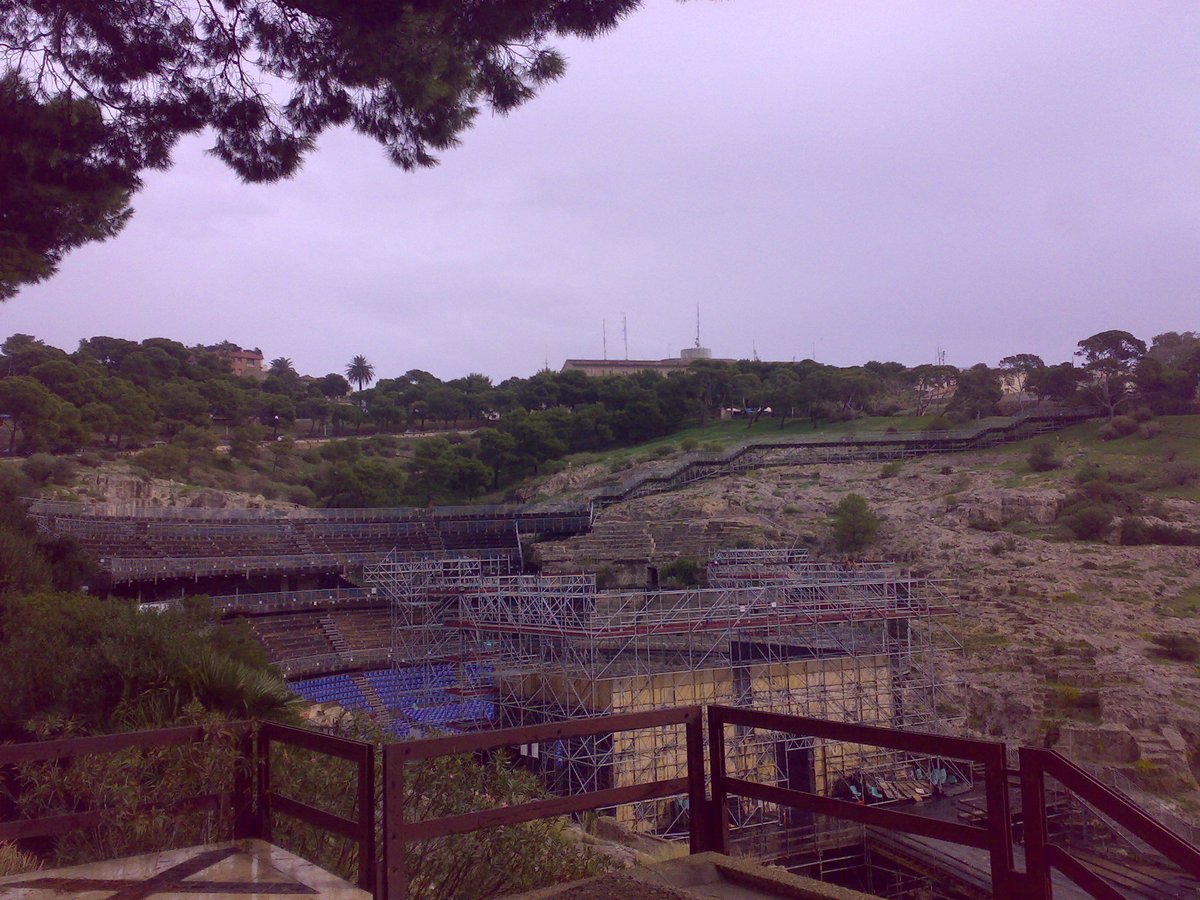
- Nearby Attractions: Poetto Beach, Sella del Diavolo hiking trails, Molentargius Park for flamingo watching, and historic city landmarks like the Bastion of Saint Remy and Roman Amphitheater. (Pocket Sardinia, Try Travel)
- Eco-Friendly Options: The “LazzaRentBike” program encourages sustainable exploration of Sant’Elia and the coastline. (Progetto Storia dell’Arte)
FAQ – Frequently Asked Questions
Q: What are the Lazzaretto di Cagliari visiting hours?
A: Typically Tuesday to Sunday, 10:00–18:00. Extended hours during events; always check the official website before your visit.
Q: Do I need a ticket?
A: Permanent exhibitions are usually free. Tickets are required for some temporary exhibitions or performances.
Q: Is it accessible for visitors with disabilities?
A: Yes, most areas are accessible; inquire for specific accommodations.
Q: Are guided tours available?
A: Yes, guided tours and educational workshops are available. Advance booking is recommended.
Q: Can I take photographs?
A: Photography is generally allowed except in certain exhibitions; flash and tripods may be restricted.
Q: What else can I do nearby?
A: Explore Poetto Beach, hike Sella del Diavolo, visit Molentargius Park, or discover the Sant’Elia waterfront.
Listen to the full story in the app
The whole Lazzaretto Di Cagliari,
told well.
Audio guides for 1,100+ cities across 96 countries. History, stories, and local insight — offline ready.
Verified, and shown.
Researched and written by the Audiala editorial team from historical records, architectural archives, and local expertise.
Researched from Wikidata, Wikipedia & official sources · fact-checked · How we make our guides →