Plan and listen to Brindisi Cathedral with Audiala.
Audio guide in your pocket, itinerary in your browser. Built for the way you actually visit.
Introduction
The Cattedrale di Brindisi, also known as the Cathedral of St. John the Baptist, is a remarkable historical landmark situated in Brindisi, Italy. This cathedral, with its origins tracing back to 1089 under Pope Urban II, stands as a testament to the rich architectural and cultural heritage of the region. Initially constructed in the Romanesque style, characterized by semi-circular arches and solid structures (source), the cathedral underwent significant transformations, particularly after a devastating earthquake in 1743 which infused Baroque elements into its architecture (source). The cathedral's role during the medieval period, especially as a blessing site for crusaders heading to the Holy Land, further underscores its historical significance (source). This guide aims to provide a comprehensive overview of the Cattedrale di Brindisi, covering its history, architectural features, visitor information, and travel tips to enhance your visit to this magnificent site.
History of Cattedrale di Brindisi
Early Foundations and Construction
The Cattedrale di Brindisi's origins date back to 1089 under Pope Urban II. Consecrated in 1143, the cathedral's Romanesque architectural style reflects the broader Middle Ages movement to create grand religious structures (source).
Medieval Significance
During medieval times, the cathedral was a focal point for religious and social activities in Brindisi, a crucial port city for pilgrims heading to the Holy Land (source).
Architectural Evolution
After a devastating earthquake in 1743, the cathedral was rebuilt with Baroque elements, merging Romanesque and Baroque styles (source).
The Role of the Cathedral in the Crusades
The cathedral served as a departure blessing site for crusaders heading to the Holy Land, enhancing its religious and cultural significance (source).
Renaissance and Baroque Periods
The Renaissance and Baroque periods brought artistic and architectural enhancements to the cathedral, reflecting broader European trends (source).
Modern Restorations
Recent restoration projects have focused on preserving the cathedral's integrity while enhancing visitor facilities. These efforts ensure the cathedral remains a vibrant cultural monument (source).
Historical Artifacts and Relics
The cathedral's treasury houses ancient manuscripts, religious icons, and saints' relics, providing insights into its rich history (source).
Visitor Information
Visiting Hours
The cathedral is typically open from 9:00 AM to 6:00 PM, but hours may vary on holidays and special occasions. It is advisable to check the official website for the most current visiting hours.
Tickets
Admission to the Cattedrale di Brindisi is generally free. However, guided tours and special events might have associated costs. Booking in advance is recommended for guided tours.
Travel Tips
- Best Time to Visit: Spring and fall offer pleasant weather and fewer crowds.
- Dress Code: Modest attire is recommended as the cathedral is a place of worship.
- Photography: Non-flash photography is typically allowed, but it's best to confirm on-site.
- Accessibility: The cathedral has limited accessibility features; visitors with mobility issues should plan accordingly.
Architectural Features
Historical Architectural Evolution
The Cattedrale di Brindisi has a fascinating architectural history. Initially consecrated in 1089 by Pope Urban II, the cathedral was built in the Romanesque style, characterized by semi-circular arches, solid structures, and large towers (source). The 18th-century reconstruction after an earthquake in 1743 added Baroque elements, known for their grandeur and intricate details (source).
Exterior Features
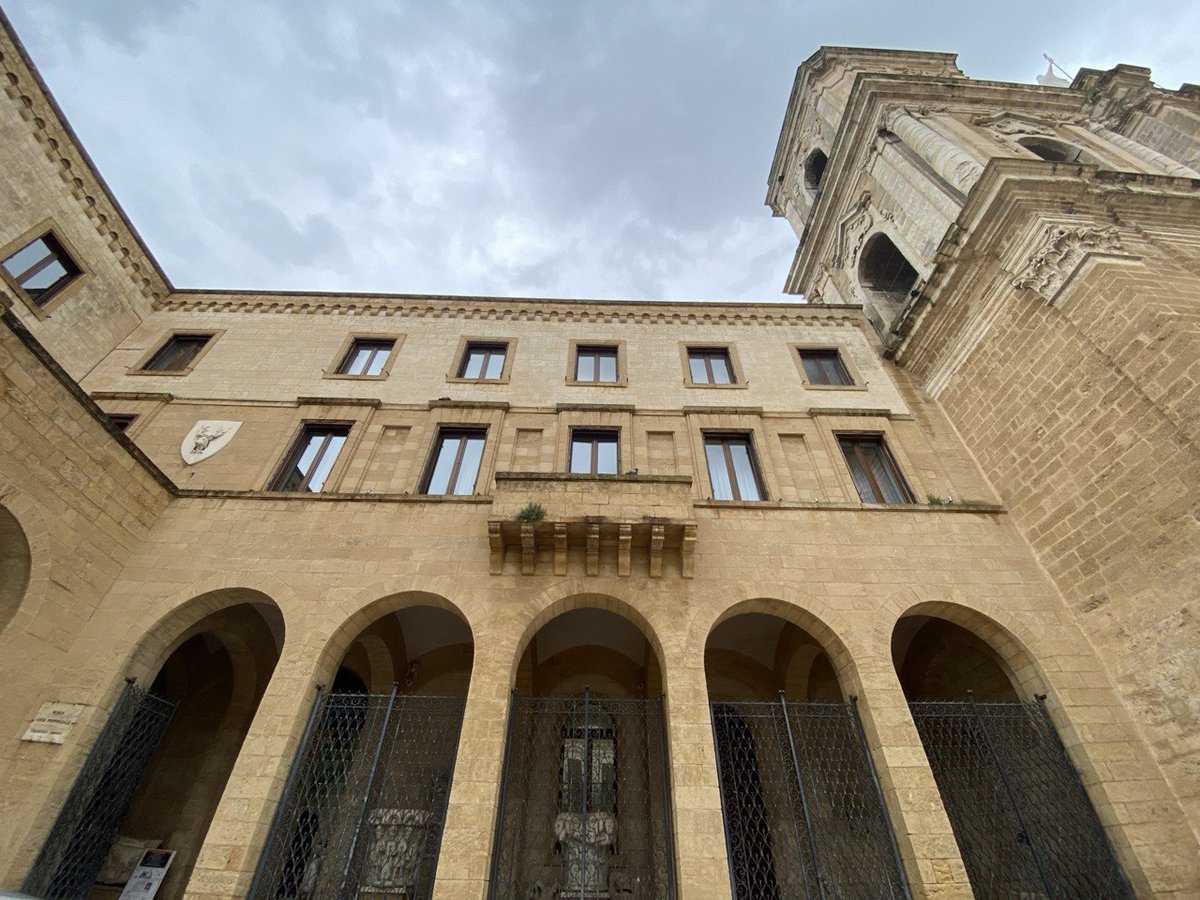
- Facade: The facade is a blend of Romanesque and Baroque styles. The lower part retains its Romanesque origins with solid, geometric forms and semi-circular arches, while the upper part showcases elaborate Baroque decorations (source).
- Bell Tower: Adjacent to the cathedral, the bell tower combines Romanesque and Baroque elements, characterized by its height and elaborate decorations in the upper sections (source).
Interior Features
- Nave: The nave features robust columns and semi-circular arches, dividing it into three aisles and showcasing its Romanesque origins (source).
- Apse and Altar: The 18th-century reconstruction brought Baroque influences, with elaborate decorations and dynamic forms in the apse and altar area (source).
Decorative Elements
- Frescoes and Paintings: The interior is adorned with Baroque frescoes and paintings, depicting various religious scenes (source).
- Sculptures: The cathedral houses several Baroque sculptures, featuring intricate details and dynamic poses (source).
Nearby Attractions
- Roman Column: A historical landmark situated near the cathedral.
- Archaeological Museum: Offers a deeper dive into Brindisi's ancient history (Museo Archeologico Provinciale Francesco Ribezzo).
- Castello Svevo: A medieval castle located a short walk from the cathedral.
Special Events and Guided Tours
The cathedral hosts various religious festivals and events throughout the year. Guided tours provide in-depth historical insights and are available in multiple languages. Check the official website for schedules and booking information.
Photographic Spots
Capture stunning views of the cathedral's façade and intricate interiors. The nearby port area also offers picturesque backdrops for memorable photos.
Preservation Efforts
Ongoing preservation initiatives by local and international organizations ensure the cathedral remains a historical treasure (source).
FAQ
- What are the visiting hours for the Cattedrale di Brindisi? The cathedral is open from 9:00 AM to 6:00 PM, but hours may vary.
- How much are tickets to the Cattedrale di Brindisi? Admission is generally free; guided tours may have fees.
- Is the cathedral accessible? The cathedral has limited accessibility features; visitors with mobility issues should plan accordingly.
Listen to the full story in the app
The whole Brindisi Cathedral,
told well.
Audio guides for 1,100+ cities across 96 countries. History, stories, and local insight — offline ready.

Verified, and shown.
Researched and written by the Audiala editorial team from historical records, architectural archives, and local expertise.
Last reviewed
Researched from Wikidata, Wikipedia & official sources · fact-checked · How we make our guides →