Introduction: History and Cultural Significance
Situated at the heart of Bologna, Italy, the Teatro Comunale di Bologna is an enduring symbol of Italian operatic excellence, architectural ingenuity, and cultural vitality. Since its inauguration in 1763, it has played a central role in the city’s artistic life, hosting world premieres, introducing Italian audiences to the operas of Wagner, and serving as a crucible for musical innovation. Designed by Antonio Galli Bibiena as a fire-resistant successor to the earlier Teatro Malvezzi, its pioneering bell-shaped auditorium and masonry structure set new standards for theater architecture throughout Europe.
Throughout its storied history, the Teatro Comunale has welcomed renowned composers and conductors—Rossini, Bellini, Verdi, Wagner, and Toscanini among them—and continues to shape the operatic world today. While the original historic venue is undergoing restoration (scheduled for completion in 2026), performances persist at the modern Comunale Nouveau, ensuring that Bologna’s operatic heartbeat remains vibrant. This guide explores the theater’s fascinating past, architectural wonders, essential visitor information, and offers tips to maximize your cultural experience in Bologna (TCBO Official History; Wikipedia; Opera Charm).
Photo Gallery
Explore Teatro Comunale in Pictures
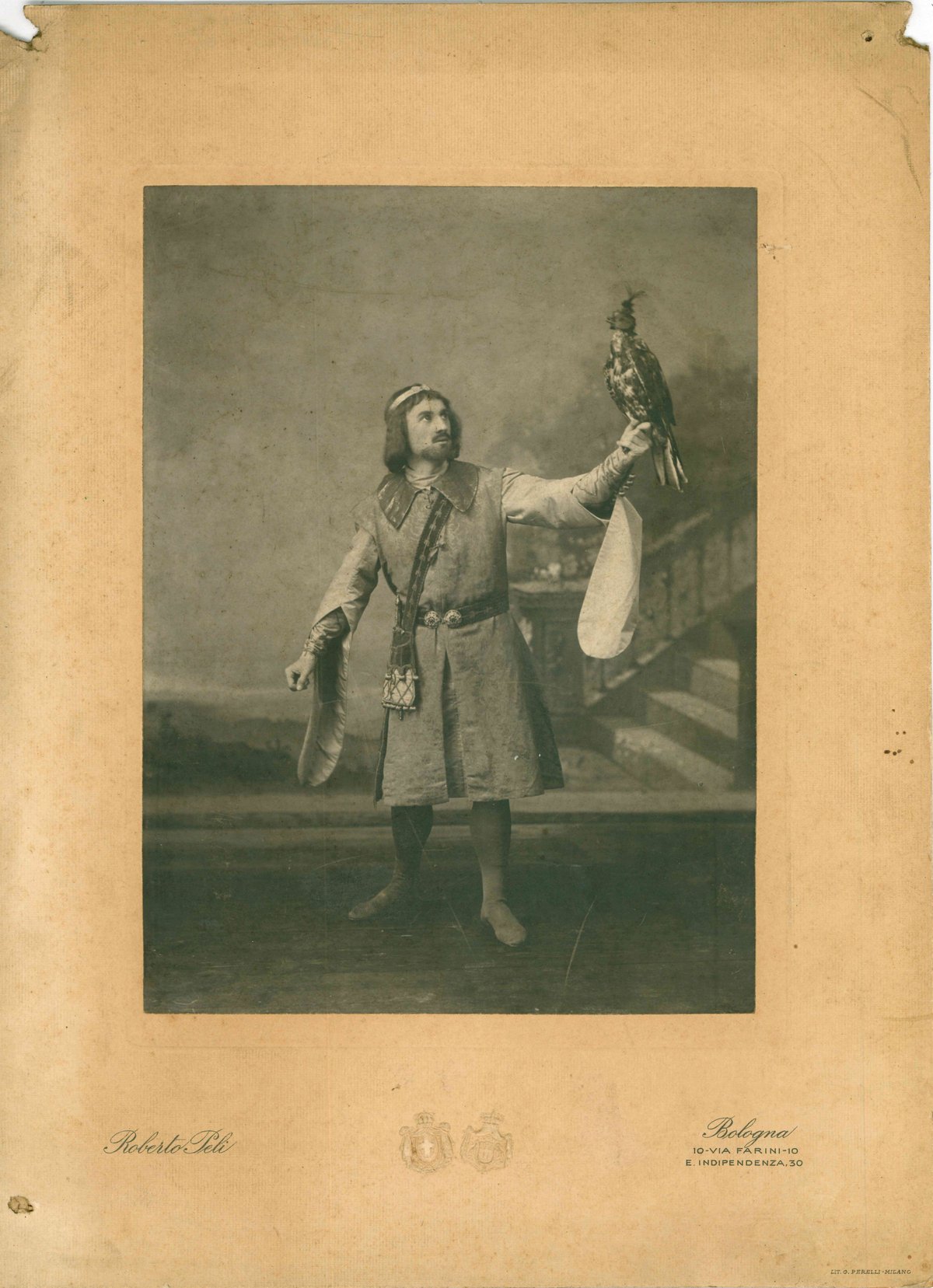
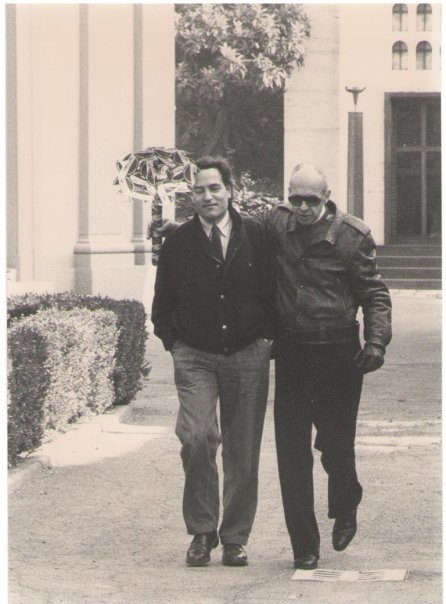
Historical image of Italo Cristalli interpreting the role of Paolo in Luigi Mancinelli's opera Paolo e Francesca, performed at Teatro Comunale in Bologna in 1907.
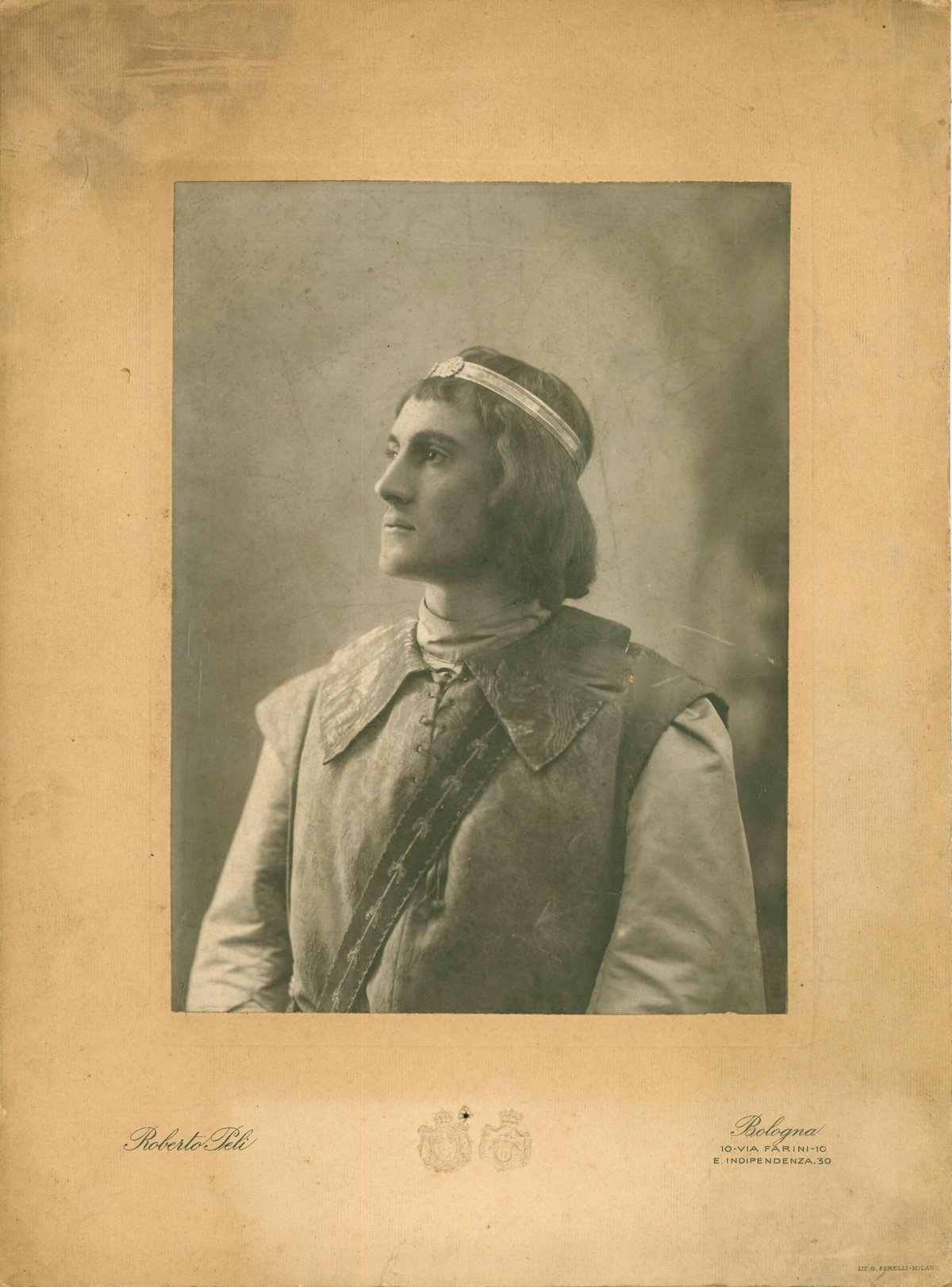
Historical image of Italo Cristalli performing the role of Paolo in the opera Paolo e Francesca by Luigi Mancinelli at Teatro Comunale in Bologna, 1907
Origins and Early History
The Teatro Comunale’s history began after a catastrophic fire in 1745 destroyed the wooden Teatro Malvezzi, a key venue for Bolognese opera since 1651. In response, the city decided to construct a new, fire-resistant opera house, embracing both architectural ambition and civic engagement in the arts (Wikipedia; TCBO Official History).
Antonio Galli Bibiena, a distinguished architect and scenographer, was chosen for the project. His design, selected through competition, introduced the innovative bell-shaped auditorium—departing from the traditional horseshoe form and offering superior acoustics and sightlines (Springer). The new venue, known as the Nuovo Teatro Pubblico, opened its doors on May 14, 1763, with Gluck’s “Il trionfo di Clelia,” specially composed for the occasion.
Architectural Innovation and Construction
Bibiena’s Vision
Bibiena’s design was groundbreaking: a bell-shaped auditorium with four tiers of boxes, a royal box, and a gallery, topped by a ceiling painted to mimic the open sky. The use of masonry not only enhanced fire safety but set a new architectural benchmark for theaters across Europe. The flexible wooden mechanism beneath the parterre stalls allowed for adaptive uses of the space, further demonstrating the theater’s innovative spirit (Springer).
Construction Challenges
Despite its grandeur, construction faced delays: the façade was left unfinished at opening and was only completed in 1936, while backstage facilities were finalized in 1805. The theater was also a trailblazer in its funding model—built with public funds and owned by the municipality, yet a portion of its boxes was offered for perpetual rental rather than outright ownership (Wikipedia).
19th and 20th Century Transformations
Renovations and Adaptations
The theater underwent periodic renovations, notably in 1818–1820 and 1853–54, to modernize its facilities. A fire in 1931 led to significant rebuilding, culminating in a new horseshoe-shaped auditorium and a capacity of 1,034 seats when the theater reopened in 1935 (Wikipedia).
Musical Legacy
The Teatro Comunale became synonymous with Italian opera, premiering works by Rossini, Bellini, and Verdi, and pioneering the Italian introduction of Wagner’s operas. The theater also served as a platform for legendary conductors such as Arturo Toscanini (TCBO Official History).
Modern Developments and the Comunale Nouveau
Post-World War II, the theater solidified its reputation as a center of artistic excellence, with a stable orchestra established in 1956 and acclaimed collaborations with international directors. In 2022, Oksana Lyniv became the first woman to serve as music director at an Italian opera house, highlighting the theater’s progressive ethos (Wikipedia).
Restoration and Temporary Venue
Since 2022, the historic venue in Largo Respighi has been undergoing restoration, with reopening planned for October 2026. Until then, performances are held at the modern Comunale Nouveau in Piazza della Costituzione. This venue, opened in 2023, offers state-of-the-art facilities and accessibility, ensuring the theater’s rich program continues uninterrupted (Opera Charm; Il Resto del Carlino).
Visitor Information: Hours, Tickets, Accessibility, and More
Visiting Hours
- Comunale Nouveau: Box office open Tuesday–Friday from 12:00 PM to 6:00 PM, Saturday 11:00 AM to 3:00 PM. Performance times are typically evenings at 7:30/8:00 PM; matinees on weekends (TCBO Official Website).
- Historic Teatro Comunale: Currently closed for restoration; reopening expected October 2026.
Ticketing
- Prices: Range from €10 (student rates) to €120 (premium seats), varying by event and seat (TCBO Così fan tutte).
- How to Buy: Purchase online at the official website, at the box office, or through authorized resellers. Early booking is advised, especially for popular performances.
Accessibility
- Comunale Nouveau: Fully accessible, with step-free entry, elevators, accessible seating, and restrooms. Assistance services are available—contact the box office for arrangements.
- Guided Tours: Suspended during restoration but will resume post-2026 reopening.
Special Events and Educational Programs
The theater hosts workshops, educational events, and community outreach initiatives. Details and schedules are available on the official calendar (TCBO Event Calendar).
How to Get There and Travel Tips
- Comunale Nouveau: Located in Bologna’s exhibition district (Piazza della Costituzione), accessible via public transport and with ample nearby parking (Bologna Welcome).
- Historic Venue: Centrally located at Largo Respighi; best reached on foot or by public transit due to limited parking.
Nearby Attractions
- Historic Center: Basilica di San Petronio, Due Torri (Two Towers), Piazza Maggiore, and the Quadrilatero Market.
- Cultural Sites: University of Bologna, Pinacoteca Nazionale, Accademia Clementina, Conservatorio "Giovan Battista Martini."
2025 Opera Season Highlights
The 2025 season features 26 productions and 55 performances, blending beloved classics with innovative works and contemporary dance. Notable productions include:
- Puccini’s “La Fanciulla del West” (Jan 24–30)
- Donizetti’s “Lucia di Lammermoor” (Feb 20–25)
- Verdi’s “Un Ballo in Maschera” (Apr 13–19)
- Mozart’s “Così fan tutte” (May 25–June 1)
- Bernstein’s “Candide” (Jul 4–12)
- Stravinsky’s “Oedipus Rex” (Oct 7–12)
- Puccini’s “La Bohème” (Nov 23–30)
- Rossini’s “Il Barbiere di Siviglia” (Dec 19–30)
The dance season includes Crystal Pite’s “Solo Echo” (Italian premiere), Philip Glass’s “Études” curated by Lucinda Childs, and “Boléro – Ravel,” celebrating Ravel’s 150th anniversary (Operabase; OperaWire; Cultura Bologna).
Frequently Asked Questions (FAQ)
Q: What are the current visiting hours and box office times?
A: Comunale Nouveau box office is open Tuesday–Friday 12:00–18:00, Saturday 11:00–15:00. Performance times are usually in the evening.
Q: How do I buy tickets?
A: Tickets can be purchased online (www.tcbo.it), at the box office, or via authorized resellers.
Q: Is the theater accessible?
A: Yes, the Comunale Nouveau is fully accessible. For specific needs, contact the box office in advance.
Q: Are guided tours available?
A: Guided tours are suspended during restoration; they will resume after the reopening of the historic venue.
Q: Are there discounts available?
A: Yes—discounted rates for students, seniors, and subscribers are available.
Q: Where can I park?
A: Comunale Nouveau offers ample parking; for the historic venue, public transport or walking is best.
Q: Are performances surtitled?
A: Most operas feature Italian and sometimes English surtitles.
Listen to the full story in the app
Your Personal Curator, in Your Pocket.
Audio guides for 1,100+ cities across 96 countries. History, stories, and local insight — offline ready.
Audiala App
Available on iOS & Android
Join 50k+ Curators
Sources
- verified
- verified
- verified
- verified
- verified
- verified
- verified
- verified
- verified
Last reviewed: