Plan and listen to Porta Castiglione with Audiala.
Audio guide in your pocket, itinerary in your browser. Built for the way you actually visit.
Introduction
Porta Castiglione, a historical gem located in Bologna, Italy, stands as a testament to the city's rich medieval past. Constructed in the 13th century, this ancient gate was a crucial part of Bologna's third circle of defensive walls, serving not only as a protective barrier but also as a vital economic checkpoint for traders and merchants entering the city from the southeast. Its architectural design, featuring a central archway flanked by robust towers equipped with machicolations, reflects the military engineering techniques of the time. The gate's strategic importance, both militarily and economically, underscores Bologna's prominence during the medieval era. Today, Porta Castiglione is a popular tourist attraction, drawing visitors with its historical significance and stunning architecture. This comprehensive guide aims to provide detailed insights into the gate's history, visitor information, and tips for making the most of your visit (Bologna Welcome, Italian Ministry of Cultural Heritage and Activities).

Exploring Porta Castiglione - History, Visiting Hours, and Tips for Tourists
Origins and Early History
Porta Castiglione, one of the ancient gates of Bologna, Italy, has a rich history dating back to the medieval period. Constructed in the 13th century, it was part of the third circle of walls built to protect the city. The gate was strategically positioned to control access from the southeast, particularly from the direction of Castiglione dei Pepoli, a town that played a significant role in the region's trade and defense.
Architectural Significance
The architectural design of Porta Castiglione reflects the military engineering techniques of the medieval period. The gate was constructed using brick and stone, materials commonly used in Bologna's medieval architecture. The structure includes a central archway flanked by two robust towers, which were used for surveillance and defense. The towers were equipped with machicolations—openings through which defenders could drop stones or boiling oil on attackers.
Role in Bologna's Defense
Porta Castiglione was not merely an entry point but a critical component of Bologna's defensive network. The gate was part of the third set of city walls, which were built between 1220 and 1240 to replace the earlier, less extensive fortifications. These walls were approximately 7.5 kilometers long and included 12 gates, of which Porta Castiglione was a key element. The gate's strategic location made it a focal point during various military conflicts, including the wars between Bologna and neighboring city-states.
Economic and Social Impact
Beyond its military significance, Porta Castiglione also played a vital role in the economic and social life of Bologna. The gate facilitated trade by serving as a checkpoint for goods entering and leaving the city. Merchants from Castiglione dei Pepoli and other towns would pass through this gate, bringing with them goods such as wool, grain, and wine. The tolls collected at the gate contributed to the city's revenue, which was used to maintain the walls and other public works.
Renaissance and Later Modifications
During the Renaissance, Bologna underwent significant urban development, and Porta Castiglione was no exception. In the 16th century, the gate was modified to accommodate the changing needs of the city. The towers were reinforced, and additional defensive features were added. These modifications were part of a broader effort to modernize the city's defenses in response to advancements in artillery and siege warfare.
Decline and Restoration
By the 19th century, the defensive role of Porta Castiglione had diminished, and the gate fell into disrepair. The unification of Italy and the subsequent political changes led to the demolition of many of Bologna's medieval walls and gates. However, Porta Castiglione was spared from complete destruction due to its historical and architectural significance. In the early 20th century, efforts were made to restore the gate, preserving it as a historical monument.
Modern-Day Significance
Today, Porta Castiglione stands as a testament to Bologna's rich history and architectural heritage. It is a popular tourist attraction, drawing visitors interested in medieval architecture and the history of Bologna. The gate is also a focal point for cultural events and historical reenactments, which help to bring the history of Porta Castiglione to life for contemporary audiences.
Visitor Information
- Visiting Hours: Porta Castiglione is accessible to the public 24/7, although guided tours may have specific times.
- Tickets: There is no entrance fee to visit Porta Castiglione, but guided tours may charge a fee.
- Travel Tips: Wear comfortable walking shoes as the area includes cobblestone streets. Consider visiting nearby attractions such as the Two Towers and Piazza Maggiore.
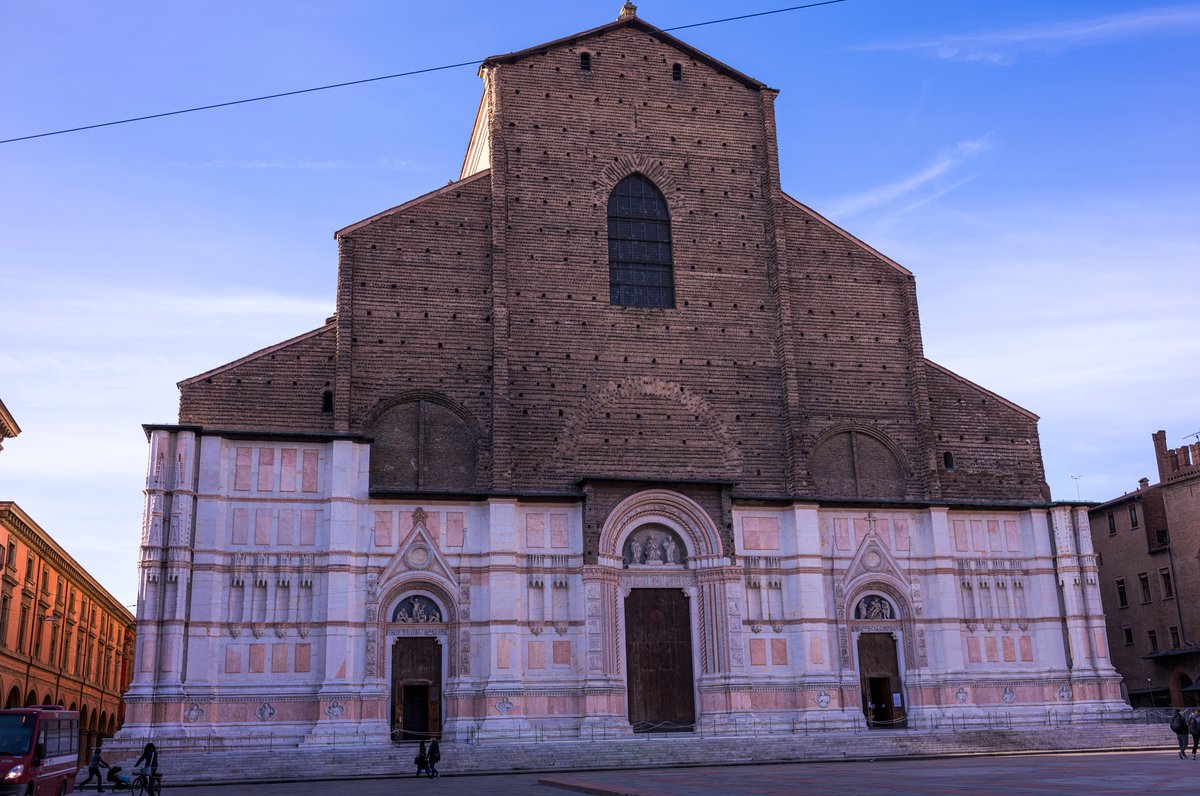
- Nearby Attractions: Other notable Bologna historical sites include the Basilica di San Petronio, the Archiginnasio of Bologna, and the Museo Civico Archeologico.
- Accessibility: The gate area is accessible to pedestrians and offers some wheelchair access, though certain parts may be challenging due to uneven terrain.
Special Events and Tours
Porta Castiglione hosts various special events throughout the year, including historical reenactments and cultural festivals. Guided tours are available, offering in-depth historical insights and the opportunity to explore areas usually closed to the public. Photographers will find plenty of picturesque spots around the gate, especially during sunrise and sunset.
FAQ
Q - What are the Porta Castiglione visiting hours? A - Porta Castiglione is accessible 24/7, but guided tours may have specific times.
Q - Is there an entrance fee for Porta Castiglione? A - No, there is no entrance fee, but some guided tours may charge a fee.
Q - What are some nearby attractions? A - Nearby attractions include the Two Towers, Piazza Maggiore, and the Basilica di San Petronio.
Q - Is Porta Castiglione accessible for wheelchair users? A - The area offers some wheelchair access, but certain parts may be challenging due to uneven terrain.
Listen to the full story in the app
The whole Porta Castiglione,
told well.
Audio guides for 1,100+ cities across 96 countries. History, stories, and local insight — offline ready.
Verified, and shown.
Researched and written by the Audiala editorial team from historical records, architectural archives, and local expertise.
Researched from Wikidata, Wikipedia & official sources · fact-checked · How we make our guides →