Plan and listen to Basilica Of Saint Francis with Audiala.
Audio guide in your pocket, itinerary in your browser. Built for the way you actually visit.
Introduction
Nestled in the heart of Bologna, the Basilica of Saint Francis (Basilica di San Francesco) is a distinguished monument that intertwines centuries of spiritual devotion, pioneering architecture, and civic tradition. Established in the early 13th century under the influence of Saint Francis of Assisi and the Franciscan order, the basilica remains one of Italy’s earliest and most influential examples of Gothic architecture. Its role extends far beyond its religious function, serving as a vibrant center for art, scholarship, and community life in Bologna (Bologna Experience; Bologna Welcome).
This guide provides comprehensive details on visiting hours, ticketing, accessibility, guided tours, and travel tips, while also exploring the basilica’s rich history, architectural highlights, and place within Bologna’s cultural landscape.

Historical Background and Religious Significance
The origins of the Basilica of Saint Francis in Bologna date to the arrival of the Franciscans in 1211, when Saint Francis of Assisi sent his follower Bernardo di Quintavalle to found the city’s first convent. Saint Francis himself visited Bologna in 1221 and 1222, reinforcing the order’s ideals of poverty, humility, and service. These visits left a lasting spiritual imprint, amplified by his insistence that the friars embrace a life of total simplicity (Bologna Experience).
Construction and Architectural Features
Construction of the basilica began in 1236, introducing the French-derived Gothic style to Italy through features such as pointed arches, ribbed vaults, and soaring vertical lines. Completed in the late 13th century, the basilica set a new standard for religious architecture in the region, departing from the Romanesque tradition that dominated at the time. The façade, rose window, flying buttresses, and twin bell towers create a striking presence in Piazza Malpighi (Bologna Experience; Bologna Welcome).
Civic and Religious Importance
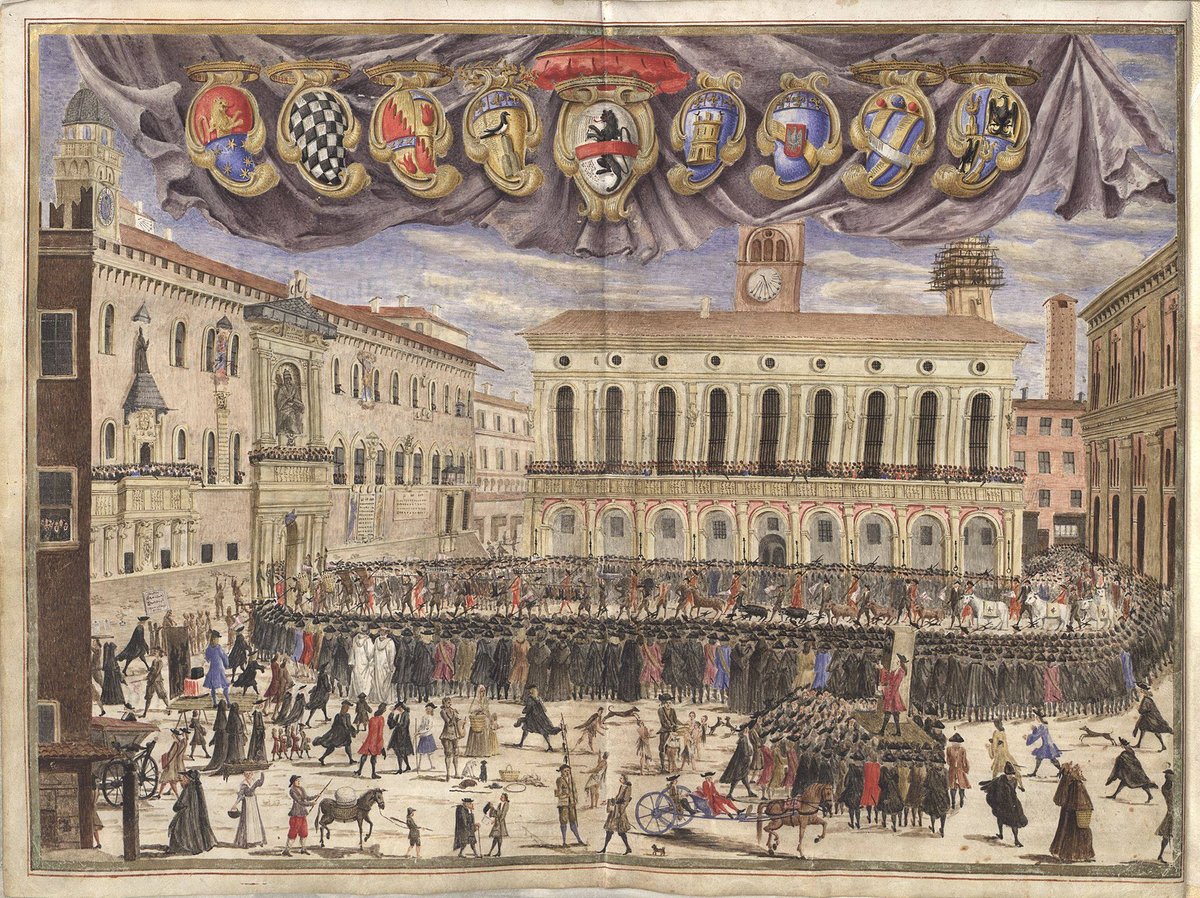
For centuries, the basilica has been a focal point for both worship and civic gatherings, integrating deeply with Bologna’s social fabric. Piazza Malpighi, adjacent to the basilica, has hosted markets and public events since medieval times, reinforcing the basilica’s presence in everyday city life. The square is also home to the tombs of prominent medieval jurists, linking the church to Bologna’s scholarly and legal history (Bologna Experience).
Bell Towers and Library
Distinctive twin bell towers—one from 1260 and one by Antonio di Vincenzo (1397–1402)—rise above the church. The larger tower, with its triple lancet windows and five-bell concert, is an architectural highlight. The basilica’s library, rebuilt in 1957, houses around 39,000 volumes and is accessible to researchers by appointment (Bologna Experience).
Piazza Malpighi: Urban Heritage
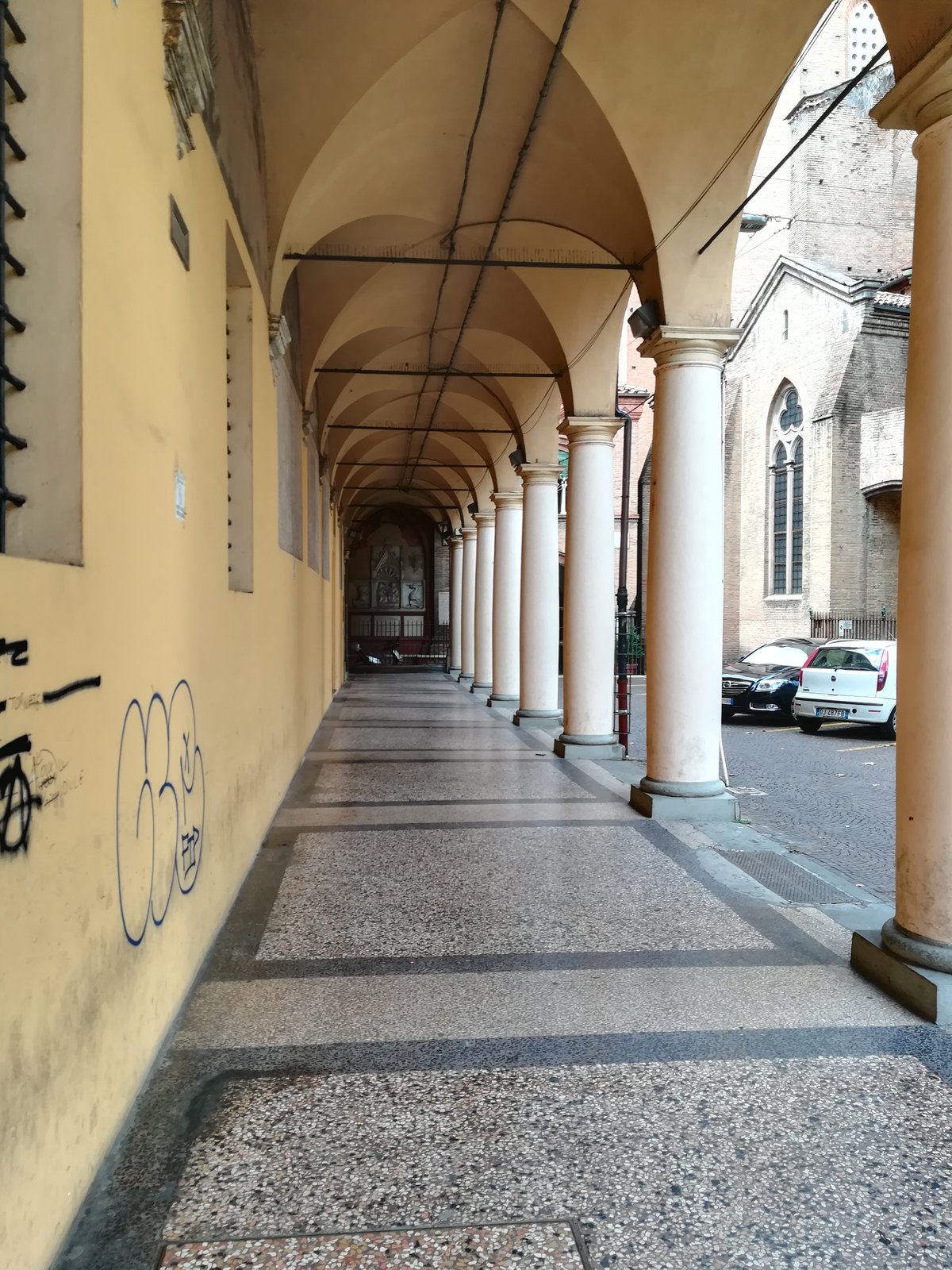
Piazza Malpighi remains a lively center, with a weekly plant and flower market continuing the medieval tradition of commerce and gathering. The portico on the western side, built by the Franciscans in the 17th century, features columns and vestiges of frescoes depicting episodes from the life of Saint Anthony of Padua (Bologna Experience).
Visitor Information
Opening Hours
- Daily: 6:45 AM – 12:00 PM & 3:30 PM – 7:00 PM (San Francesco Bologna Official Site)
- Recommended Quiet Times:
- Weekdays: 8:30–10:00 AM, 10:30–11:45 AM, 3:30–5:30 PM
- Sundays/Holidays: 9:45–10:45 AM, 3:30–5:30 PM
Mass and Services
- Festive Masses: 7:30 AM, 9:00 AM, 11:00 AM, 12:00 PM (July/August suspended), 6:00 PM
- Weekday Masses: 7:00 AM, 8:00 AM, 10:00 AM (July/August suspended), 6:00 PM
- Rosary: Daily at 5:30 PM
- Confessions: 8:00 AM–12:00 PM, 3:30–6:30 PM (4:30–6:30 PM in July/August)
- Vespers: 6:30 PM Monday–Friday
(Check the service schedule for updates.)
Tickets
- Entry: Free for individual visitors; donations are encouraged.
- Guided Tours: Available by arrangement; group visits should book in advance (guided tours info).
Accessibility
- The basilica is equipped with ramps and accessible entrances. Some areas may have steps; contact staff for assistance.
Nearby Attractions and Travel Tips
- Piazza Maggiore and the Two Towers (Due Torri)
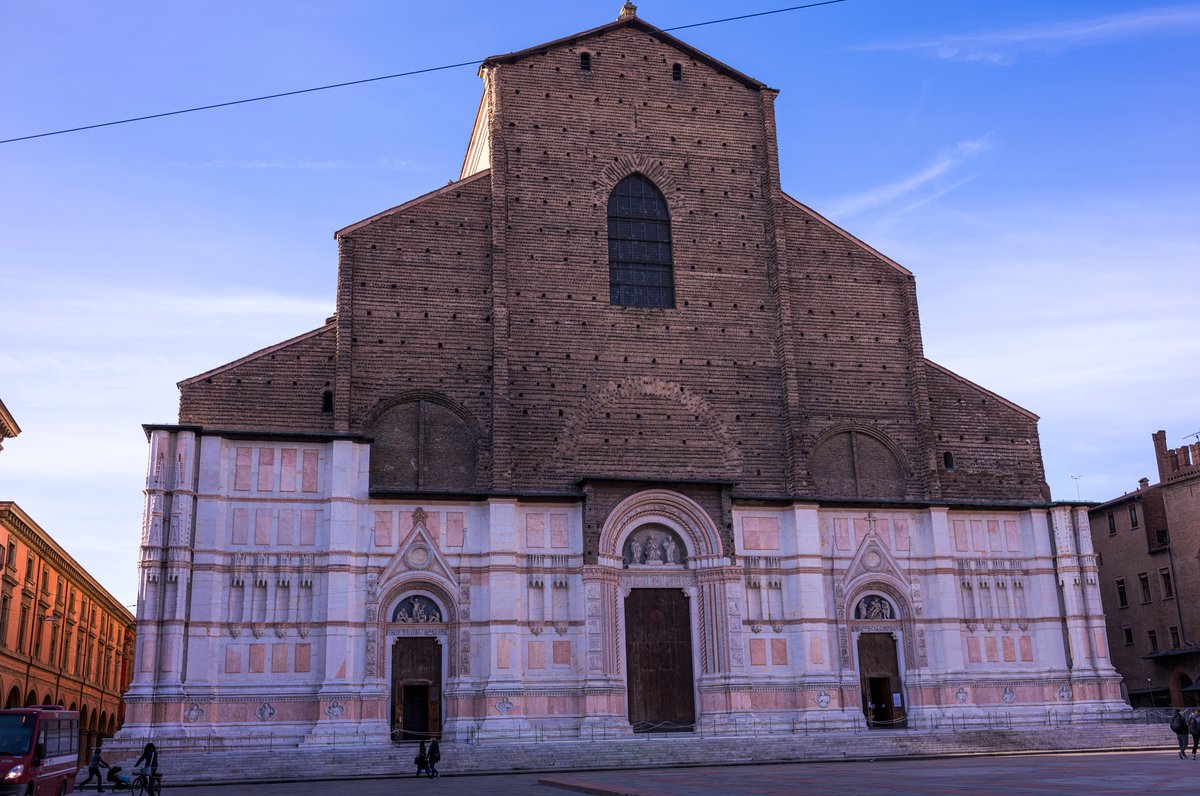
- Basilica di San Petronio: Bologna’s main church (San Petronio Basilica guide)
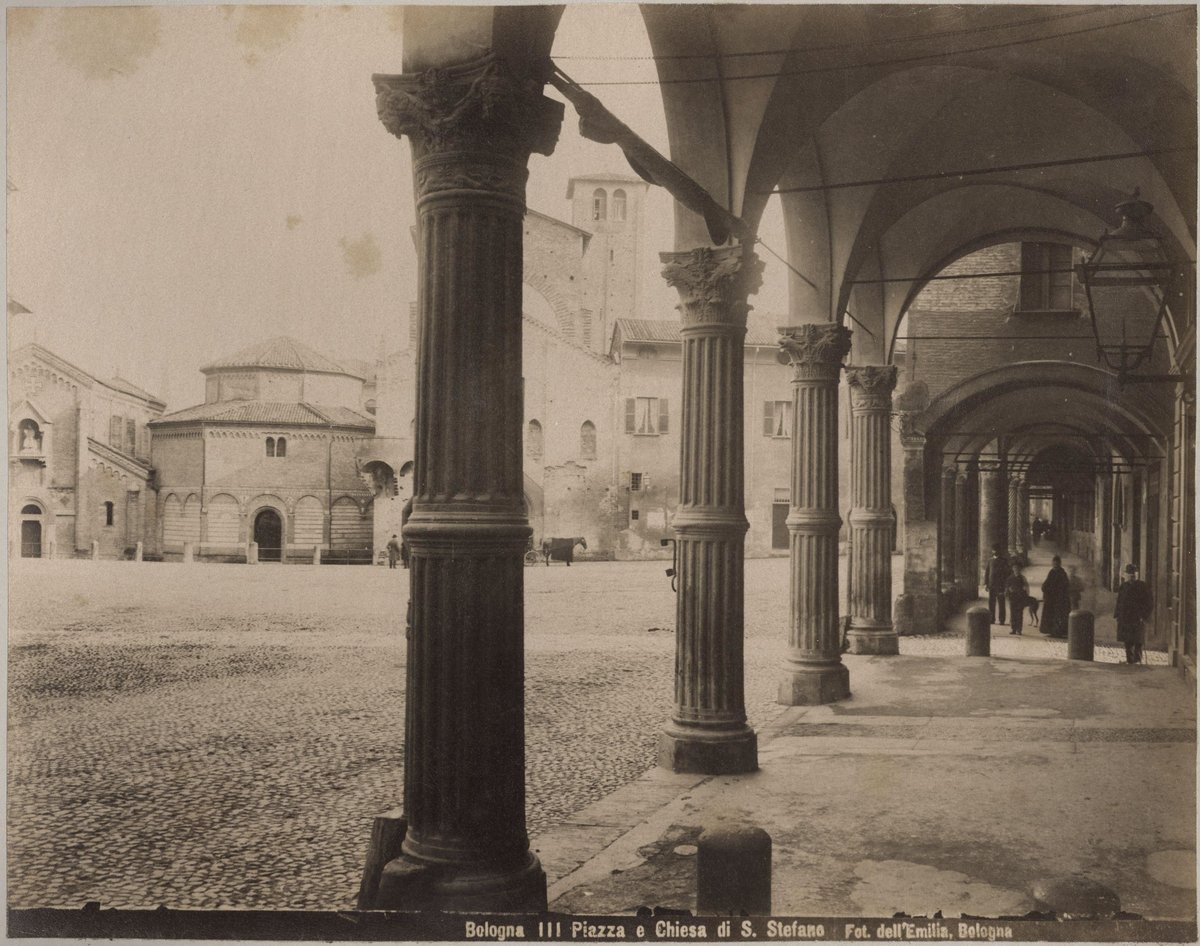
- Basilica di Santo Stefano: The “Seven Churches” complex (Seven Churches info)
- Porticoes of Bologna: UNESCO World Heritage arcades
The basilica’s central location makes it an ideal starting point for exploring Bologna’s historic core (Anywhere We Roam).
Interior and Artistic Highlights
Layout and Structure
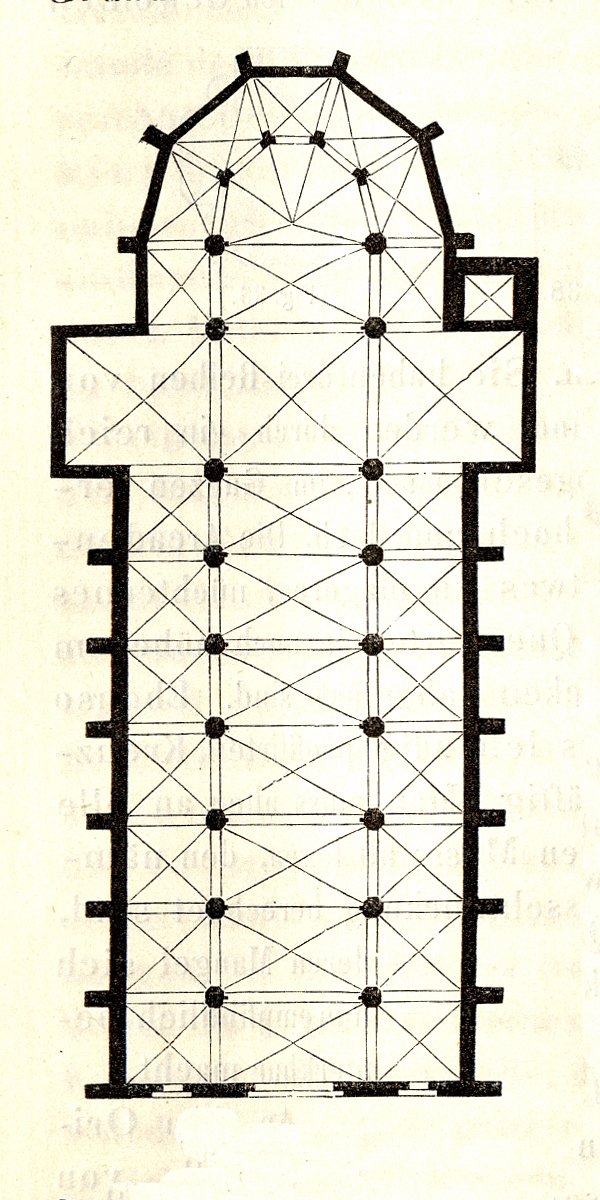
- Nave and Aisles: Latin cross plan, ribbed vaults, pointed arches, and clerestory windows create a sense of height and light (Bologna and the Renaissance).
- Transept and Choir: Renaissance choir stalls (1529–1541) feature intricate walnut intarsia (Lions in the Piazza).
- Chapels: Endowed by Bolognese families, adorned with frescoes, altarpieces, and sculptures from the 14th to 16th centuries.
Notable Artworks
- Tomb of Pope Alexander V: Early Renaissance funerary art in the left aisle.
- Frescoes and Paintings: Some original frescoes remain; the high altar’s original altarpiece is now in the Pinacoteca Nazionale.
- Sculptures: Terracotta works by Alfonso Lombardi and others.
Cloisters and Convent Complex
- Franciscan Cloisters: 13th- and 14th-century arcaded spaces, accessible during special tours (Bologna Welcome).
- Library and Archives: Valuable manuscripts and early printed books; access by appointment.
Lighting and Stained Glass
The basilica’s rose window and other stained glass features allow colored light to filter into the nave, creating a spiritual atmosphere, especially at dawn and dusk (Bologna Welcome).
Restoration and Preservation
Restoration projects have addressed damage from Napoleonic suppression and World War II, focusing on structural stabilization and preservation of artworks. Recent efforts ensure the basilica remains a vibrant center for worship and heritage (Wikipedia).
Tips for a Memorable Visit
- Join a guided tour for in-depth insights and access to hidden areas.
- Best times: Early morning and late afternoon for optimal lighting and tranquility.
- Modest attire is required (shoulders and knees covered).
- Observe silence and switch mobile devices to silent mode.
- Photography: Non-flash photography permitted; respect posted restrictions.
Facilities and Amenities
- Restrooms: Limited; use nearby public facilities if needed.
- Shops: Small shop selling religious items and souvenirs.
- Seating: Benches and pews for rest and reflection.
- Cloakroom: Not available.
Photography and Filming Guidelines
- Photography: Non-flash allowed unless otherwise indicated; no tripods or professional equipment without permission.
- Special spots: Façade, cloisters, stained glass, and choir stalls.
Getting There
- Address: Piazza San Francesco, Bologna
- By foot: Central location, close to major attractions.
- Public transport: Several bus lines stop nearby.
- Parking: Limited; walking or public transit recommended.
Special Events and Liturgical Calendar
The basilica hosts special religious and cultural events throughout the year. Check the official calendar before planning your visit.
Safety and Communication
The basilica is safe and welcoming. Secure your belongings and follow any staff instructions. Most signage is in Italian; staff may speak basic English and informational materials may be available.
Donations and Support
Admission is free, but donations support maintenance and charitable activities. Donation boxes are near the entrance.
Frequently Asked Questions (FAQ)
Q: Is there an entrance fee?
A: No, entry is free for individuals; donations are welcome.
Q: What are the opening hours?
A: Daily from 6:45 AM to 12:00 PM and 3:30 PM to 7:00 PM.
Q: Are guided tours available?
A: Yes, arrange in advance for group or friar-led tours.
Q: Is the basilica accessible to visitors with disabilities?
A: Yes, most areas are accessible; contact staff for specific needs.
Q: Can I take photos inside?
A: Non-flash photography is generally allowed, but check for restrictions.
Visual Gallery

Gothic façade with rose window and bell towers.

Vaulted nave illuminated by stained glass.

Intricate walnut choir stalls from the Renaissance.

Arcaded cloisters offering a peaceful retreat.
Listen to the full story in the app
The whole Basilica Of Saint Francis,
told well.
Audio guides for 1,100+ cities across 96 countries. History, stories, and local insight — offline ready.
Verified, and shown.
Researched and written by the Audiala editorial team from historical records, architectural archives, and local expertise.
Researched from Wikidata, Wikipedia & official sources · fact-checked · How we make our guides →