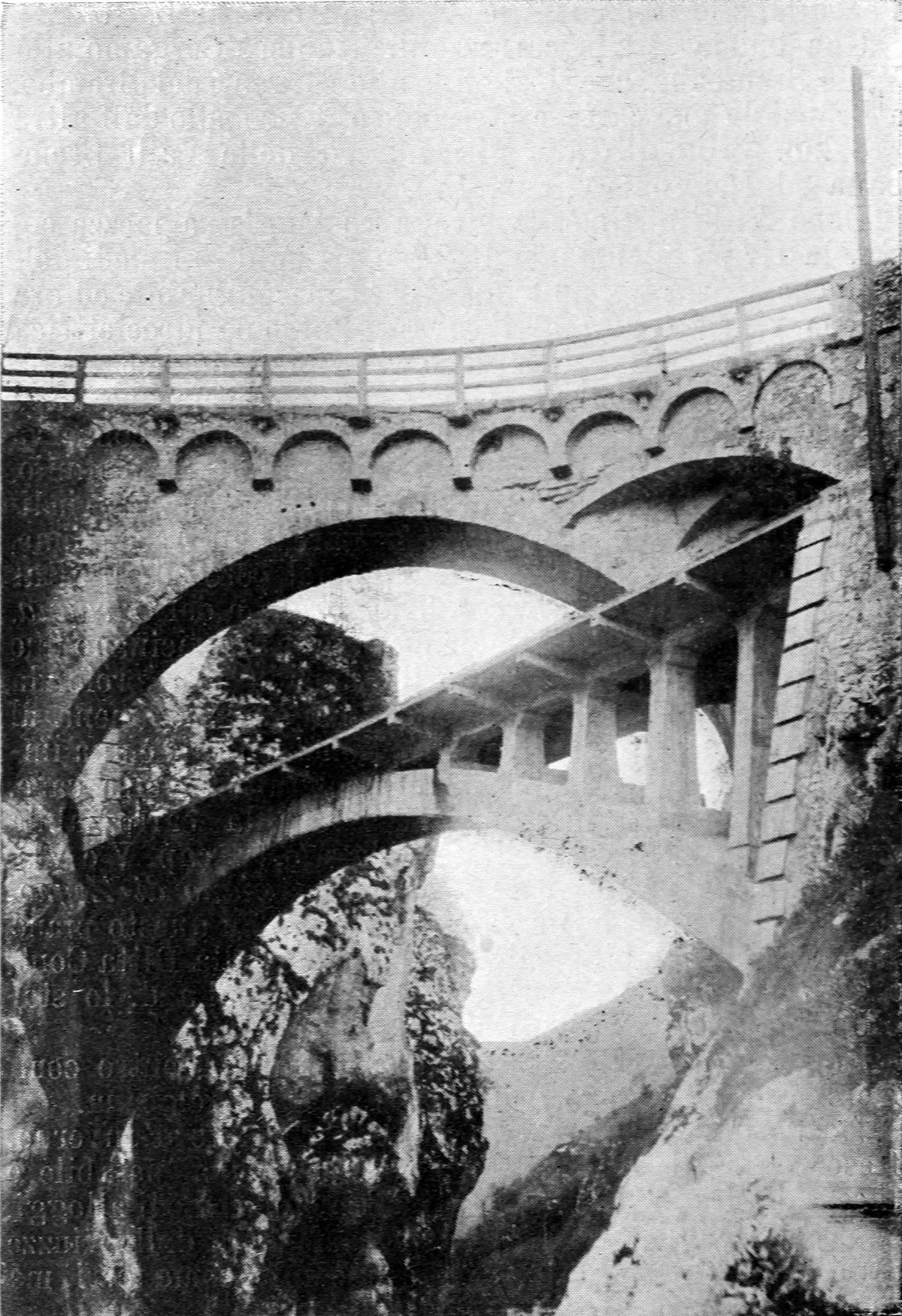
Plan and listen to Valle Brembana Railway with Audiala.
Audio guide in your pocket, itinerary in your browser. Built for the way you actually visit.
Introduction
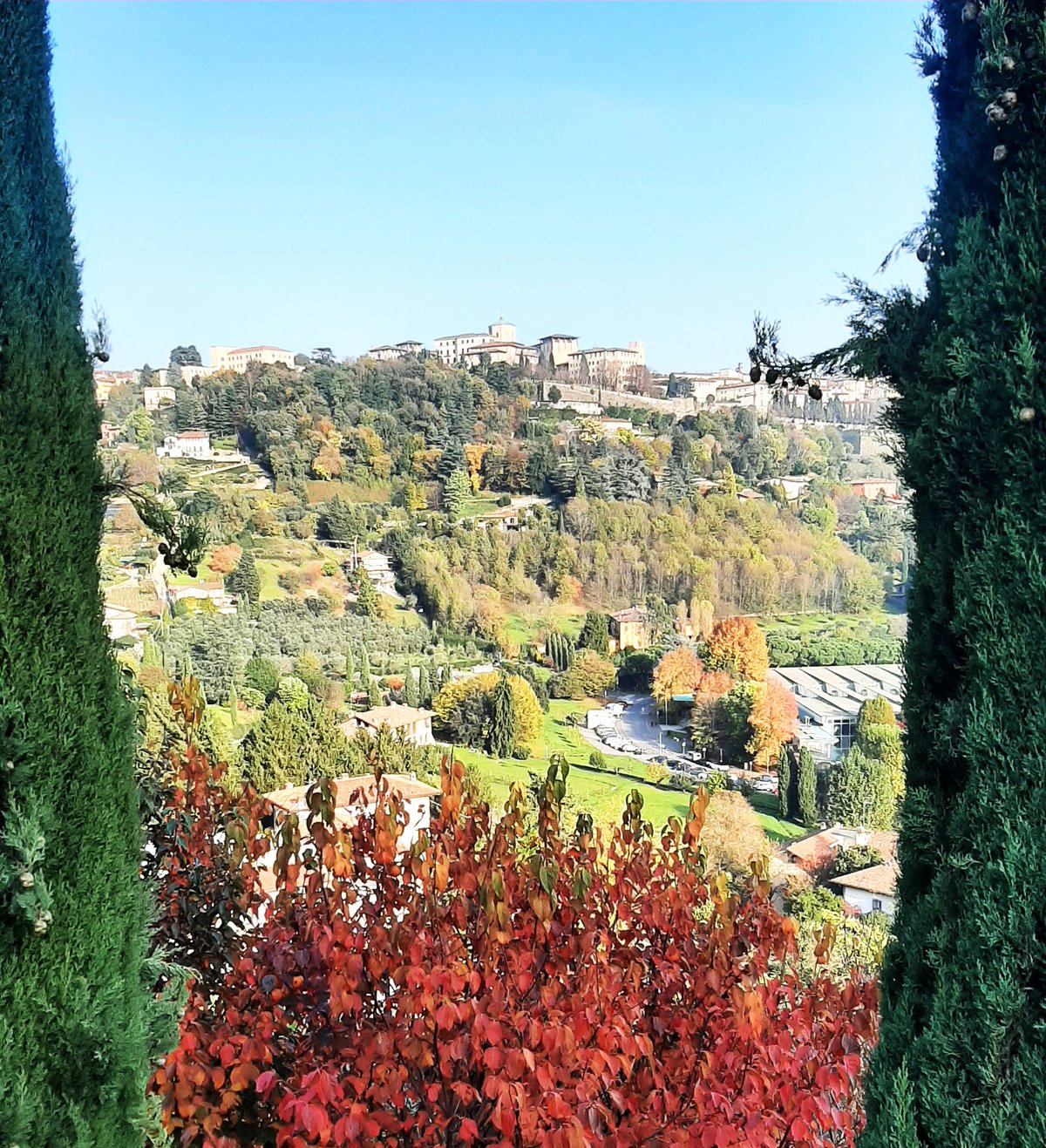
Nestled in the picturesque Lombardy region of northern Italy, Bergamo offers a rich tapestry of history, culture, and scenic beauty. The SS470, or Strada Statale 470, is not just a roadway but a journey through the heart of this region. Connecting Bergamo to various charming locales, the SS470 traverses the Valle Brembana and the Passo San Marco, offering travelers a blend of historical landmarks, architectural marvels, and natural landscapes.
Bergamo itself is a city with deep historical roots. Originally the center of the Orobi tribe, it became a Roman town known as Bergomum in 196 BC (Britannica). Throughout the centuries, Bergamo has been influenced by various rulers and eras, from the Lombards to the Venetians, each leaving an indelible mark on its cultural and architectural heritage. The city is famously divided into the upper town (Città Alta) and the lower town (Città Bassa), with the former being a treasure trove of medieval and Renaissance architecture.
The SS470 enhances this historical journey by providing access to numerous attractions, including the thermal baths of San Pellegrino Terme, the Venetian Walls, and the Basilica of Santa Maria Maggiore. For those interested in culinary delights, the route offers stops at renowned eateries like Pasticceria Bigio and Birrificio Via Priula (The Crowded Planet). This guide aims to provide comprehensive information on visiting these sites, including practical tips, ticket details, and travel advice, ensuring a memorable experience for every traveler.

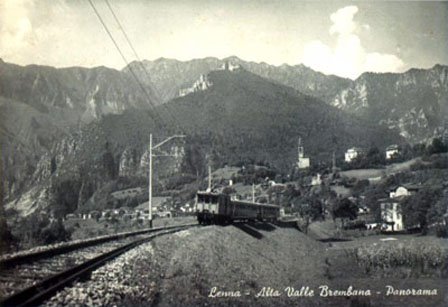
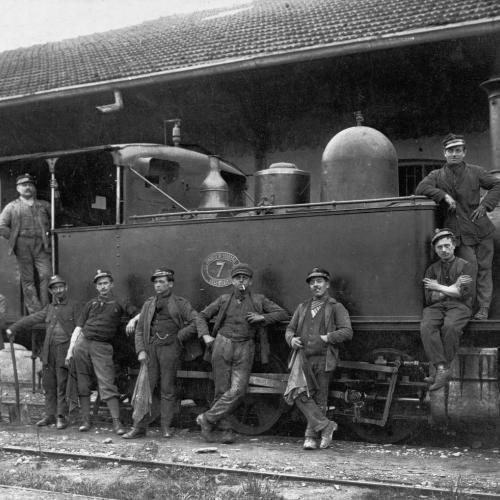
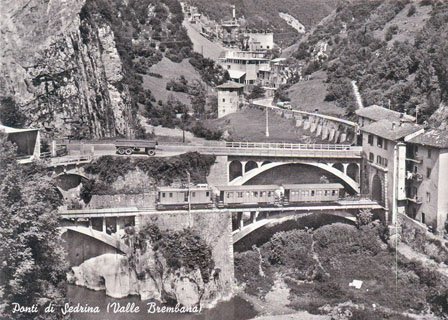
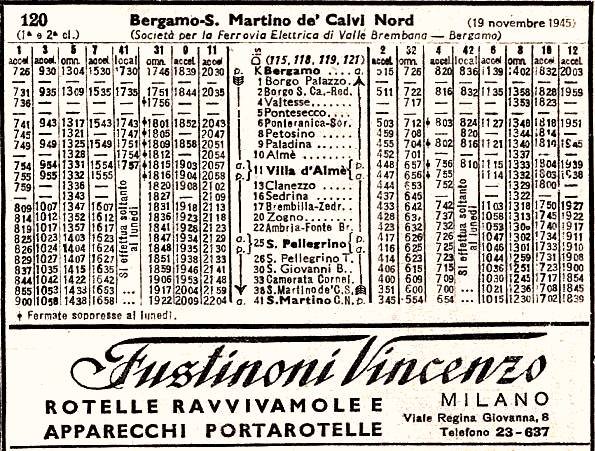
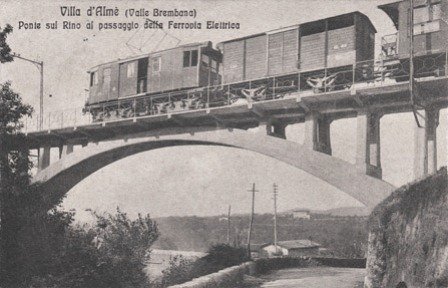
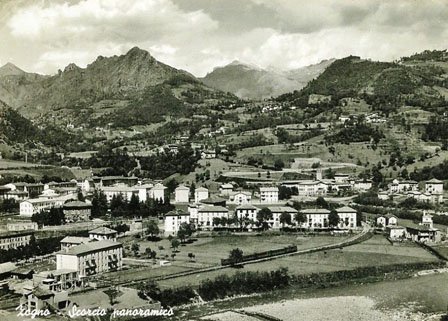
Historical Background
Ancient Origins and Roman Influence
Bergamo, originally the center of the Orobi tribe, became a Roman town known as Bergomum in 196 BC (Britannica). The city's strategic location between the Brembo and Serio rivers made it a vital military and trade hub for the Romans.
Medieval Period and Lombard Rule
Following the fall of the Roman Empire, Bergamo was destroyed by Attila the Hun but later rebuilt as the seat of a Lombard duchy. By the 12th century, it had evolved into an independent commune (Britannica). The city remains divided into the upper town (Città Alta) and the lower town (Città Bassa).
Venetian Rule and Renaissance Flourishing
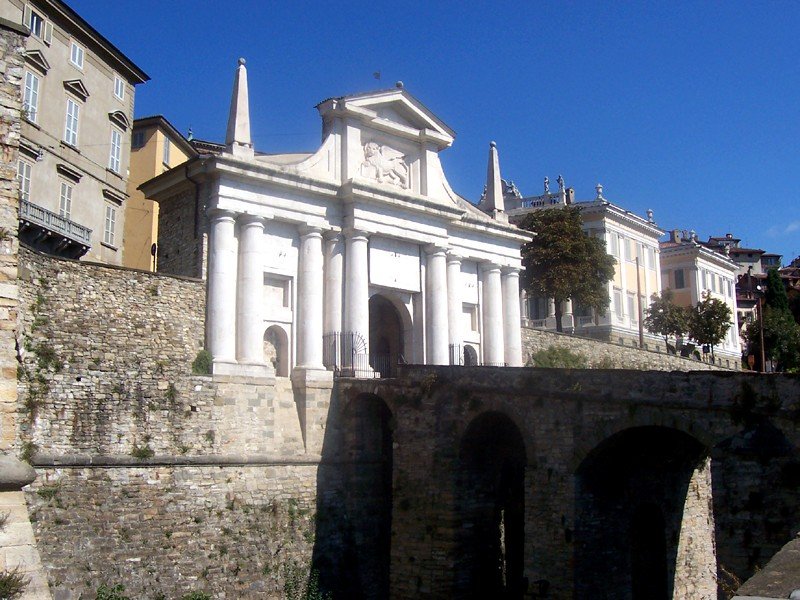
Under Venetian control from 1428 to 1797, Bergamo was fortified with defensive walls, now a UNESCO World Heritage Site (Italia.it). This period saw significant architectural and cultural development, with landmarks like the Basilica of Santa Maria Maggiore and the Cappella Colleoni.
Napoleonic Era and Austrian Control
Bergamo briefly became part of the Cisalpine Republic under Napoleon before being incorporated into the Austrian Empire in 1815 (Britannica). The Austrians initiated the industrialization of Bergamo, focusing on textile manufacturing.
Risorgimento and Unification of Italy
During the Italian unification movement, Bergamo was a stronghold for Garibaldi's forces. The city contributed the largest number of volunteers to his expedition in 1860, earning the title "The City of One Thousand."
SS470 Visitor Information
Bergamo Historical Sites
- Città Alta (Upper Town): A visit to Bergamo is incomplete without exploring the Città Alta, home to historical landmarks such as the Basilica of Santa Maria Maggiore, Piazza Vecchia, and the Cappella Colleoni.
- Bergamo City Walls: These Venetian walls, now a UNESCO World Heritage Site, offer panoramic views of the city.
Tickets and Visiting Hours
- Basilica of Santa Maria Maggiore: Open daily; hours vary by season. Entry is free, but donations are appreciated.
- Cappella Colleoni: Open Monday to Saturday, 9:00 AM to 12:30 PM and 2:00 PM to 6:30 PM; entrance is free.
- Venetian Walls: Accessible year-round; no admission fee.
Travel Tips
- Best Time to Visit: Spring (April to June) and fall (September to October) offer mild weather and fewer crowds.
- Getting Around: Bergamo is well-connected by public transport. The funicular connects the lower town (Città Bassa) to the upper town (Città Alta).
- Language: Italian is the primary language, but English is commonly spoken in tourist areas.
Nearby Attractions
- San Pellegrino Terme: Famous for its thermal baths and Liberty-style architecture, located along SS470.
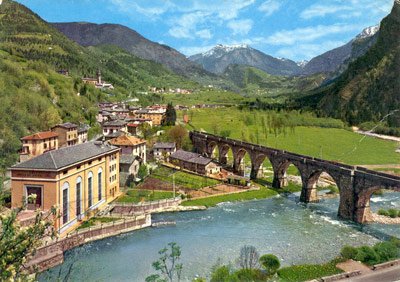
- Valle Brembana: Offers stunning natural landscapes, ideal for hiking and outdoor activities.
Accessibility
- Public Transport: Most historical sites in Bergamo are accessible via public transport, which is equipped for travelers with mobility challenges.
- Site Accessibility: Major attractions like the Basilica of Santa Maria Maggiore and Cappella Colleoni have provisions for accessibility.
Special Events and Guided Tours
- Bergamo Film Meeting: An annual film festival held in March, showcasing international cinema.
- Guided Tours: Available for historical sites, often provided by local experts. Book in advance for a more personalized experience.
Photographic Spots
- Piazza Vecchia: Known for its stunning architecture and vibrant atmosphere.
- San Vigilio Hill: Offers panoramic views of Bergamo, especially beautiful at sunset.
FAQ
Q: What are the best times to visit Bergamo? A: Spring (April to June) and fall (September to October) are ideal for mild weather and fewer crowds.
Q: Are the historical sites in Bergamo accessible to people with disabilities? A: Yes, most major attractions are accessible, and public transport is equipped for travelers with mobility challenges.
Q: What are some nearby attractions to Bergamo? A: San Pellegrino Terme and Valle Brembana are popular nearby destinations.
Listen to the full story in the app
The whole Valle Brembana Railway,
told well.
Audio guides for 1,100+ cities across 96 countries. History, stories, and local insight — offline ready.
Verified, and shown.
Researched and written by the Audiala editorial team from historical records, architectural archives, and local expertise.
Bergamo
Bergamo: Guide, history, facts
Delicious drives in Italy: A foodie itinerary around Bergamo province
Bergamo travel guide
One day in Bergamo: Day trip
Things to do in Bergamo
One day in Bergamo, Italy
Researched from Wikidata, Wikipedia & official sources · fact-checked · How we make our guides →