Plan and listen to San Francesco with Audiala.
Audio guide in your pocket, itinerary in your browser. Built for the way you actually visit.
Introduction
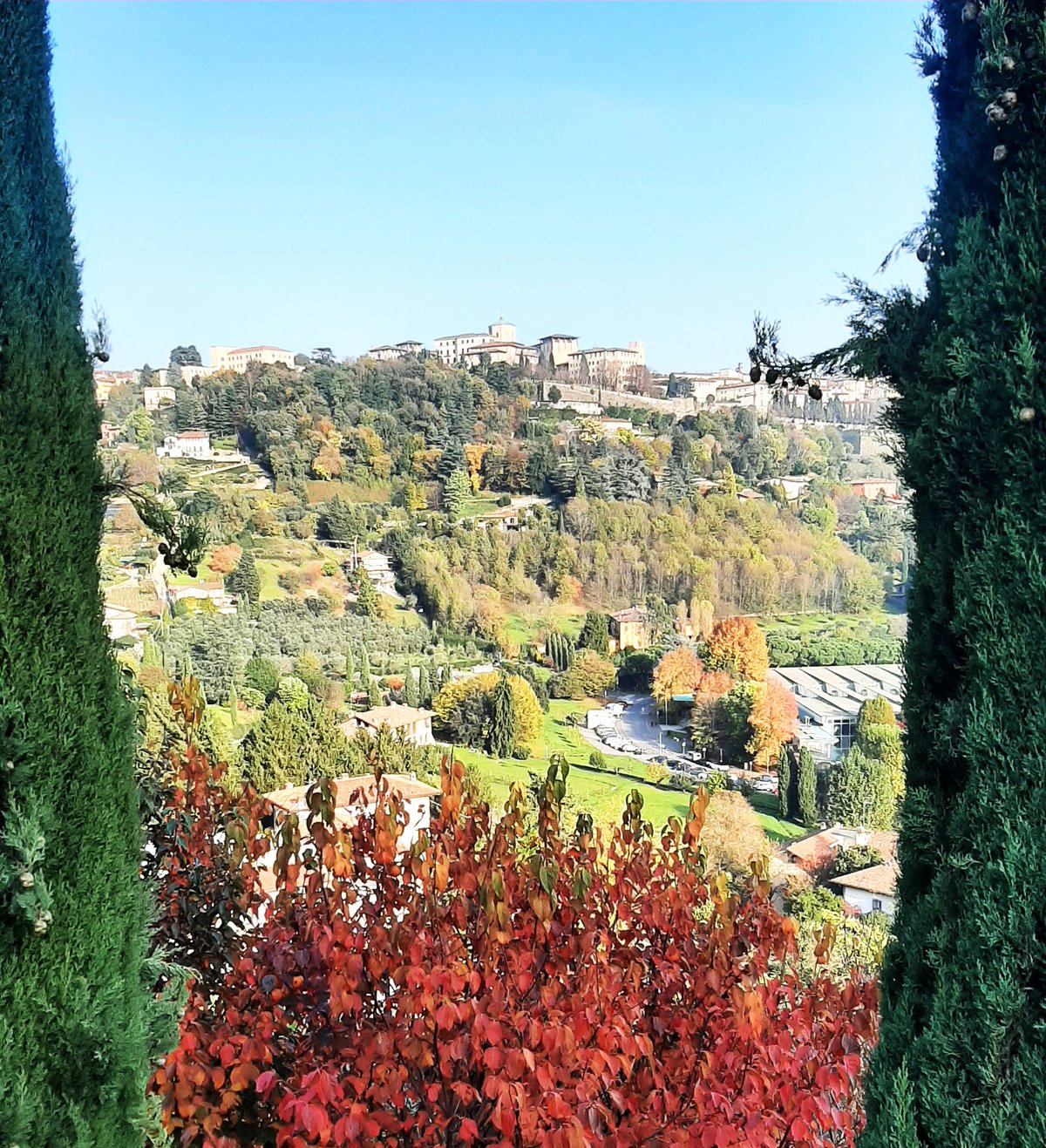
Nestled in the heart of Bergamo’s Città Alta, the Convent of San Francesco is a testament to the city's layered medieval heritage and ongoing cultural vitality. Established between the 13th and 14th centuries as a Franciscan monastery, San Francesco has evolved into an essential destination for history lovers, art enthusiasts, and cultural travelers. Today, the convent blends Gothic simplicity and Baroque flourishes, houses engaging museum spaces, and offers panoramic views over Bergamo and its valleys. This guide provides comprehensive visitor information—covering history, visiting hours, ticketing, accessibility, and expert travel tips—to ensure an enriching experience at one of Bergamo’s most treasured sites (Museo delle Storie di Bergamo; ibnbattutatravel.com; TravelArtWay).

Medieval Origins and Architectural Evolution
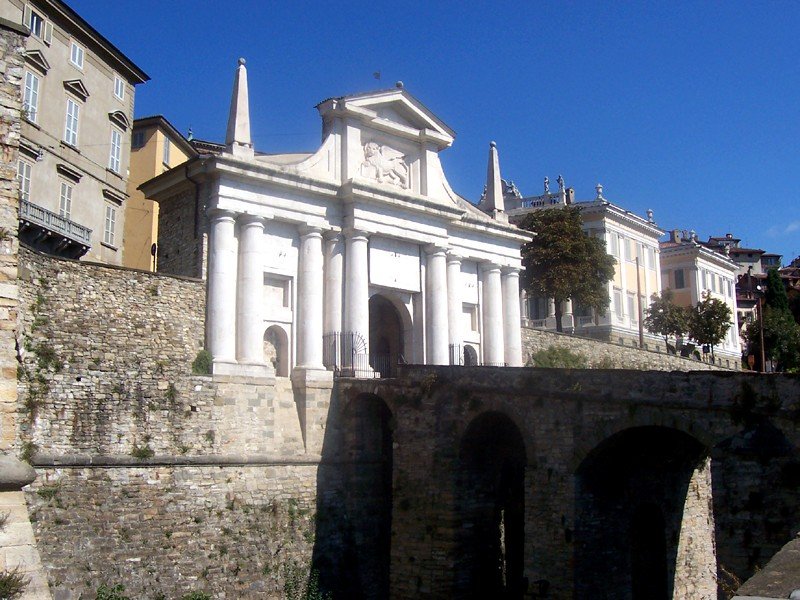
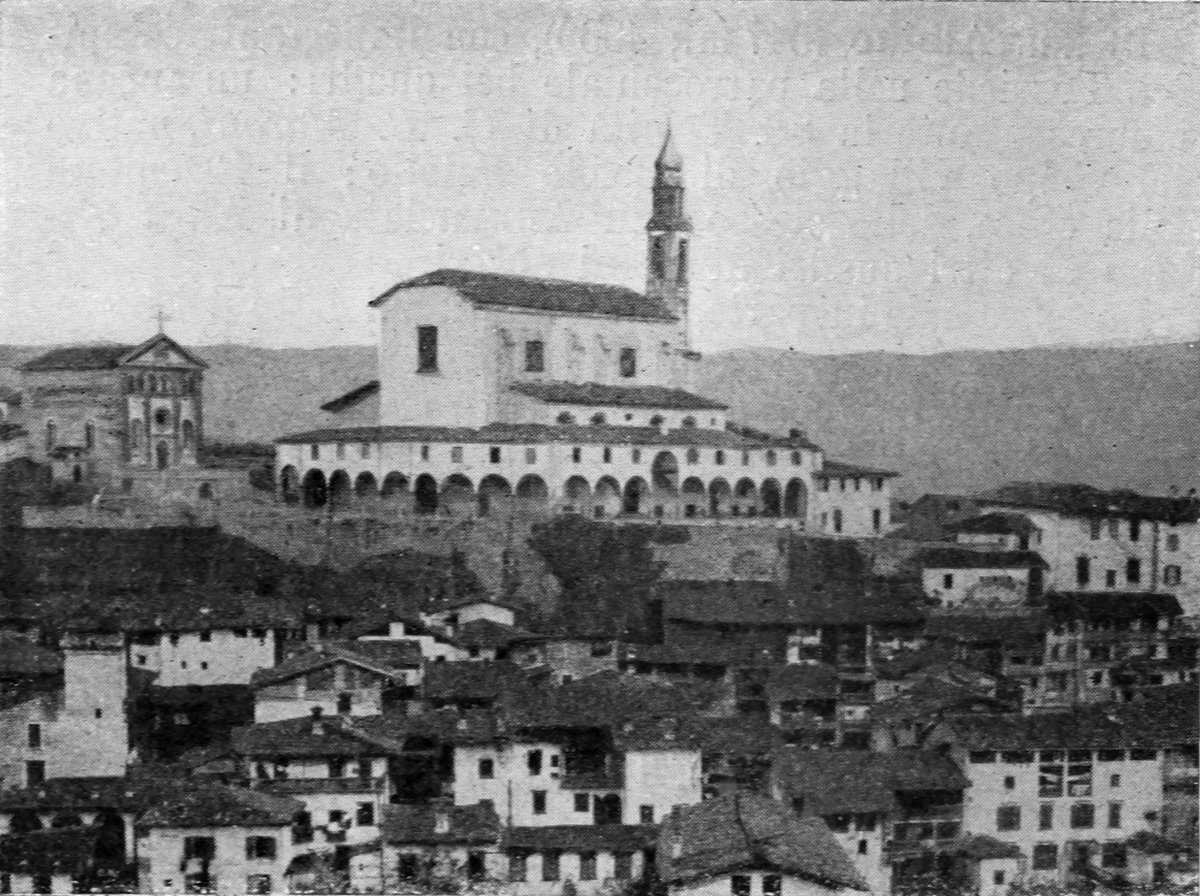
Founded in the 14th century, the Convent of San Francesco was strategically constructed on Colle Sant’Eufemia in Bergamo Alta, adjacent to the UNESCO-listed Venetian walls (Museo delle Storie di Bergamo). Its architectural nucleus comprises two cloisters—the Cloister of the Arks and Cloister of the Well—characterized by stone arcades and frescoed corridors that reflect the Franciscan ideals of simplicity and contemplation. Over time, the complex absorbed Renaissance and Baroque influences, particularly in its decorative chapels and altars, resulting in a harmonious blend of styles (ibnbattutatravel.com).
Religious and Civic Significance
San Francesco played an integral part in Bergamo’s spiritual and civic life. The Franciscan order, known for its commitment to poverty, education, and charity, positioned the convent as a center for religious instruction, social service, and artistic patronage. The walls of the cloisters and chapels are embellished with fresco cycles depicting Franciscan themes and biblical stories, further highlighting the convent’s dual role as a site of worship and community engagement (Museo delle Storie di Bergamo).
Suppression, Secularization, and Modern Transformation
Political shifts in the late 18th century led to the suppression of the convent’s religious functions and its conversion into a prison during Napoleonic rule. The 19th and 20th centuries saw further adaptive reuses, including periods as a school and military headquarters. Careful restorations in the early 20th century uncovered important medieval frescoes and preserved much of the original architecture, setting the stage for its current cultural role (Museo delle Storie di Bergamo).
San Francesco as a Museum and Cultural Venue
Since 1997, the convent has been home to the Museo delle Storie di Bergamo, housing the Sestini Museum of Photography and the Bergamo 900 exhibition. These museums illustrate Bergamo’s history through photography, artifacts, and interactive displays, and host temporary exhibitions and events that keep the site vibrant and relevant (ibnbattutatravel.com; Visit Bergamo).
Visitor Information
Visiting Hours
- General Hours: Wednesday to Sunday, 10:00 AM – 6:00 PM (last entry 5:00 PM)
- Closed: Monday and Tuesday
- Note: Hours may vary for special events or during holidays. Always check the official website for updates.
Tickets and Prices
- Full Price: €11
- Students & Youth (6–25 years): €5
- Children under 5 & FAI members: Free
- Families: €28
- Group (min. 15 people): €9 per person
- Combined Ticket (“Museum of Stories”): €14 (valid for 48 hours across several museums)
- Cloister Entry: Free
- Special Exhibitions: Prices may vary
Tickets can be purchased on-site or online (Visit Bergamo).
Accessibility
- Mobility: The main cloister and museum areas are generally accessible, with ramps and accessible restrooms. Some areas have uneven flooring due to the site's historic nature.
- Assistance: Visitors with reduced mobility should contact the museum ahead for tailored access (Visit Bergamo).
- Strollers: Some areas are challenging for strollers; baby carriers are recommended.
Guided Tours and Events
- Guided Tours: Available in Italian and English, focusing on architecture, art, and history. Advance booking is recommended for individuals and groups.
- Workshops: Educational activities and workshops for families and children are organized during school holidays and cultural events (TravelArtWay).
- Special Events: Regular art exhibitions, concerts, and cultural programs are held—check the museum calendar before your visit.
Travel Tips and Nearby Landmarks
- Getting There: Located in Città Alta at Piazza Mercato del Fieno 6/a, San Francesco is a 10-minute walk from the funicular and close to Piazza Vecchia (Forever Out Of Office; Intothebloom).
- Parking: Limited in Città Alta; closest lots are Tre Armi and Porta S. Alessandro (Car Service Fly).
- Nearby Attractions: Piazza Vecchia, Basilica di Santa Maria Maggiore, Cappella Colleoni, and the Venetian walls are all within walking distance (TravelArtWay).
Artistic Heritage and Restoration
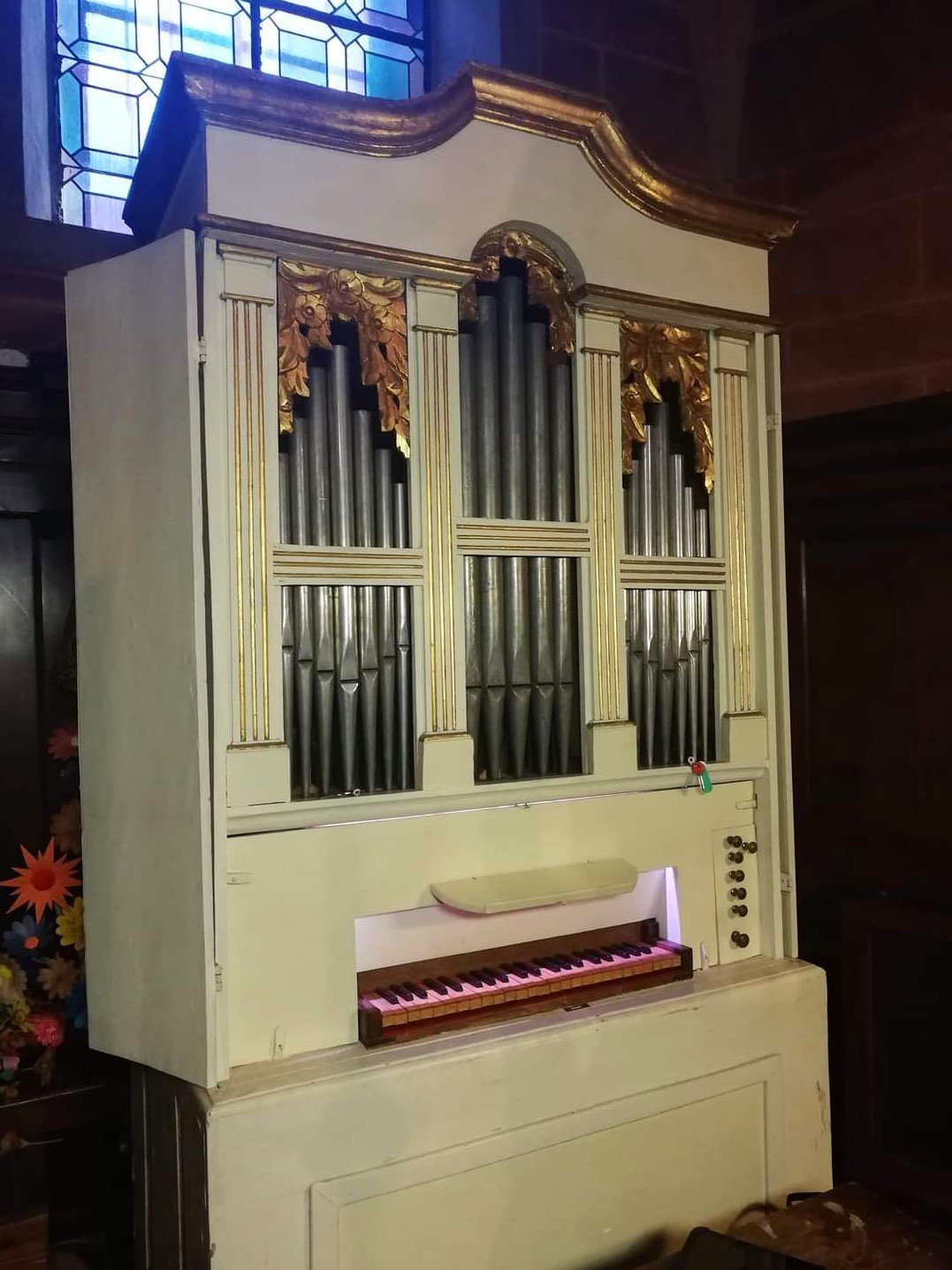
San Francesco is celebrated for its 14th–16th century frescoes, many of which depict Franciscan saints and biblical scenes. Restoration projects have preserved these masterpieces, providing insight into Lombard painting and the evolution of religious art in northern Italy. The site also features heraldic stones and Baroque altarpieces, testifying to the patronage of local noble families (Bergamo Tours).
San Francesco in Bergamo’s Urban and Cultural Landscape
Set in the medieval core of Città Alta, San Francesco is both a historical anchor and a cultural bridge connecting Bergamo’s past and present. Its proximity to major landmarks and integration into the Museo delle Storie di Bergamo network make it central to experiencing the city’s artistic and civic identity (Waypoint Wonder).
Frequently Asked Questions (FAQ)
Q: What are San Francesco’s visiting hours?
A: Wednesday to Sunday, 10:00 AM – 6:00 PM (last entry 5:00 PM); closed Monday and Tuesday.
Q: How much do tickets cost?
A: Standard €11; discounts for students, families, and groups. Cloister entry is free.
Q: Is the site accessible for visitors with disabilities?
A: Main areas are accessible; contact the museum for specific needs.
Q: Are guided tours available?
A: Yes, in Italian and English. Book in advance.
Q: Can I take photos?
A: Photography is allowed without flash or tripods in most areas.
Q: What is the best time to visit?
A: Spring and autumn for mild weather; weekdays for fewer crowds.
Listen to the full story in the app
The whole San Francesco,
told well.
Audio guides for 1,100+ cities across 96 countries. History, stories, and local insight — offline ready.
Verified, and shown.
Researched and written by the Audiala editorial team from historical records, architectural archives, and local expertise.
Researched from Wikidata, Wikipedia & official sources · fact-checked · How we make our guides →