Introduction to Piazza Mercato delle Scarpe
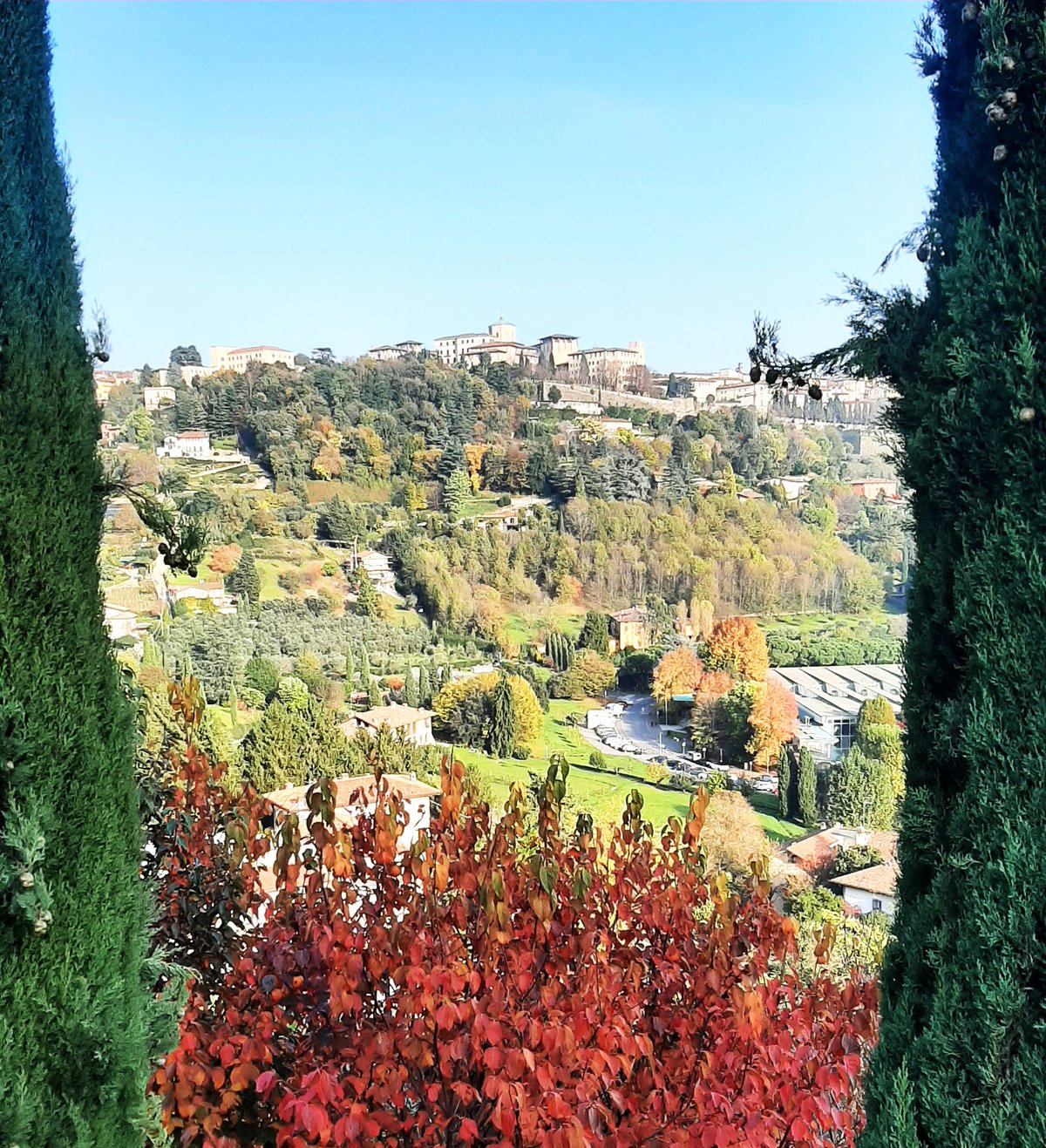
Piazza Mercato delle Scarpe, located in Bergamo's Città Alta (Upper Town), stands as a remarkable historical and cultural landmark. Known as 'Shoes Market Square,' the piazza has its roots in the medieval era, dating back to around 1430 when it served as a bustling marketplace for shoes. This historical function is a testament to the square's enduring role in Bergamo's local economy and its strategic importance as a meeting point for merchants and travelers. The square's significance was further enhanced during the 15th century when Bergamo came under Venetian rule. The Venetians undertook extensive urban development projects, including the construction of defensive walls that now encircle Città Alta, a UNESCO World Heritage Site (Visit Bergamo).
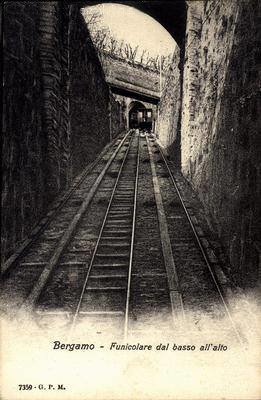
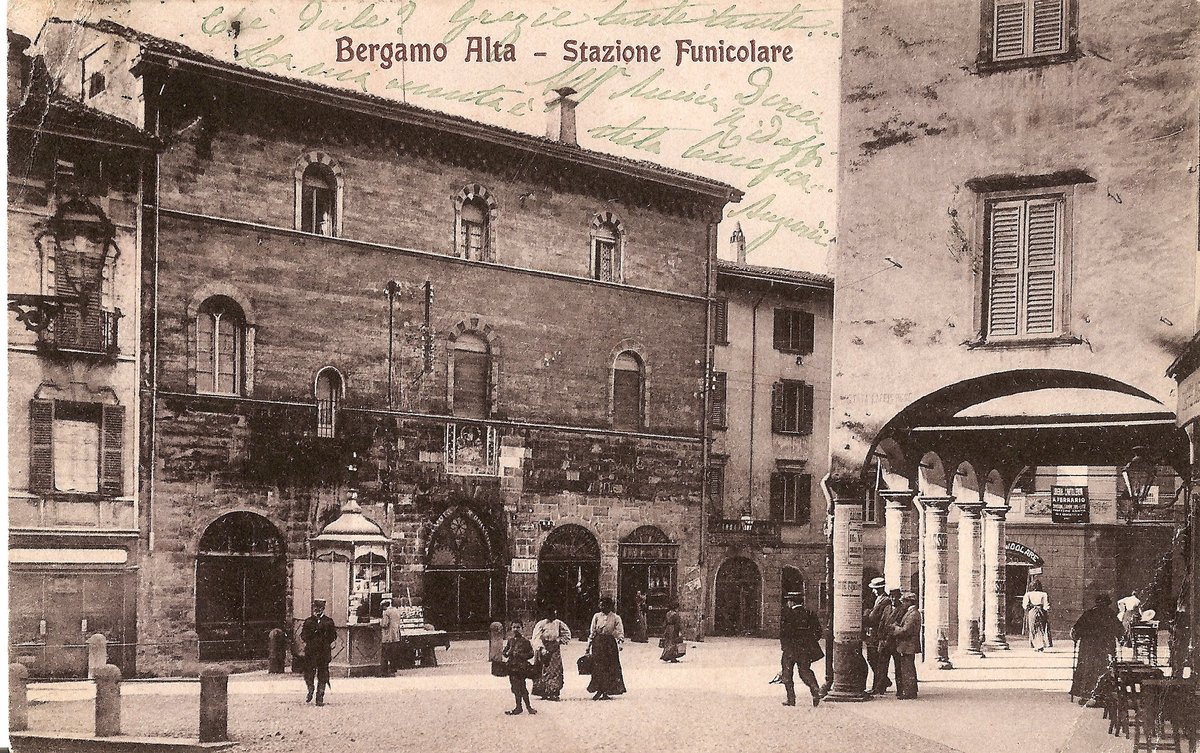
The introduction of the funicular railway in 1887 marked a transformative period for Piazza Mercato delle Scarpe. Connecting the lower town (Città Bassa) with the upper town, the funicular made the square a vital transit point, further integrating Bergamo's historical and modern parts. Today, the funicular station, housed in the former shoemakers' guild building, offers a scenic journey through the ancient Venetian walls, providing breathtaking views of the Po plain and the Apennines (Viaggio Magazine). The square's cultural significance is underscored by its proximity to other historical landmarks such as the Rocca Museum and the Gombito Tower, making it a living museum of Bergamo's rich past (Italia.it).
This comprehensive guide aims to provide a detailed exploration of Piazza Mercato delle Scarpe, covering its rich history, cultural significance, visitor information, travel tips, and more. Whether you're planning your visit or simply curious about this historical gem, this article will offer valuable insights to enhance your experience.
Photo Gallery
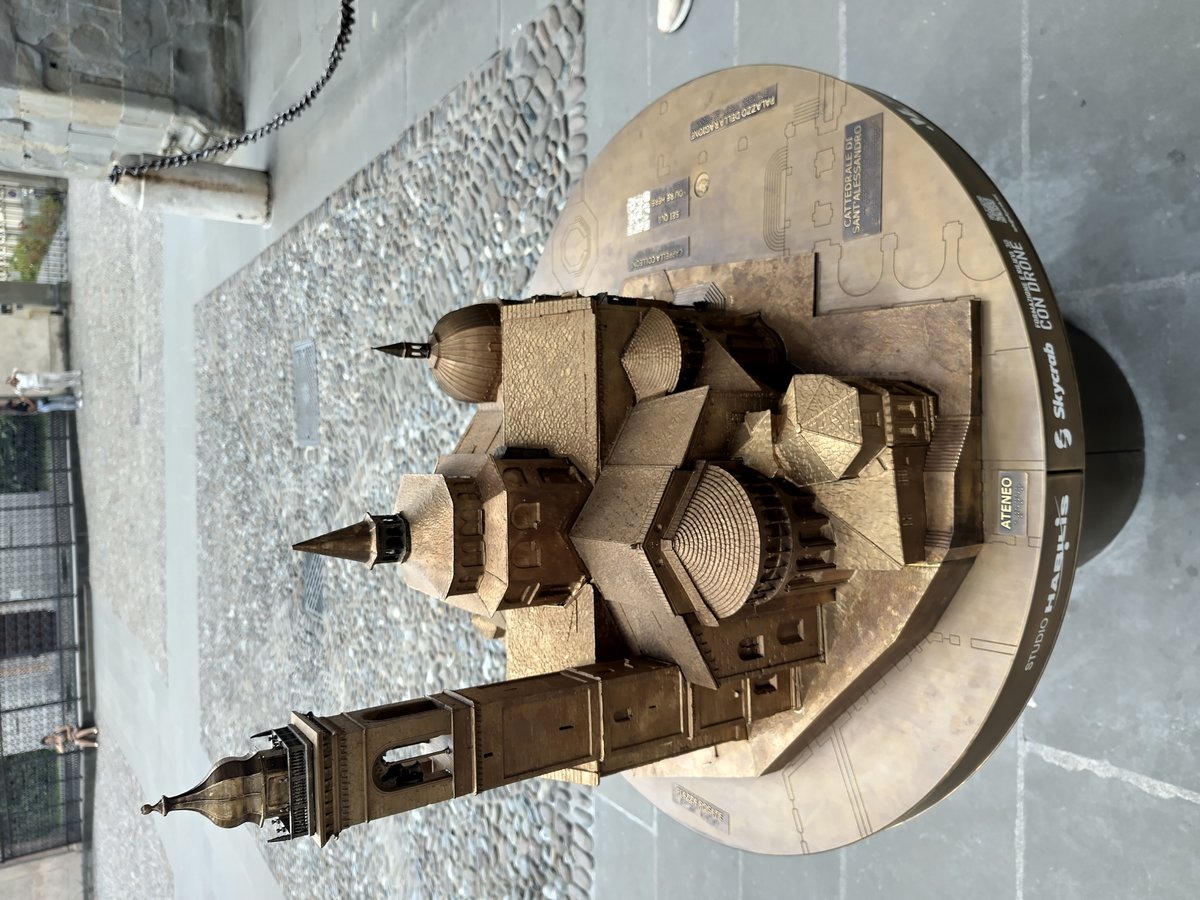
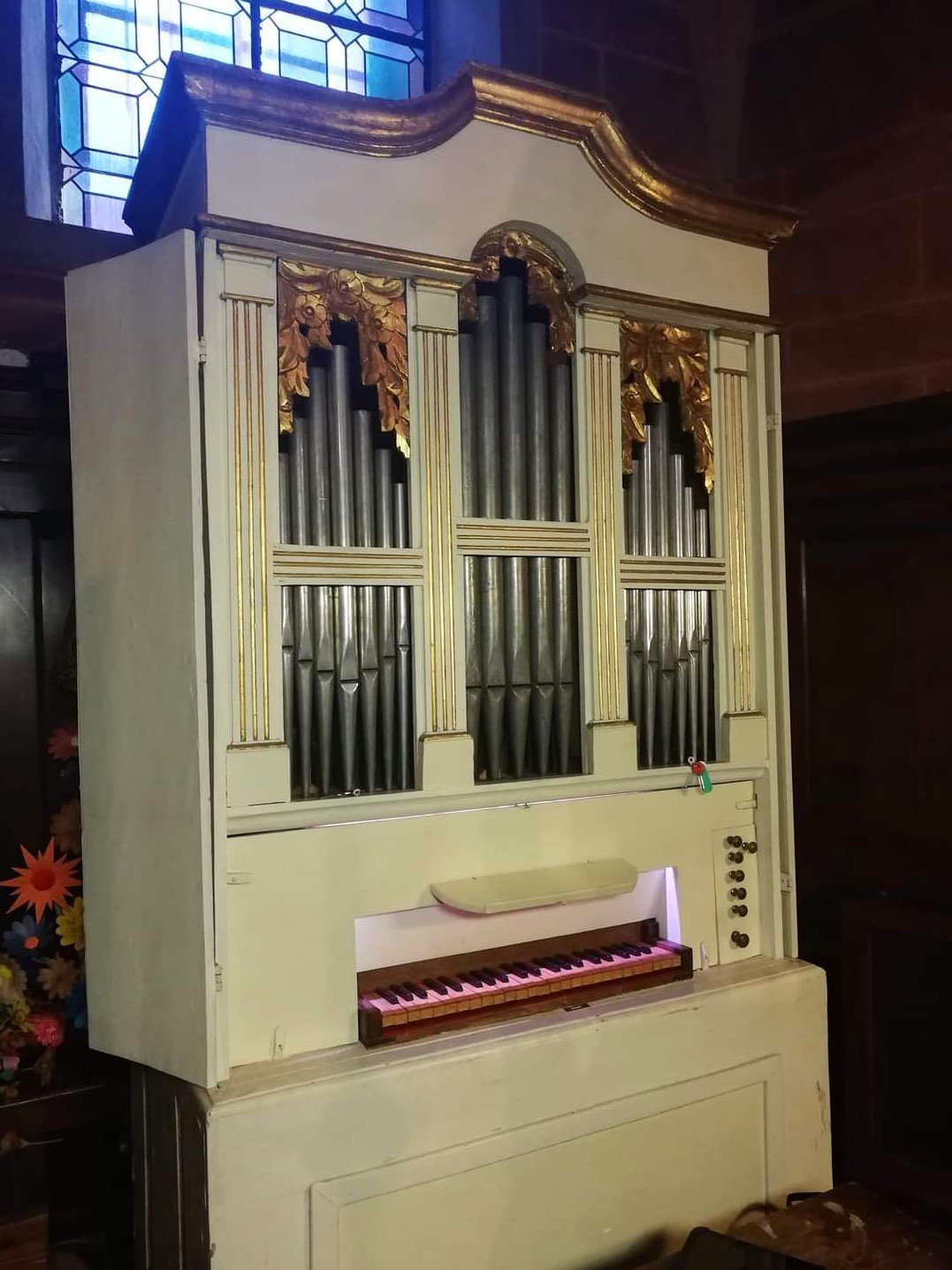
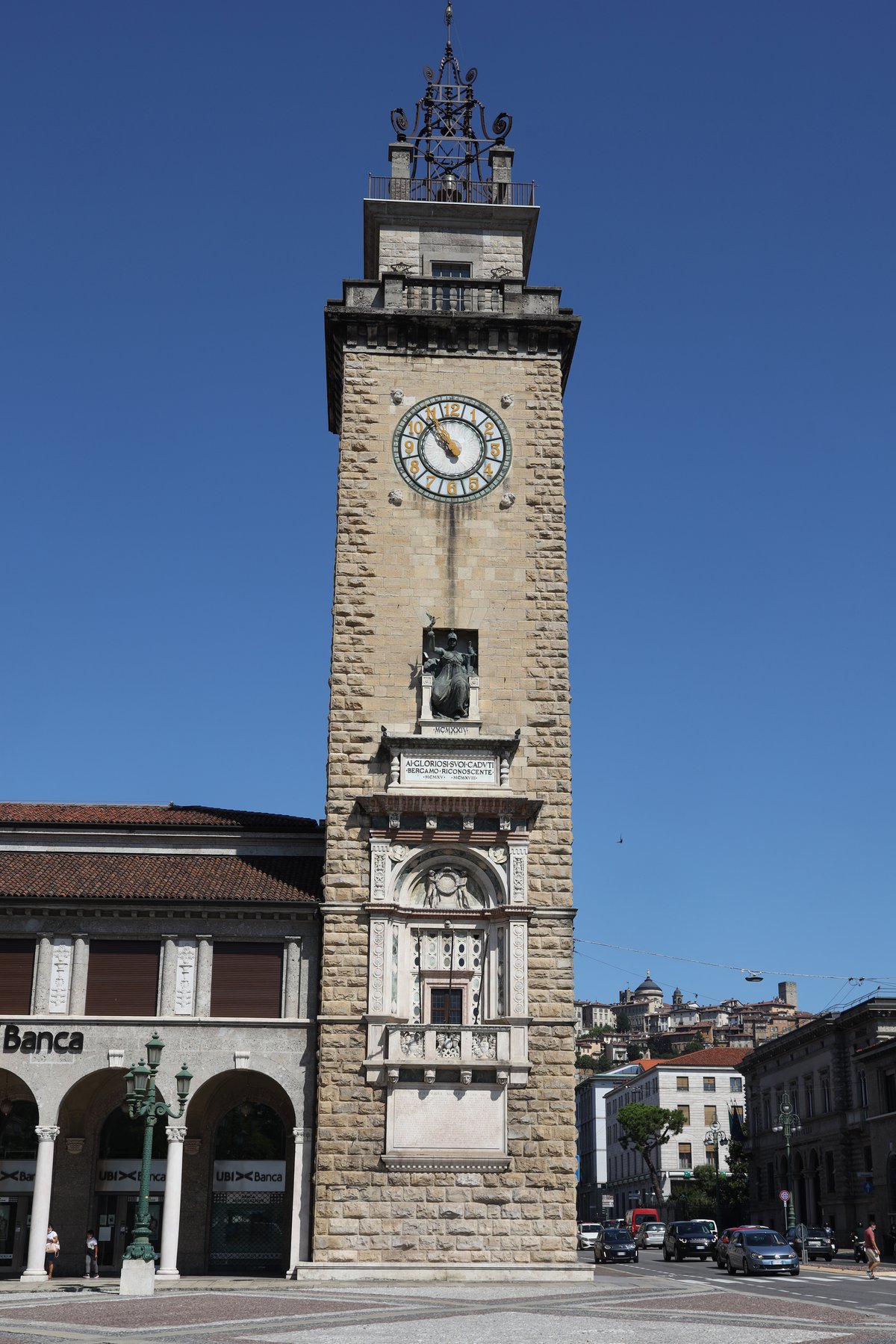
Explore Piazza Mercato Delle Scarpe in Pictures
Historical Background
Origins and Medieval Significance
Piazza Mercato delle Scarpe's origins date back to the medieval period, specifically around 1430, when it was established as a marketplace for shoes. This historical function is reflected in its name and underscores the square's long-standing role in the local economy (Visit Bergamo).
During this period, Bergamo was a significant urban center, strategically located on the trade routes between Venice and Milan. Piazza Mercato delle Scarpe was a crucial node in this network, serving as a meeting point for merchants and travelers. The roads from Venice to Milan converged here, making it a bustling hub of commercial activity (Viaggio Magazine).
Venetian Influence and Architectural Developments
In the 15th century, Bergamo came under the dominion of the Venetian Republic. The Venetians undertook extensive urban development projects, including the construction of imposing defensive walls around Città Alta. These walls, now a UNESCO World Heritage Site, significantly influenced the architectural landscape of the area, including Piazza Mercato delle Scarpe (Italia.it).
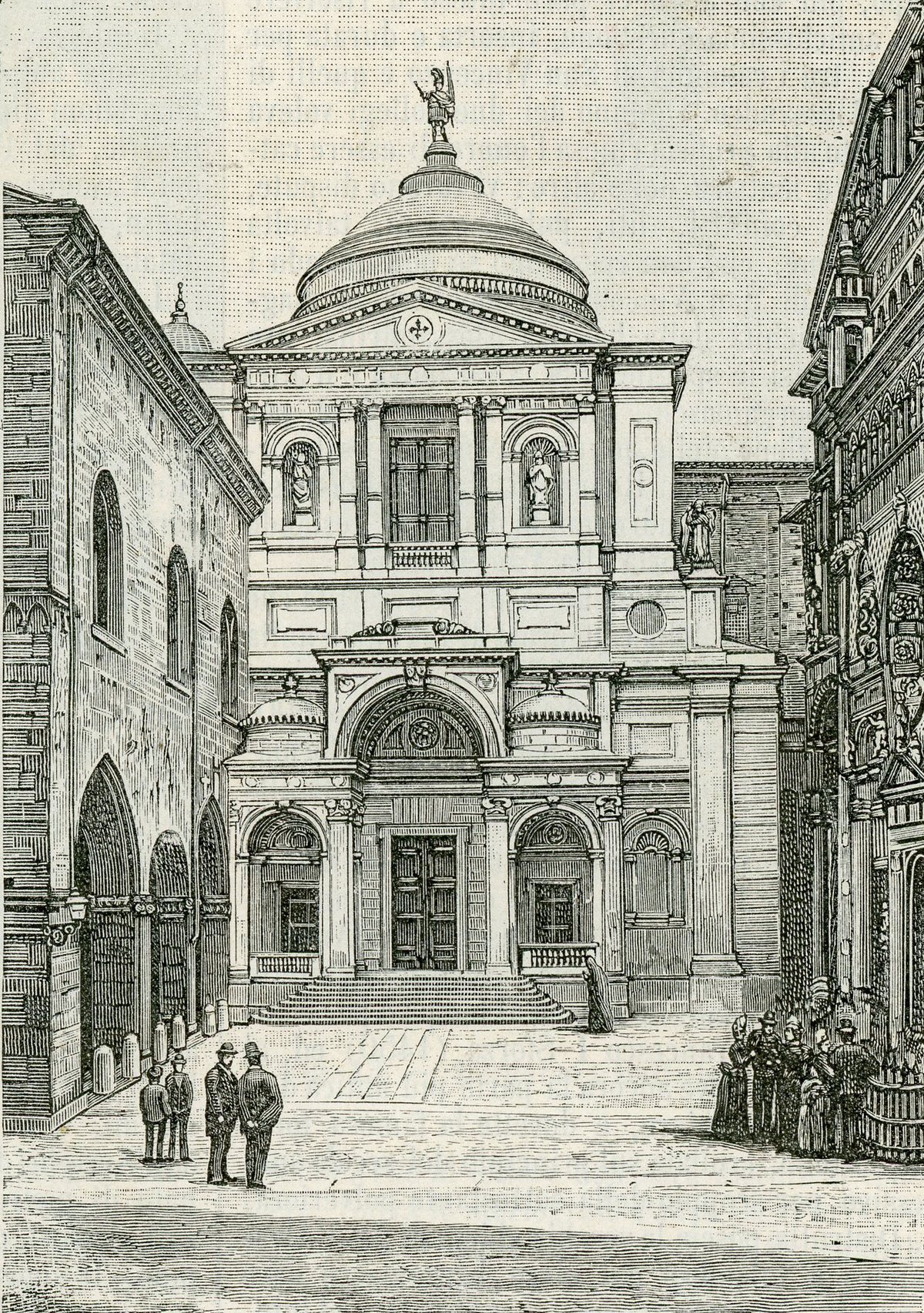
The square saw the construction of several important buildings during this period. The most notable among them is the headquarters of the shoemakers' guild, which still overlooks the square today. This building not only served as a commercial hub but also as a social and administrative center for the guild members (Visit Bergamo).
The Funicular and Modern Developments
The late 19th century marked a significant transformation for Piazza Mercato delle Scarpe with the introduction of the funicular railway. Constructed in 1887, the funicular connected the lower town (Città Bassa) with the upper town (Città Alta), making the square a vital transit point. This development not only facilitated easier access to Città Alta but also integrated the historical and modern parts of Bergamo (Viaggio Magazine).
The funicular station, housed in the former shoemakers' guild building, remains a beloved feature of Bergamo's public transport system. The two orange coaches of the funicular offer a scenic journey through the ancient Venetian walls, providing passengers with breathtaking views of the Po plain and the Apennines on clear days (Visit Bergamo).
Cultural and Social Significance
Piazza Mercato delle Scarpe has always been more than just a commercial center; it has been a focal point of social and cultural life in Bergamo. The square has witnessed numerous historical events and has been a gathering place for the local community for centuries. Its strategic location and historical buildings make it a living museum of Bergamo's rich past (Italia.it).
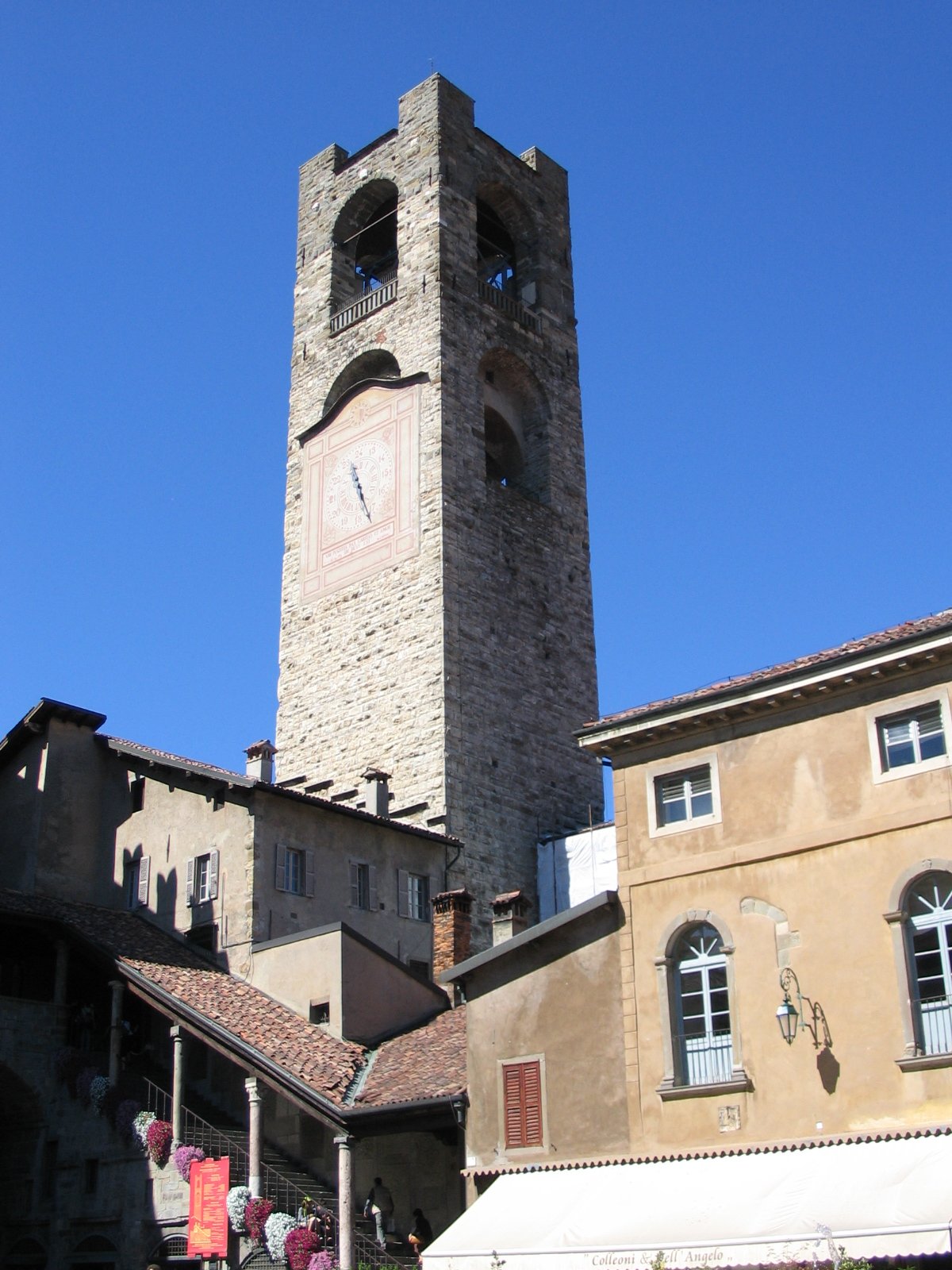
The square's cultural significance is further highlighted by its proximity to other historical landmarks in Città Alta. For instance, the nearby Rocca Museum, housed in a 14th-century fortress, offers panoramic views and exhibits on Bergamo's history. Additionally, the Gombito Tower, dating back to at least the 12th century, stands as a testament to the city's medieval architectural prowess (Nomads Travel Guide).
Visitor Information
Visiting Hours and Tickets
Piazza Mercato delle Scarpe is open to the public 24 hours a day, year-round. However, the funicular operates on a specific schedule, typically from early morning until late evening. Tickets for the funicular can be purchased at the station, with options for single rides or day passes. Prices are affordable, making it a convenient option for tourists.
Accessibility
The square is accessible to visitors of all mobility levels. The funicular is equipped to accommodate wheelchairs, and the cobblestone streets, while historic, are navigable with some care. Visitors are encouraged to wear comfortable walking shoes to fully enjoy the exploration of Città Alta.
Visitor Tips
- Use the Funicular: The funicular ride from Città Bassa to Città Alta is not only convenient but also offers stunning views of the city and surrounding landscapes. The funicular station is located right in the square, making it an ideal starting point for your exploration (Visit Bergamo).
- Explore Nearby Landmarks: Take the time to visit nearby historical sites such as the Rocca Museum and the Gombito Tower. These landmarks provide deeper insights into Bergamo's history and offer panoramic views of the city (Nomads Travel Guide).
- Enjoy Local Cuisine: Bergamo is known for its rich culinary traditions. After exploring the square, indulge in local delicacies at nearby restaurants and cafes. Don't miss out on trying traditional dishes like casoncelli (stuffed pasta) and polenta (Italia.it).
- Plan Your Visit: To make the most of your visit, consider planning your trip around local events and festivals. Bergamo hosts various cultural events throughout the year, providing a unique opportunity to experience the city's vibrant culture (Italia Like a Local).
Special Events and Guided Tours
Bergamo's Città Alta frequently hosts special events, including historical reenactments, festivals, and markets. Guided tours are also available, offering in-depth insights into the history and significance of Piazza Mercato delle Scarpe and its surroundings. These tours can be booked in advance through local tourism websites or at the tourist information center in Bergamo.
Photographic Spots
For photography enthusiasts, Piazza Mercato delle Scarpe offers numerous picturesque spots. The blend of medieval architecture, cobblestone streets, and the scenic views from the funicular make it a perfect location for capturing the essence of Bergamo. Early morning or late afternoon light provides the best conditions for stunning photographs.
Preservation and Tourism
Today, Piazza Mercato delle Scarpe is a well-preserved historical site that attracts numerous tourists. Its cobblestone streets, medieval buildings, and the funicular station offer a unique blend of history and modernity. The square serves as a starting point for many walking tours of Città Alta, allowing visitors to explore the rich heritage of Bergamo (Viaggio Magazine).
Efforts to preserve the historical integrity of Piazza Mercato delle Scarpe are ongoing. The local government and various cultural organizations work together to maintain the square's architectural heritage while accommodating modern amenities for tourists. These efforts ensure that the square remains a vibrant and integral part of Bergamo's cultural landscape (Italia.it).
FAQ Section
Q: What are the visiting hours for Piazza Mercato delle Scarpe? A: The square is open to the public 24/7, but the funicular operates from early morning until late evening.
Q: How much do funicular tickets cost? A: Funicular tickets are affordable, with options for single rides and day passes available at the station.
Q: Is Piazza Mercato delle Scarpe accessible for visitors with disabilities? A: Yes, the funicular and the square are accessible to visitors with disabilities. The cobblestone streets require some care, but they are navigable.
Q: What nearby attractions should I visit? A: Nearby attractions include the Rocca Museum and the Gombito Tower, both offering rich historical insights and panoramic views.
Q: Are there guided tours available? A: Yes, guided tours are available and can be booked through local tourism websites or at the tourist information center.
Listen to the full story in the app
Your Personal Curator, in Your Pocket.
Audio guides for 1,100+ cities across 96 countries. History, stories, and local insight — offline ready.
Audiala App
Available on iOS & Android
Join 50k+ Curators
Sources
- verified
- verified
- verified
- verified
- verified
- verified
- verified
- verified
Last reviewed: