Introduction to Palazzo Terzi
Palazzo Terzi, nestled in the heart of Bergamo’s Città Alta, is one of the city’s most captivating historical treasures. This 16th-century palace is a distinguished example of Baroque architecture, renowned for its elaborate decorations, grand staircases, and magnificent frescoes. Originally the residence of the influential Terzi family, the palazzo has witnessed centuries of social, economic, and artistic development. Today, it stands as a monument to the opulence and creativity of its era, drawing visitors from around the globe to experience its lavish interiors and breathtaking views (dimorestoricheitaliane.it, visitbergamo.net). This guide covers everything you need to know for an enriching visit, from historical context and architectural highlights to practical travel tips and nearby attractions.
Photo Gallery
Explore Palazzo Terzi in Pictures
Origins and Early Development
The origins of Palazzo Terzi trace back to the 16th century, when the noble Terzi family began establishing their residence in Bergamo. The initial phase of construction was led by Vincenzo Terzi, who expanded existing structures and laid the foundations for the palazzo’s future grandeur. Archival documents, now preserved in the Angelo Mai Civic Library, provide evidence of these early developments (dimorestoricheitaliane.it).
Architectural Evolution
Palazzo Terzi underwent significant construction and expansion over approximately 150 years, from 1630 to 1770. The first major building phase followed the marriage of Marquise Luigi Terzi to Paola Roncalli in 1631, resulting in the creation of the façade and southern wing. A subsequent phase, marked by the marriage of Marquise Gerolamo Terzi to Giulia Alessandri, brought the enlargement of the palazzo and enhancements to the surrounding square, further amplifying its prominence (visitbergamo.net).
Baroque Influence and Artistic Contributions
The palazzo’s Baroque character flourished in the 18th century under architect Filippo Alessandri, who skillfully integrated the building with its environment. The interiors feature a harmonious blend of 17th- and 18th-century artistic styles, with frescoes by Barbello, elegant rooms by Storer, and refined furnishings. Noteworthy contributions by artists such as Giovanni Battista Tiepolo and Carpoforo Tencalla elevate the palazzo’s artistic heritage. The Hall of Mirrors, Red Hall, and Hall of Honour exemplify the "Barocchetto" style, reflecting the height of noble sophistication (visitbergamo.net).
Cultural and Historical Significance
Palazzo Terzi is widely regarded as Bergamo’s preeminent example of Baroque architecture. The residence stands as a symbol of the Terzi family’s social and economic influence and the evolving tastes of the era. Its seamless integration with the city and exceptional interior decoration make it a landmark of historical and artistic importance (dimorestoricheitaliane.it).
Visitor Information
Visiting Hours and Tickets
Palazzo Terzi is accessible to visitors exclusively through guided tours, which must be reserved in advance. These tours are typically available for groups of 15 or more, but smaller groups can also book for a flat fee. Admission details are as follows:
- General Admission: €7 per person
- Small Group Flat Rate: €100 (for groups under 15)
- Special Packages: Tours with aperitifs, lunches, or dinners available upon request
For the most current hours and booking information, consult the official website or contact the administration directly (visitbergamo.net).
Guided Tours
Guided tours are offered in multiple languages and provide deep insights into the palazzo’s history and artistic treasures. Advance booking is highly recommended to secure your preferred date and time (livetheworld.com).
Best Time to Visit
The ideal time to visit Palazzo Terzi and Bergamo is from late spring through summer, when the weather is pleasant and the city hosts various festivals. Early spring and late autumn also offer fewer crowds and lower prices, though spring can bring occasional rain (usebounce.com).
Getting There
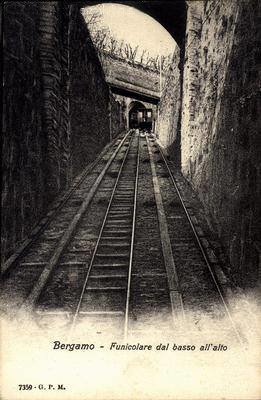
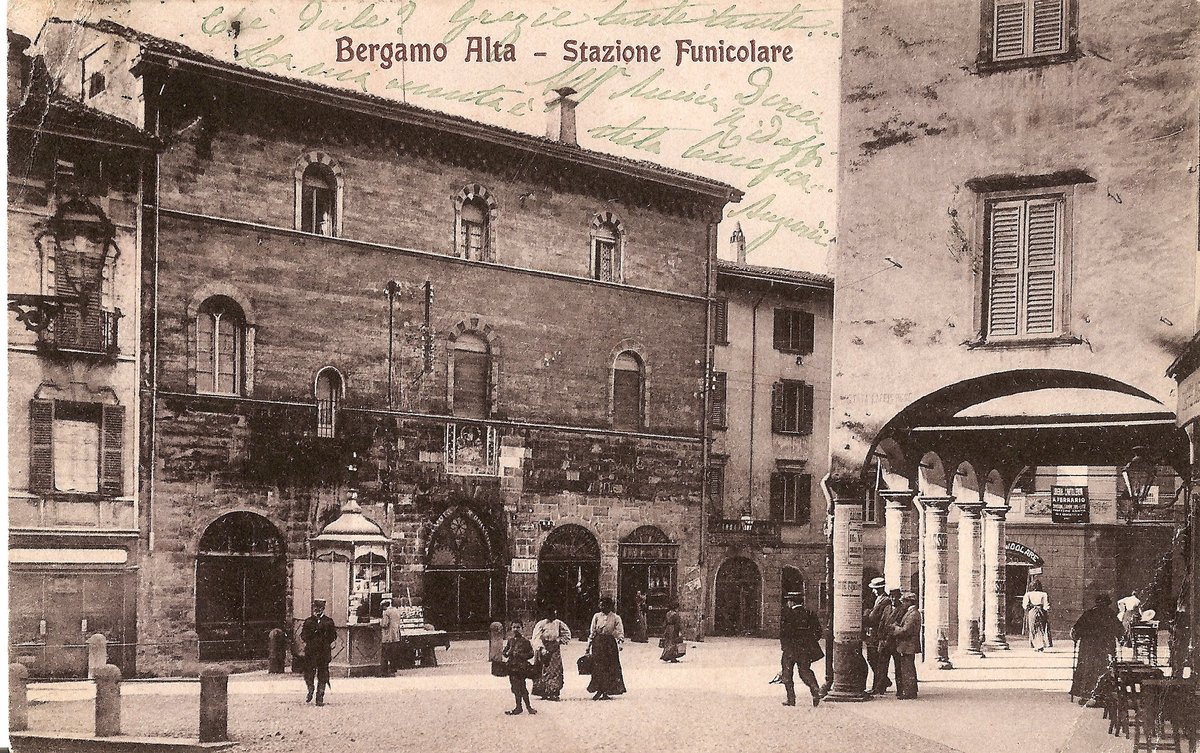
Bergamo is conveniently served by Orio al Serio International Airport, with easy bus connections to the city center. From the train station, visitors can reach Città Alta by funicular, which offers scenic views and direct access to the historic upper town where Palazzo Terzi is located (usebounce.com).
Notable Features and Artistic Highlights
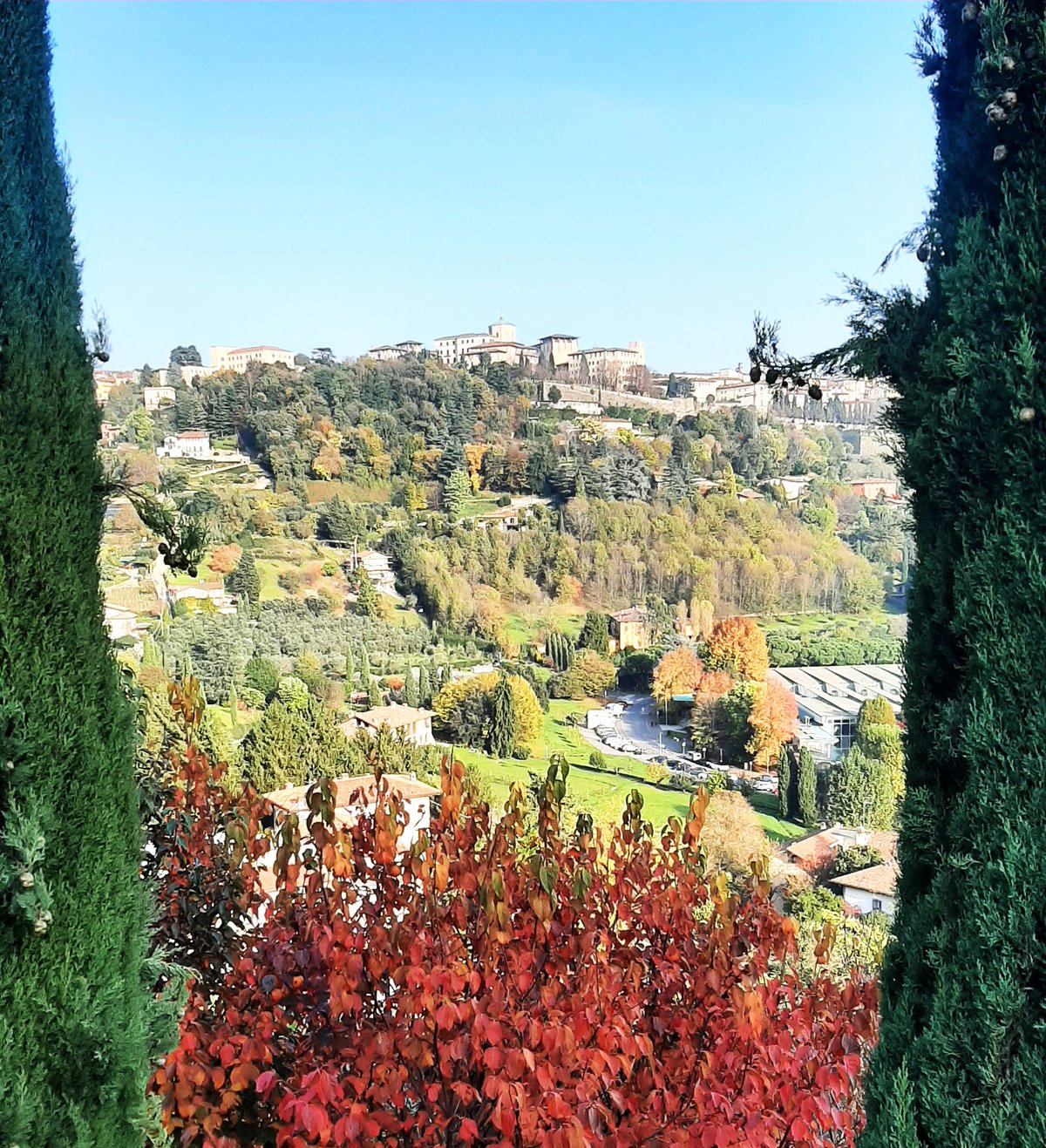
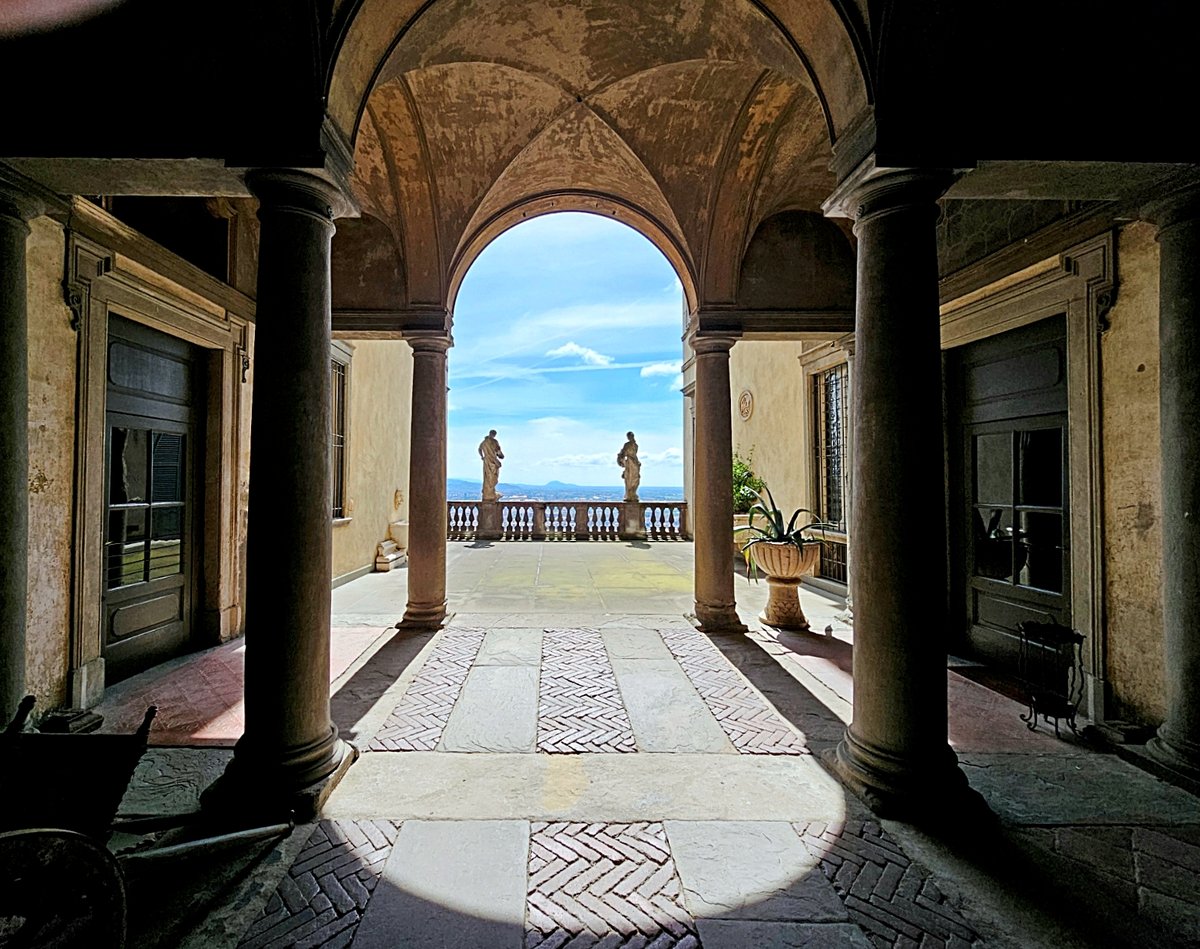
Palazzo Terzi’s interiors are adorned with outstanding artistic works. The Reception Hall features a monumental fireplace, while the Hall of Mirrors and a series of frescoed rooms by Barbelli and Tencalla are decorated with elegance and sophistication. The terraced gardens, arranged on multiple levels, provide breathtaking views over Bergamo and the Po Valley. Notable highlights include:
- Sala del Tiepolo: Featuring artwork attributed to Giovanni Battista Tiepolo
- Four Putti Representing the Seasons: Sculptures by Giovanni Antonio Sanz
- Frescoed Rooms: By Barbello, Storer, and others
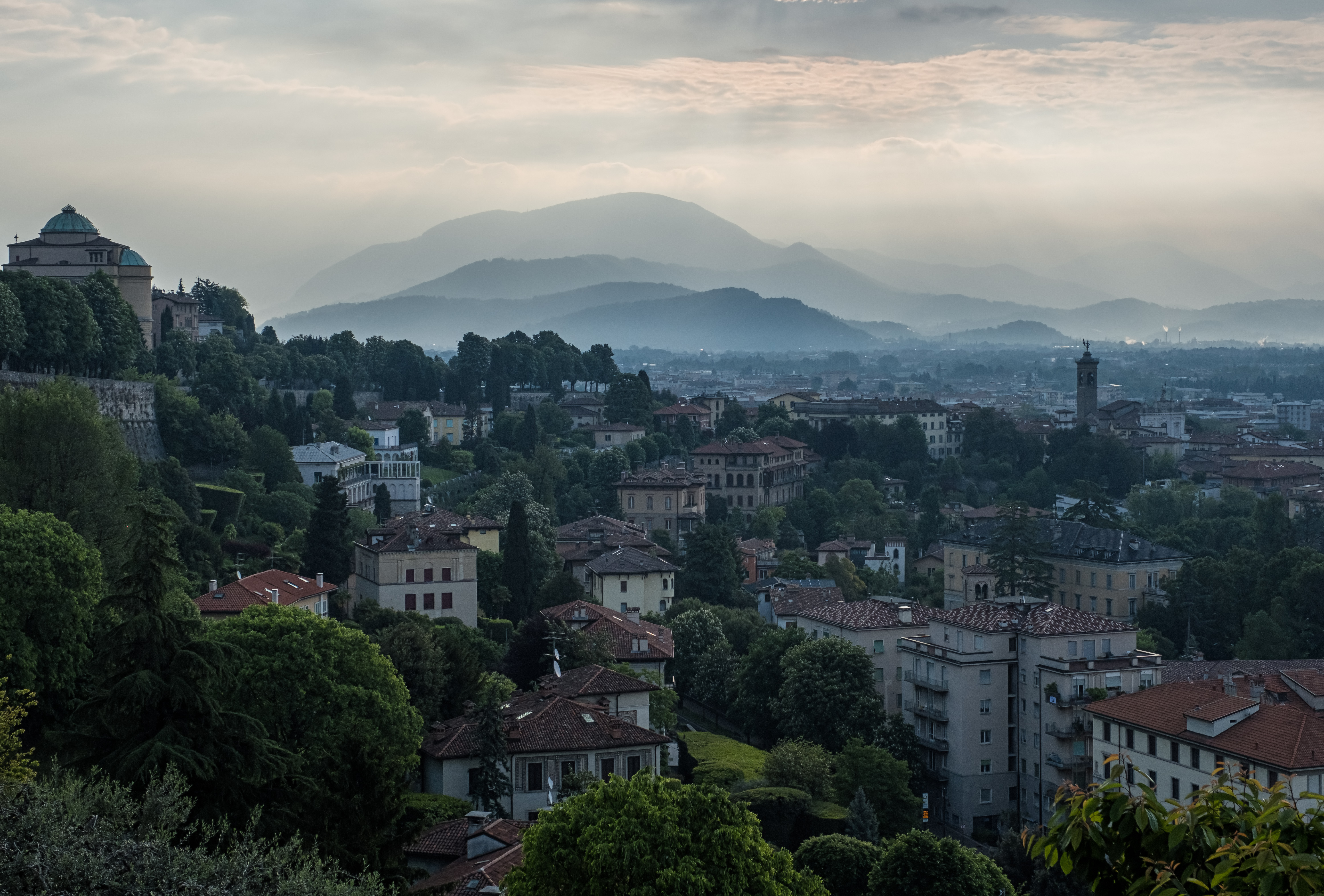
- Terraced Garden: Offers panoramic vistas and a tranquil atmosphere (donizetti.org, in-lombardia.it)
Nearby Attractions
While at Palazzo Terzi, consider exploring these additional sites in Bergamo’s Città Alta:
- Piazza Vecchia: The historic civic square, home to the Palazzo della Ragione and Contarini Fountain, with architecture spanning Romanesque to Renaissance styles (artdistance.squarespace.com).
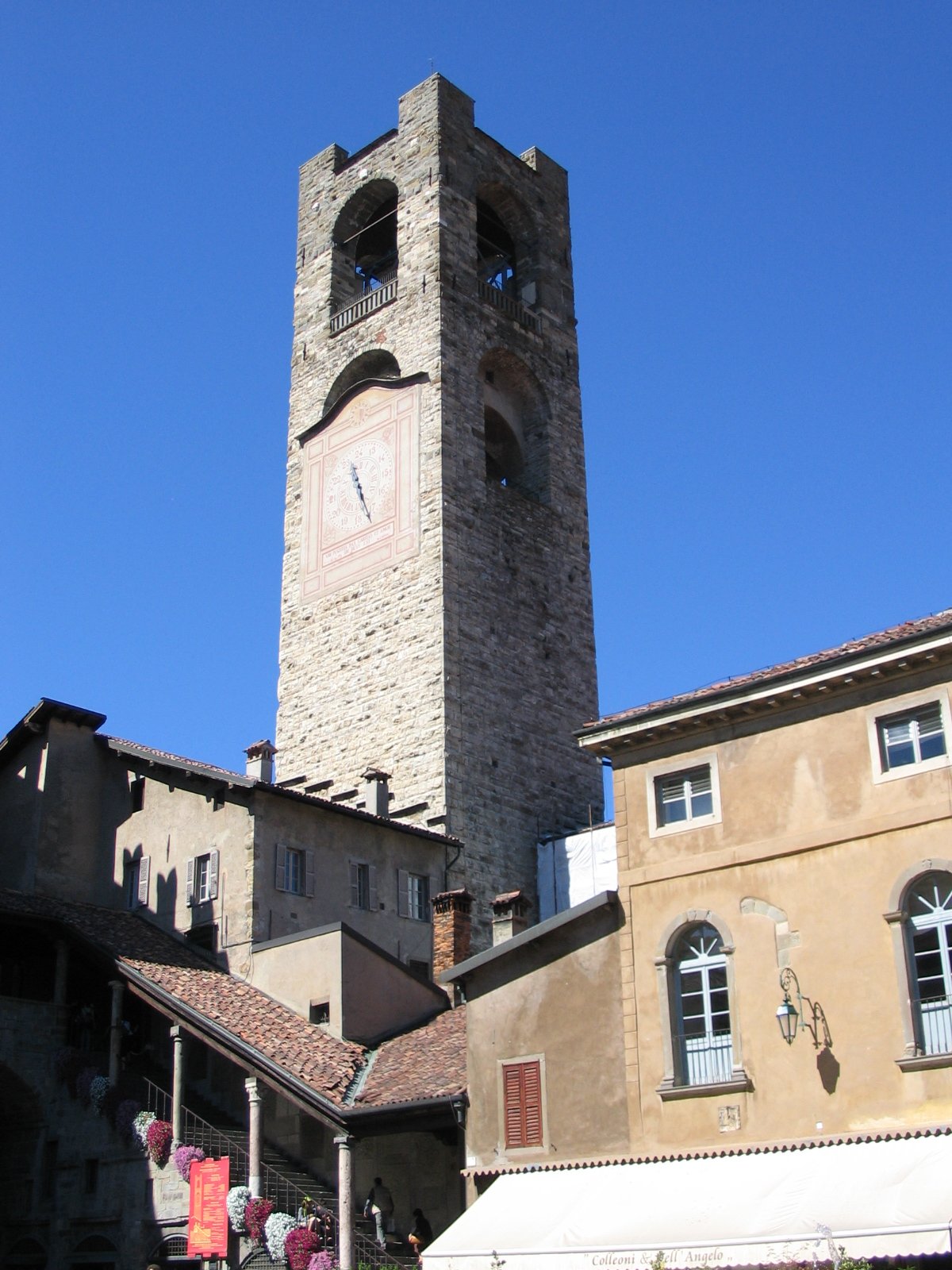
- Campanone (Torre Civica): A bell tower offering panoramic city views, accessible by stairs or lift.
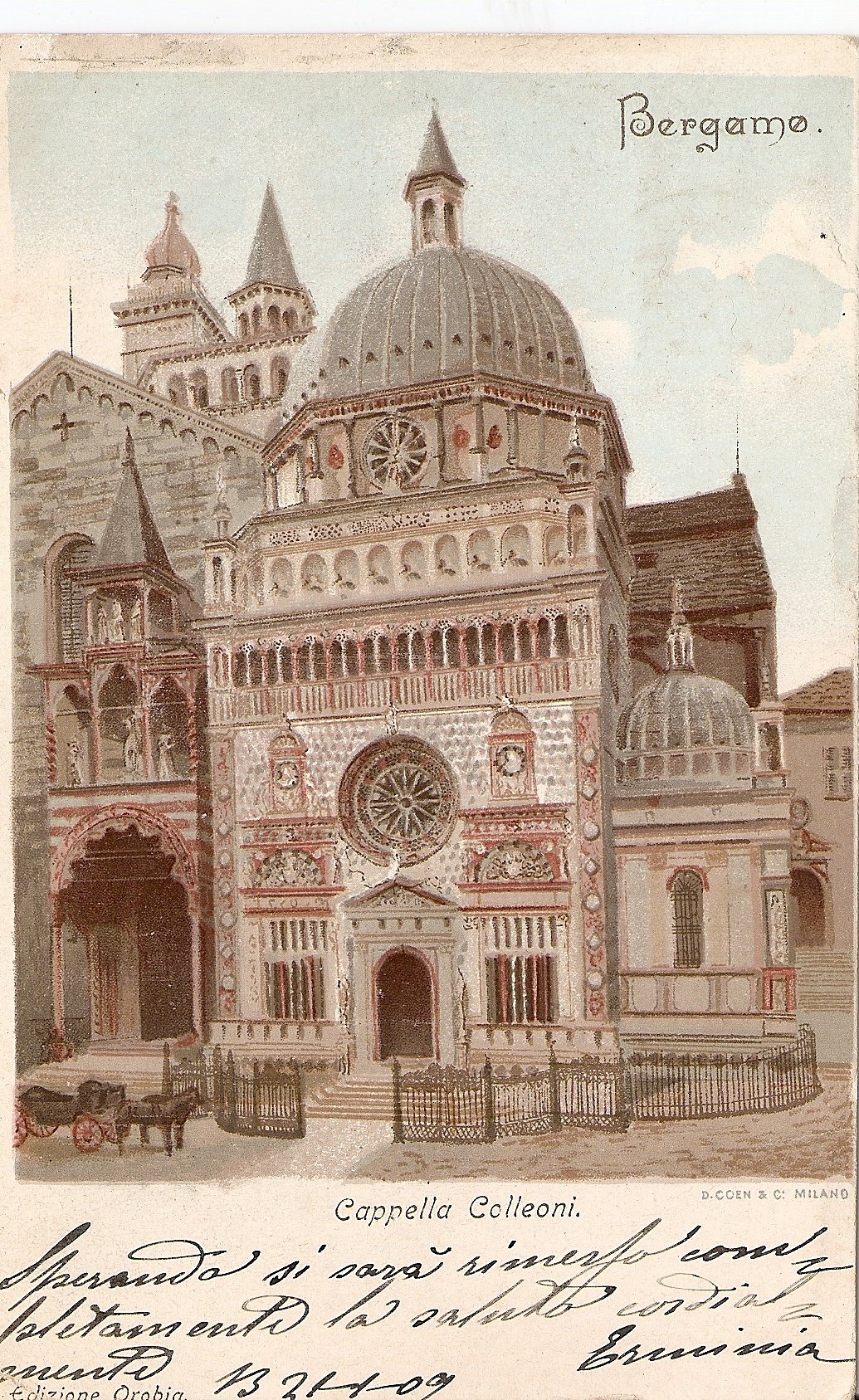
- Basilica di Santa Maria Maggiore: A 12th-century basilica famous for its frescoes, sculptures, and ornate interiors (italy-together.com).
- Accademia Carrara: An art gallery with a significant collection of Italian Renaissance masterpieces.
Practical Tips for Visitors
- Book in Advance: Guided tour slots are limited, so reserve early.
- Photography: Allowed in most areas, but observe any posted restrictions to protect sensitive artworks.
- Accessibility: The palazzo’s historic features include staircases and uneven surfaces; check with staff regarding accessibility options if needed.
- Dress Code: Wear modest, comfortable clothing and sturdy footwear due to cobblestones and stairs.
- Language: Tours are available in several languages; basic Italian greetings can enhance your experience.
- Dining: Traditional trattorias and cafes are abundant nearby; try local specialties like casoncelli and stracciatella cheese (shegoesthedistance.com).
- Accommodation: Options range from budget B&Bs to luxury hotels, with choices in both Città Alta and the lower town.
FAQ
What are the visiting hours for Palazzo Terzi?
Visiting is by guided tour only, typically by reservation. Check the official website for up-to-date schedules.
How much do tickets cost?
General admission is €7 per person; groups smaller than 15 pay a €100 flat rate. Special packages are available.
Are guided tours available?
Yes, tours are provided in multiple languages for groups or small parties (advance booking required).
Is Palazzo Terzi accessible for visitors with mobility issues?
Due to the building’s historic architecture, accessibility is limited. Inquire ahead for specific arrangements.
Can I take photos inside?
Photography is generally permitted but may be restricted in certain rooms—follow guide instructions.
Listen to the full story in the app
Your Personal Curator, in Your Pocket.
Audio guides for 1,100+ cities across 96 countries. History, stories, and local insight — offline ready.
Audiala App
Available on iOS & Android
Join 50k+ Curators
Sources
-
verified
Dimore Storiche Italiane
Palazzo Terzi
-
verified
Visit Bergamo
Palazzo Terzi
-
verified
Fondazione Donizetti
Visit Bergamo: Palazzo Terzi
-
verified
in Lombardia
Monuments in Bergamo: Palazzo Terzi
-
verified
Live the World
Palazzo Terzi
-
verified
Use Bounce
Best Time to Visit Bergamo
-
verified
She Goes the Distance
20 Things to Do in Bergamo: Ultimate Guide to Italy's Hidden Gem of the North
-
verified
Art Distance
The Best Things to Do in Bergamo, Italy: An Underrated Gem
-
verified
Italy Together
What to See Near Bergamo
Last reviewed: