
Origins and Construction
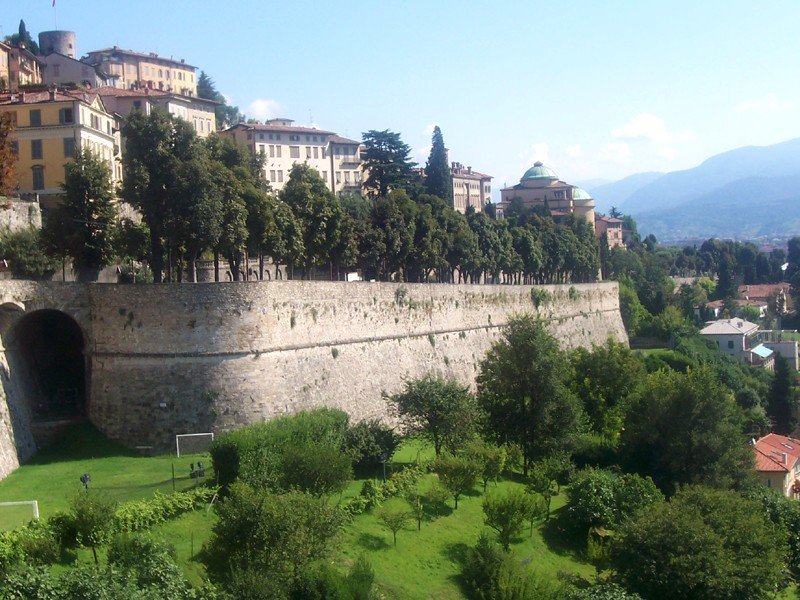
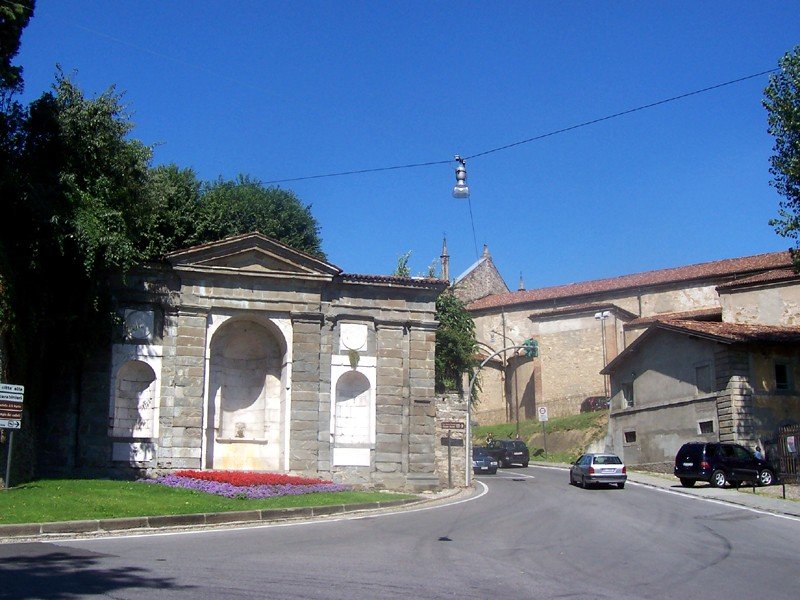
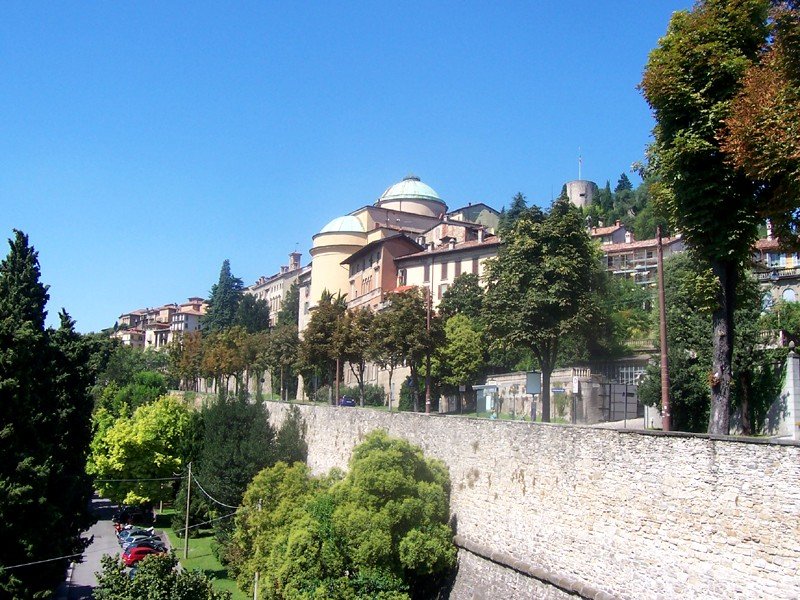
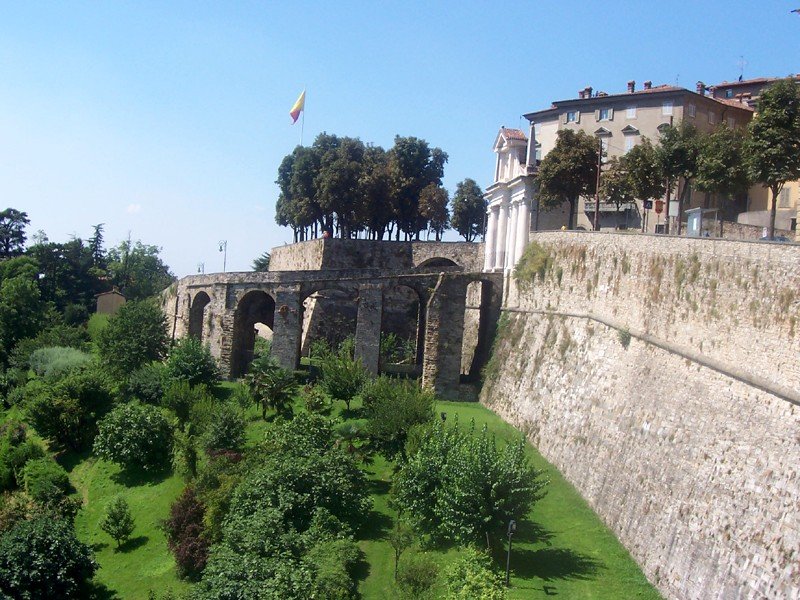
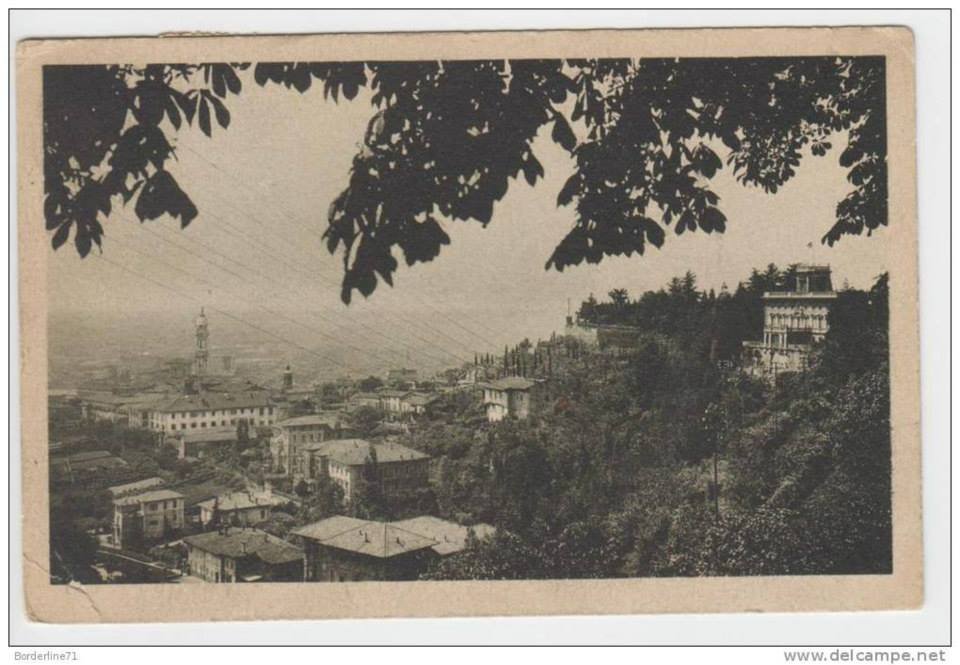
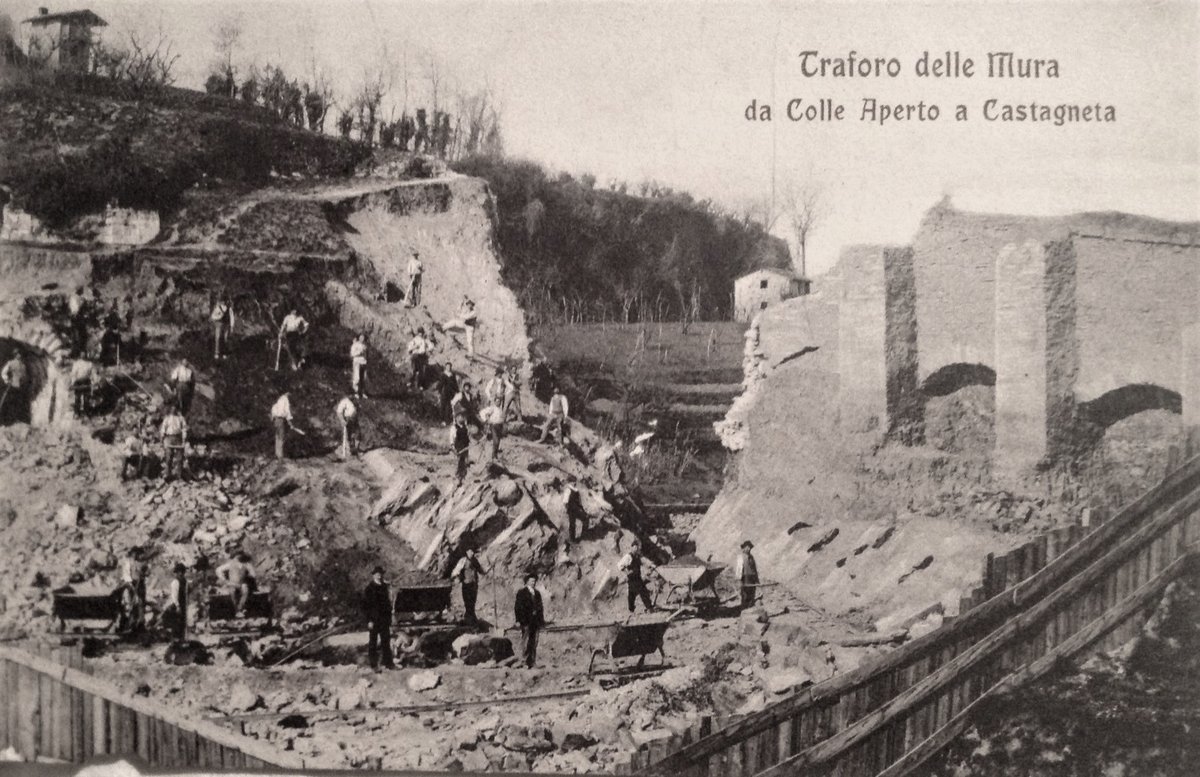
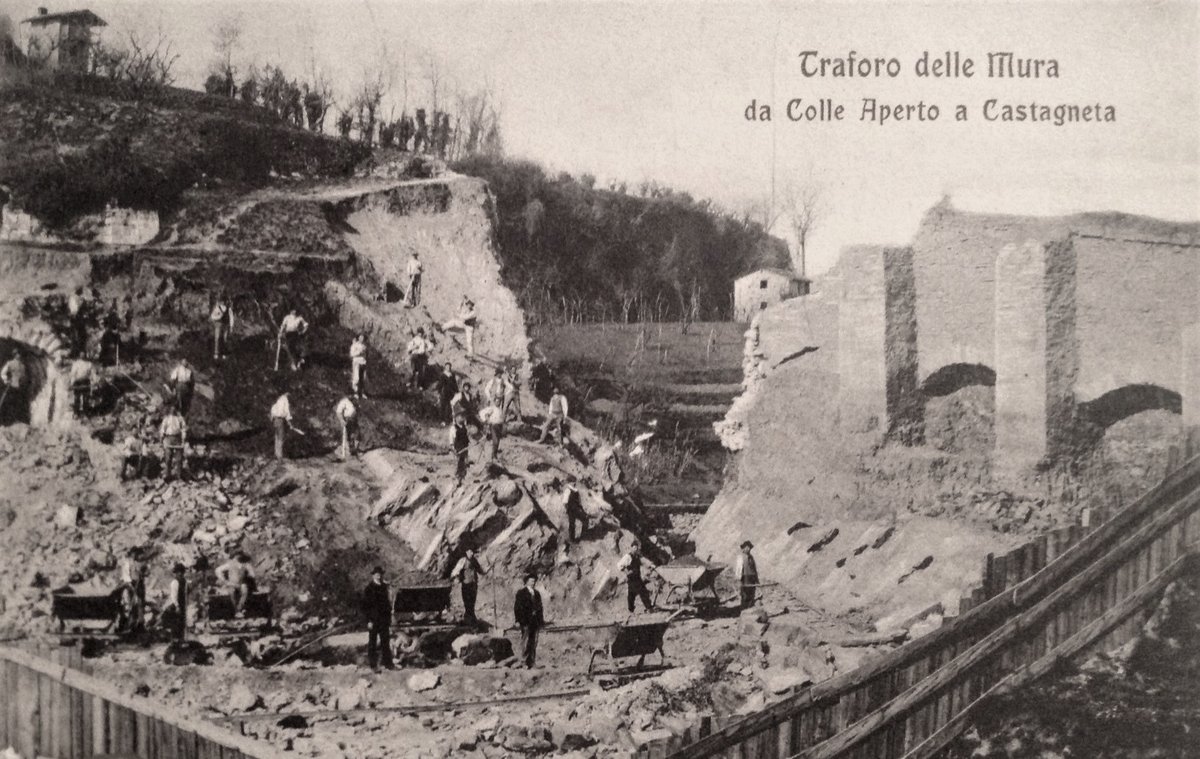
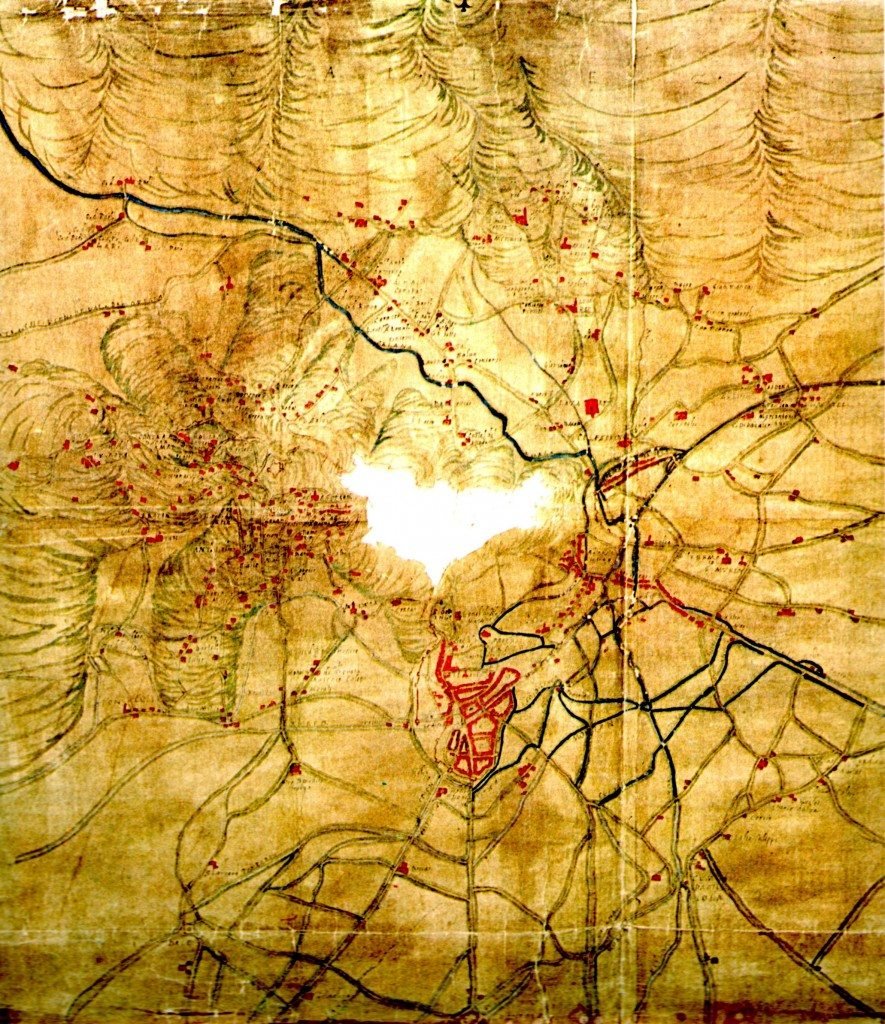
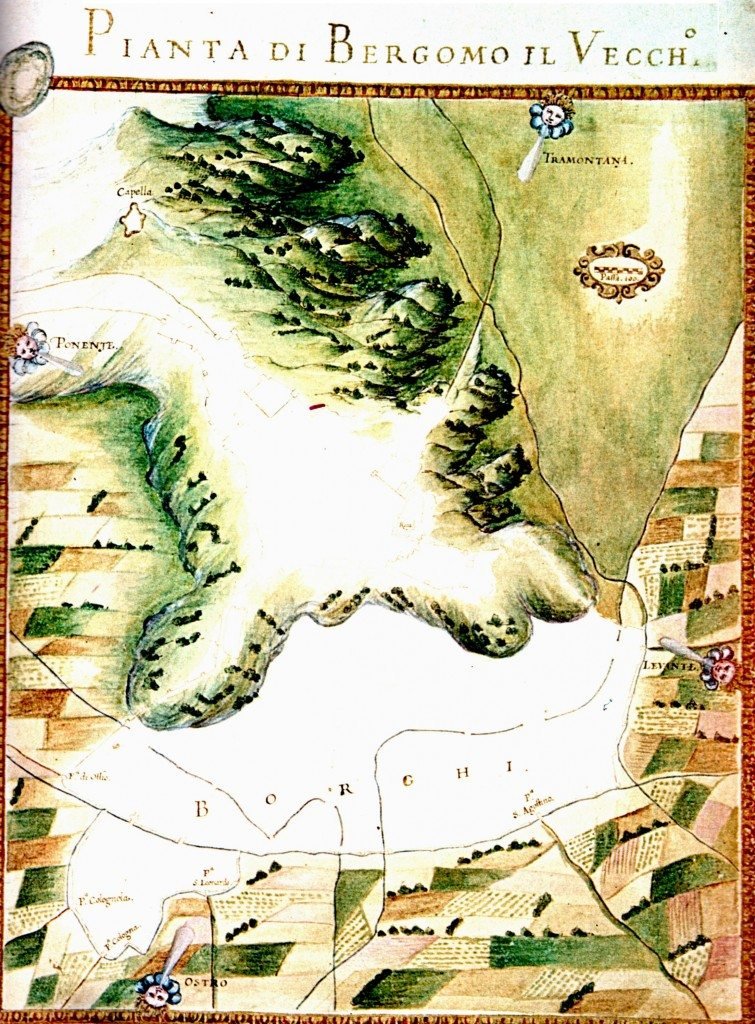
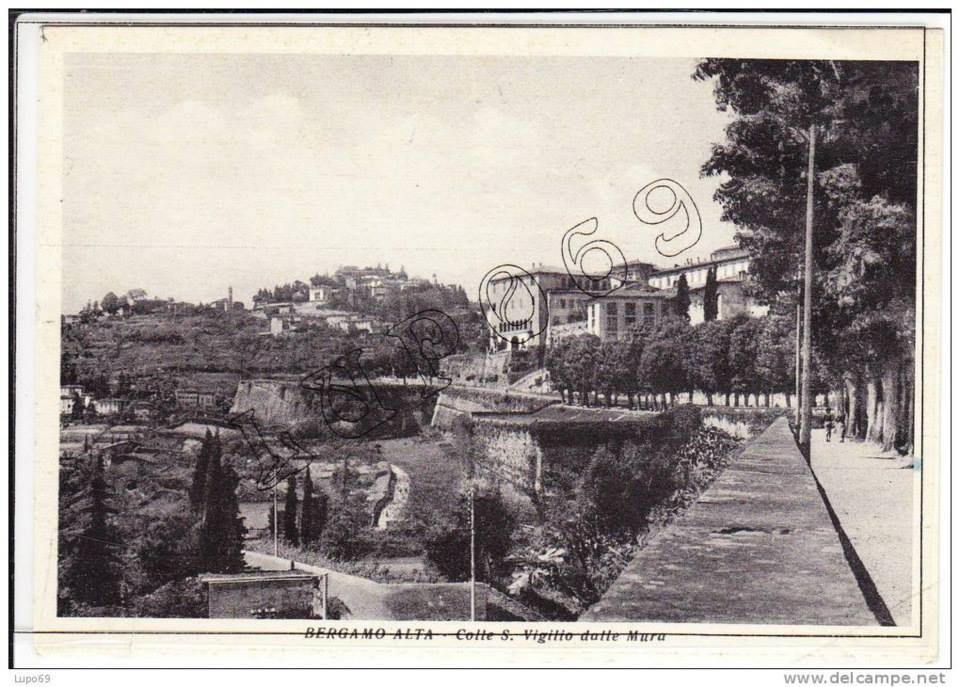
Viale delle Mura, located in Bergamo, Italy, traces the ancient Venetian walls encircling the upper city, known as Città Alta. The construction of these walls began in 1561 under the Republic of Venice. The primary purpose of the walls was to fortify the city against potential invasions, particularly from Spanish forces. The construction took over 27 years to complete, involving the demolition of numerous buildings, including churches and monasteries. The walls stretch for approximately 6 kilometers and include four gates: Porta San Giacomo, Porta Sant'Agostino, Porta Sant'Alessandro, and Porta San Lorenzo (Bergamo Tourism).
Architectural Features
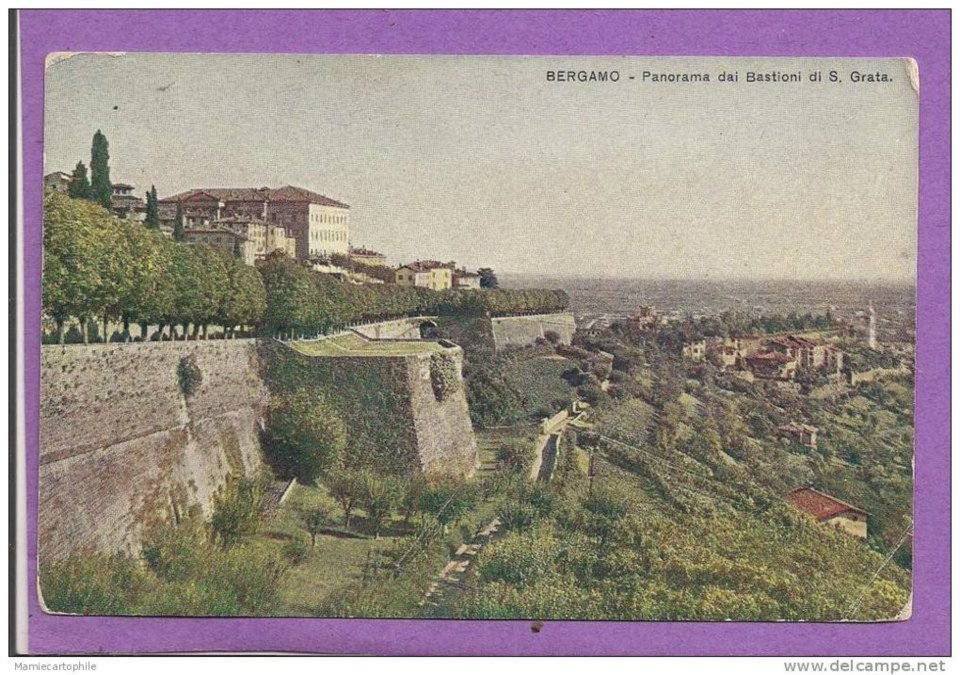
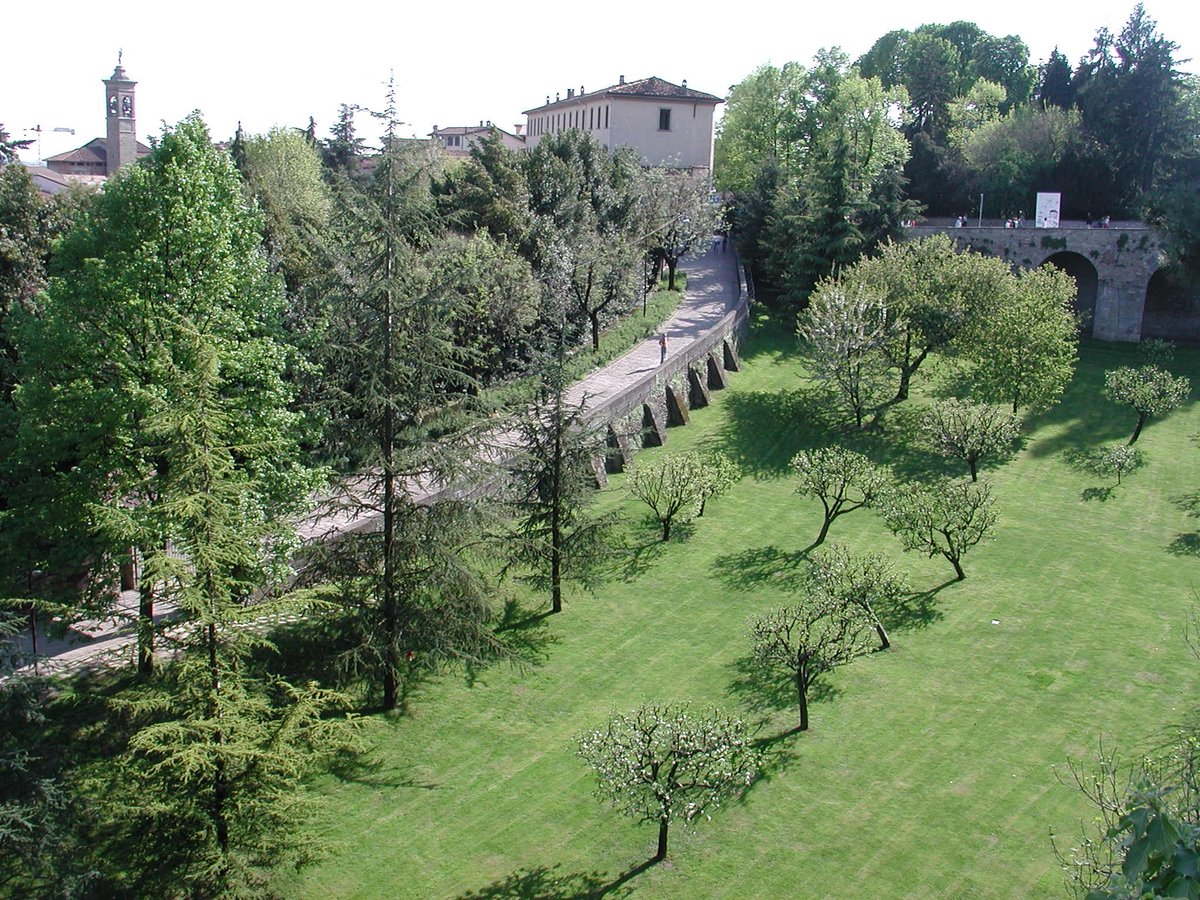
The Venetian walls of Bergamo are a remarkable example of Renaissance military architecture. Constructed primarily from local limestone, they feature robust bastions, ramparts, and parapets. The walls are punctuated by several bastions, including the Bastione di San Michele and the Bastione di San Giovanni, which provided strategic vantage points for the city's defenders. The walls also have a series of underground passages and storerooms used to store ammunition and supplies during sieges (UNESCO).
Strategic Importance
During the 16th and 17th centuries, the Venetian walls played a crucial role in the defense of Bergamo. The city's strategic location at the foothills of the Alps made it a key military outpost for the Republic of Venice. The walls successfully deterred several attempted invasions, including a notable siege by Spanish forces in 1610. The fortifications also served as a symbol of Venetian power and engineering prowess (Bergamo Alta).
Cultural and Historical Impact
The construction of the Venetian walls had a profound impact on Bergamo's social and cultural landscape. The demolition of religious and residential buildings to make way for the fortifications led to significant changes in the city's urban fabric. However, the walls also contributed to the development of a distinct cultural identity for Bergamo, as they became a symbol of the city's resilience and strategic importance. Today, the walls are preserved as a popular tourist attraction, offering panoramic views of the surrounding landscape (Lonely Planet).
UNESCO World Heritage Site
In 2017, the Venetian walls of Bergamo were designated a UNESCO World Heritage Site as part of the "Venetian Works of Defence between the 16th and 17th Centuries - Stato da Terra – Western Stato da Mar" listing. This recognition highlights the historical and architectural significance of the walls, as well as their role in the broader context of Venetian military engineering (UNESCO).
Visitor Information
Visiting Hours - The walls are accessible year-round, but it's best to visit during daylight hours to fully appreciate the views and historical context.
Tickets - Entry to the walls is generally free, but guided tours and special exhibitions may require a ticket. Check the official website for the latest information.
Travel Tips - Wear comfortable shoes as the terrain can be uneven. Bring a camera to capture the stunning views and historical architecture.
Nearby Attractions - Don’t miss other historical sites in Città Alta, such as Piazza Vecchia, the Basilica of Santa Maria Maggiore, and the Bergamo Cathedral.
Accessibility - Parts of the walls are accessible to visitors with mobility issues, but some sections may be challenging. It's advisable to check accessibility options in advance.
Special Events and Guided Tours
Throughout the year, Viale delle Mura hosts various cultural events, historical reenactments, concerts, and art exhibitions. Guided tours are available, offering in-depth information about the walls' construction, history, and significance. These tours provide a unique opportunity to explore areas not typically accessible to the public.
Photographic Spots
For photography enthusiasts, the walls offer numerous picturesque spots. Popular locations include the panoramic views from Porta San Giacomo and Bastione di San Giovanni, where you can capture both the historic architecture and the stunning landscape of Bergamo and its surroundings.
Restoration and Preservation Efforts
Various restoration and preservation efforts have been undertaken to maintain the structural integrity and historical authenticity of the Venetian walls. These efforts include repairing damaged sections, stabilizing foundations, and conserving original architectural features. The city of Bergamo has also implemented measures to manage tourism and ensure that the walls are accessible to visitors while minimizing the impact on the historic site (Bergamo News).
Modern-Day Significance
Today, Viale delle Mura is a vibrant part of Bergamo's cultural and social life. The promenade along the walls offers a scenic route for walking, jogging, and cycling, with breathtaking views of the Città Alta and the surrounding countryside. The area is also home to several cultural events and festivals throughout the year, helping to keep the history of the Venetian walls alive and engaging both locals and tourists in Bergamo's rich heritage (Visit Bergamo).
Educational and Research Opportunities
The Venetian walls of Bergamo provide valuable opportunities for education and research. Scholars and historians continue to study the walls to gain insights into Renaissance military architecture, urban planning, and the socio-political history of the Republic of Venice. Educational programs and guided tours are available, offering in-depth information about the construction, history, and significance of the walls (Bergamo Alta).
FAQs
What are the visiting hours for Viale delle Mura? The walls are accessible year-round, but it's best to visit during daylight hours.
How much are tickets to Viale delle Mura? Entry to the walls is generally free, but guided tours and special exhibitions may require a ticket. Check the official website for the latest information.
Are the walls accessible to visitors with mobility issues? Parts of the walls are accessible, but some sections may be challenging. It's advisable to check accessibility options in advance.
Discover More
Ready to explore the historic Viale delle Mura? Plan your visit today and immerse yourself in the rich history and breathtaking views of Bergamo. Don't forget to download our mobile app for more travel tips and updates on upcoming events. Follow us on social media to stay connected!