Origins and Development
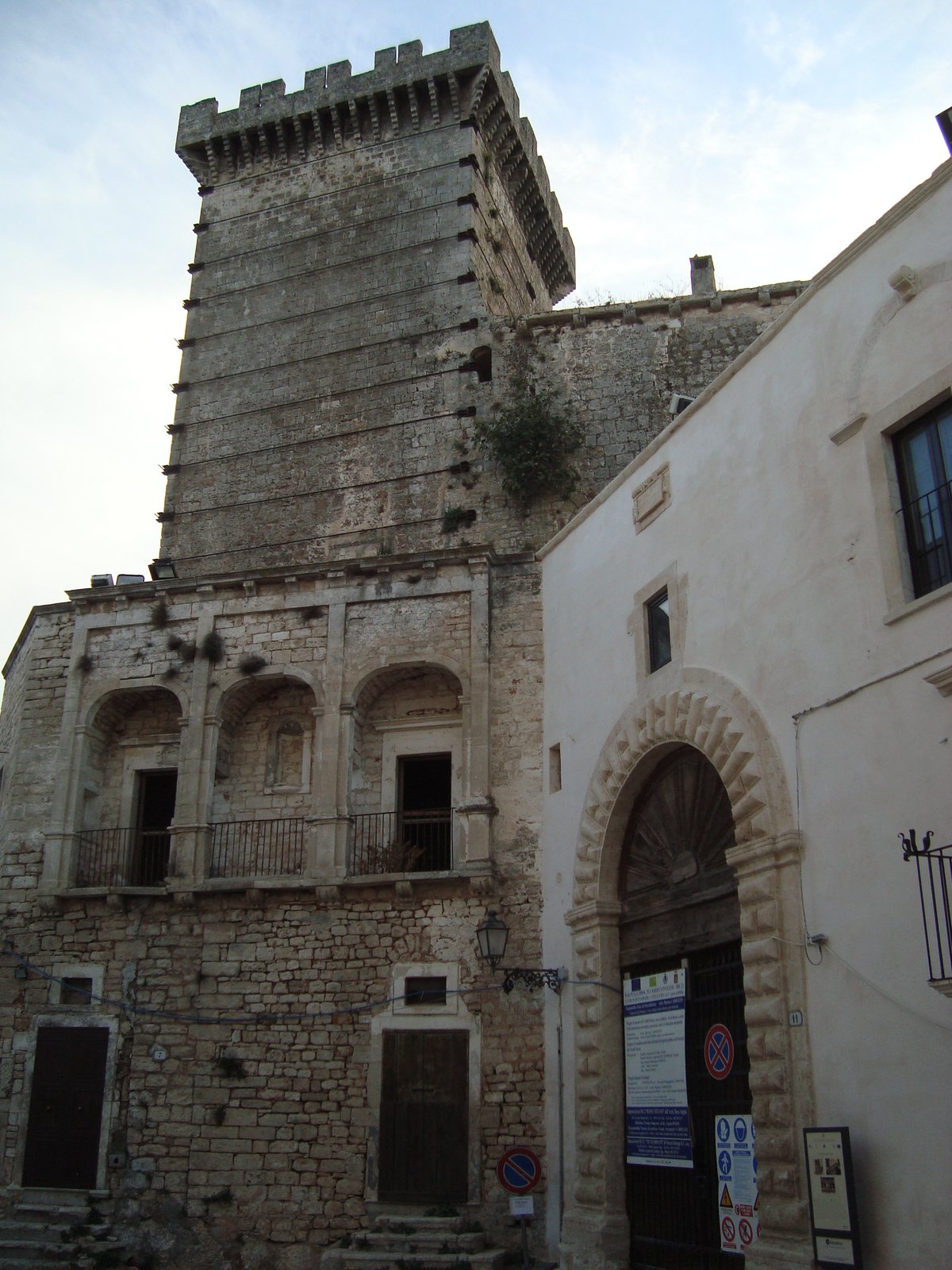
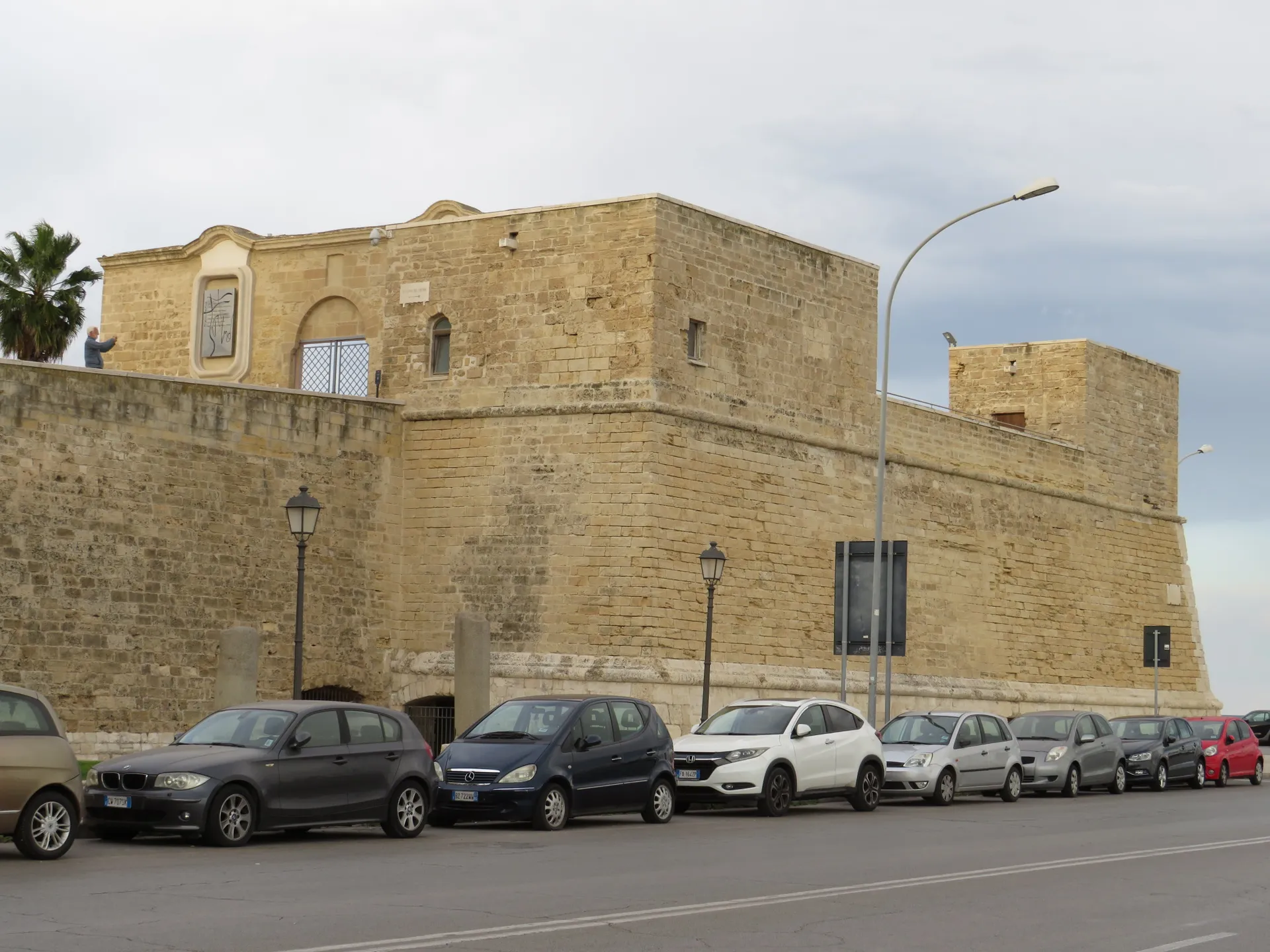
The original structure on this site was a Norman defensive tower, constructed directly onto the bedrock in 1071. Its purpose was to secure Bari’s port and coastline after the end of Byzantine rule in southern Italy. Over the centuries, the fort underwent significant modifications:
- 1359 Documentation records the presence of a fortified tower.
- 1440 Giovanni Antonio Del Balzo Orsini, Prince of Taranto, expanded and rebuilt the fort, leaving his coat of arms above the main portal (Italyscapes).
- 1501–1524 Isabella of Aragon and Bona Sforza further strengthened the structure, incorporating it into Bari’s broader defensive system.
Religious Significance
A defining feature of the fort is its chapel dedicated to Sant’Antonio Abate. This small sanctuary, accessible to the public only on January 17th (the saint’s feast day), is at the heart of local tradition. Bari residents gather here for the annual blessing of animals, a ritual reflecting the enduring connection between community, faith, and place (Baritoday).
Decline, Restoration, and Modern Use
After losing its strategic military function in the 19th century, the fort fell into disrepair and was repurposed as a municipal kennel. A major restoration from 1994 to 2000, led by the Municipality of Bari, revitalized the fort and adapted it for cultural use (Comune di Bari). Today, Fortino di Sant’Antonio hosts art exhibitions, debates, and public events, becoming a vibrant civic and cultural hub (Barbie in Town).
Architectural Features
- Materials and Structure Robust limestone walls with a polygonal plan, characteristic of Apulian military architecture. The fort features embrasures, parapets, and a central courtyard.
- Chapel Houses a wooden statue of Sant’Antonio Abate and a commemorative plaque. Open only on January 17th (Italyscapes).
- Restoration Highlights Archaeological work in the 1990s uncovered remnants of the original Norman tower and earlier church foundations, now displayed beneath the city walls (Bariexperience).
Visiting Fortino di Sant’Antonio: Practical Information
Location and Getting There
- Address Via Venezia, 4, Bari Vecchia
- On Foot 15–20 minutes from Bari Centrale train station
- By Public Transport Buses 2, 10, and 14 stop nearby
- By Car Limited paid parking; public transport recommended during peak seasons
- Nearby Attractions Piazza Mercantile, Basilica di San Nicola, Castello Normanno-Svevo, Teatro Margherita, and Bari’s ancient city walls (inwander.io)
Visiting Hours
- General Access The exterior is accessible year-round from 8:00 AM to sunset.
- Interior & Exhibitions Open during scheduled cultural events and exhibitions. Check the Comune di Bari’s official website for current hours.
- Chapel Open only on January 17th for the feast day of Sant’Antonio Abate.
Tickets
- Admission Free for general outdoor visits. Special exhibitions or events may require tickets (typically €5 for adults, free for Bari residents and children under 12; discounts for students and seniors) (Bariexperience).
- Purchase On-site or online via the official cultural website.
Accessibility
- General Historical structure includes steps and uneven surfaces; accessibility is limited.
- Events & Exhibitions Ramps and assistance are available during major events; contact the site in advance for specific needs.
- Panoramic Terrace Access involves stairs; not wheelchair accessible.
Facilities and Comfort
- Restrooms & Food None on site, but available in Bari Vecchia.
- Seating & Shelter Benches and shaded areas nearby; limited shelter from weather.
What to See and Do
Panoramic Views
The fort’s terrace is the highest point in Bari Vecchia, offering exceptional views of the Adriatic, the old port, and the cityscape—a favorite spot for photographers, especially at sunset (inwander.io).
Cultural Events
Look for art exhibitions, open-air concerts, and civic gatherings, especially during summer. The upper terrace is a popular venue for civil wedding ceremonies and special events (Barbie in Town).
Local Life
The fort is integrated into Bari’s daily rhythm. During major festivals, such as the Feast of St. Nicholas, the area is lively with processions and street food vendors (bariexperience.com).
Travel Tips
- Best Time to Visit Early morning or sunset for cooler temperatures and beautiful lighting.
- Footwear Wear comfortable shoes for cobblestone streets and fort steps.
- Photography Don’t miss sunset for the best panoramic shots.
- Combine Visits Explore the nearby historic streets, cafes, and churches of Bari Vecchia.
Frequently Asked Questions (FAQ)
Q: What are the Fortino di Sant’Antonio visiting hours?
A: The fort is accessible from 8:00 AM to sunset. Interior areas open during special events or exhibitions. Check official sources for updates.
Q: Is there an entrance fee?
A: General outdoor access is free. Some exhibitions or events require tickets (usually €5).
Q: Is the site wheelchair accessible?
A: Accessibility is limited due to steps and cobblestones. Ramps are available during major events; contact the site in advance for assistance.
Q: Are guided tours available?
A: Yes, especially as part of Bari Vecchia walking tours. Check with local tourism offices or tour operators.
Q: Are there facilities on site?
A: No, but restrooms, cafes, and shops are close by in the old town.
Summary and Recommendations
Fortino di Sant’Antonio is an essential destination for anyone exploring Bari’s rich heritage. With its origins as a Norman fortification, later religious and civic functions, and modern role as a hub for culture and community, the fort encapsulates the spirit of Bari. Its panoramic terrace, historical chapel, and vibrant event schedule offer something for every visitor.
Plan your visit:
- Check current opening hours and events via Comune di Bari or Bariexperience.
- Download the Audiala app for guided tours and up-to-date information.
- Follow local social media channels for news on exhibitions and cultural events.
Don’t miss:
- Sunset from the terrace for breathtaking views.
- Annual blessing of animals on January 17th.
- Combining your visit with a stroll through Bari Vecchia and its attractions.