
Place
Italy Updated Oct 2026
In Bari, Italy, the morning can start with fishermen laying out raw octopus at Molo San Nicola and continue a few lanes inland, where women shape orecchiette on wooden screens outside their doors. Salt hangs in the air; semolina dust settles on the old stones. Few port cities make the handoff from sea to kitchen feel so immediate.
 Photo: K / Pexels
Built from cited sources · see the method · How we make our guides →
Inside Bari Vecchia, laundry crosses narrow lanes beneath the Basilica di San Nicola. Built between 1087 and 1197 to house relics that local tradition says sailors brought from Myra, it draws both Catholic and Orthodox pilgrims; in the crypt, footsteps and low voices gather around the tomb.
Under the white-limestone Cathedral of San Sabino, Roman roads and a 6th-century mosaic lie beneath later layers of worship. The city keeps its history close to the surface—and sometimes just below it, in archaeological sites reached on guided tours.
Across Corso Vittorio Emanuele, Murat’s straight streets trade the old town’s close shade for shopfronts, theaters and Adriatic light. The Petruzzelli opened in 1903, burned in 1991 and reopened in 2009. Follow the cast-iron lamps along Lungomare Nazario Sauro at dusk and Bari stops looking like a gateway to Puglia; it feels like a port city with a rhythm of its own.
Not every monument, just the ones we'd walk you past ourselves.
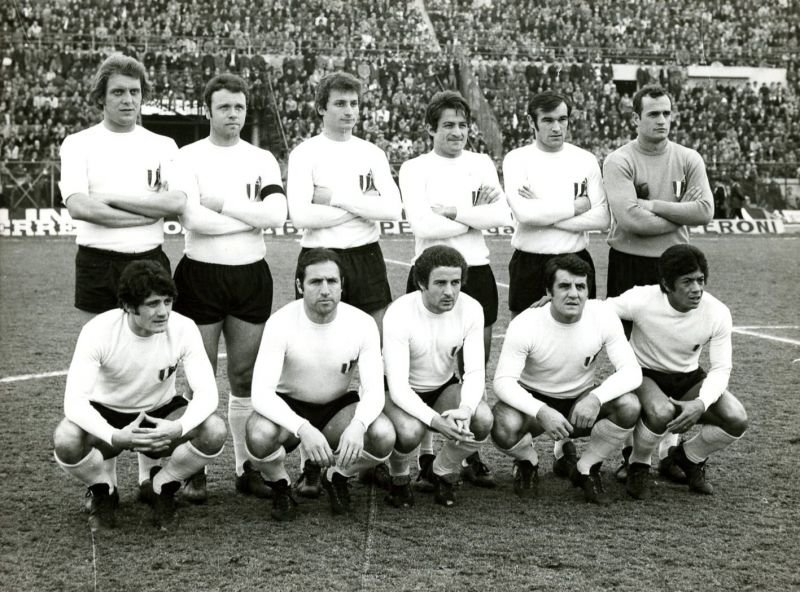
Where to wander, by quarter — each with its own rhythm.
Before you go
Curated from places in this city. Same price as official sites.


Prices shown are indicative — final pricing and availability are confirmed at checkout. Audiala may receive a commission from bookings made via these links.
A port city rebuilt, contested and remade across three millennia
Archaeological remains beneath parts of Bari Vecchia point to settlement here in the Bronze Age, centuries before the city appears in written history. Beneath today’s lanes lie earlier layers of homes, burials and trade.
The settlement known as Barion or Baris grew into a Peucetian trading center on the Adriatic. Its position made the harbor a natural meeting point between inland Apulia and seaborne routes.
During the Second Samnite War, Barium entered Rome’s alliance system, eventually gaining the rights of a Roman municipium. Latin administration brought the city into a wider network of roads, law and Mediterranean commerce.
Emperor Trajan’s Via Traiana linked Beneventum to Brundisium, passing through Barium along the Adriatic. The road gave merchants and officials a faster route south, tying the port more firmly to the Roman world.
Bishop Gervasius of Bari attended the Council of Sardica, the earliest firm documentary reference to the city’s bishopric. His presence shows that Bari had become a Christian center with connections reaching far beyond Apulia.
Berber commander Khalfūn seized Bari from Byzantine control and established an emirate, an unusual Muslim-ruled state on the Italian mainland. The city’s harbor and fortifications made it a prize for powers moving across the central Mediterranean.
On February 3, a campaign led by the Frankish emperor Louis II and his Lombard allies captured the city, ending the emirate. Byzantine authority returned soon afterward, and Bari again became a major administrative and military center in southern Italy.
A Saracen siege threatened Bari until a Venetian fleet led by Doge Pietro II Orseolo came to the city’s aid. The relief underscored how much the port mattered to maritime powers across the Adriatic.
After a siege lasting from 1068, Norman commander Robert Guiscard entered Bari on April 16. The city’s capture ended more than five centuries of Byzantine rule in southern Italy and shifted the region toward Norman power.
In May, sailors from Bari brought the relics of Saint Nicholas from Myra; accounts traditionally describe the transfer as a seizure. Work began on a basilica to house them, turning the port into a pilgrimage destination for both Western and Eastern Christians.
Pope Urban II convened a council in the crypt of San Nicola to address divisions between the Latin and Greek churches, including the dispute over the filioque clause. The meeting placed Bari at the center of a theological debate that crossed the Mediterranean.
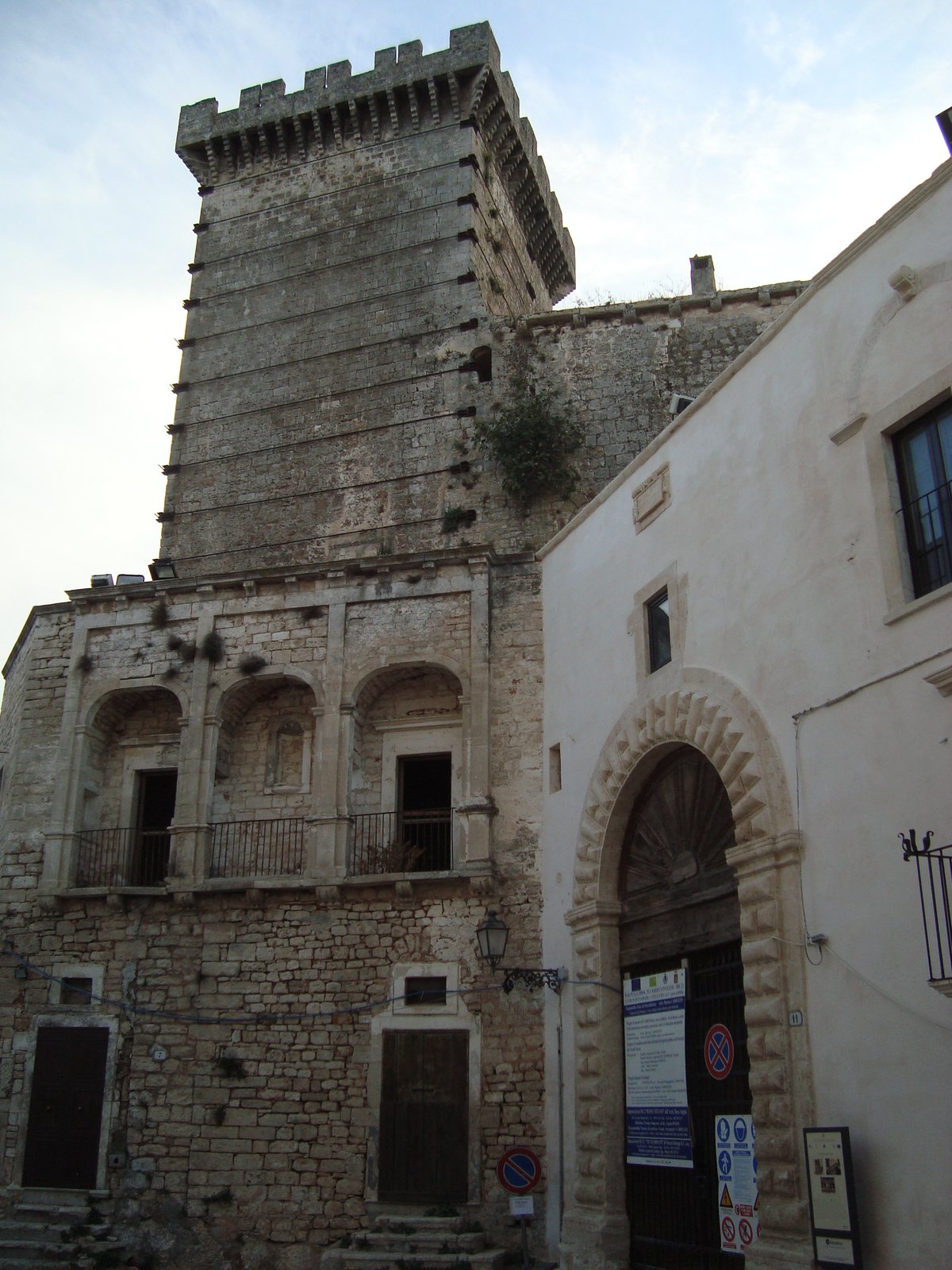
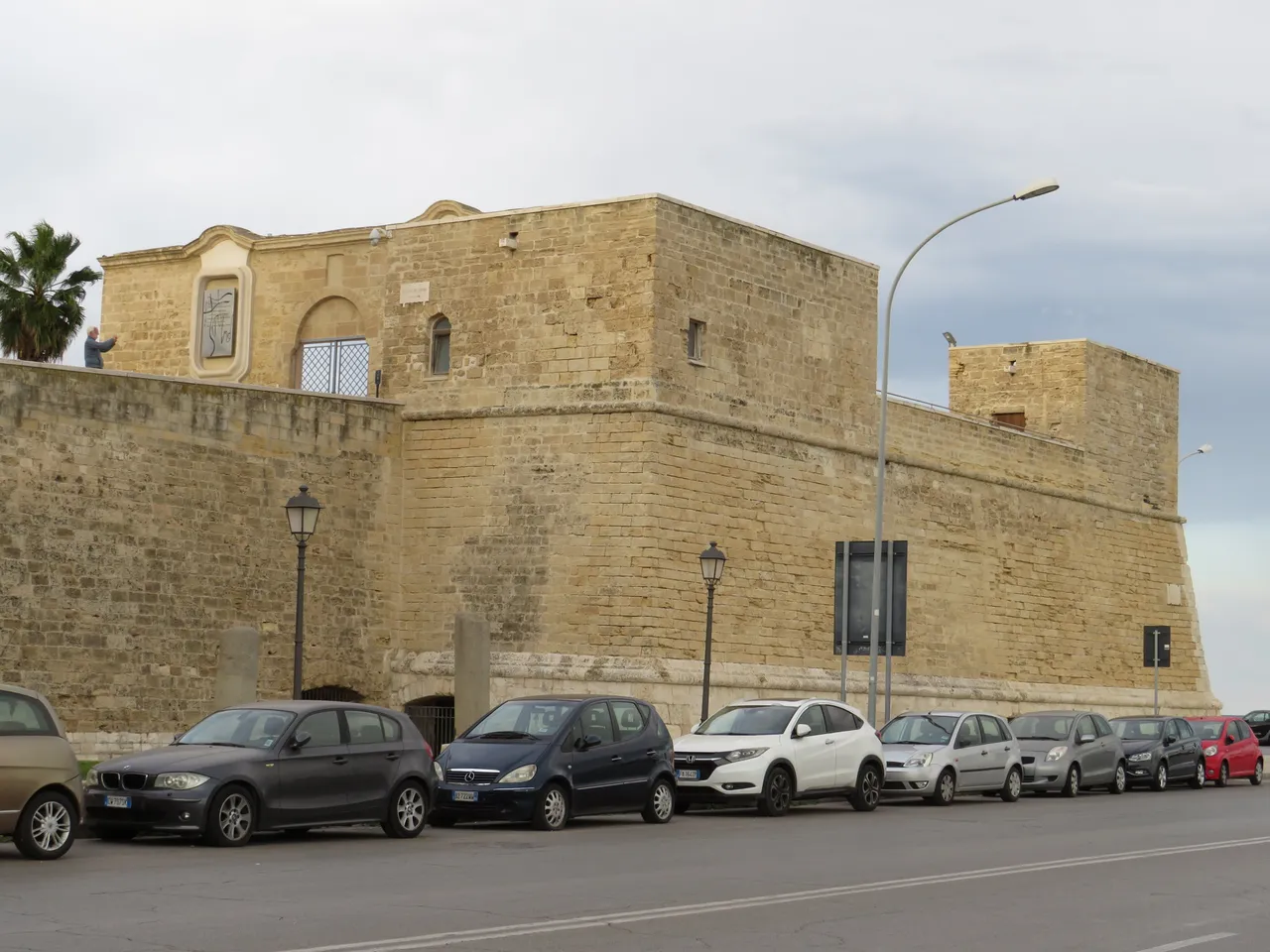
King Roger II began building a fortress in Bari, anchoring royal power beside the old city. Its position made the castle a watchful presence between the streets of Bari Vecchia and the harbor.
After Bari rebelled against Norman rule, King William I ordered the city destroyed. The basilica of San Nicola and the monastery of Santa Scolastica were spared; much else was reduced to rubble.
Holy Roman Emperor Frederick II rebuilt and strengthened Bari’s fortress, giving it the imposing form associated with the Castello Normanno-Svevo. Thick walls and defensive works announced imperial authority in a city repeatedly fought over by rival powers.
Tradition dates the consecration of Bari Cathedral, dedicated to San Sabino, to 1292, after rebuilding in the wake of the city’s destruction. Its pale stone and Romanesque forms gave Bari Vecchia another landmark of faith and civic identity.
King Ferrante I of Naples granted the Duchy of Bari to the Sforza family of Milan. The change brought the city into the orbit of an ambitious ruling house and set the stage for its Renaissance court.
Isabella of Aragon established her court in Bari and turned the castle into a center of Renaissance life. She strengthened its defenses for an age of artillery while supporting trade and humanist culture within its walls.
Bona Sforza arrived in Bari with her mother, Isabella, and received part of her education at the castle. Later Duchess of Bari and Queen of Poland, she returned to the city near the end of her life and was buried in San Nicola.
Bari was caught in the devastating plague that swept through the Kingdom of Naples. Fear, illness and disrupted trade pressed hard on the city, whose narrow streets offered little protection from contagion.
Composer Niccolò Piccinni was born in Bari before becoming one of the leading figures in 18th-century Italian opera. The city later honored him with its Teatro Piccinni and music conservatory, linking its name to a career played out on European stages.
Joachim Murat decreed the creation of a new quarter beyond Bari Vecchia, laying out the grid now known as Borgo Murattiano. Its straight streets marked a sharp change from the old town’s compact medieval lanes.
As the Bourbon Kingdom of the Two Sicilies fell, Bari entered the process that brought southern Italy into the new Kingdom of Italy. The city’s political allegiance changed, while its Adriatic port remained a vital link between the peninsula and the Balkans.
The Teatro Petruzzelli opened on February 14, built by the brothers Onofrio and Antonio Petruzzelli. Its opera-house scale gave Bari a new cultural landmark beyond the old town’s churches and fortress.
Work began on Bari’s Russian Orthodox Church of Saint Nicholas, intended for pilgrims arriving to venerate the saint’s relics. Its construction made visible the unusual pull Bari held for Christians from both sides of the Orthodox-Catholic divide.
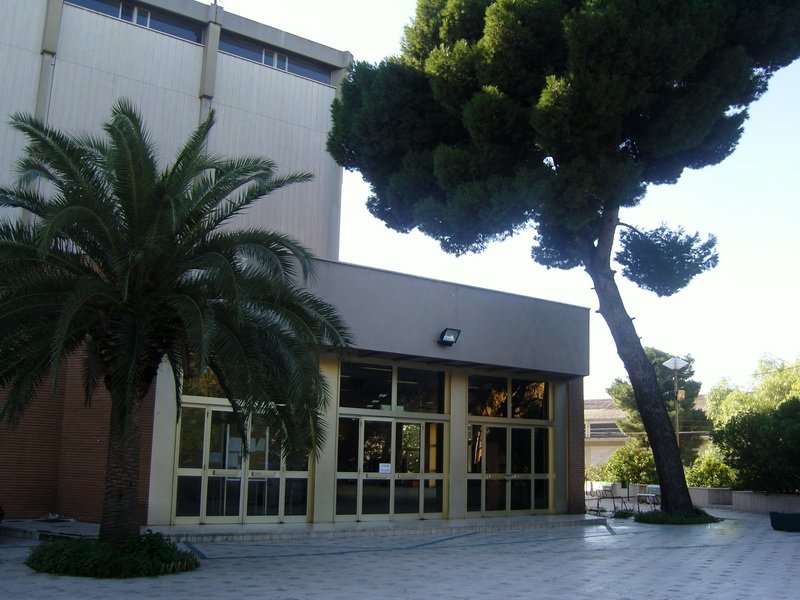
The University of Bari was founded, giving the city a new center for higher education and research. It would later bear the name of Aldo Moro, a former student and professor of law there.
The Fiera del Levante opened in 1930, presenting Bari as a meeting point for trade across the Mediterranean. In the same decade, work on the seafront promenade and its cast-iron lamps gave the city a formal edge along the Adriatic.
German bombers struck the Allied-held port, sinking 17 cargo ships and setting off fires along the water. The ship John Harvey carried secretly stored mustard gas; its destruction exposed military personnel and civilians, making the raid one of the war’s worst chemical disasters.
The Albanian ship Vlora reached Bari carrying more than 20,000 people fleeing a collapsing regime. The port became an emergency reception site, and the arrival remains a defining episode in the modern history of migration across the Adriatic.
An arson fire gutted the Teatro Petruzzelli, leaving its auditorium and stage in ruins. For Bari, the loss was more than architectural: the opera house had become one of the city’s clearest symbols of its modern cultural life.
After years of reconstruction, the Teatro Petruzzelli reopened on October 4 with Beethoven’s Ninth Symphony. The performance returned music to a hall whose silence had lasted nearly eighteen years.
The Province of Bari was reorganized as the Metropolitan City of Bari, giving the urban center a new administrative role across the surrounding territory. The change reflected how the city’s influence had long extended beyond its historic peninsula and port.
Composer · 1728–1800
Born in Bari
Born in Bari in 1728, Piccinni went on to compose more than 80 operas and became one side of Paris’s famous Gluck–Piccinni musical rivalry. He might smile to see his name still above Bari’s opera house, amid streets now filled with dinner-table talk and scooter noise.
Queen of Poland and Duchess of Bari · 1494–1557
Lived and died in Bari; buried in the Basilica di San Nicola
Bona Sforza arrived in Bari in 1512, ruled as Duchess and returned in 1556 after years as Queen of Poland. Her tomb behind the high altar of San Nicola gives the basilica a second story: a ruler’s final chapter in the city that shaped her early life.
Footballer · born 1982
Born in Bari; began his senior career with A.S. Bari
Raised in Bari Vecchia, Cassano made his Serie A debut for A.S. Bari in 1999; at 17, he announced himself with a solo goal against Inter. He might still recognize the city’s football pulse, even as his name now sits in the record books alongside Bari’s own club history.
Where locals actually book dinner — not the tourist menus.
Small things that change how the city treats you.
The city, as it actually looks.
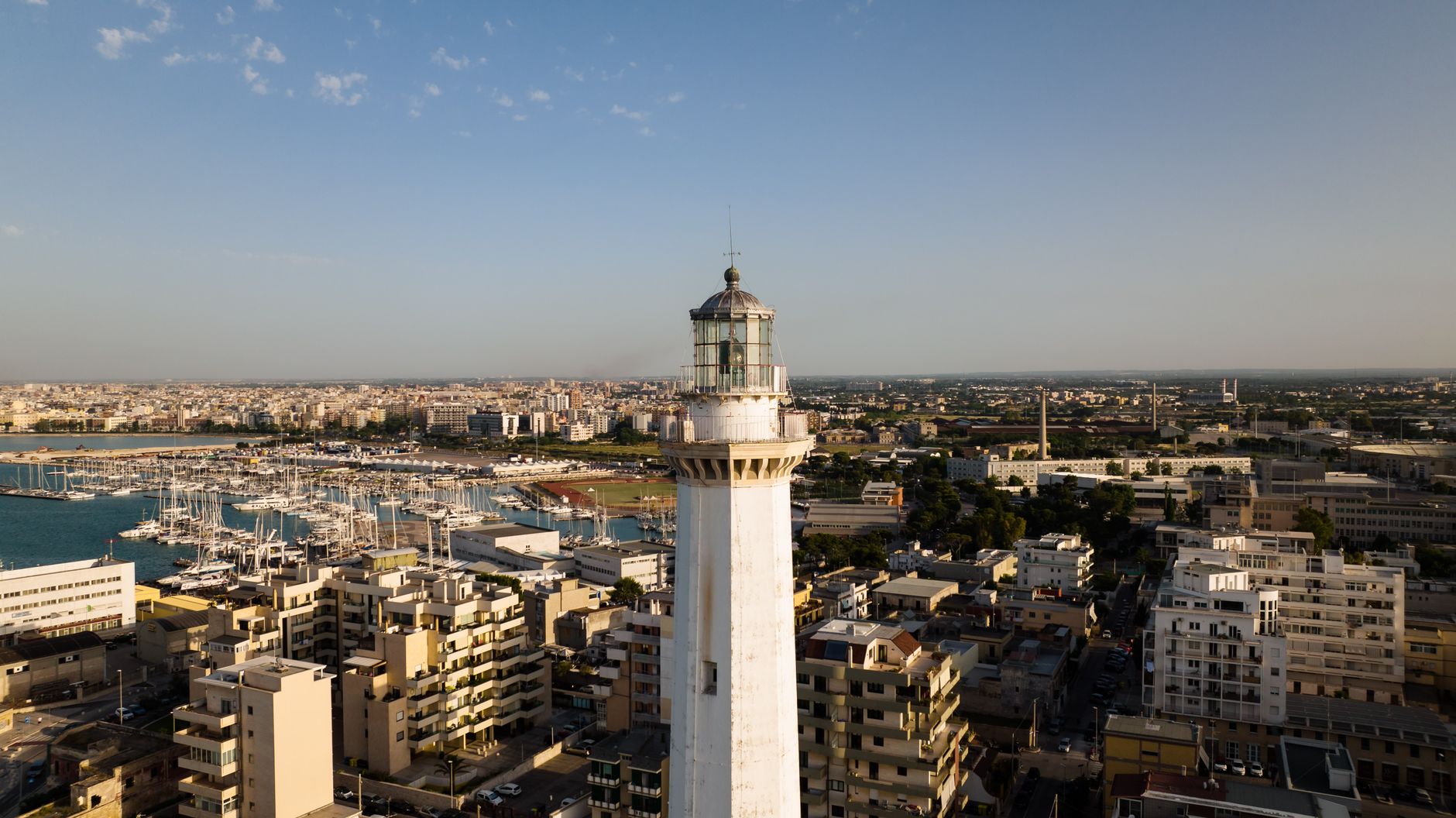
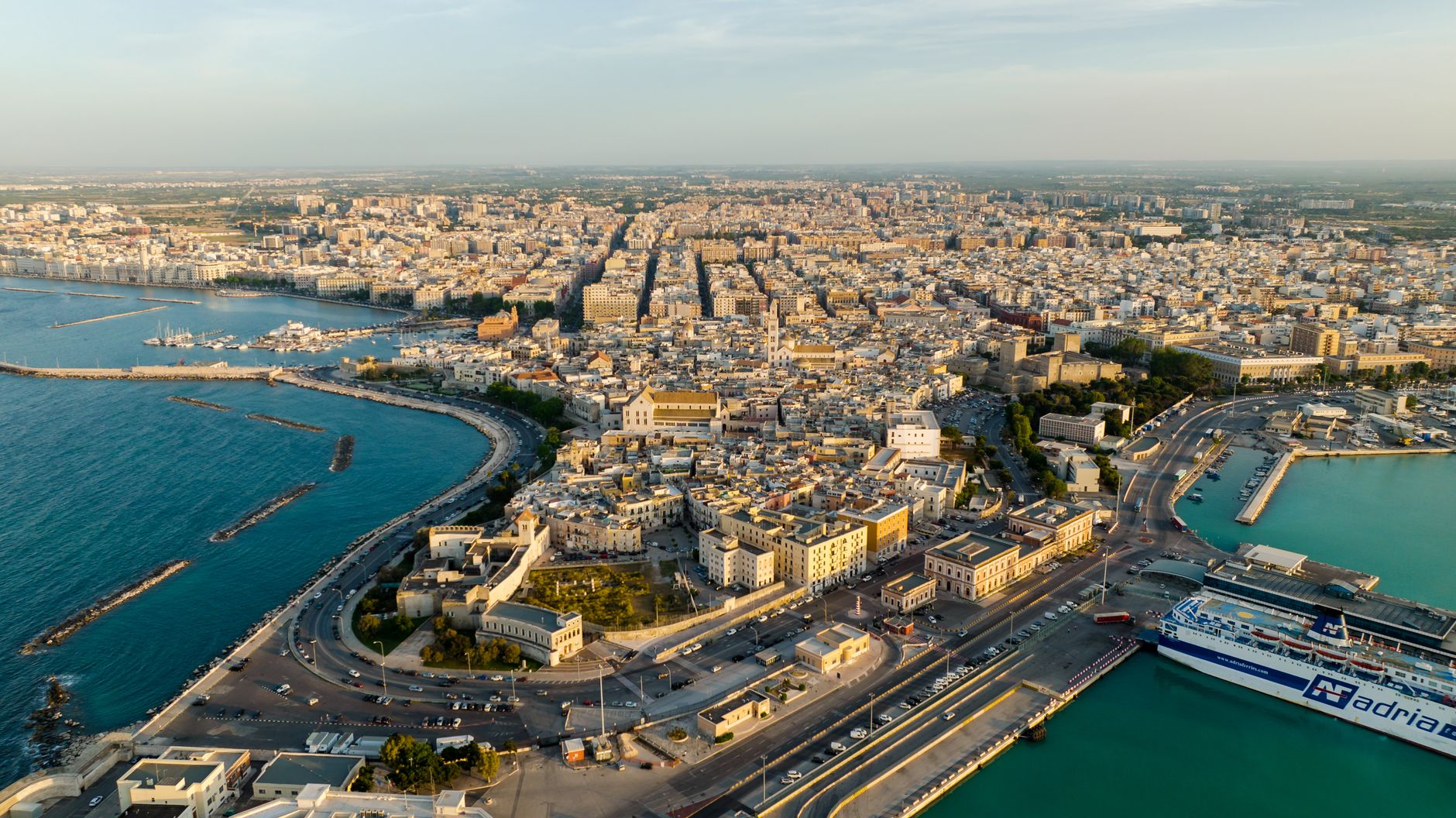

Yes, especially if you like lived-in old streets, Romanesque churches and food with a strong local identity. Bari Vecchia’s pasta-making lanes, the Basilica di San Nicola and the Adriatic waterfront give the city a character distinct from Puglia’s smaller resort towns.
Plan on 2–3 days for Bari itself. That allows time for Bari Vecchia, the castle, the cathedral and a walk along the seafront; stay longer if you want to add regional rail day trips.
The FM2 airport train reaches Bari Centrale in about 15–20 minutes and costs around €5 one way. AMTAB bus 16 is cheaper, at about €1 with advance purchase, but takes roughly 40–50 minutes depending on traffic.
AMTAB’s published fares list a €1 single ticket, a €1.20 90-minute ticket and a €2.50 day ticket. Airport rail is separate and costs around €5 one way; check operators’ current fares and schedules before travel.
Bari’s central historic areas and the Murat district are generally considered safe for visitors, with normal city precautions. Watch your belongings on crowded buses and at markets, and take extra care around the station’s quieter streets late at night.
May and September are strong choices for comfortable walking weather. April, June and October can also work well; July and August bring more heat and stronger summer sun.
Try orecchiette with cime di rapa, tiella barese with rice, potatoes and mussels, and spaghetti all’assassina if you like chilli. For a quick bite, look for local focaccia or sgagliozze, fried squares of polenta.
33 places to discover


Saved and recently read places — kept on this device only.
Photos may have been resized or cropped.