Plan and listen to Guido Of Arezzo with Audiala.
Audio guide in your pocket, itinerary in your browser. Built for the way you actually visit.
Introduction
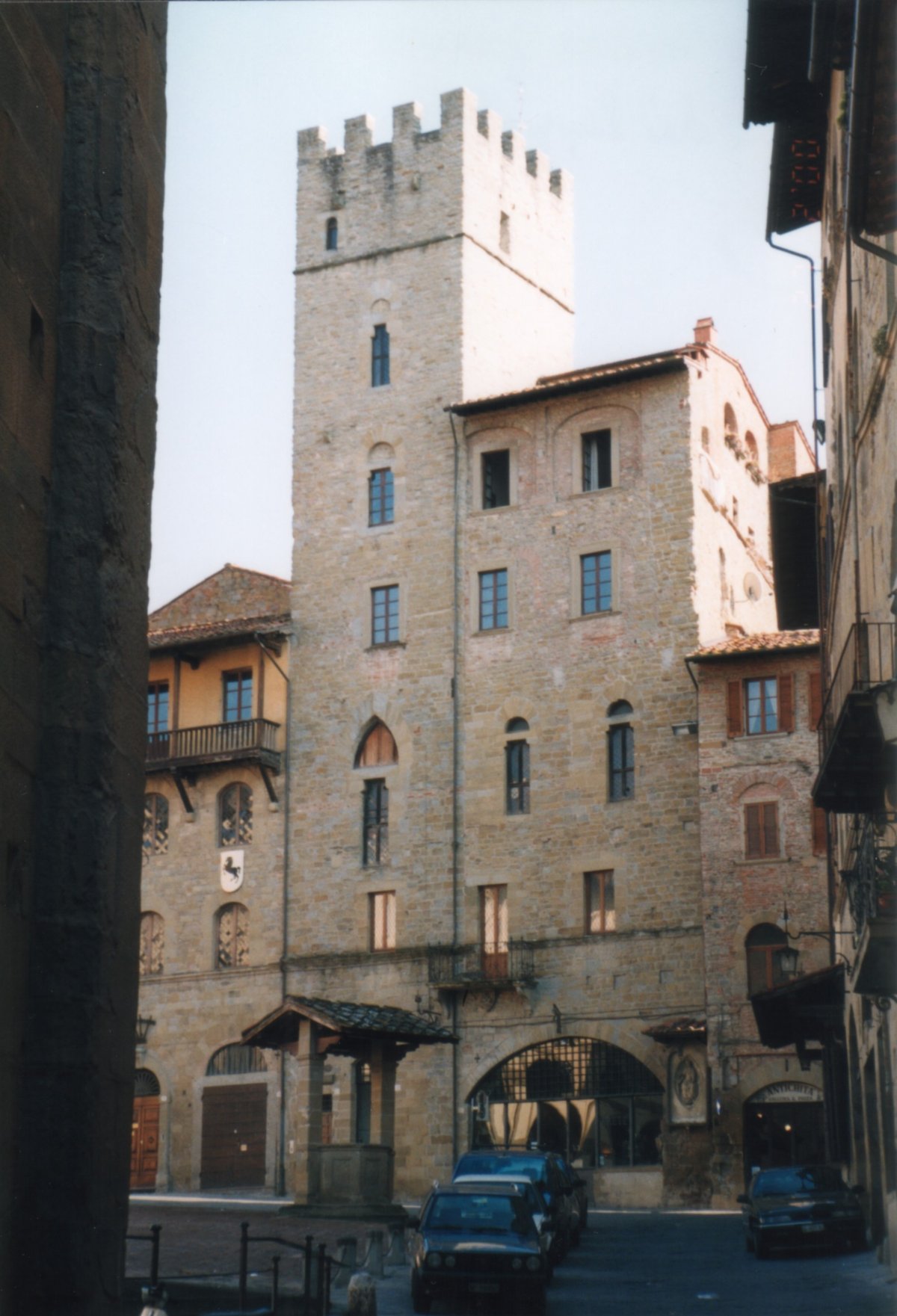
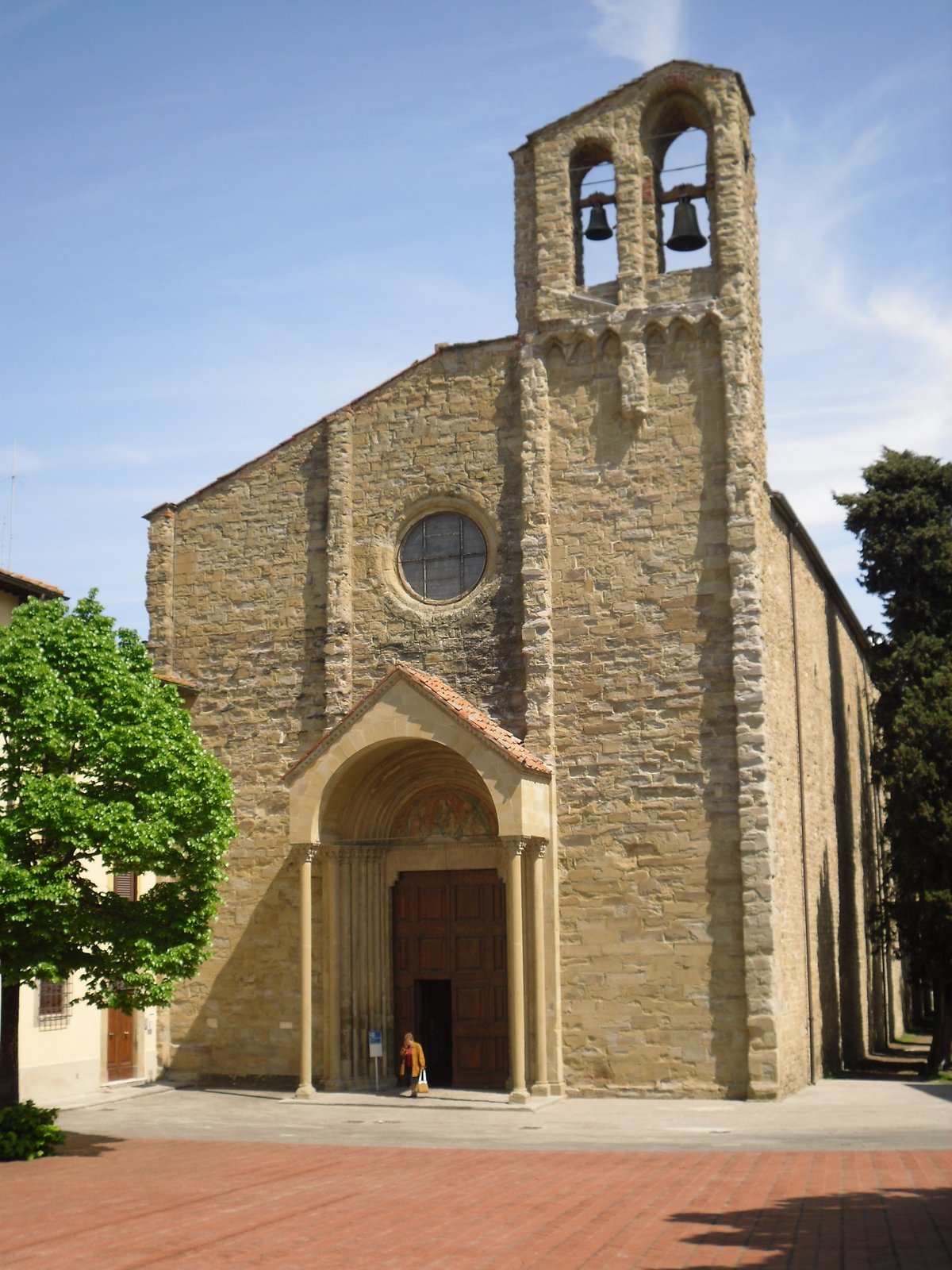
Arezzo, nestled in the heart of Tuscany, is a city where medieval innovation and cultural heritage converge—most notably through its association with Guido of Arezzo. This Benedictine monk and music theorist, born around 991–992, forever changed Western music by inventing the four-line staff notation and the solmization system, precursors to today’s solfège. Guido’s work, including his influential treatise Micrologus de disciplina artis musicae, dramatically improved the teaching and transmission of Gregorian chant and polyphonic music (Visiting Guido of Arezzo: History, Tours, and Attractions in Arezzo; Britannica).
Though his precise birthplace is debated, Arezzo is widely celebrated as the city where Guido shaped his revolutionary theories. Today, visitors can explore monuments, churches, museums, and festivals that honor his enduring legacy and the rich musical tapestry of Arezzo (Arezzo Visiting Guide: Musical Heritage, Festivals, Historical Sites, and Practical Information; Visiting Guido of Arezzo Historical Sites).
This guide details the historical context of Guido’s innovations, highlights major sites and events, and provides the essential information you need to plan a meaningful visit to Arezzo and the places connected to this pillar of musical history.


Early Life and Historical Context
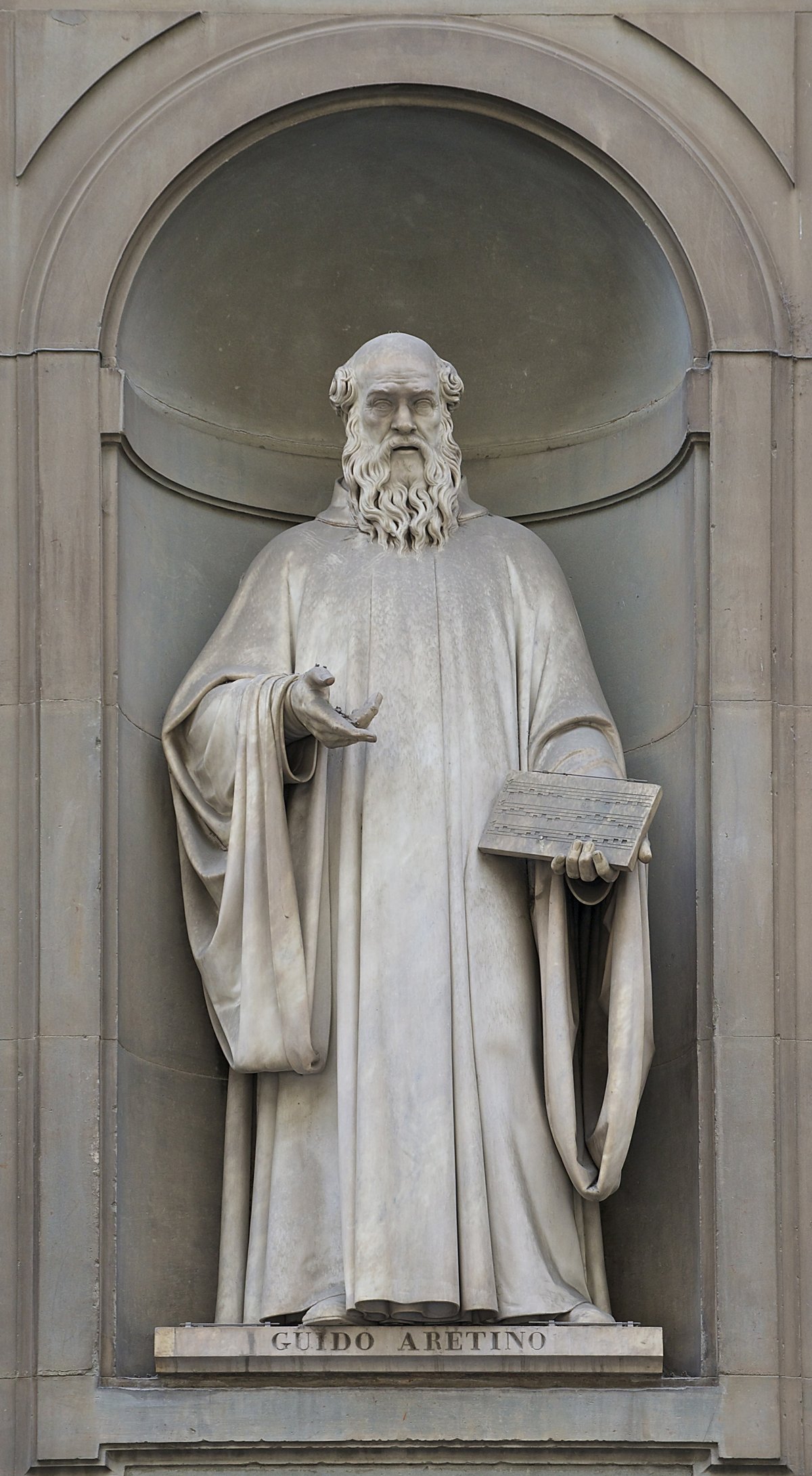
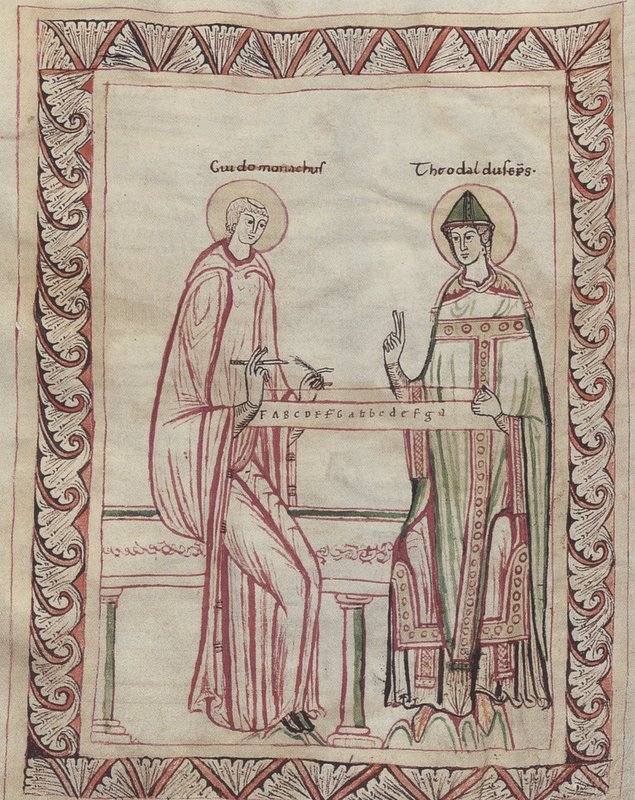
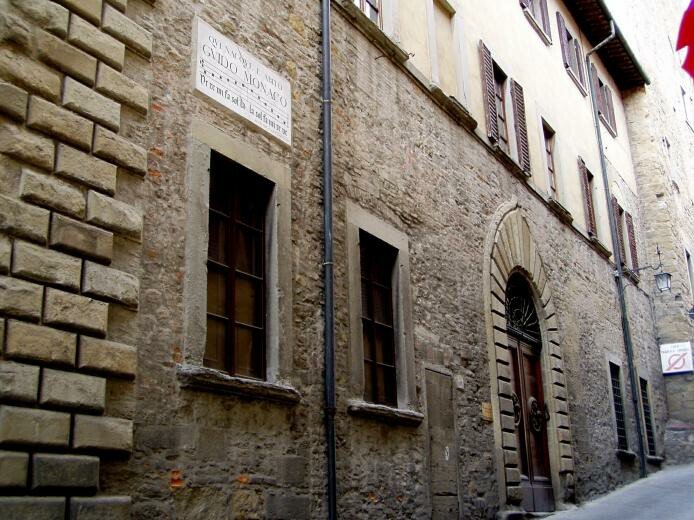
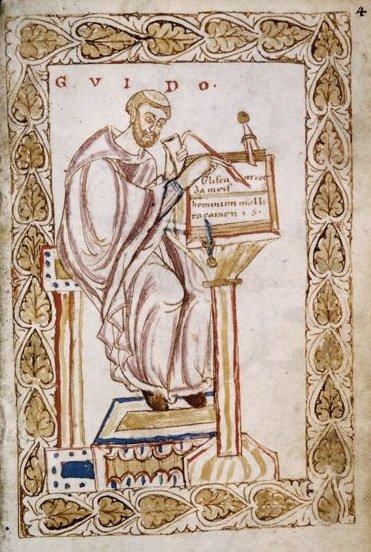
Guido of Arezzo (c. 991–992 – after 1033), also known as Guido Monaco, was a Benedictine monk whose teachings bridged the gap between oral musical tradition and the modern written system. Although the exact place of his birth remains uncertain, Arezzo is widely recognized as the city where Guido made his most significant contributions.
Guido's early musical education took place at the Arezzo Cathedral, where he later became a cantor. His monastic lifestyle and humility mean that many biographical details are lost, but his impact on music theory is profound and lasting (Britannica).
Guido of Arezzo’s Innovations in Music Theory
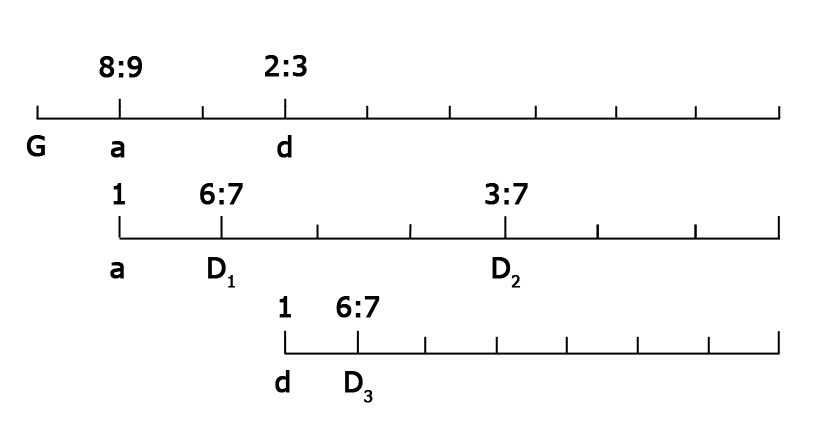
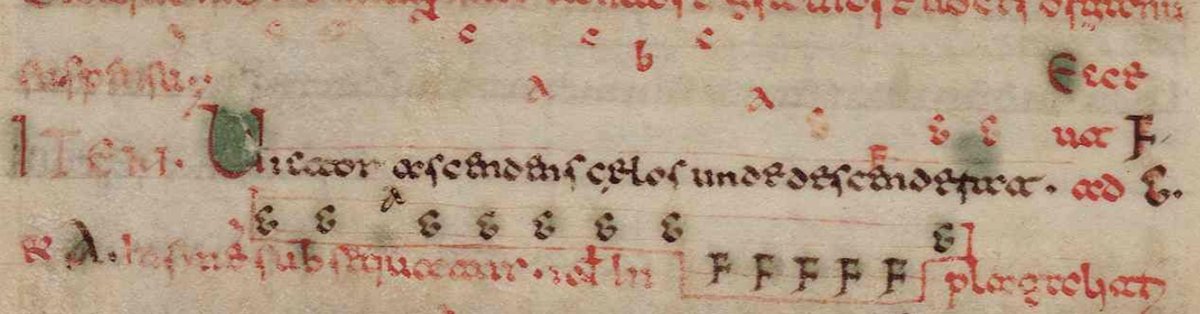
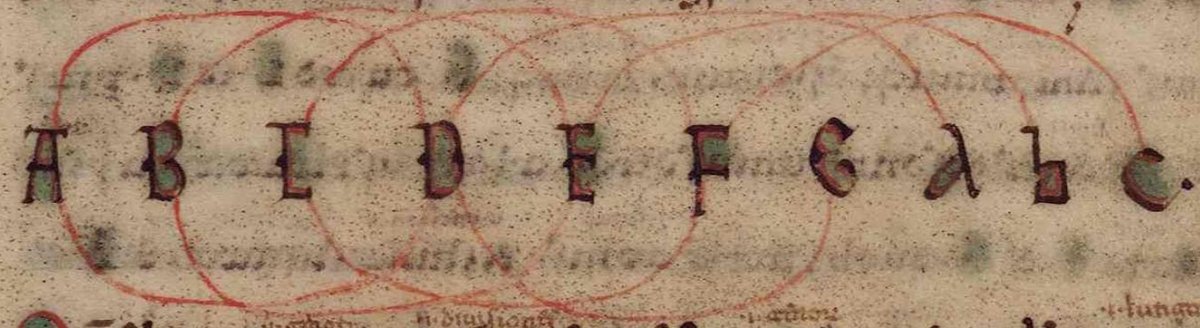
Guido’s most important achievement was the introduction of the four-line staff notation and clefs, which enabled accurate pitch representation—a monumental improvement over the oral and neumatic traditions that preceded him. His innovations slashed the time required to train singers and made complex music more accessible.
He also introduced the hexachord system and solmization syllables (ut, re, mi, fa, sol, la), the forerunner of modern solfège, as well as the Guidonian Hand—a mnemonic device that visually mapped musical intervals on the human hand (Ancient Origins). His treatise, Micrologus, became a European standard for music teaching.
Guido’s Influence in Arezzo
After early work at Pomposa Abbey, Guido moved to Arezzo in 1025, where Bishop Theodald tasked him with training the cathedral’s singers. His methods reduced preparation time from a decade to just a few years. Guido’s reputation spread as far as Rome, where he was invited by Pope John XIX. The last historical reference to him dates from 1033 in Arezzo (Centopassi dal Duomo).
Key Attractions & Practical Information
Statue of Guido Monaco
- Location: Piazza Guido Monaco, Arezzo center
- Visiting Hours: Open 24/7 (public square)
- Highlights: Bronze statue by Salvino Salvini (1882)
- Accessibility: Wheelchair accessible
Arezzo Cathedral (Cattedrale dei Santi Pietro e Donato)
- Address: Piazza Duomo, Arezzo
- Visiting Hours: Mon–Sat 10:00–18:00; Sun 13:00–18:00 (hours may vary)
- Tickets: Free entry; €5 for guided tours (Arezzo Tourism Official Site)
- Accessibility: Wheelchair accessible; assistance available
- Features: Gothic architecture, site of Guido’s teaching
Museums & Musical Events
- Museo Archeologico Nazionale Gaio Cilnio Mecenate: Exhibits on local history and music heritage (Love from Tuscany)
- Concorso Polifónico Guido d’Arezzo: International polyphonic choir competition (Centopassi dal Duomo)
- Terre di Arezzo Music Festival: Free summer concerts in historic venues (Discover Tuscany)
Guided Tours & Walking Routes
- Self-guided tours: Maps from the Tourist Office
- Guided tours: English and other languages; book in advance
Tickets & Booking
- Tickets: Some sites and events require tickets; purchase online or at venues (Fondazione Guido D’Arezzo)
- Tourist Office: Piazza Guido Monaco
Nearby Attractions
- Piazza Grande: Medieval architecture, antique market
- Casa Vasari: Home of Giorgio Vasari
- Church of San Francesco: Piero della Francesca’s frescoes
Best Time to Visit
- Spring (April–June) and Fall (Sept–Oct): Mild weather, cultural events
- International music contests: Usually September
Frequently Asked Questions
Are there entrance fees for Guido’s statue?
No, the statue is in a public square and free to visit.
Are guided tours available in English?
Yes, book in advance for English and other languages.
Is the Cathedral wheelchair accessible?
Yes, with assistance available upon request.
How can I buy tickets for the International Guido d’Arezzo contest?
Purchase online or at the venue.
What other cultural sites are nearby?
Piazza Grande, Casa Vasari, and the Church of San Francesco are all within walking distance.
Musical Heritage, Festivals & Visitor Tips
Arezzo celebrates its musical legacy through festivals and institutions:
- International Polyphonic Competition “Guido d’Arezzo”: Renowned annual choral event (Centopassi dal Duomo)
- Terre di Arezzo Music Festival: Free summer concerts (Discover Tuscany)
- Arezzo Organ Festival: Focused on historic organs
- Conservatorio di Musica “Guido d’Arezzo”: Music education and public concerts (Conservatory website)
Other attractions include the Medici Fortress, Basilica di San Francesco, and the Antiques Fair (Italy in Focus).
Travel & Accessibility Tips:
- Arezzo is accessible by train from Florence and Rome (Discover Tuscany)
- Many sites are wheelchair accessible; cobbled streets may pose challenges
- Central accommodations such as B&B Cento Passi Dal Duomo are recommended (Centopassi dal Duomo)
Historical Sites Beyond Arezzo: Pomposa Abbey
Pomposa Abbey: Near Ferrara, significant for Guido’s early career and innovations (Interlude.hk)
- Hours: Tues–Sun, 9:00–18:00
- Tickets: ~€5
- Accessibility: Partial; contact ahead
Museums and Collections from Guido’s Era
Museo di Arte Medievale e Moderna di Arezzo
- Hours: Tues–Sun, 10:00–18:00
- Tickets: €6
- Accessibility: Fully accessible
- Official Website: Museo Arezzo
National Archaeological Museum Gaio Cilnio Mecenate
- Hours: Tues–Sun, 9:30–17:30
- Tickets: €5
- Accessibility: Partial
Musical Institutions and Annual Events
Conservatorio di Musica “Guido d’Arezzo”
- Events: Concerts, masterclasses, Gregorian chant workshops
- Accessibility: Contact for details
Annual Festivals
- Arezzo Wave Festival: Contemporary music, July
- Fiera Antiquaria: Antiques fair, first weekend monthly (Love from Tuscany)
Travel Tips, Accessibility & Suggested Itinerary
Getting There:
- Train from Florence: ~1 hour (Love from Tuscany)
- Car: Ample parking near the station
Visitor Services:
- Tourist information centers near train station and historic center (Visit Arezzo)
- Free Wi-Fi in many public spaces
Accessibility:
- Most major sites accessible; some medieval streets are steep or uneven
Suggested Itinerary
Morning:
- Cathedral of San Donato
- Santa Maria della Pieve
Midday:
- Museo Diocesano di Arte Sacra
- Lunch near Piazza Grande
Afternoon:
- Piazza Grande, Palazzo della Fraternita dei Laici
- Biblioteca Città di Arezzo
- Guided walking tour
Evening:
- Concert at cathedral or Santa Maria della Pieve
- Dinner with live music (Adventure Backpack)
Additional Tips
- Wear comfortable shoes for uneven medieval streets.
- Respect photography rules inside churches.
- Spring and autumn are ideal for visits.
Discover More
Ready to experience the legacy of Guido of Arezzo? Download the Audiala app for guided tours and event updates, and follow our social channels for more travel inspiration and the latest on Arezzo’s cultural scene.
Summary of Key Points
Visiting Arezzo to explore the legacy of Guido of Arezzo provides a unique window into the history of modern music. From the cathedral and public monuments to immersive museum experiences and world-class festivals, Arezzo’s vibrant cultural landscape continues to celebrate Guido’s groundbreaking contributions (Visiting Guido of Arezzo Historical Sites; Interlude.hk). Plan ahead for visiting times, tickets, and guided experiences to make the most of your journey into the world of medieval music innovation (Centopassi dal Duomo; Discover Tuscany). Use digital resources like the Audiala app and official tourism sites for seamless trip planning.
Listen to the full story in the app
The whole Guido Of Arezzo,
told well.
Audio guides for 1,100+ cities across 96 countries. History, stories, and local insight — offline ready.

Verified, and shown.
Researched and written by the Audiala editorial team from historical records, architectural archives, and local expertise.
Researched from Wikidata, Wikipedia & official sources · fact-checked · How we make our guides →