Museum Origins and Cultural Mission
Founded by local collector Riccardo Sgaramella, Mu.D'A.V. was born out of a commitment to safeguarding Andria’s hunting traditions, rural crafts, and ecological knowledge. The museum’s vision is to interpret and preserve the intertwining of hunting with local identity, aristocratic customs, and the social fabric of Apulia, dating back to the reign of Frederick II.
Located at Piazza Pincerna n.10, just steps from Andria Cathedral and Palazzo Ducale, the museum’s setting enriches the visitor’s journey with its proximity to other historic sites.
Visiting Hours and Ticket Information
Opening Hours:
- Tuesday to Sunday 10:00 AM – 1:00 PM, 4:00 PM – 7:00 PM
- Closed Mondays and major public holidays
Ticket Prices:
- Adults: €5–7
- Reduced (students, seniors, groups): €3–5
- Children under 6: Free
- Guided tours: Additional €2–3 per person
Note: Schedules and prices may vary for special exhibitions or events. Always verify current details on the official website or through Andria tourism.
Ticket Purchase:
- On-site at the museum entrance
- Online via the Musei Italiani portal
- Advance booking recommended for guided tours and groups
Museum Collections and Highlights
Mu.D'A.V. showcases a diverse array of artifacts illuminating the art and history of hunting:
- Historical Arms & Weaponry Antique firearms, crossbows, and bladed weapons from the 16th–20th centuries, often intricately decorated.
- Tools & Accessories Traps, powder flasks, and practical equipment used by hunters and shepherds.
- Ethnographic Objects Traditional attire, folk art, whistles, and wooden decoys crafted by local rural communities.
- Artworks Paintings, prints, and sculptures depicting hunting scenes, noble pursuits, and Apulian wildlife, reflecting the region’s cultural aesthetics.
- Archival Materials Licenses, permits, personal diaries, and letters offering insights into historical regulations and customs.
Special Exhibitions: Rotating displays highlight themes such as hunting in feudal society, conservation, and the representation of hunting in literature and folklore.
Historical and Cultural Context
Andria’s cultural landscape is steeped in hunting traditions, significantly influenced by Emperor Frederick II and his treatise De Arte Venandi cum Avibus. The museum’s narrative is enriched by its proximity to other historic landmarks:
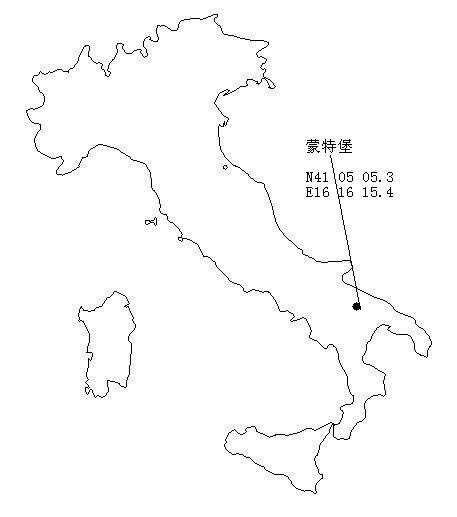
- Castel del Monte A UNESCO World Heritage Site renowned for its octagonal design and medieval history (UNESCO).
- Andria Cathedral A testament to Apulian Romanesque architecture.
- Palazzo Ducale The historic ducal palace.
- Alta Murgia National Park Expansive landscapes ideal for nature walks and birdwatching.
Facilities and Accessibility
- Wheelchair Access Main exhibition areas are accessible; some upper floors may have limited access.
- Restrooms Modern facilities located on the ground floor.
- Cloakroom Available for coats and bags.
- Gift Shop Books, crafts, and souvenirs themed around hunting and Apulian culture.
- Photography Allowed without flash unless otherwise indicated; restrictions may apply during special exhibitions.
Visitors with specific needs should contact the museum in advance to confirm accommodations.
Planning Your Visit: Practical Tips
- Language Italian is primary; some staff speak English or French.
- Dress Code Modest attire recommended, especially near religious sites.
- Food No café onsite, but numerous eateries are nearby in the historic center.
- Best Seasons Spring (April–June) and autumn (September–October) offer the most pleasant climate and fewer crowds.
- Travel Andria is accessible by train and bus from Bari and Barletta; parking is available near the center but may be limited.
Guided Tours, Events, and Community Engagement
- Guided Tours Available by appointment in Italian and sometimes English/French; especially recommended for in-depth exploration.
- Workshops & Educational Programs Collaborative events with local schools and organizations foster appreciation for regional heritage.
- Special Events Temporary exhibitions, lectures, and cultural festivals (e.g., Festival “Castel dei Mondi,” Festival of Mediterranean Sounds) enhance the museum experience.
For current events, check the Beautiful Puglia site or the museum’s own communication channels.
Nearby Attractions and Suggested Itineraries
Enhance your visit by exploring:
- Castel del Monte 16–18 km from Andria, accessible by car or bus.
- Historic Center Romanesque churches, medieval streets, and charming piazzas.
- Alta Murgia National Park Nature trails, wildlife, and regional flora.
- Nearby Towns Trani, Barletta, and Bari each offer unique historical and architectural sites.
Suggested itinerary: Morning at Mu.D'A.V., lunch at a local trattoria, followed by an afternoon visit to Castel del Monte or a walking tour of Andria’s old town.
Frequently Asked Questions (FAQ)
Q: What are Mu.D'A.V. visiting hours?
A: Tuesday to Sunday, 10:00–13:00 and 16:00–19:00; closed Mondays and holidays.
Q: How much are tickets?
A: €5–7 for adults, reduced rates for students/seniors/groups, children under 6 free.
Q: Is the museum wheelchair accessible?
A: Main areas are accessible; some historic spaces may have limitations.
Q: Are guided tours available?
A: Yes, by request; advanced booking recommended for groups.
Q: Can I take photos in the museum?
A: Yes, without flash, unless otherwise indicated.
Q: How do I reach Mu.D'A.V. from Bari?
A: Train or bus to Andria, then local transport or taxi to the museum.
Q: What other attractions are nearby?
A: Castel del Monte, Andria Cathedral, Palazzo Ducale, Alta Murgia National Park.
Contact Information and Official Links
- Address Mu.D'A.V. – Museo D’Arte Venatoria, Via Cattedrale, 76123 Andria BT, Italy
- Phone +39 0883 572 123 (Andria Tourism Office)
- Email [email protected]
- Official Resources