Plan and listen to Parco Del Cardeto with Audiala.
Audio guide in your pocket, itinerary in your browser. Built for the way you actually visit.
Introduction: Discover the History and Significance of Parco del Cardeto
Perched atop the Cardeto and Cappuccini hills, Parco del Cardeto is Ancona’s largest and most evocative urban park, spanning around 35 hectares. This green oasis seamlessly integrates Mediterranean landscapes with centuries of history, offering visitors a remarkable journey through Ancona’s military, religious, and civic past. From ancient Jewish and English cemeteries to Napoleonic-era forts and panoramic lighthouse viewpoints over the Adriatic Sea, the park captivates with its blend of natural beauty and rich heritage. Open daily from 8:00 AM until sunset and offering free admission, Parco del Cardeto welcomes everyone—history enthusiasts, nature lovers, and families alike—to experience its serene paths, historical sites, and community events (Ancona Tourism, Ecco Le Marche, Marche Tourism).
Stretching across Ancona’s northern ridge, Parco del Cardeto is a living museum and an urban retreat. Visitors stroll through Mediterranean scrub, pine groves, and wildflower-strewn meadows while discovering the city’s layered history through well-preserved monuments and interpretive trails. The park’s elevated position provides sweeping views over the city, coastline, and harbor, making it a favorite for both relaxation and exploration.


Historical and Cultural Highlights
Origins and Early Development
The park’s name derives from “cardo” (thistle), a plant once abundant and associated with the goldfinch—now a rare sight but still depicted on the park’s emblem (Ancona Tourism). Human presence in the area dates back to the 15th century, with the founding of one of Europe’s oldest Jewish cemeteries in 1428.
Military Fortifications
Strategically positioned above the city and the Adriatic, the hills saw significant military development, especially during the Napoleonic era. The French constructed a ring of 14 forts, several of which remain:
- Bastione San Paolo: A 16th-century bastion with underground passages and Renaissance fortifications (Ancona Tourism).
- Forte Cardeto and Forte dei Cappuccini: Built from 1799 onwards to defend Ancona, these forts are integral to the city’s military heritage.
Cemeteries and Sacred Spaces
- Jewish Cemetery (Campo degli Ebrei): One of Europe’s largest and oldest, with 178 tombstones dating back to the 15th century and oriented toward Jerusalem (Ecco Le Marche).
- English Cemetery: Established in the 19th century, this Protestant cemetery commemorates the city’s maritime and international connections.
Civic and Cultural Evolution
- Old Lighthouse: Dating from 1860, this now-closed lighthouse frequently hosts cultural events and provides scenic vistas (Ecco Le Marche).
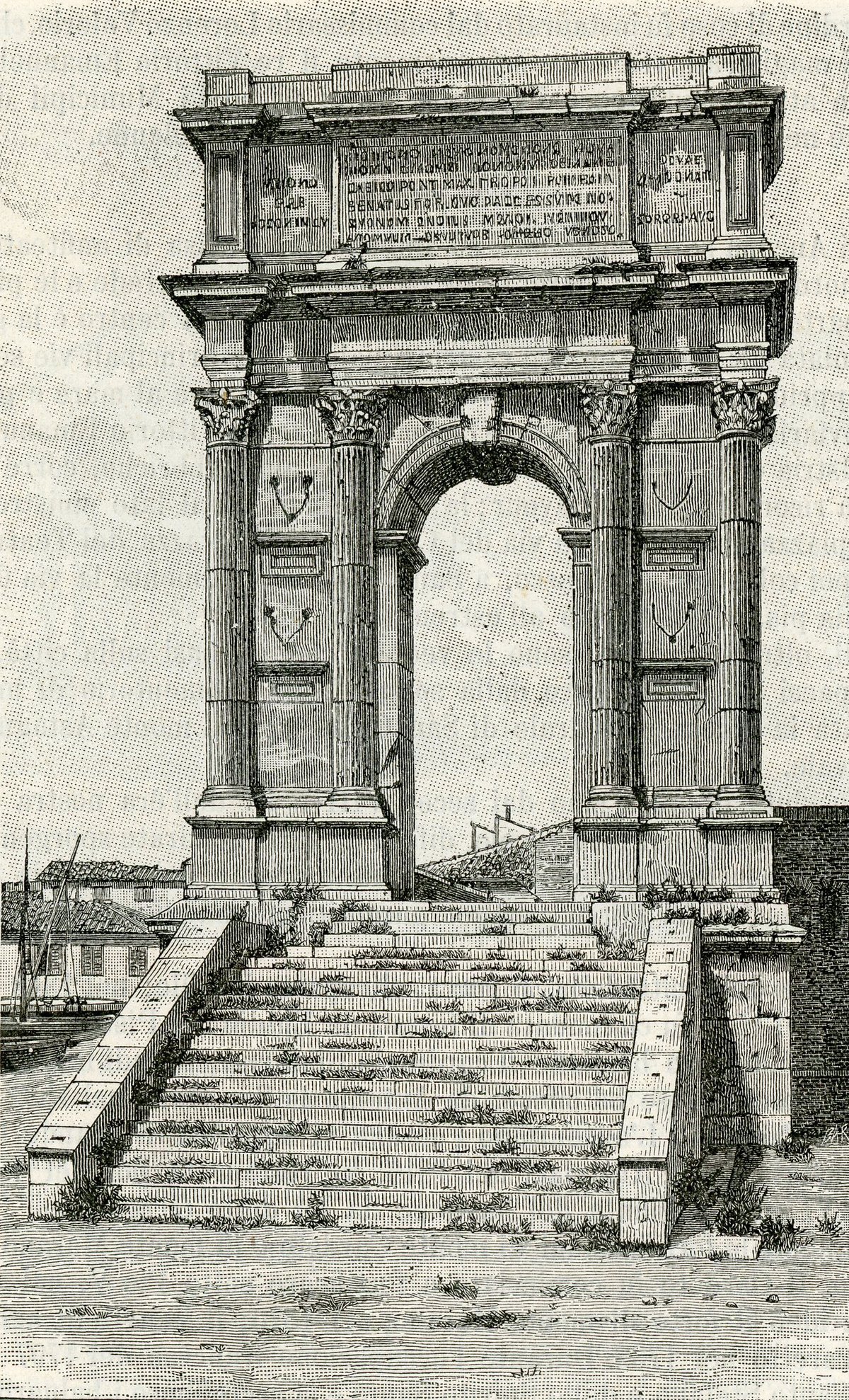
- Roman Amphitheater Remains: Visible from the park and accessible via nearby trails, connecting visitors to Ancona’s ancient roots.
- Wartime Memorial: A plaque on Via Birarelli marks the tragic 1943 bombing.
Planning Your Visit
Visiting Hours and Tickets
- Opening Hours: Daily, 8:00 AM to sunset (seasonal variations may apply).
- Tickets: General admission is free. Guided tours of restricted sites (like the Jewish Cemetery) require advance booking and a ticket (~€12, with discounts).
Accessibility and Facilities
- Most trails are accessible, but some historic sections (e.g., near the cemeteries and fortifications) feature steps or steep gradients.
- Main paths support wheelchairs and strollers, but visitors with mobility concerns should consult local guides.
- Drinking fountains and public restrooms are located near main entrances; there are no cafés or restaurants inside the park.
Guided Tours and Events
- Guided tours (in Italian and English, by request) explore both natural and historical highlights. Advance booking is advised, especially for cemetery access (Savoring Italy).
- The park regularly hosts art installations, environmental education programs, and community events. Notably, the 2025 “Tensione Superficiale” installation by Eugenio Tibaldi merged art with sustainability (Cronache Ancona).
Unique Features and Best Photo Spots
- Panoramic overlooks from Forte dei Cappuccini and the “Belvedere” trail.
- Springtime wildflowers and rare orchids.
- Historic tombstones and military ruins offer atmospheric settings for photography.
Nearby Attractions
- Ancona’s historic center: Roman ruins, museums, and markets.
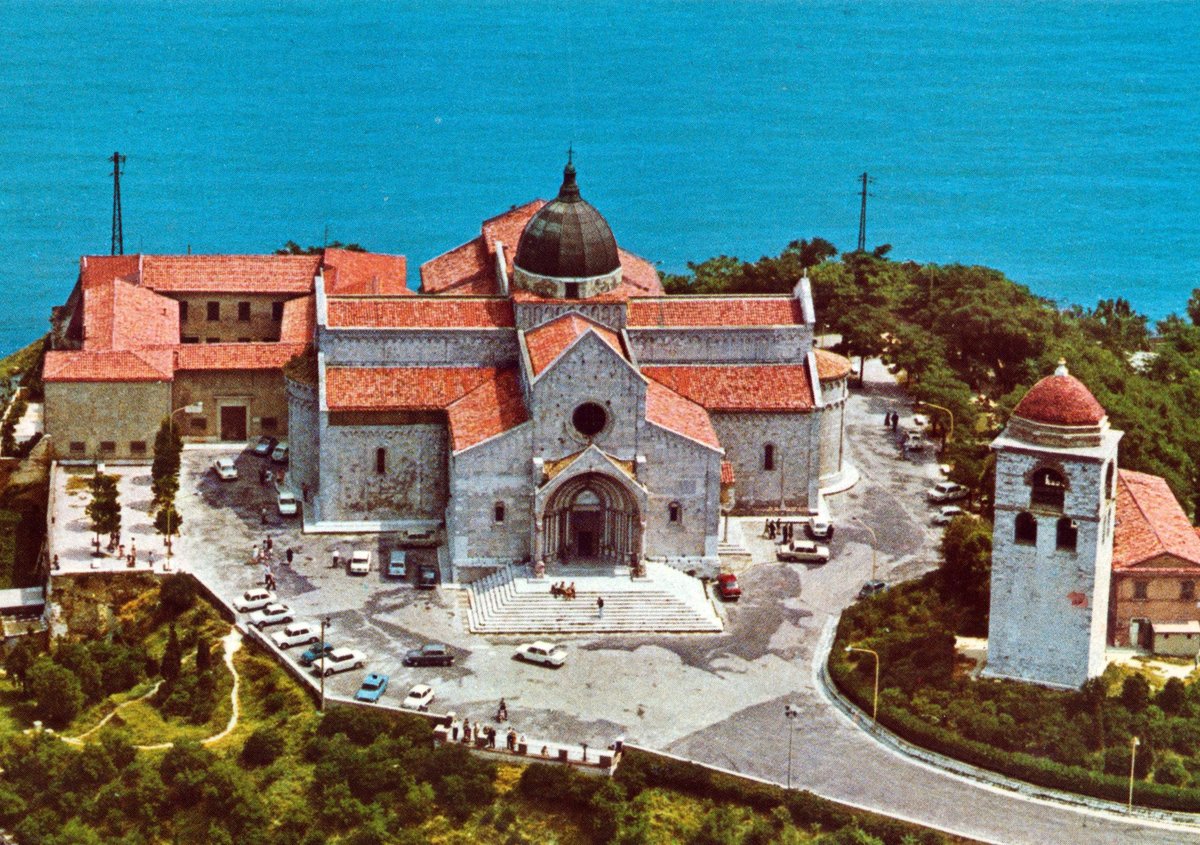
- Cattedrale di San Ciriaco and the Roman Amphitheater: Easily accessible via park trails.
- Mole Vanvitelliana: A short walk away, hosting exhibitions and cultural activities (The Crazy Tourist).
Natural Landscape and Biodiversity
Parco del Cardeto preserves a vital stretch of Mediterranean flora, including broom, hawthorn, cypress, capers, and over 400 plant species (Marche Tourism). Ornithologists will appreciate the park’s role as a migratory bird stopover, with kestrels, goldfinches, and swifts among regular sightings. The Cardeto cliffs—“Le Rupi del Cardeto”—are a protected habitat, plunging dramatically to the sea and supporting endemic flora.
Visitor FAQs
What are Parco del Cardeto’s opening hours?
Open daily from 8:00 AM until sunset (hours may vary by season; check the official website).
Is there an entrance fee?
No, entry is free. Guided tours of restricted sites require advance booking and a fee.
Are dogs allowed?
Yes, dogs are welcome on a leash.
Is the park accessible for those with mobility impairments?
Most main paths are accessible, but some areas (e.g., cemeteries, fortifications) are uneven or steep.
Are guided tours available in English?
Yes, by advance request via local guides or the tourism portal.
Travel Tips and Practical Advice
- Getting There: The park is a 15-minute walk from Ancona’s city center, with main entrances at Via Cardeto, Via del Faro, and Via Panoramica. Public buses stop nearby; parking is limited.
- What to Bring: Sturdy shoes, layered clothing, water and snacks, sun protection, and a camera or binoculars.
- Visitor Conduct: Respect historical sites and natural habitats; dogs must be leashed; no open fires or barbecues.
- Best Times to Visit: Spring and early autumn, or early mornings for fewer crowds and optimal light.
Discover More
Parco del Cardeto is a vibrant urban oasis where nature, history, and culture converge. Whether you’re seeking panoramic strolls, historical insight, or community events, the park is an essential destination in Ancona. To plan your visit, check official resources for updated hours and event listings. For an enriched experience, download the Audiala app for curated audio tours and real-time tips.
Listen to the full story in the app
The whole Parco Del Cardeto,
told well.
Listen to sourced travel stories with local history and practical context — ready offline.
Verified, and shown.
Researched and written by the Audiala editorial team from historical records, architectural archives, and local expertise.
Built from cited sources · see the method · How we make our guides →