Plan and listen to Lazzaretto Of Ancona with Audiala.
Audio guide in your pocket, itinerary in your browser. Built for the way you actually visit.
Introduction
The Lazzaretto of Ancona—also known as the Mole Vanvitelliana—is a monumental testament to the city’s maritime history, blending 18th-century architectural innovation with centuries of evolving civic, cultural, and public health roles. Situated on a striking pentagonal artificial island at Ancona’s harbor, this iconic landmark was commissioned in 1733 by Pope Clement XII and designed by Luigi Vanvitelli, one of Italy’s foremost architects. Originally serving as a quarantine station to protect Ancona from plague and infectious diseases, the Lazzaretto’s bold design and continued adaptation over the centuries make it a key symbol of resilience and transformation in the region (renatoprosciutto.com; Wikipedia; Ancona Tourism).
Today, the Mole Vanvitelliana is a vibrant cultural center, home to exhibitions, performances, and the renowned Museo Tattile Statale Omero. Its fascinating history and unique architecture draw visitors from around the world seeking to explore Ancona’s maritime heritage and dynamic cultural scene (Divento; Riviera del Conero).
This comprehensive guide covers the Lazzaretto’s origins, historical transformations, visitor information—including hours, tickets, and accessibility—special events, and practical tips for travelers.
Historical Origins and Architectural Vision
Commissioned by Pope Clement XII in 1733, the Lazzaretto of Ancona was designed by Luigi Vanvitelli as a quarantine station—known as a “lazaret”—to safeguard the city from epidemics that frequently threatened Mediterranean port communities. Vanvitelli’s innovative pentagonal layout, constructed on an artificial island separated from the mainland by a navigable canal, was both a practical solution for isolation and a reflection of Enlightenment ideals of order and rationality (renatoprosciutto.com; Italien Expert).
The building’s robust walls and strategic location allowed for the controlled movement and segregation of people, animals, and goods, greatly reducing the risk of contagion entering the city. At its heart stands a neoclassical tempietto dedicated to San Rocco, patron saint of plague victims, providing both spiritual solace and a symbolic center to the complex (Ancona Tourism; Cultural Heritage Online).
Evolution of Function and Cultural Significance
While its initial purpose was strictly medical, the Lazzaretto’s function shifted in response to Ancona’s changing needs. Over time, it served as a military barracks, prison, customs warehouse, hospital, and storage facility. During the Austrian occupation (1849–1859), it became a site of political repression during the Risorgimento, marking its place in the struggle for Italian unification (renatoprosciutto.com).
In the 20th century, the structure saw periods of decline and industrial use, including as a tobacco and sugar processing plant. Restoration efforts from the late 1970s onward revitalized the Mole Vanvitelliana, transforming it into a thriving cultural venue and symbol of adaptive reuse (Wikipedia; Divento).
Architectural Features and Symbolism
The Lazzaretto’s pentagonal plan—each side measuring about 125 meters and enclosing a 20,000-square-meter area—is unique among Italian lazarets. Its thick brick-and-stone walls were built to withstand not only disease but also the harsh maritime environment. Five bastions at each corner provided defensive strength, while internal courtyards ensured air circulation and efficient quarantine procedures (Cultural Heritage Online).
The central chapel, or tempietto, is adorned with Doric columns and was originally built over a well—essential for sanitation and symbolic of life and healing. The Lazzaretto’s restrained exterior contrasts with Vanvitelli’s attention to proportion and harmony, reflecting Enlightenment values (Italien Expert; Provincia Ancona).
Visiting Hours and Ticketing
Visiting hours and ticketing may vary by season and event. As of the 2025 season:
- General Opening Hours: Tuesday to Sunday, 10:00 AM – 6:00 PM; closed Mondays and major public holidays.
- Summer Season (June 15–September 15): 8:00 AM – midnight for festival and event access (Comune di Ancona).
- Ticket Prices: General admission €8; reduced €5 (students, seniors); free for children under 18, Ancona residents, and disabled visitors with a companion. Event tickets may range €5–€20.
Where to Buy: Tickets can be purchased online via official tourism websites, at the Mole Vanvitelliana ticket office, or through authorized vendors. Advance booking is recommended during peak seasons (Ancona Tourism; Divento).
Accessibility and Visitor Services
The Lazzaretto is designed for accessibility:
- Mobility: Ramps, elevators, and accessible restrooms throughout.
- Museo Tattile Statale Omero: Offers tactile exhibits for visually impaired visitors and is a model for inclusive museum experiences (Riviera del Conero).
- Information: Multilingual signage available during major events; guided tours and audio guides offered in Italian and English.
Additional amenities include public restrooms, temporary cafés during events, and an information desk at the main entrance.
Special Events, Guided Tours, and Programming
Throughout the year, the Lazzaretto hosts:
- Art exhibitions, contemporary installations, and historical displays.
- Music festivals, jazz concerts, open-air cinema, and theater.
- Religious and cultural ceremonies in the coach yard and at the shrine of St. Rocco.
- Family workshops, educational activities, and food festivals highlighting local Marche cuisine (Divento; Comune di Ancona).
Check the official event calendar for up-to-date programming.
Getting There and Nearby Attractions
Location: Banchina Giovanni da Chio / Quay Nazario Sauro, 60121 Ancona, Italy.
- By Car: Parking available near the harbor; spaces may fill quickly during events.
- By Public Transport: Accessible from Ancona’s main train station (2 km), with local buses and taxis.
- On Foot: Walking distance from the city center and port hotels.
Nearby Sights:
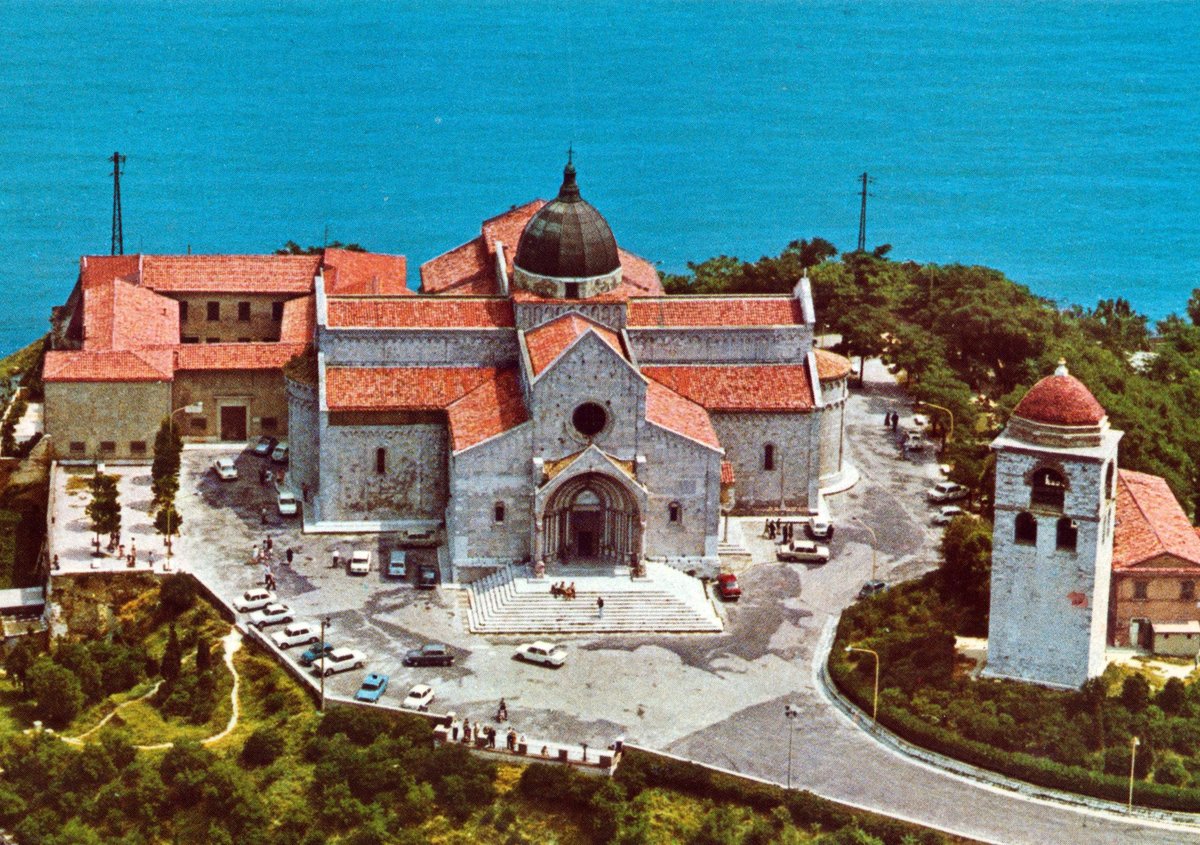
- Ancona Cathedral (San Ciriaco)
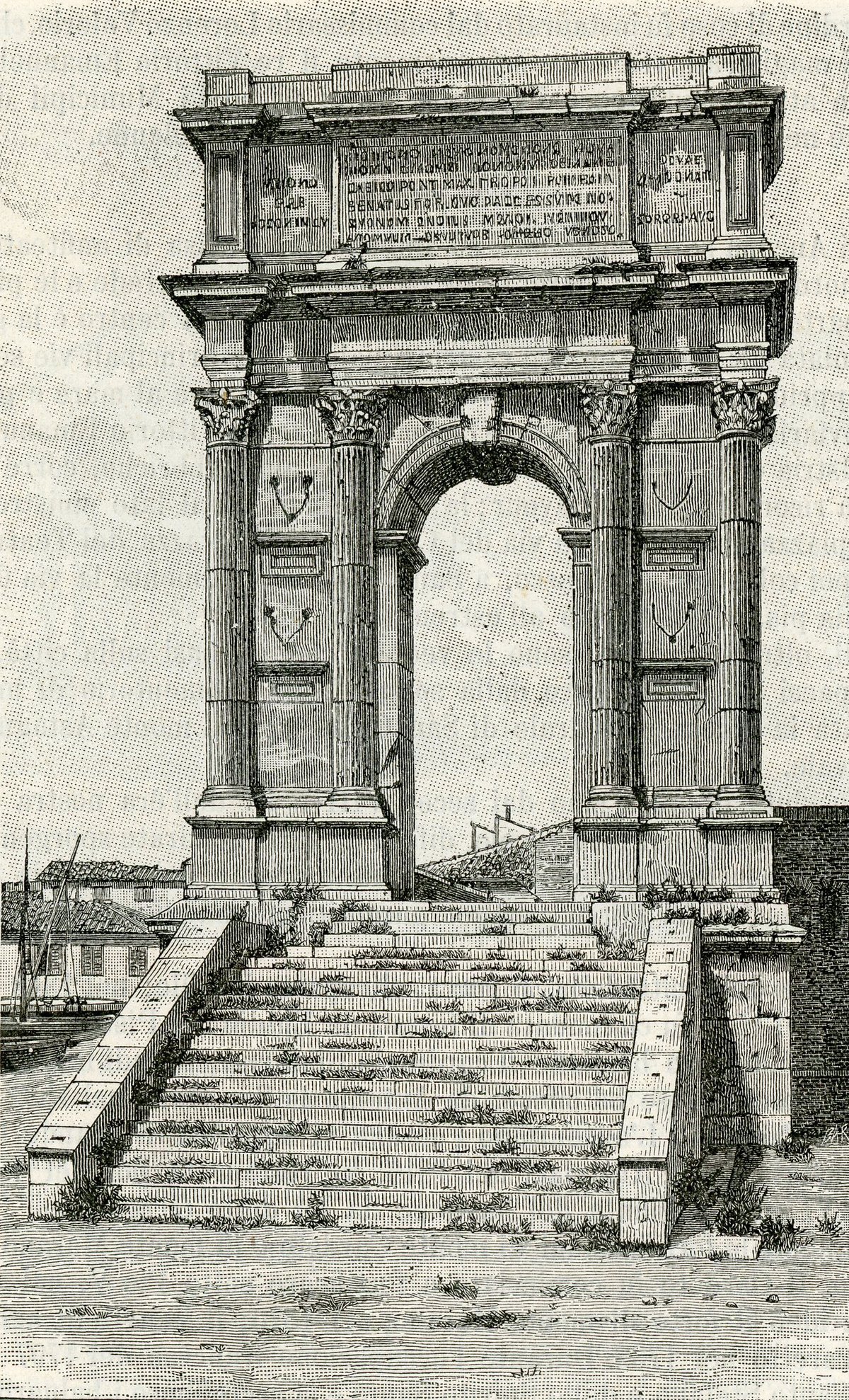
- Arch of Trajan
- National Archaeological Museum of the Marche
- Piazzas and waterfront eateries (The Crazy Tourist)
Visitor Tips and FAQs
Best Times to Visit: Spring and summer for festivals; early morning or late afternoon for photography.
Dress Code: Wear comfortable shoes and bring sun protection for outdoor courtyards.
Duration: Allow 30 minutes to 2 hours, more if attending events or museum exhibitions.
Languages: Italian is primary; English offered at major events and museums.
Photography: Allowed in most areas unless otherwise noted.
FAQs:
- Where can I buy tickets? Online, at the venue, or via authorized platforms (Triphobo).
- Is it wheelchair accessible? Yes, with ramps and elevators throughout main areas.
- Are guided tours available? Yes, especially during weekends and festivals; book in advance.
- Are children welcome? Absolutely, with many family-friendly activities during festivals.
Listen to the full story in the app
The whole Lazzaretto Of Ancona,
told well.
Listen to sourced travel stories with local history and practical context — ready offline.

Verified, and shown.
Researched and written by the Audiala editorial team from historical records, architectural archives, and local expertise.
Built from cited sources · see the method · How we make our guides →