Plan and listen to Arch Of Trajan with Audiala.
Audio guide in your pocket, itinerary in your browser. Built for the way you actually visit.
Introduction
The Arch of Trajan in Ancona is a remarkable testament to Roman engineering, imperial symbolism, and the city’s longstanding maritime heritage. Built between 100 and 116 AD by order of the Roman Senate and dedicated to Emperor Trajan, this white marble monument commemorates a pivotal expansion of Ancona’s harbor—a project that established the city as a strategic gateway for trade and military operations across the Adriatic Sea. Designed by the famed architect Apollodorus of Damascus, the arch’s Corinthian columns and elegant reliefs reflect both artistic mastery and the economic significance of Ancona in the Roman Empire. Today, it stands as one of Italy’s best-preserved Roman monuments, offering visitors not only a glimpse into antiquity but also a touchstone for the city’s vibrant urban life. This guide provides detailed insight into the arch’s architectural features, historical context, accessibility, visiting hours, and nearby attractions, ensuring a comprehensive experience for every traveler. For more information, consult resources such as the Comune di Ancona and Savoring Italy.

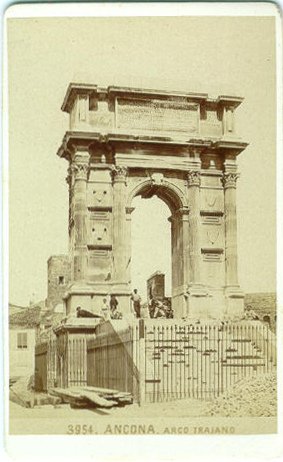
Roman Origins and Construction
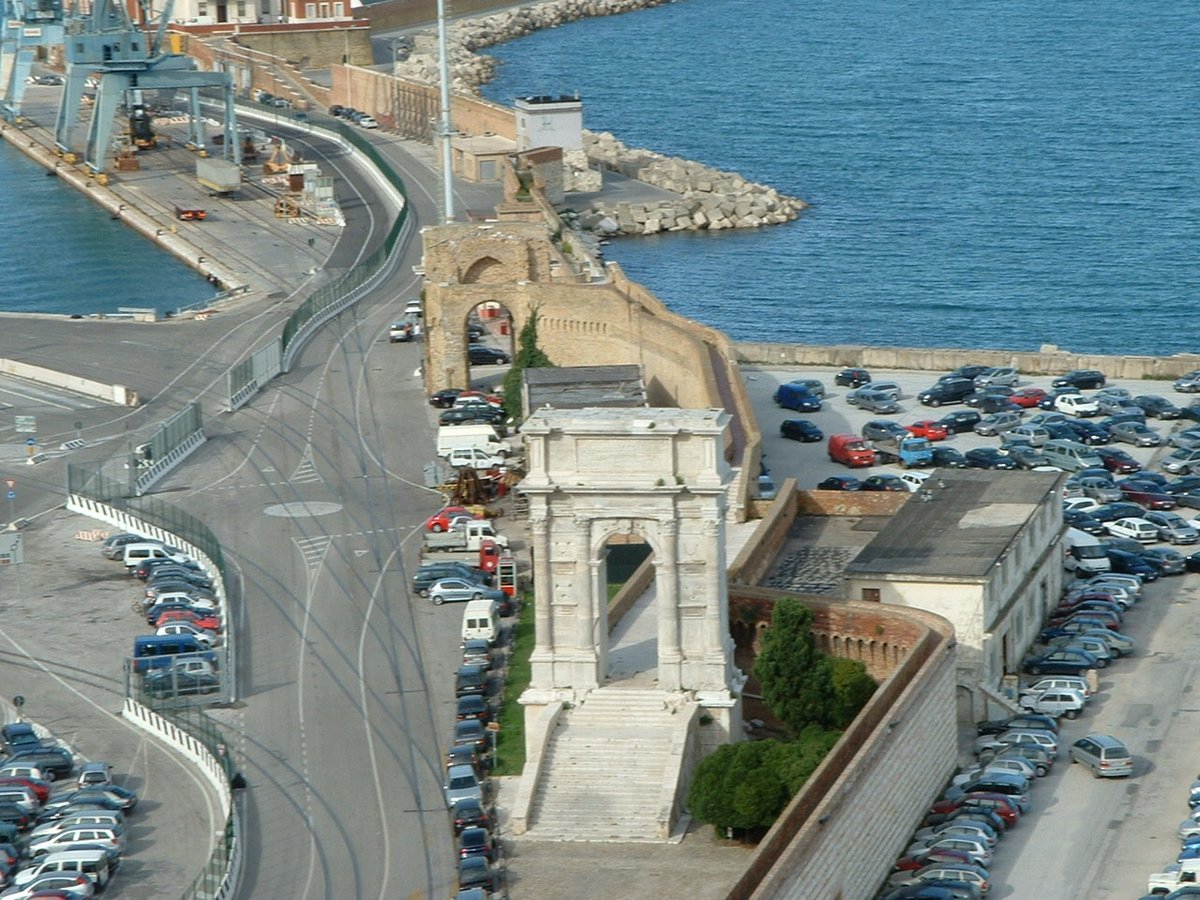
Erected between 100 and 116 AD, the Arch of Trajan was commissioned by the Roman Senate to honor Emperor Trajan, who personally financed Ancona’s port expansion (Comune di Ancona). The city’s natural harbor—its name derived from the Greek “ankon,” meaning “elbow”—was a vital node for Rome’s eastern trade and military expeditions. Apollodorus of Damascus, the renowned architect behind Trajan’s Forum and Market in Rome, designed the arch. It is built entirely from Turkish marble and rises 14 meters above a prominent podium at the ancient port’s entrance.
Symbolism and Dedication
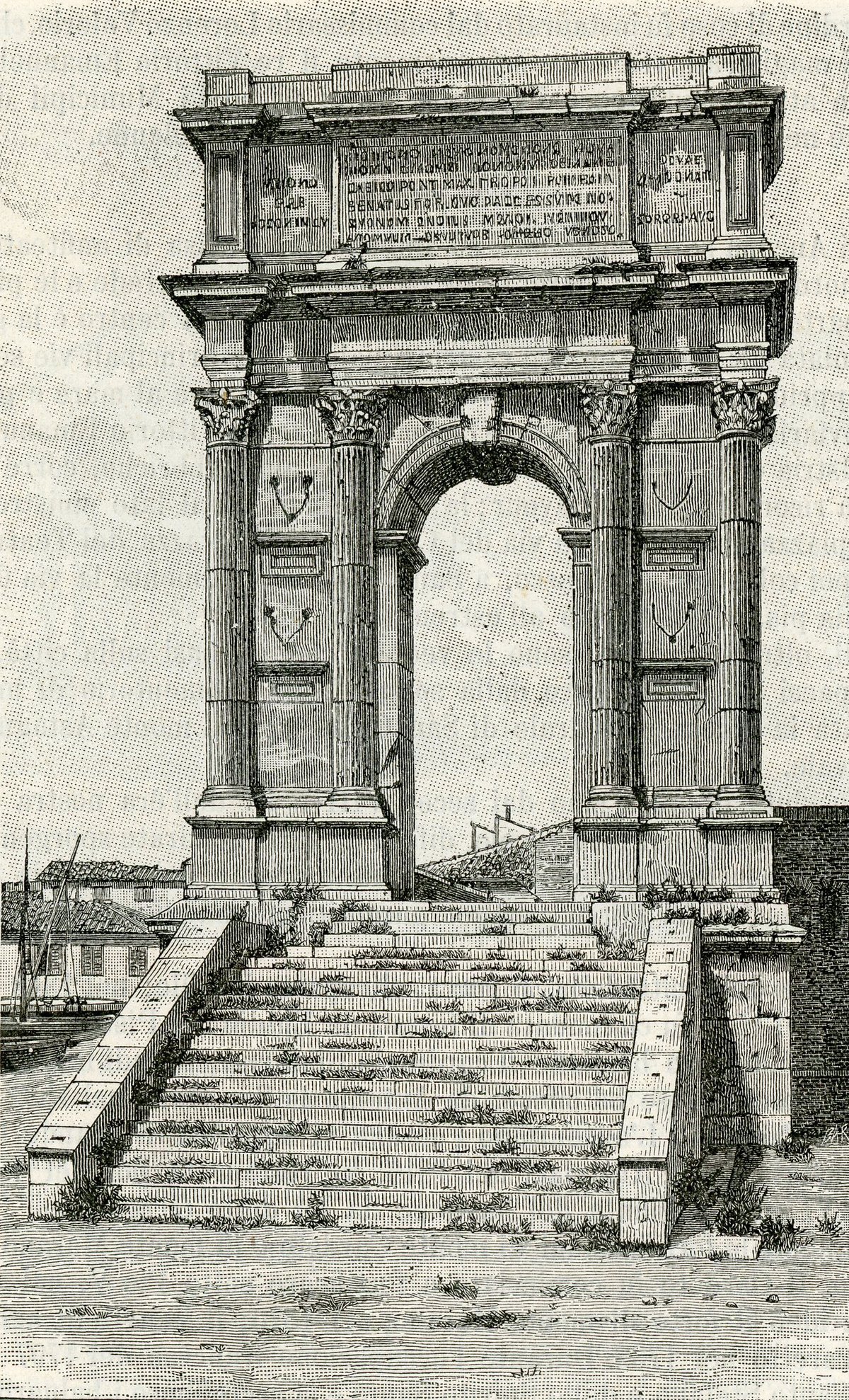
The arch was more than a decorative gateway; it was a symbol of imperial generosity and Rome’s enduring influence. The attic bears an inscription honoring Trajan, his wife Plotina, and his sister Marciana (Comune di Ancona). Originally, bronze statues of the emperor and his family, as well as bronze inscriptions, adorned the monument—these were stolen by Saracen pirates in 848 AD. The arch’s position at the harbor symbolized both Ancona’s importance in the Roman Empire and its role as a departure point for Trajan’s Dacian campaigns.
Architectural Features and Preservation
Standing 14 meters tall, the arch features a single central passageway flanked by robust piers and adorned with two pairs of fluted Corinthian columns on each façade. The attic’s Latin inscription is still legible and provides critical historical context. Although its original bronze adornments are lost, the arch remains remarkably well-preserved thanks to high-quality marble and ongoing conservation (Savoring Italy). Restoration efforts have included non-invasive cleaning, stone consolidation, and stabilization of the monument’s foundations.
Historical Role in Ancona’s Development
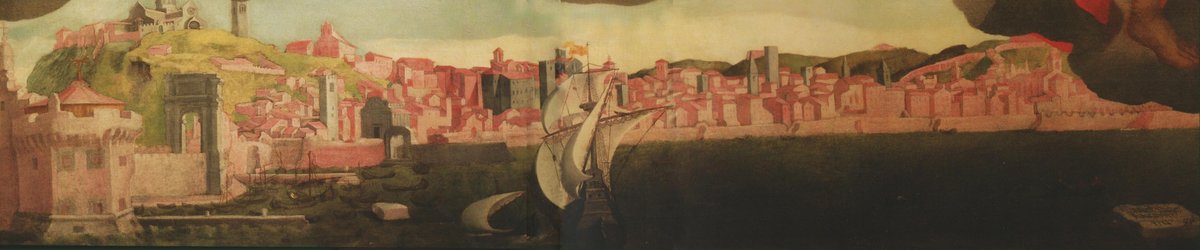
The arch marks a period of prosperity for Ancona, catalyzed by Trajan’s harbor expansion, which elevated the city to a major hub for commerce and military logistics (Nomadic Samuel). The monument reinforced the city’s identity as Rome’s eastern gateway, attracting merchants and travelers from across the Mediterranean. Throughout the Middle Ages, the arch continued to serve as a maritime landmark, signaling Ancona’s enduring relevance even as the city’s fortunes fluctuated.
Medieval and Modern Transformations
Despite the looting of its bronze decorations in the 9th century, the arch survived successive waves of conflict and transformation. Integrated into the evolving urban landscape, it remained a navigational aid and a symbol of Ancona’s resilience. Modern restoration campaigns, particularly after World War II, have preserved the arch for contemporary audiences.
Visiting the Arch of Trajan: Hours, Tickets, and Accessibility
Visiting Hours
The Arch of Trajan is an open-air monument accessible year-round—there are no gates or restricted hours. Optimal visiting times are during daylight, from morning until sunset, to best appreciate architectural details and for safety. The monument is also beautifully illuminated after dark, making evening visits popular for photography.
Tickets and Entry
There is no entry fee; the monument is free to visit. Guided tours that include the arch and other Ancona historical sites are available through local tour operators and may require advance booking and a fee.
Accessibility
The arch is situated on level, paved ground near the harbor front, making it accessible for visitors with mobility challenges. Some nearby streets are cobblestoned, so comfortable footwear is recommended. Public transportation, parking, and facilities for disabled visitors are available nearby.
Nearby Attractions and Travel Tips
While visiting the Arch of Trajan, consider exploring:
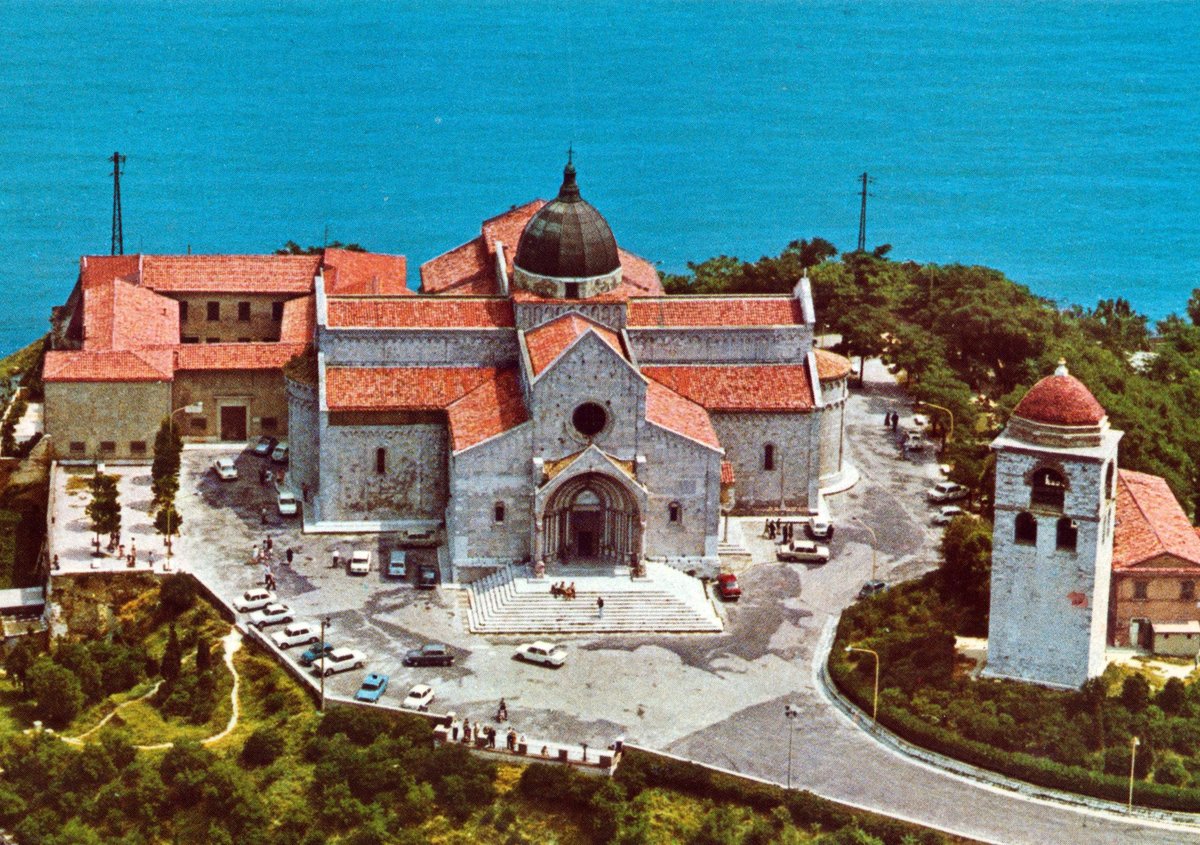
- Ancona Cathedral (Cattedrale di San Ciriaco): A Romanesque gem with sweeping sea views.
- Lazzaretto (Mole Vanvitelliana): A pentagonal island fortress and cultural center.
- Roman Theatre: Remnants of Ancona’s ancient entertainment scene.
- Port Area: Vibrant with restaurants, cafes, and views of the Adriatic.
The arch is a 10-minute walk from the train station and city center, with ample public transport and parking options. Spring and early autumn are ideal for visiting due to pleasant weather and local festivals.
Preservation and Restoration Efforts
Significant conservation initiatives have protected the arch from environmental and human-induced damage (visititaly.eu). Restoration has included cleaning, stone consolidation, and repairs following World War II. Ongoing maintenance by the municipality ensures the monument’s continued stability.
Public Engagement and Educational Initiatives
Local schools, cultural groups, and tour operators organize educational programs, guided tours, and community events at the arch. Interpretive signage, multilingual resources, and QR codes provide historical context and virtual reconstructions, enriching the visitor experience.
Integration with the Urban Landscape
The arch’s silhouette, visible from both land and sea, is a symbolic beacon for Ancona. Nighttime illumination enhances its beauty and encourages evening visits. The arch is part of a broader network of historical landmarks, including city walls, the Mole Vanvitelliana, and Ancona Cathedral, offering visitors a layered historical experience.
Frequently Asked Questions (FAQs)
Q: Is the Arch of Trajan free to visit?
A: Yes, the arch is open year-round with free admission.
Q: What are the visiting hours?
A: The site is accessible daily from dawn until dusk, with evening illumination.
Q: Are guided tours available?
A: Yes, several local operators offer guided tours, including family-oriented options.
Q: Is the site wheelchair accessible?
A: The promenade is paved and suitable for wheelchairs, though some uneven surfaces exist near the monument.
Q: Can I take photos at the Arch of Trajan?
A: Photography is allowed and encouraged; however, climbing on the structure is prohibited.
Summary and Visitor Recommendations
The Arch of Trajan is a window into the grandeur of Roman imperial history and a testament to Ancona’s maritime legacy. Its gleaming marble, Corinthian columns, and inscriptions make it a highlight among Italy’s Roman monuments. Free and accessible year-round, the arch is ideal for history buffs, architectural enthusiasts, and casual travelers alike. Combine your visit with nearby historical sites for a comprehensive cultural experience. Ongoing preservation and community engagement ensure the arch remains both a cherished landmark and a living symbol of Ancona’s identity. For up-to-date visitor information, consult the official Ancona tourism website and the Comune di Ancona.
Listen to the full story in the app
The whole Arch Of Trajan,
told well.
Listen to sourced travel stories with local history and practical context — ready offline.
Verified, and shown.
Researched and written by the Audiala editorial team from historical records, architectural archives, and local expertise.
Built from cited sources · see the method · How we make our guides →