Historical Background and Cultural Significance
Origins and Evolution
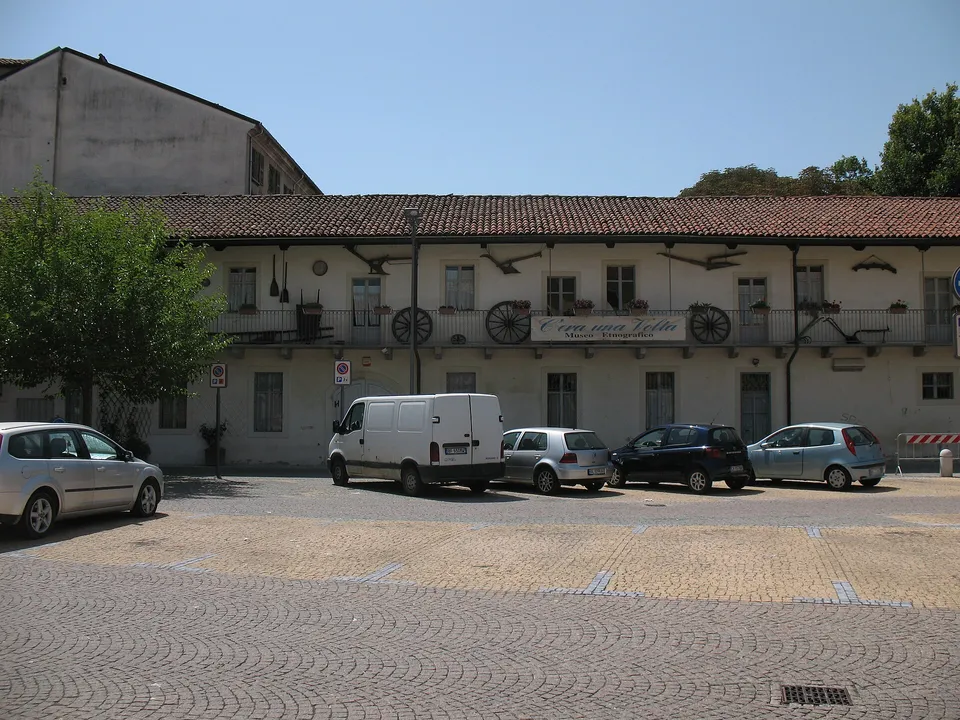
Alessandria’s strategic location between the Tanaro and Bormida rivers fostered its rise as a medieval trading and industrial center. Ironworking traditions in the city trace back to the late Middle Ages, later evolving through technological advancements during the 19th and 20th centuries (whichmuseum.com). The Museo Del Ferro was established to preserve and showcase this rich legacy, housed in a historic building that mirrors Alessandria’s industrial past.
The Janniello Family Legacy
The museum also honors the contribution of the Janniello family, who have maintained blacksmithing traditions in Alessandria for five generations. Their craftsmanship, preserved and celebrated through the museum’s collections, reflects both regional artistry and broader Italian industrial history (Alessandria Today).
Community and Regional Impact
Ironworking played a pivotal role in Alessandria’s economic and social development, supporting local construction, railways, and military needs. The museum’s exhibitions contextualize these changes and spotlight the impact of industrialization on the city’s growth, labor migration, and everyday life.
Permanent Collections and Exhibitions
Artifacts and Decorative Ironwork
The museum’s permanent collection is a journey through the evolution of metalworking, featuring:
- Traditional Tools Blacksmith hammers, tongs, anvils, bellows, and specialized implements for horseshoeing, carpentry, and agriculture.
- Decorative Ironwork Ornate gates, railings, locks, candlesticks, and a rare 19th-century wrought iron balcony, highlighting both functionality and artistic expression.
- Industrial Artifacts Early machine tools, archival photographs, and blueprints from local foundries, revealing the city’s transition from artisanal workshops to industrial production.
Each piece is accompanied by detailed descriptions, available in Italian and English, illustrating its historical and technical context.
Temporary and Thematic Exhibitions
Regularly rotating exhibitions delve into specialized themes such as the role of women in ironworking, religious iron art, and interdisciplinary collaborations with other cultural institutions (Triplyzer). These projects often include rare loans and multimedia installations, deepening the visitor’s understanding.
Living Traditions and Educational Activities
Blacksmithing Demonstrations and Workshops
Live forging demonstrations by local artisans bring the techniques of ironworking to life. Hands-on workshops, often aligned with UNESCO’s safeguarding of intangible cultural heritage, offer visitors of all ages the chance to learn basic forging or decorative skills. The museum’s multimedia hall also hosts conferences and multidisciplinary courses, fostering cultural exchange and education (Museionline).
Documentation and Oral Histories
Oral testimonies from retired blacksmiths and archival materials provide personal insight into the evolution of the craft, accessible via interactive kiosks within the museum.
Conservation and Community Engagement
Restoration Laboratory
An on-site lab preserves and restores historic ironwork, employing both traditional and modern techniques. Occasionally, visitors can join behind-the-scenes tours to witness conservation efforts firsthand.
Community Programs
Local residents are invited to participate in “Ironwork Days,” bringing family heirlooms for identification or assessment, and contributing to the preservation of Alessandria’s cultural memory.
Visitor Information
Location and Opening Hours
- Address Via dei Guasco 144, Alessandria, Italy (Museionline)
- Access Centrally located, easily reached on foot from main squares and landmarks such as the Cittadella di Alessandria and Cathedral of San Pietro.
- Public Transport Multiple bus stops are nearby; parking is available but may be limited during busy periods.
Opening Hours:
- Tuesday to Sunday: 9:00 AM – 6:00 PM
- Closed Mondays and major public holidays
- Some extensions during special events and festivals
Tickets and Booking
- Adults: €8
- Seniors (65+): €5
- Children under 12: Free
- Family Pass: €18 (2 adults + 2 children)
- Workshops and guided tours may have additional fees; advance booking is recommended, especially for groups or special events.
Tickets can be purchased on-site or reserved in advance by calling +39 0131 226368 (Alessandria Today). Online booking options are available through local tourism portals.
Accessibility and Facilities
- Wheelchair access via ramps and elevators
- Multilingual signage and audio guides (Italian, English, French)
- Ground floor exhibition spaces accessible to all visitors
- On-site library with resources for research and casual exploration
- Museum shop with local crafts and educational kits
- No on-site café, but many restaurants and cafés are within walking distance
Guided Tours and Events
- Guided tours in Italian, English, and French (advance booking recommended)
- Special themed tours and educational workshops for schools, families, and groups
- Participation in citywide events, including artisan fairs and European Heritage Days
Visiting Tips
- Weekdays and early mornings are best for a quieter experience
- Allow 1.5 to 2 hours for a comprehensive visit
- Non-flash photography is permitted except during temporary exhibits; always confirm with staff
- Interpretive materials are primarily in Italian; guided tours or translation apps can enhance non-Italian speakers’ experience
Alessandria Historical Sites: A Brief Travel Guide
Cittadella di Alessandria
A UNESCO-listed 18th-century star fortress, the Cittadella is open Tuesday to Sunday, 9:00 AM–6:00 PM. Adult entry is €8, with discounts for students and seniors. Guided tours reveal its military and architectural history. The fortress is wheelchair accessible on select routes.
Cathedral of San Pietro
This cathedral, a blend of Romanesque and neoclassical architecture, is open Monday to Saturday, 8:00 AM–12:00 PM and 3:00 PM–7:00 PM. Entry is free and the site is accessible.
Additional Museums
- Museo Civico di Palazzo Cuttica Art and local history
- Pinacoteca Rotating exhibitions of regional art
- Museo Etnografico della Gambarina Folk culture and traditions (Wildtrips)
Most museums are open Tuesday to Sunday, 10:00 AM–5:00 PM; tickets are typically €5.
Practical Tips
- Alessandria is accessible by train from Turin, Milan, and Genoa; local buses serve the city center
- Accommodation ranges from boutique hotels to countryside agriturismi
- Spring and autumn offer the best weather; book ahead during festivals
For more information, see WildTrips and Scributors.
Frequently Asked Questions (FAQ)
Q: How do I purchase Museo del Ferro tickets?
A: Tickets are sold on-site; call +39 0131 226368 to confirm prices and availability. Group bookings and workshops should be reserved in advance.
Q: Is the museum wheelchair accessible?
A: Main exhibition areas are accessible. Contact the museum for detailed information.
Q: Are guided tours available in English?
A: Yes, but advance booking is recommended to ensure availability.
Q: Can children participate in workshops?
A: Workshops cater to all ages, including children.
Q: Is photography allowed?
A: Generally permitted (no flash); always check with staff for specific exhibition policies.