Plan and listen to Habima Theatre with Audiala.
Audio guide in your pocket, itinerary in your browser. Built for the way you actually visit.
Introduction
Habima Theatre, located in the heart of Tel Aviv, is not only Israel’s national theatre but also a vital hub of culture, history, and architectural innovation. As the first Hebrew-language theatre in the world, Habima is a powerful symbol of the Hebrew language revival and Israeli national identity. Its journey from early 20th-century Moscow to its striking presence in Tel Aviv’s “White City” reflects resilience, creativity, and enduring relevance. This guide provides everything you need to know about visiting Habima Theatre—including updated visiting hours, ticketing, accessibility, guided tours, and nearby attractions—ensuring you make the most of your cultural exploration in Tel Aviv (Touristlink; Wikipedia; Israel by Locals).

Origins and Early Development
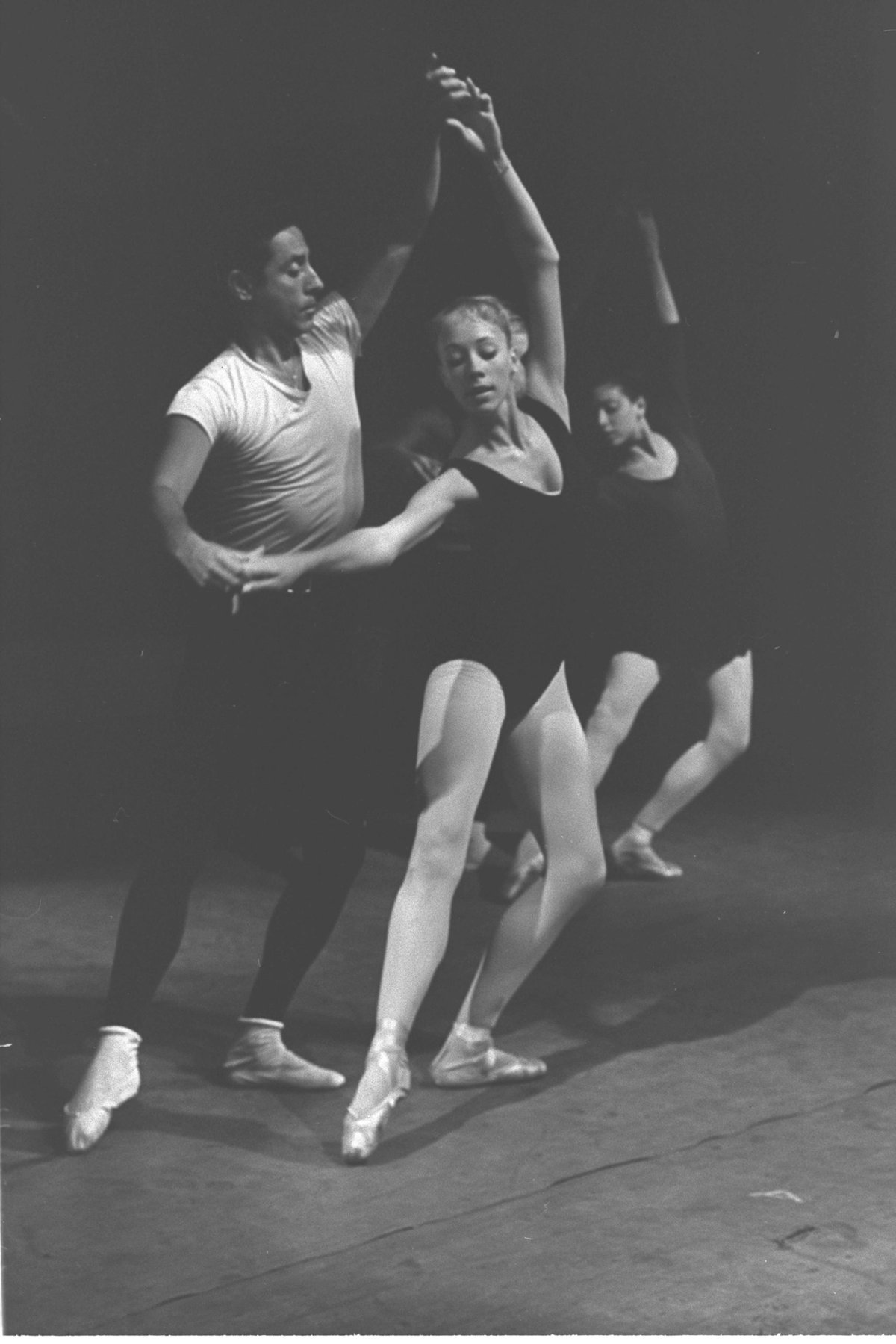
Habima Theatre was founded in Moscow in the early 20th century by Nahum Zemach as a revolutionary Hebrew-language theatre. Operating under the shadow of the Czarist regime, Habima’s mission was both artistic and political, contributing to the Hebrew language revival. Support from the renowned Moscow Art Theatre, including mentorship by Konstantin Stanislavski and Yevgeny Vakhtangov, helped Habima survive and thrive (Touristlink).
Relocation to Tel Aviv and National Recognition
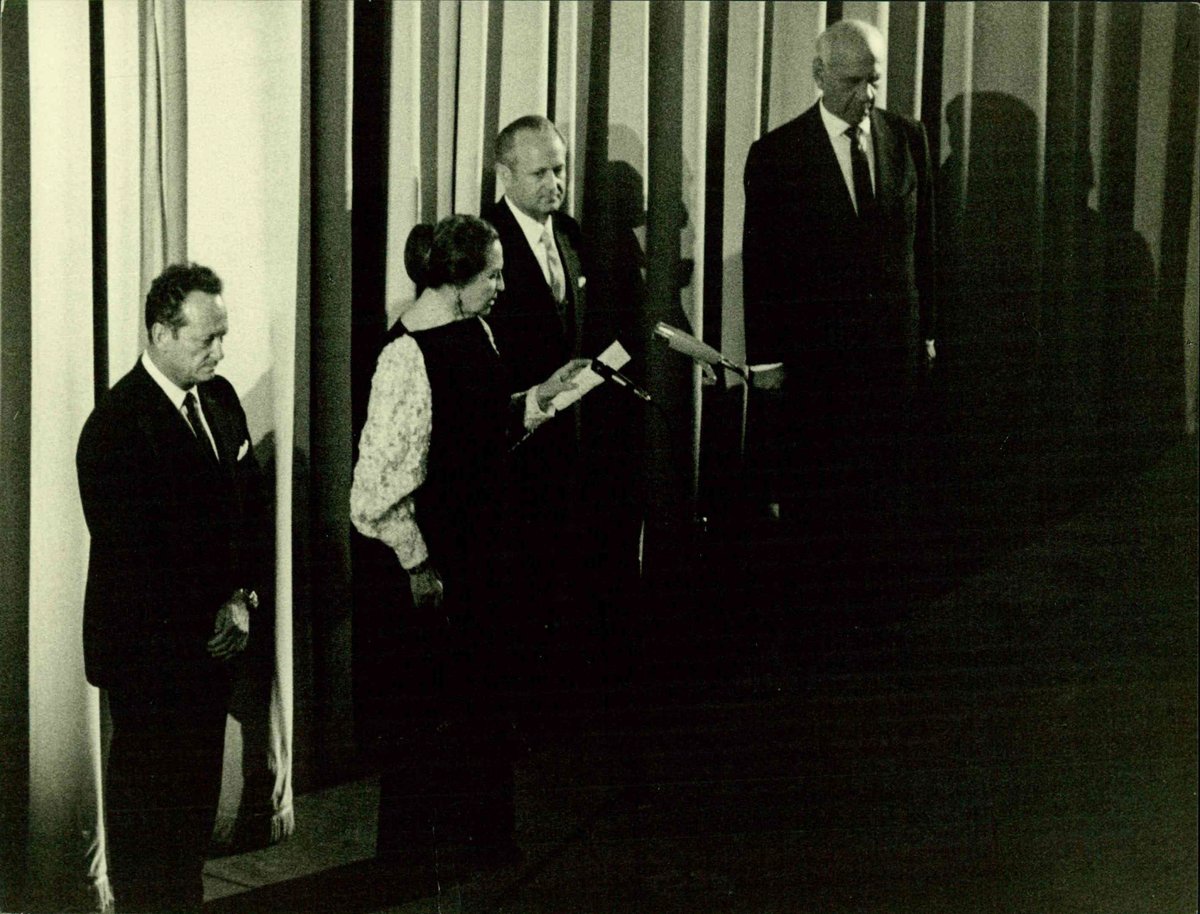
In the 1930s, Habima relocated to Tel Aviv, establishing itself as a cornerstone of Jewish and Israeli culture. In 1958, it was officially declared Israel’s national theatre and received the Israel Prize. Its productions ranged from classical adaptations to cutting-edge Israeli drama, cementing its influence on the nation’s cultural landscape (Mashable ME).
Artistic Legacy
Habima’s roots in Russian theatrical traditions, including the Stanislavski system, gave it a reputation for psychological realism and ensemble acting. Over time, it developed a uniquely Israeli repertoire, addressing themes of immigration, war, and social change (Haaretz).
Societal Role and Resilience
Habima has played a pivotal role in shaping Israeli identity—not only through its artistic offerings but by serving as a space for national reflection, especially during periods of challenge. Recent years have seen financial struggles, but the theatre continues to thrive as a municipal corporation, notably reopening after the COVID-19 pandemic (Mashable ME).
Architectural Evolution and Visitor Experience
Original Design and “White City” Heritage
Habima Theatre’s permanent home, completed in 1945 and designed by Richard Kaufmann, exemplifies the Bauhaus and International Style. Its geometric forms, minimalism, and integration into Tel Aviv’s “White City” reflect the city’s UNESCO-listed architectural heritage (ISRAEL21c).
The 21st-Century Renovation
By the early 2000s, the theatre underwent a major renovation led by architect Ram Karmi. The project restored the building’s modernist character, expanded performance and rehearsal spaces, improved accessibility, and revitalized Habima Square with landscape architect Dani Karavan’s design (Topos Magazine).
Key Architectural Features
- Performance Spaces: Four auditoriums—Rovina (930 seats), Meskin (320), Bertonov/Bamartef (220), and Habima 4 (170)—offer diverse theatrical experiences (Wikipedia).
- Public Amenities: Modern lobbies, cafés, accessible restrooms, and a five-level underground parking garage.
- Accessibility: Step-free entrances, elevators, wheelchair seating, and assistive listening devices.
- Habima Square: A multi-level urban park featuring a sunken garden, water basin, and Menashe Kadishman’s “Hitromemut” sculpture.
Habima Square and Urban Integration
Habima Theatre anchors Habima Square, a vibrant public space at the crossroads of Dizengoff Street and Rothschild Boulevard. The square’s minimalist landscaping, native plantings, and open lawns create a tranquil hub for relaxation and cultural gatherings (Israel by Locals).
Practical Visitor Information
Visiting Hours
- Box Office: Open daily from 10:00 AM–6:00 PM (extended until showtime on performance days).
- Performances: Typically scheduled Tuesday–Sunday, with evening shows around 8:30 PM.
- Public Access: The theatre is open to ticket-holders 30–45 minutes before showtime.
Always confirm current hours and special events on the official Habima Theatre website.
Ticketing and Pricing
- Standard Tickets: Typically 200–300 NIS, varying by production, seat, and day.
- Discounts: Available for students, seniors, groups, and members.
- How to Buy: Online via the official website, at the box office, or by phone with English support.
- E-Tickets: Accepted on mobile devices; physical collection also available.
Accessibility
- Facilities: Wheelchair ramps, elevators, accessible restrooms, and reserved seating.
- Assistance: Listening devices and multilingual signage; contact visitor services for special needs (Habima Official Site).
- Parking: Accessible spaces in the underground garage.
Guided Tours and Special Events
- Guided Tours: Available by appointment, offering insights into Habima’s history, architecture, and backstage areas.
- Special Events: Includes premieres, festivals, and educational workshops—check the performance schedule for current offerings.
Facilities and Amenities
- Lobbies & Cloakrooms: Comfortable seating and secure storage.
- Refreshments: On-site cafés (e.g., Arcaffé, Landwer Café) and snack bars.
- Restrooms: Accessible facilities on all floors.
Planning Your Visit
Getting There and Parking
- Public Transport: Well-served by buses, taxis, and bike-sharing; central location makes walking from major hotels easy.
- Parking: Underground lot beneath Habima Square; arrive early to secure a space during peak times (TripHobo).
Safety and Security
- Security Checks: Bag inspection at entry; allow extra time during busy events.
Visitor Demographics and Peak Times
- Audience: Locals, international tourists, students, and theatre lovers.
- Peak Times: Evenings, weekends, and during festivals. Advance booking is strongly advised (TripHobo).
Nearby Attractions and Local Context
Major Cultural, Art, and Historical Sites
- Culture Palace (Hechal Hatarbut): Premier concert hall for classical music (Israel by Locals).
- Helena Rubinstein Pavilion: Contemporary art exhibitions, part of Tel Aviv Museum of Art (Israel by Locals).
- Tel Aviv Museum of Art: Modern and contemporary art collections (Holidify).
- Eretz Israel Museum: Archaeology, anthropology, and cultural history (thetouristchecklist.com).
- Yitzhak Rabin Center: Interactive exhibits on Israeli history (thetouristchecklist.com).
- Joseph Bau House Museum: Art and history of a notable Israeli artist (Holidify).
- Bialik Street: Preserved historic homes of cultural figures (Holidify).
- Tel Aviv Port: Revitalized waterfront with dining and shopping (Holidify).
Parks, Gardens, and Public Spaces
- Yaakov Garden: Two-level green space with ancient sycamore trees and shaded seating (Israel by Locals).
- Water Basin: Striking minimalist centerpiece in Habima Square.
Culinary, Nightlife, and Shopping
- Rothschild Boulevard: Gourmet restaurants, boutique shops, and iconic Bauhaus buildings (Israel by Locals).
- Dizengoff Street: Lively shopping and café scene (Israel by Locals).
- Carmel Market: Open-air market for food, crafts, and street culture (thetouristchecklist.com).
- Neve Tzedek: Historic neighborhood with bars and live music venues (thetouristchecklist.com).
Beaches and Outdoor Activities
- Frishman Beach & Gordon Beach: Mediterranean beaches for swimming and leisure (Holidify).
Frequently Asked Questions (FAQ)
Q: What are Habima Theatre’s visiting hours?
A: The box office operates from 10:00 AM–6:00 PM (extended on show days). Performances are usually Tuesday–Sunday, with evening shows at 8:30 PM. Check the official website for current details.
Q: How can I buy tickets?
A: Purchase online via the official website, at the box office, or by phone with English-language support.
Q: Are performances accessible for non-Hebrew speakers?
A: Many shows offer English and sometimes Russian translations via subtitles or headsets—check the performance schedule.
Q: Is Habima Theatre accessible for people with disabilities?
A: Yes, with step-free access, elevators, reserved seating, and assistive listening devices.
Q: Are guided tours available?
A: Yes, by appointment—contact visitor services or see the official website for details.
Q: What are the best nearby attractions?
A: Explore Habima Square, Culture Palace, Helena Rubinstein Pavilion, Tel Aviv Museum of Art, Neve Tzedek, and the city’s beaches.
Listen to the full story in the app
The whole Habima Theatre,
told well.
Audio guides for 1,100+ cities across 96 countries. History, stories, and local insight — offline ready.
Verified, and shown.
Researched and written by the Audiala editorial team from historical records, architectural archives, and local expertise.
Researched from Wikidata, Wikipedia & official sources · fact-checked · How we make our guides →