Plan and listen to Eretz Israel Museum with Audiala.
Audio guide in your pocket, itinerary in your browser. Built for the way you actually visit.
Introduction
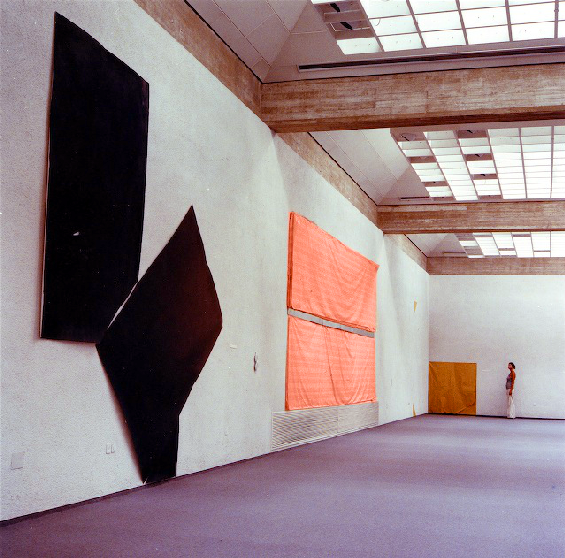
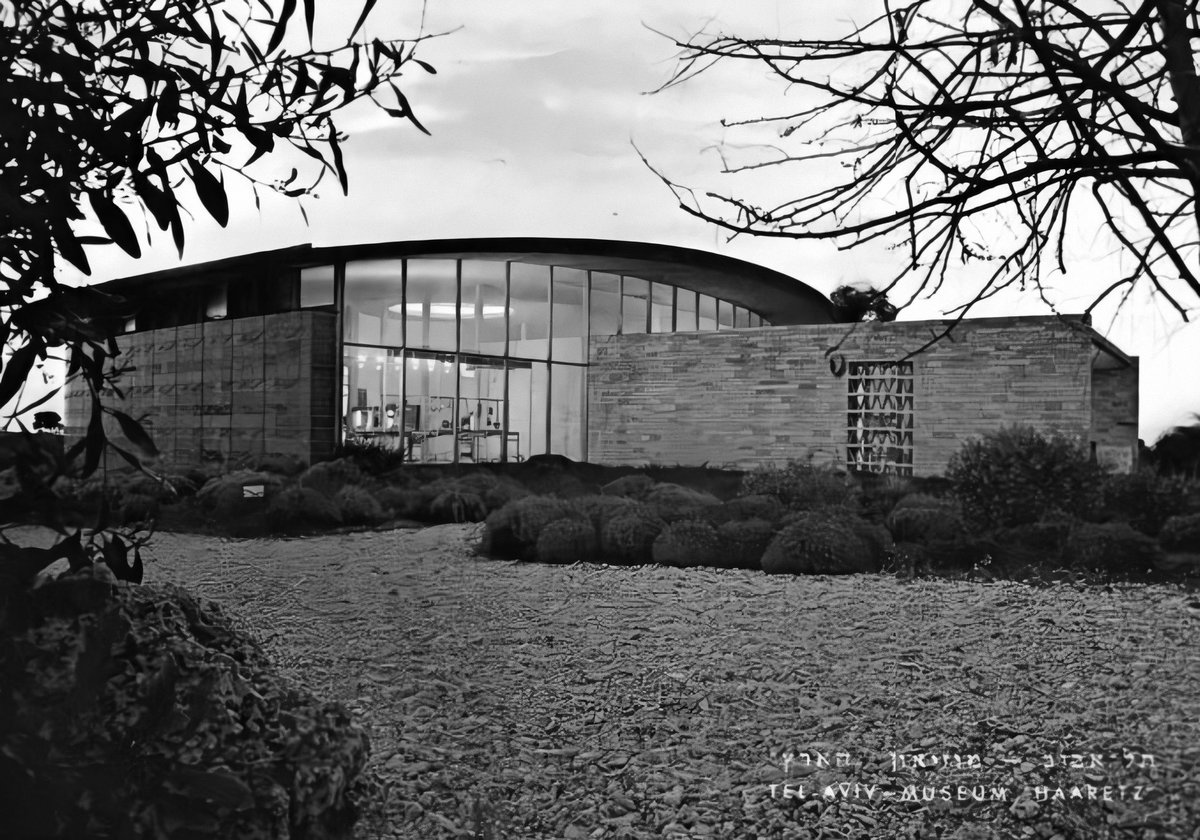
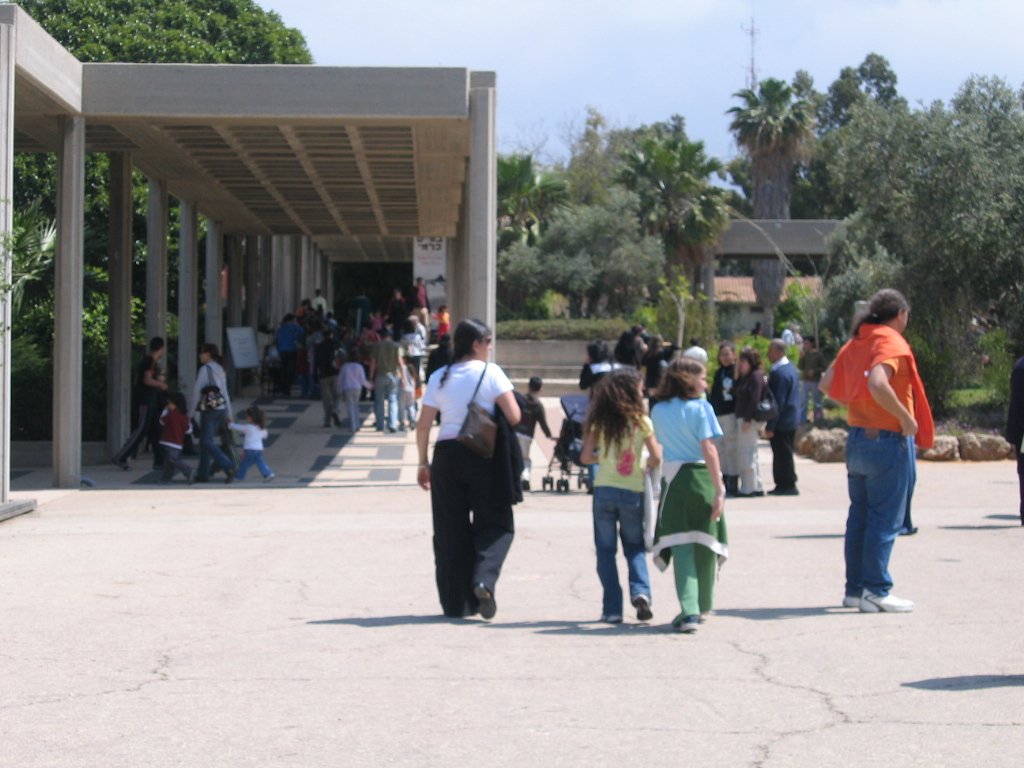
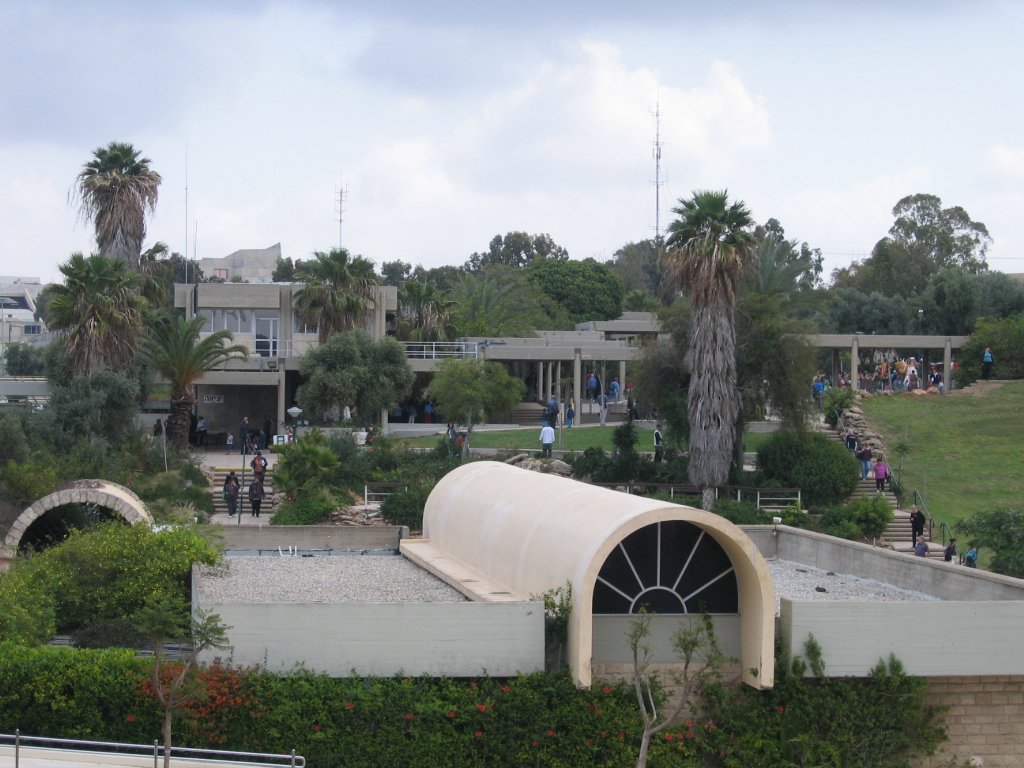
The Eretz Israel Museum (MUZA) in Tel Aviv is a leading cultural and archaeological institution, renowned for preserving and presenting the rich heritage of the Land of Israel. Established in 1953 in Tel Aviv's Ramat Aviv neighborhood, the museum is built around the ancient site of Tell Qasile and spans approximately 20 acres, integrating thematic pavilions, open-air archaeological remains, and beautifully landscaped gardens. Visitors can expect a multidimensional experience, exploring everything from prehistoric pottery and glassware to contemporary Israeli art and Jewish folklore. With dynamic exhibitions, educational programming, and an innovative planetarium, MUZA offers something for history buffs, art lovers, families, and anyone interested in Israel’s diverse cultural fabric.
This guide provides all essential information for planning your visit—current opening hours, ticketing options, accessibility, highlights of the museum’s collections, notable exhibitions, and practical travel tips. Whether you’re a local or a tourist, discover why MUZA is a must-visit Tel Aviv historical site.
For the latest information, exhibitions, and events, visit the Eretz Israel Museum official website.

Museum History and Recent Developments
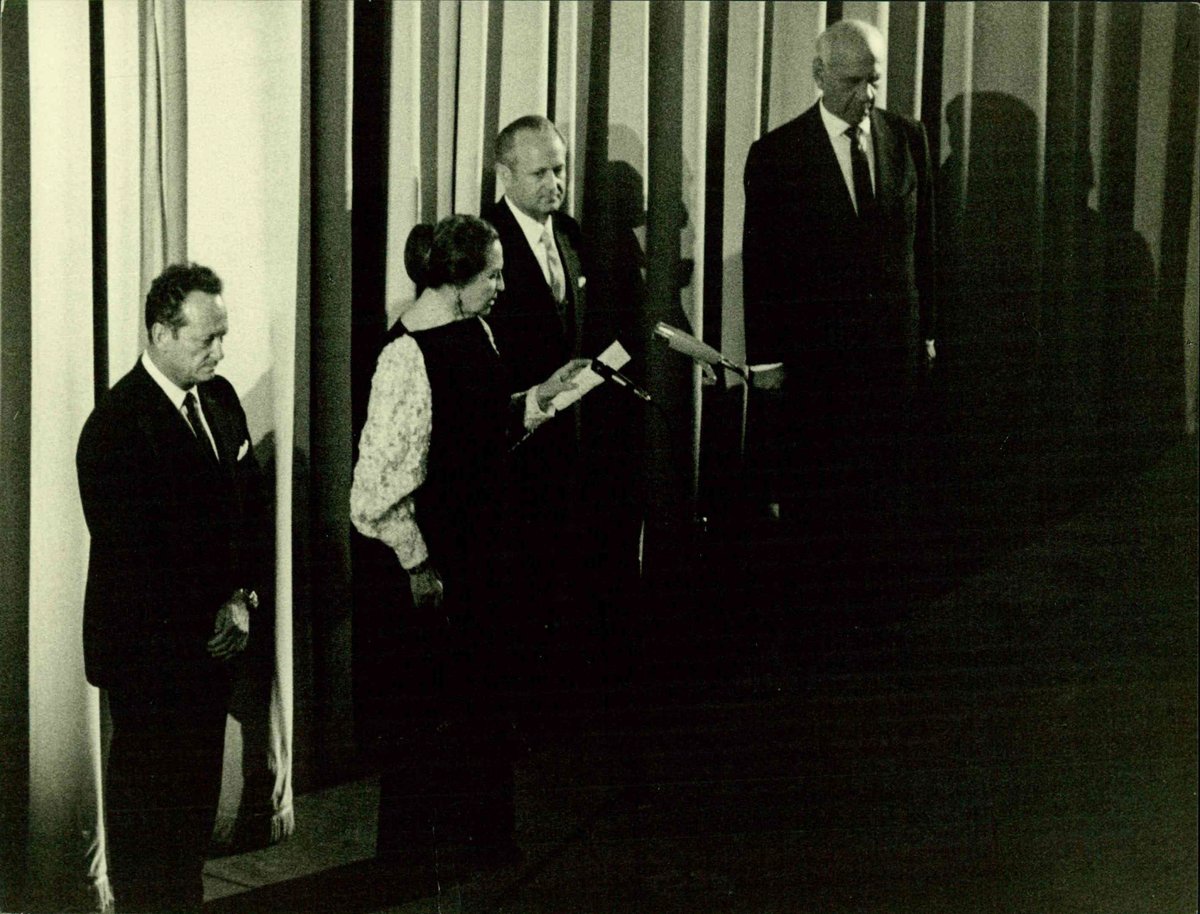
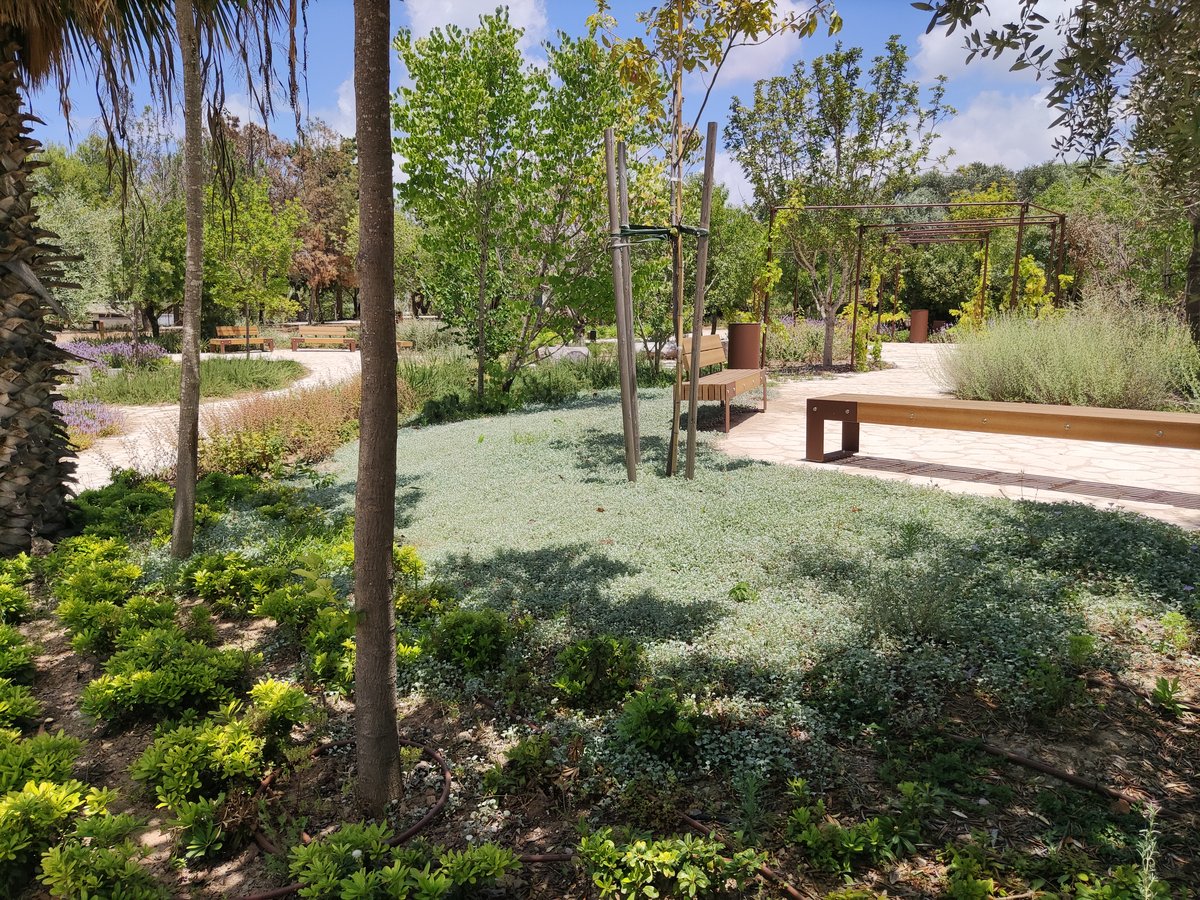
Since its founding in 1953, the Eretz Israel Museum has evolved into one of Israel’s most prominent cultural institutions. Originally called Haaretz Museum, it was renamed and rebranded as MUZA in 2015 (About MUZA). Over the last several years, the museum has undergone significant renewal, including the creation of a 9,000-square-meter garden (MUZA Park), new galleries, and upgraded visitor amenities. These updates enhance the museum’s integration within Tel Aviv’s urban landscape, further cementing its role as a center of scholarship and public engagement (About MUZA).
Visiting Hours and Ticket Information
-
General Opening Hours:
- Sunday–Thursday: 10:00 AM – 5:00 PM
- Friday and holiday eves: 10:00 AM – 2:00 PM
- Closed Saturdays and some holidays
-
Ticket Prices:
- Adults: 45–52 NIS
- Students/Seniors: 26–35 NIS
- Tel Aviv residents: 42 NIS
- Children under 18 and visitors with disabilities: Free
- Additional planetarium ticket: 15 NIS
-
How to Buy Tickets:
Tickets are available online via the official website or at the museum entrance. -
Accessibility:
MUZA is fully accessible, with wheelchair-friendly paths, ramps, and elevators. Visitors with disabilities and their escorts receive free entry and parking.
Please verify opening hours and prices before your visit as they may be subject to change.
Location, Access, and Visitor Tips
- Address: 2 Haim Levanon Street, Ramat Aviv, Tel Aviv
- Getting There:
Easily accessible via public transportation (bus lines 24, 46, and others). On-site and nearby parking available; free parking for visitors with disabilities. - Nearby Attractions:
Tel Aviv University, Yarkon Park, Yitzhak Rabin Center, and other cultural sites. - Visitor Tips:
- Arrive early, especially during weekends and holidays, to secure parking.
- Plan your route using the museum map (available at entrance and online).
- Wear comfortable shoes and bring sun protection for outdoor areas.
The Archaeological Heart: Tell Qasile
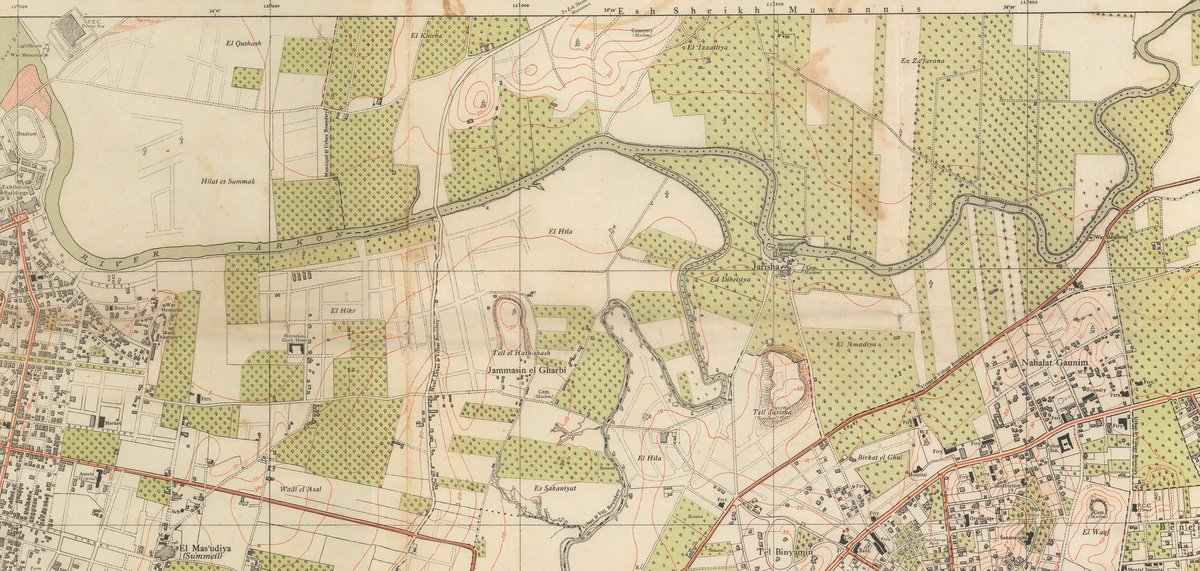
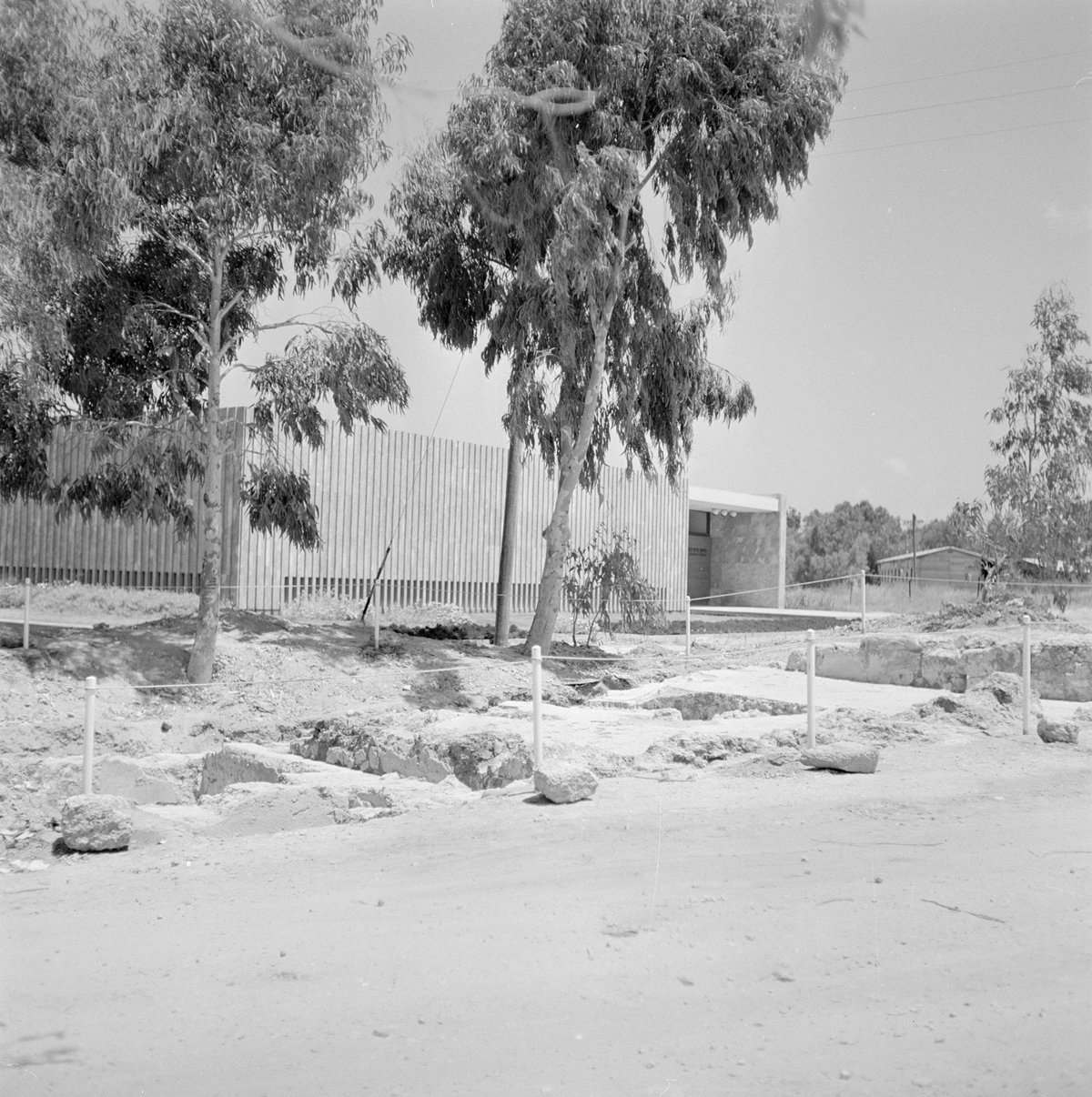
At the core of the museum lies Tell Qasile, an archaeological mound dating to the 12th century BCE. This site was the first archaeological mound excavated within Israel’s borders, presenting twelve settlement layers that document urban life from the Philistine period onward (Wikipedia – Eretz Israel Museum; Israel in Photos). Visitors can walk among ancient streets, dwellings, ritual spaces, and view artifacts unearthed on-site, immersing themselves in the region’s ancient history.
Main Pavilions and Collections
The museum’s campus features approximately 15 architecturally distinct pavilions, each dedicated to a specific aspect of Israel’s heritage:
-
Archaeology Pavilion:
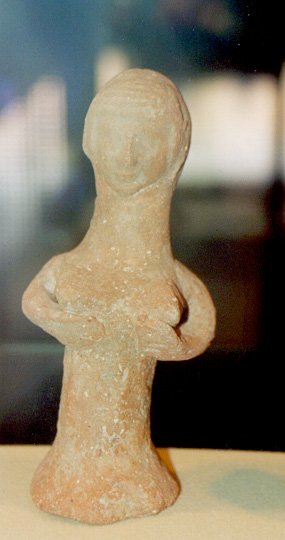
Prehistoric to Ottoman artifacts, including pottery, inscriptions, and daily tools. -
Ceramics Pavilion:
Traces ceramic art from ancient to modern times, including exhibitions like "Anat Propper Goldenberg: The goddess Anat and Household Idols, 2023" (Eretz Israel Museum Exhibitions). -
Glass Pavilion:
Explores glassmaking from Roman-era vessels to contemporary works; see “In the Language of Glass” (2024–2026). -
Kadman Numismatic Pavilion:
One of Israel’s largest collections of coins and medals, providing insight into economic and political history (Time Out Israel). -
Nehushtan Pavilion:
Focuses on ancient copper production, with artifacts from the Timna mines illustrating technological evolution. -
Man and His Work Center:
Reconstructed workshops and demonstrations of traditional crafts—textiles, pottery, metalwork, and agriculture. -
Jewish Culture and Folklore Pavilion:
Ceremonial objects, textiles, costumes, and folk art, including the exhibit “Yehudit Shadur: Papercuts, 1970–1980”. -
Alexander Pavilion of Postal History and Philately:
Postal artifacts and the history of communication from the Ottoman era to the present. -
House of Photography:
Historic cameras and photographs, with exhibitions such as “Layers of Light: Analog Cameras, 1860–2000”.
For a full and updated list of current exhibitions, visit the exhibitions page.
Gardens, Outdoor Heritage, and Living History
MUZA’s landscaped gardens are integral to the visitor experience.
- MUZA Park: Features a pond, reconstructed olive press, flour mill, sundial square, and archaeological remains. The park is free to enter daily from 08:00–18:00, though some features require museum admission.
- Crafts Arcade: A recreated ancient market with blacksmith and pottery workshops.
- Bread Court & Copper Mine: Exhibits showcasing ancient agricultural and mining techniques.
These outdoor installations allow visitors to appreciate Israel’s natural beauty alongside technological and cultural innovations of the past (About MUZA).
Educational and Cultural Significance
MUZA hosts approximately 20 temporary exhibitions annually, alongside 10 permanent displays and the Tell Qasile site. Its educational programs include lectures, workshops, performances, and symposiums open to the public. The museum’s planetarium offers immersive astronomy shows, especially popular with families and school groups (Visit MUZA).
Recent exhibitions such as “Karimeh Abbud: Sacred Souvenirs” (2025) highlight the museum’s commitment to inclusive narratives and regional history (The Art Newspaper).
Key Temporary and Rotating Exhibitions (2024–2026)
- “Layers of Light: Analog Cameras, 1860–2000” (Mar 5–Aug 30, 2025)
- “Anat Propper Goldenberg: The goddess Anat and Household Idols, 2023” (Jun 2, 2024–May 31, 2025)
- “Yehudit Shadur: Papercuts, 1970–1980” (Jun 1, 2024–May 31, 2025)
- “Vangelis Kyris: Light and Thread” (Mar 28–Nov 30, 2025)
- “Of Objects and People: Seals from the MUZA Collection” (Dec 13, 2024–May 3, 2026)
- “In the Language of Glass” (Aug 23, 2024–Feb 22, 2026)
- Other notable exhibitions: “On The Seam,” “Wuthering Heights,” “Through The Reeds,” “Postcards from Yesterday,” “Black Distance,” “Body Became Place”
See the exhibitions calendar for full details.
Visitor Facilities and Accessibility
-
Accessibility:
All pavilions and paths are wheelchair and stroller accessible. Free parking and free entry for visitors with disabilities and their escorts. -
Facilities:
- Restrooms
- Café and shaded seating
- Gift shop with local crafts
- Free parking; paid parking nearby (25 NIS)
-
Planetarium:
Shows in Hebrew, Saturdays and school holidays. Entry requires a museum ticket plus 15 NIS.
Guided Tours, Workshops, and Events
- Guided Tours:
Available in multiple languages; book in advance via the museum website. - Workshops and Family Activities:
Regular programs run during holidays and special events. - Events:
Lectures, festivals, and archaeology updates are hosted year-round.
Frequently Asked Questions (FAQ)
Q: What are the museum’s opening hours?
A: Sunday–Thursday 10:00–17:00, Friday 10:00–14:00, closed Saturdays. Some special events may extend hours.
Q: How much are tickets?
A: Adults 45–52 NIS; discounts for students, seniors, Tel Aviv residents; free for children under 18 and visitors with disabilities.
Q: How do I get there?
A: Use public transport (bus lines 24, 46), taxi, or private vehicle. Address: 2 Haim Levanon St, Tel Aviv.
Q: Are guided tours available?
A: Yes, in multiple languages. Book in advance or inquire at the entrance.
Q: Is the museum accessible?
A: Yes, fully accessible with free parking for visitors with disabilities.
Q: Can I visit the planetarium separately?
A: Planetarium shows require a museum ticket plus a supplemental fee.
Q: Where can I see the latest exhibitions and events?
A: Check the official exhibitions page.
Plan Your Visit
- Check the museum map and event calendar online to prioritize your visit.
- Purchase tickets in advance to avoid queues.
- Dress comfortably for both indoor and outdoor exploration.
- Follow MUZA on social media for the latest updates and behind-the-scenes content.
- Download the Audiala app for audio guides and interactive features.
Summary and Encouragement
The Eretz Israel Museum is a vibrant crossroads of archaeology, art, and culture—offering an immersive journey through the history and creativity of the Land of Israel. With its dynamic campus, diverse exhibitions, and commitment to public engagement and accessibility, MUZA stands out as a top destination for anyone seeking to explore Israel’s heritage.
Whether you are a first-time visitor or a returning enthusiast, plan your visit through the museum’s official website, and make the most of your experience with guided tours and interactive programs. Be sure to explore nearby attractions in Tel Aviv for a full day of cultural discovery!
Listen to the full story in the app
The whole Eretz Israel Museum,
told well.
Audio guides for 1,100+ cities across 96 countries. History, stories, and local insight — offline ready.
Verified, and shown.
Researched and written by the Audiala editorial team from historical records, architectural archives, and local expertise.
Researched from Wikidata, Wikipedia & official sources · fact-checked · How we make our guides →