Plan and listen to Dizengoff Square with Audiala.
Audio guide in your pocket, itinerary in your browser. Built for the way you actually visit.
Introduction
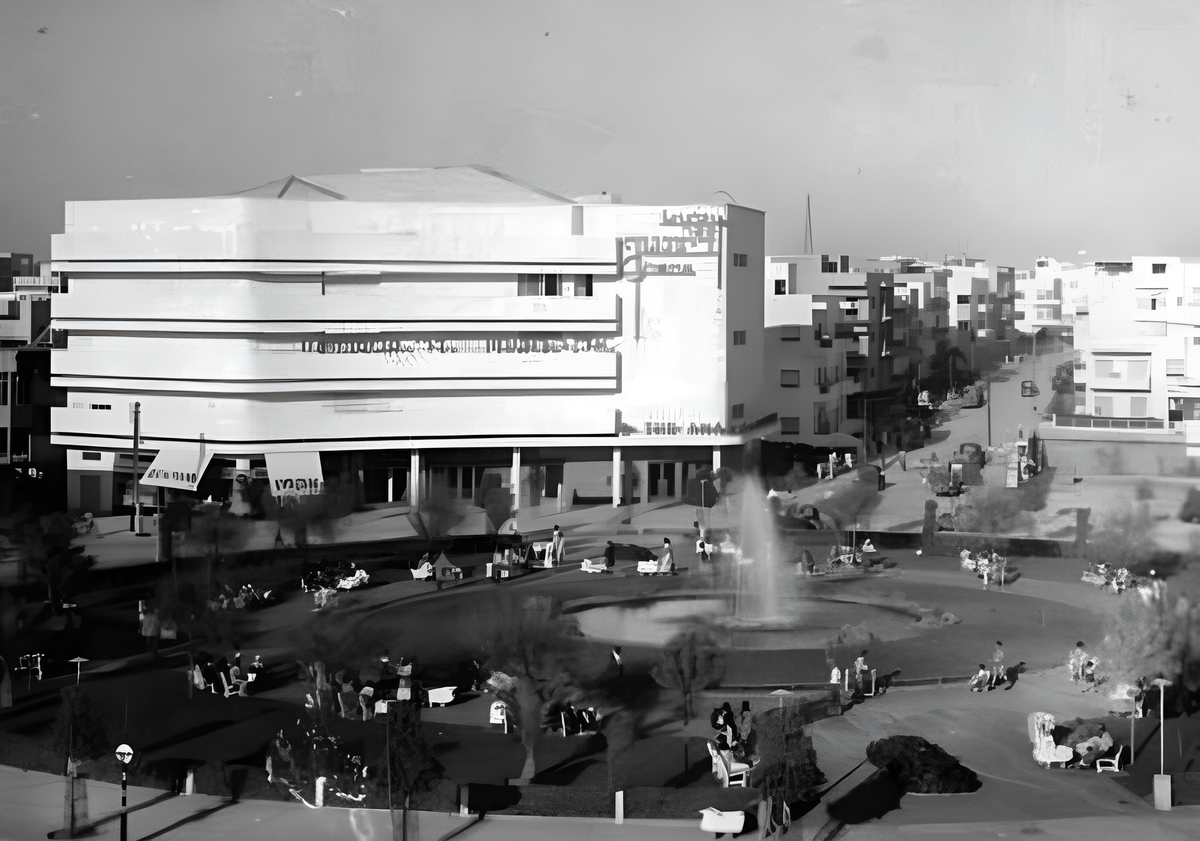
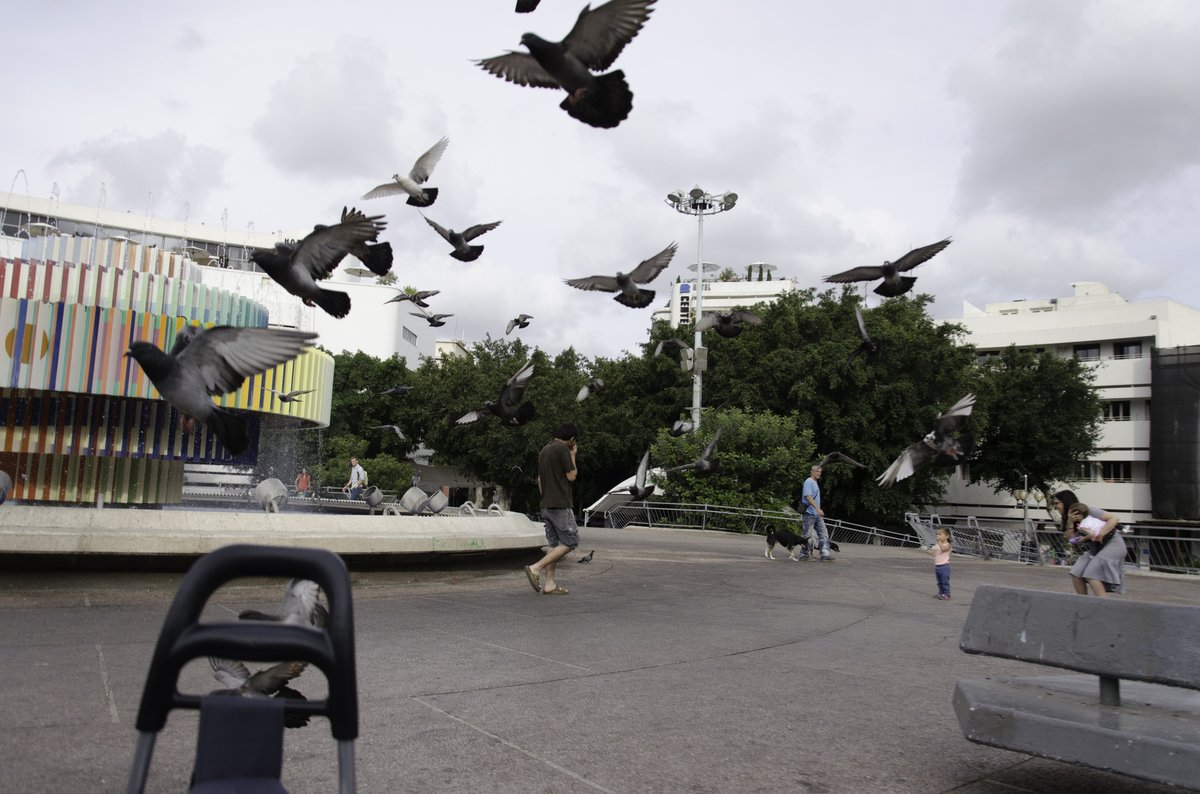
Dizengoff Square, situated at the heart of Tel Aviv, is a vibrant symbol of the city’s rich heritage, cultural dynamism, and unique architectural style. Named after Meir Dizengoff, Tel Aviv’s first mayor, the square has evolved since the 1930s into a central gathering place that reflects the city’s modernist aspirations and cosmopolitan charm. Famous for its Bauhaus and International Style buildings and the iconic Fire and Water Fountain by Yaacov Agam, Dizengoff Square is a must-visit destination for anyone wanting to experience the pulse of Tel Aviv. This in-depth guide covers the square’s history, architecture, cultural role, practical visiting information, accessibility, nearby attractions, and travel tips, ensuring you make the most of your visit.
Origins and Naming
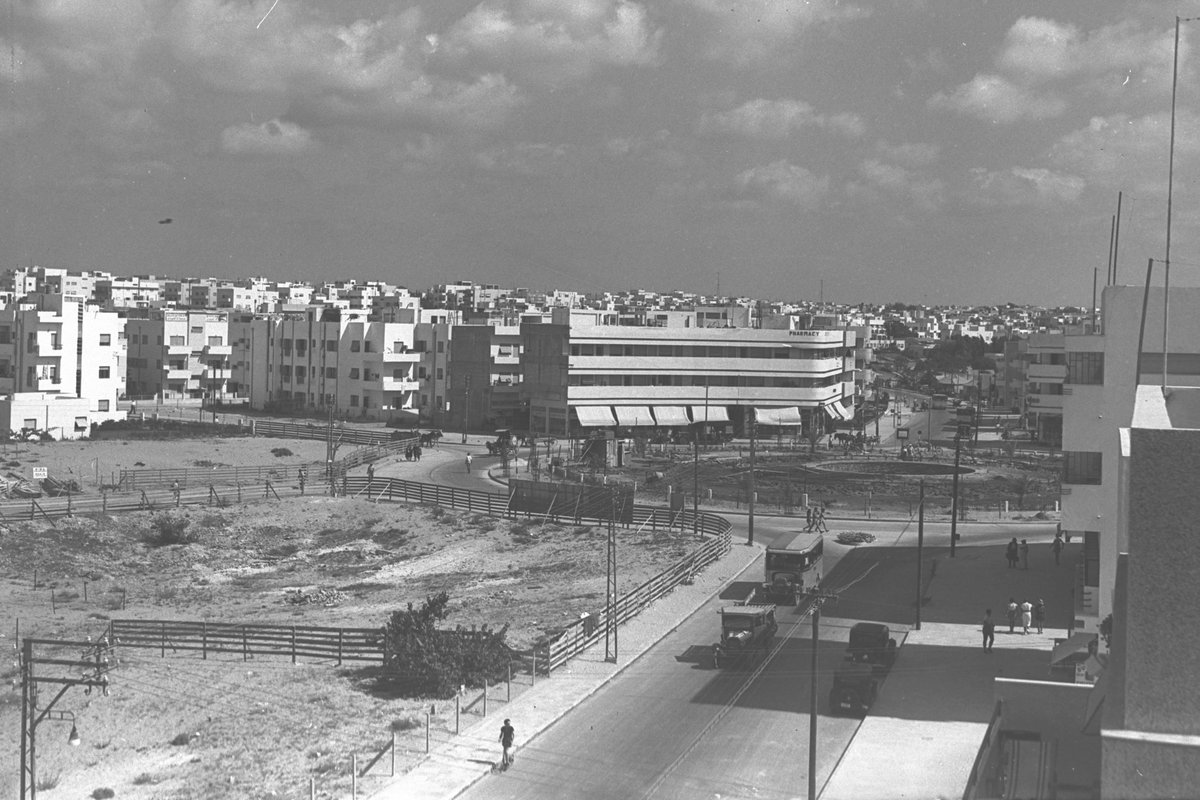
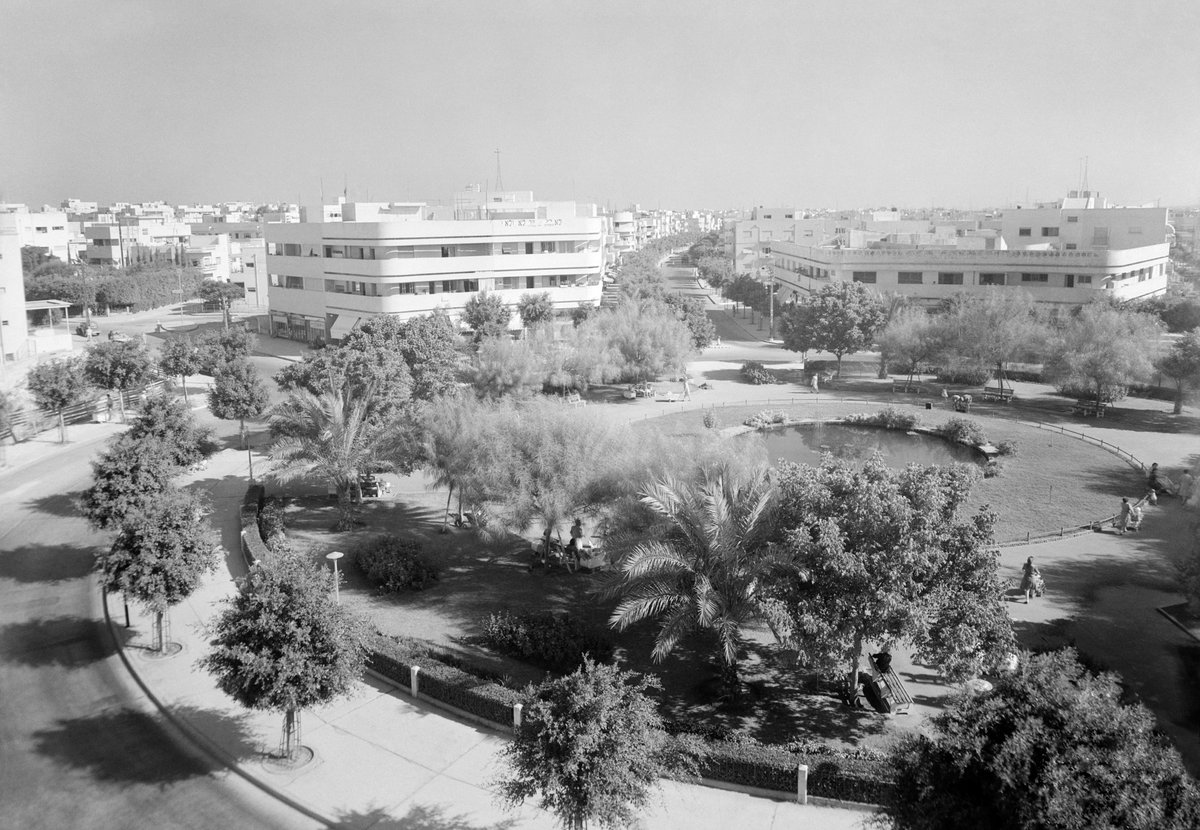
Dizengoff Square pays tribute to Meir Dizengoff, the visionary first mayor of Tel Aviv, whose leadership helped shape the city’s progressive spirit. The square opened in 1938 as part of Tel Aviv’s rapid urban development, designed to foster community interaction and embody the ideals of the “White City” (Israellycool; Bauhaus Center).
Architectural Significance and Design
Bauhaus and International Style Heritage
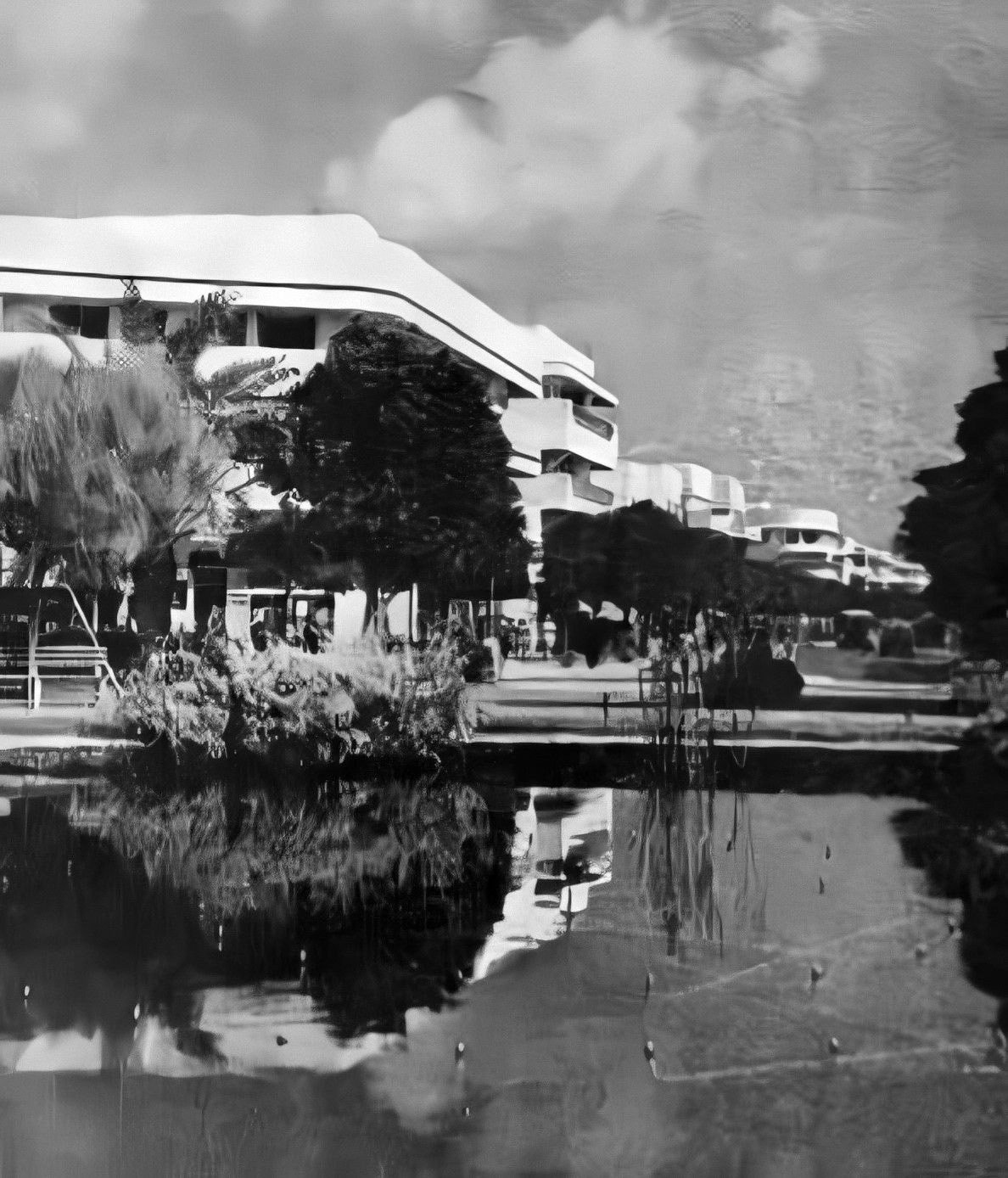
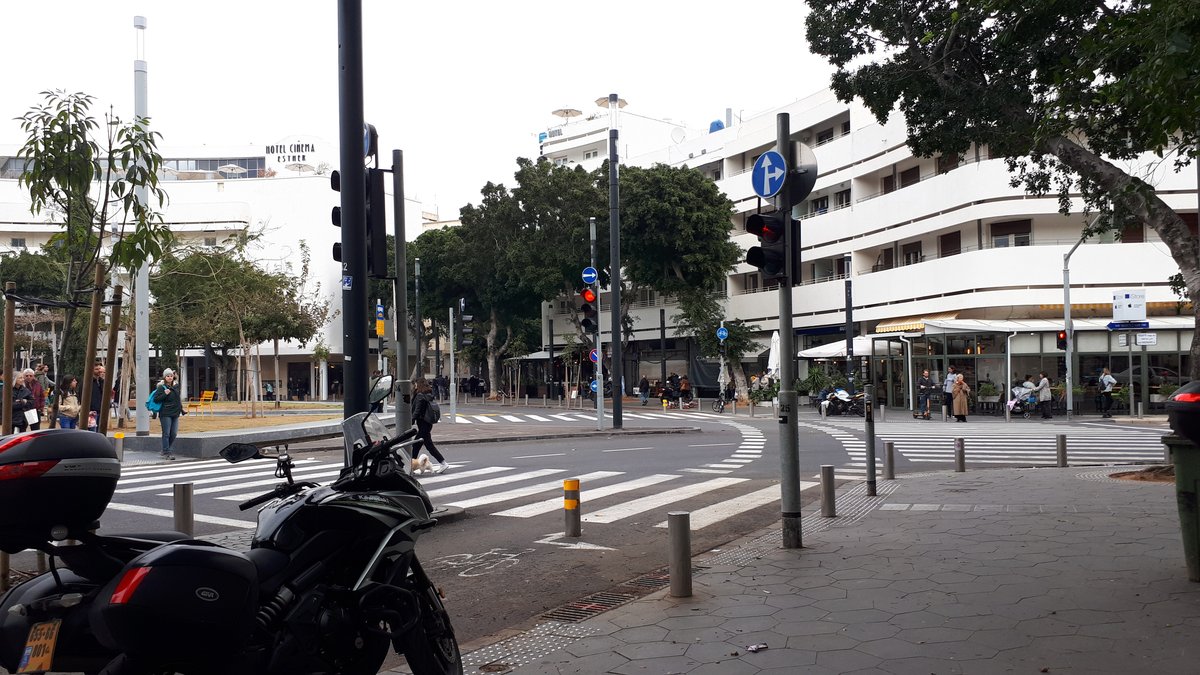
Dizengoff Square was designed by Genia Averbuch in 1934, showcasing the International Style, also known as Bauhaus architecture. Hallmarks include:
- Clean, white plaster facades
- Rounded and deep balconies
- Horizontal ribbon windows
- Flat roofs
These design features were not only aesthetic but practical, offering shade and ventilation well-suited to Tel Aviv’s Mediterranean climate. The square is a central highlight of the UNESCO-listed “White City,” home to over 4,000 Bauhaus buildings (ArchDaily; Architecture Exhibitions).
Social and Cultural Hub
Dizengoff Square quickly became Tel Aviv’s social epicenter. The term “l’hizdangef” (“to Dizengoff”) entered Hebrew slang, reflecting the leisurely strolls and vibrant café culture that flourished here. In the mid-20th century, Dizengoff Street and the square attracted artists, writers, and intellectuals, reinforcing its reputation as the city’s living room (ISRAEL21c; Time Out Tel Aviv).
Cultural highlights included the “Esther” cinema—Tel Aviv’s first and largest at its opening—and the square’s ongoing role as a venue for public events, art installations, and lively markets.
Urban Transformations and Restoration
Historical Changes
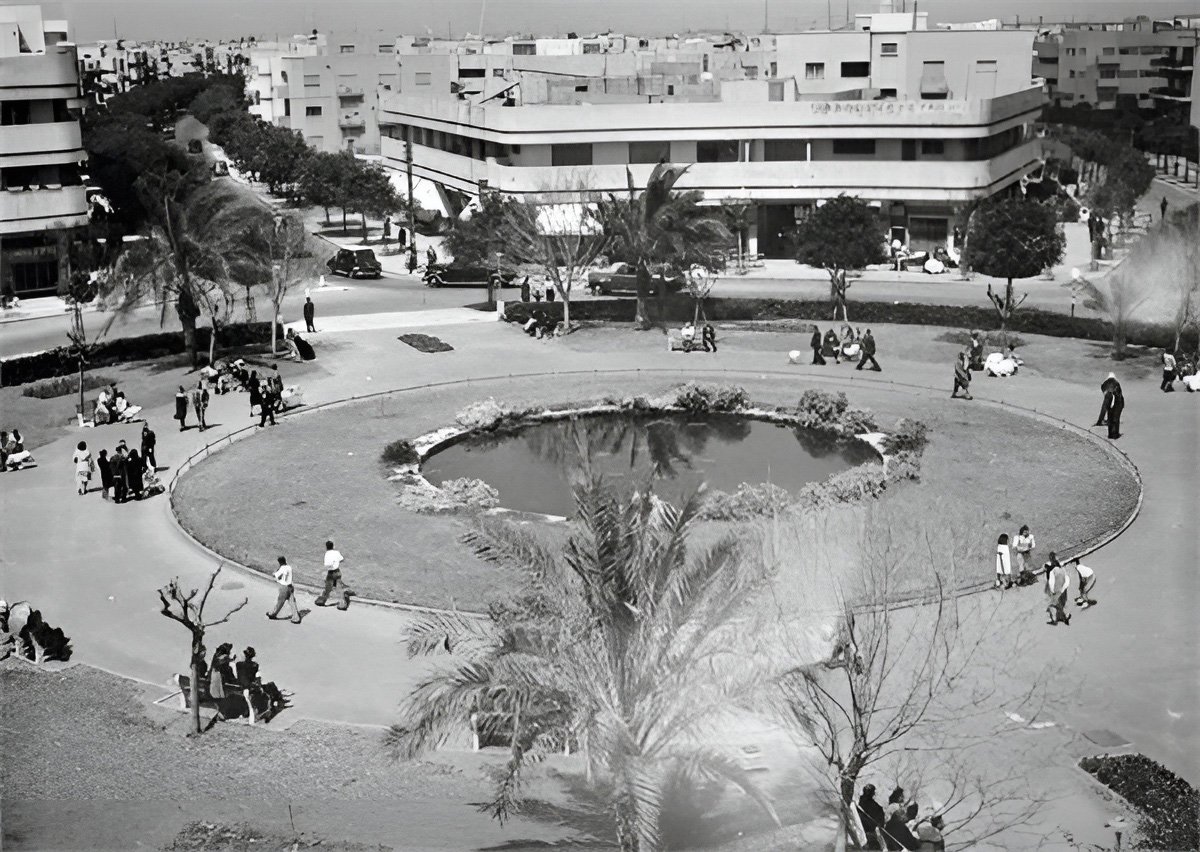
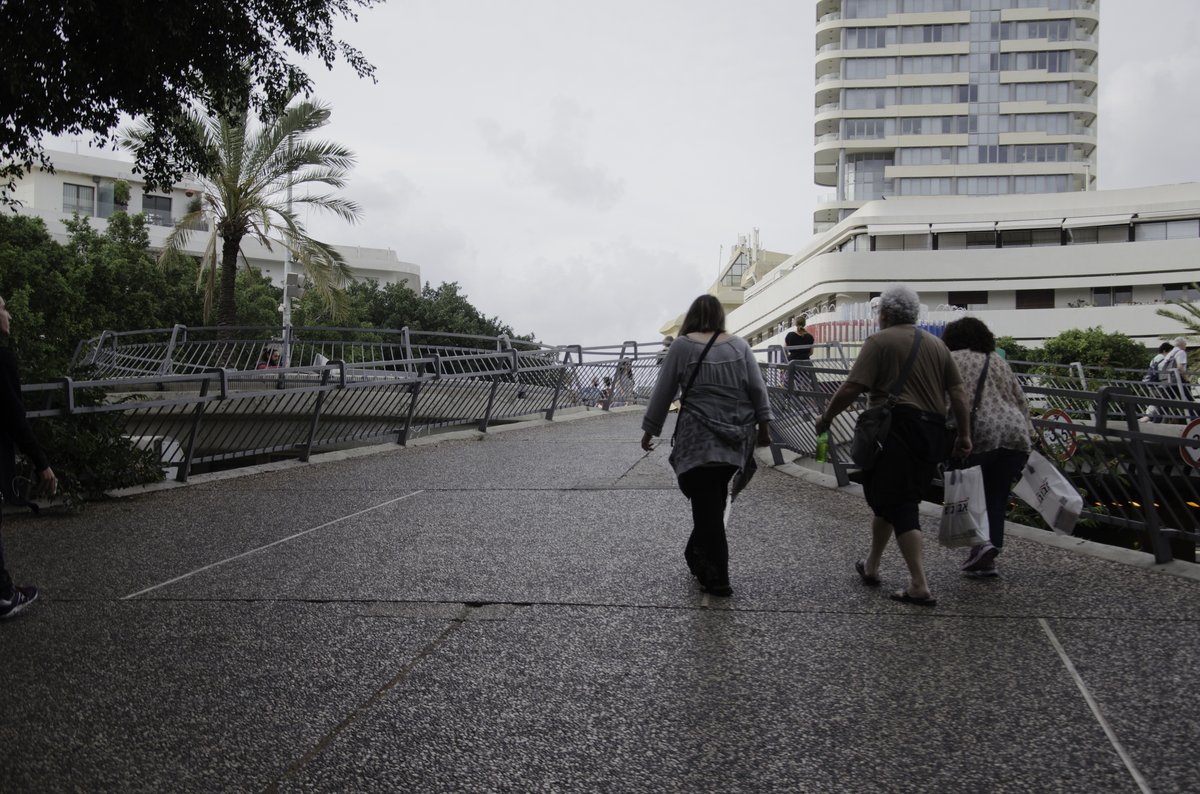
To address growing traffic in the 1970s, Dizengoff Square was elevated above street level, creating a pedestrian plaza atop a traffic circle. While this improved traffic flow, it diminished the square’s connection to the urban fabric and reduced its vitality (ISRAEL21c).
21st Century Renewal
A major restoration completed in 2019 restored the square to street level, reintroduced lush landscaping, improved accessibility, and reinstated its pedestrian-friendly nature. The centerpiece, Yaacov Agam’s kinetic Fire and Water Fountain, was renovated and returned, symbolizing the renewed spirit of the square (Secret Tel Aviv; The Norman).
Visiting Information
Hours and Tickets
- Visiting Hours: The square is a public space, accessible 24 hours a day, seven days a week. Evening visits are especially recommended for the fountain’s light and fire shows.
- Admission: Entry is free; no tickets are required.
Accessibility
- Fully wheelchair and stroller accessible with smooth pathways and ramps.
- Bicycle lanes and wide pedestrian zones enhance mobility.
Travel Tips
- Wear comfortable shoes; the area is best explored on foot.
- For a lively atmosphere, visit during the evening or weekends. Early mornings offer a quieter experience.
- Take advantage of nearby cafés, restaurants, and shops for local flavors and souvenirs.
- Public transportation is recommended due to limited parking; several bus lines and the Red Line light rail serve the area (visit.tel-aviv.gov.il).
Nearby Attractions
- Bauhaus Center: Guided tours and exhibitions on Tel Aviv’s architectural heritage.
- Dizengoff Center: Shopping mall with diverse dining and retail options.
- Tel Aviv Museum of Art: Renowned for Israeli and international collections.
- Carmel Market: Famous open-air market for food and goods.
- Habima Theatre and Rabin Square: Cultural and historical landmarks within walking distance.
Events and Guided Tours
- Markets: Vintage and second-hand markets take place on Tuesdays (10:00–18:00) and Fridays (07:00–16:00).
- Events: The square hosts concerts, art exhibitions, and public celebrations during major festivals.
- Guided Tours: Many tours of the White City and Bauhaus architecture include a stop at Dizengoff Square (Travelling Foot).
Frequently Asked Questions (FAQ)
Q: Is there an entrance fee for Dizengoff Square?
A: No, access is free.
Q: What are the best times to visit?
A: Evenings for fountain shows and lively ambiance; mornings for a quieter experience.
Q: Are guided tours available?
A: Yes, several local operators and the Bauhaus Center offer tours covering the square.
Q: Is the square accessible for people with disabilities?
A: Yes, it is fully accessible.
Q: How do I get there by public transport?
A: Multiple bus lines and the Red Line light rail have nearby stops; bike and scooter rentals are also available.
Listen to the full story in the app
The whole Dizengoff Square,
told well.
Audio guides for 1,100+ cities across 96 countries. History, stories, and local insight — offline ready.

Verified, and shown.
Researched and written by the Audiala editorial team from historical records, architectural archives, and local expertise.
Researched from Wikidata, Wikipedia & official sources · fact-checked · How we make our guides →