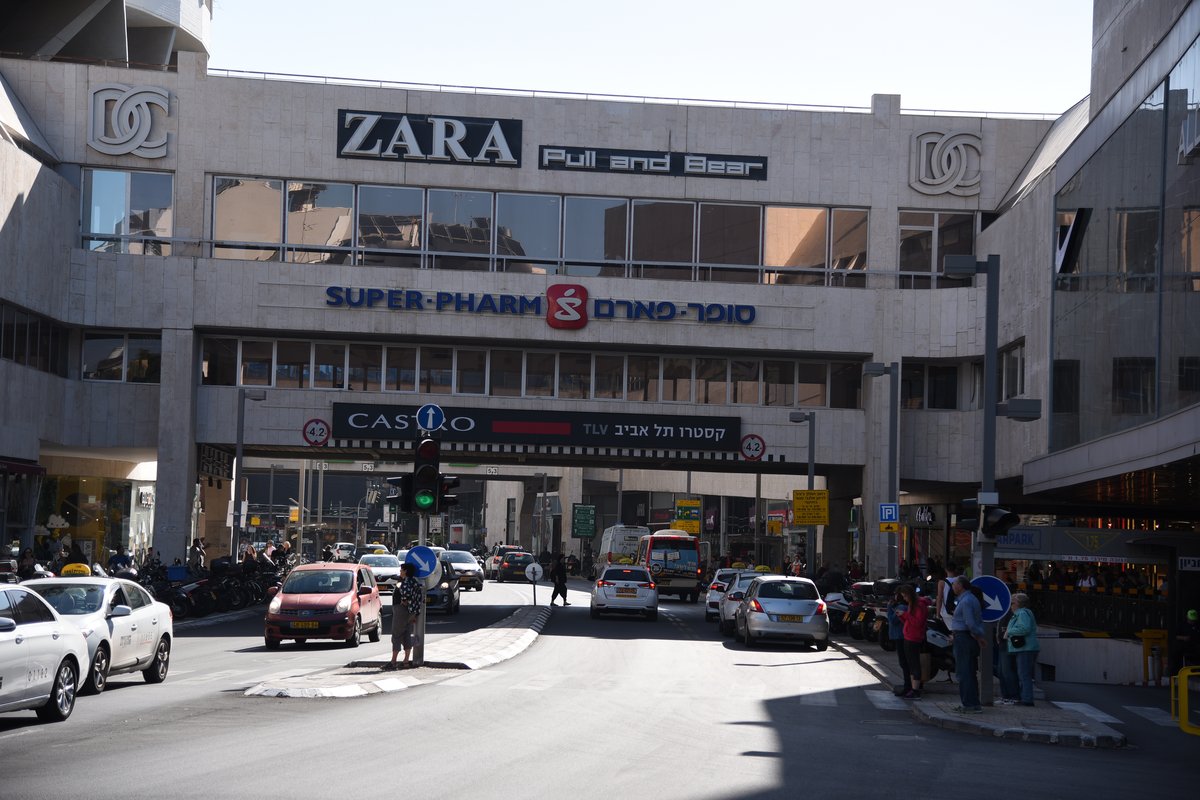
Plan and listen to Dizengoff Center with Audiala.
Audio guide in your pocket, itinerary in your browser. Built for the way you actually visit.
Introduction
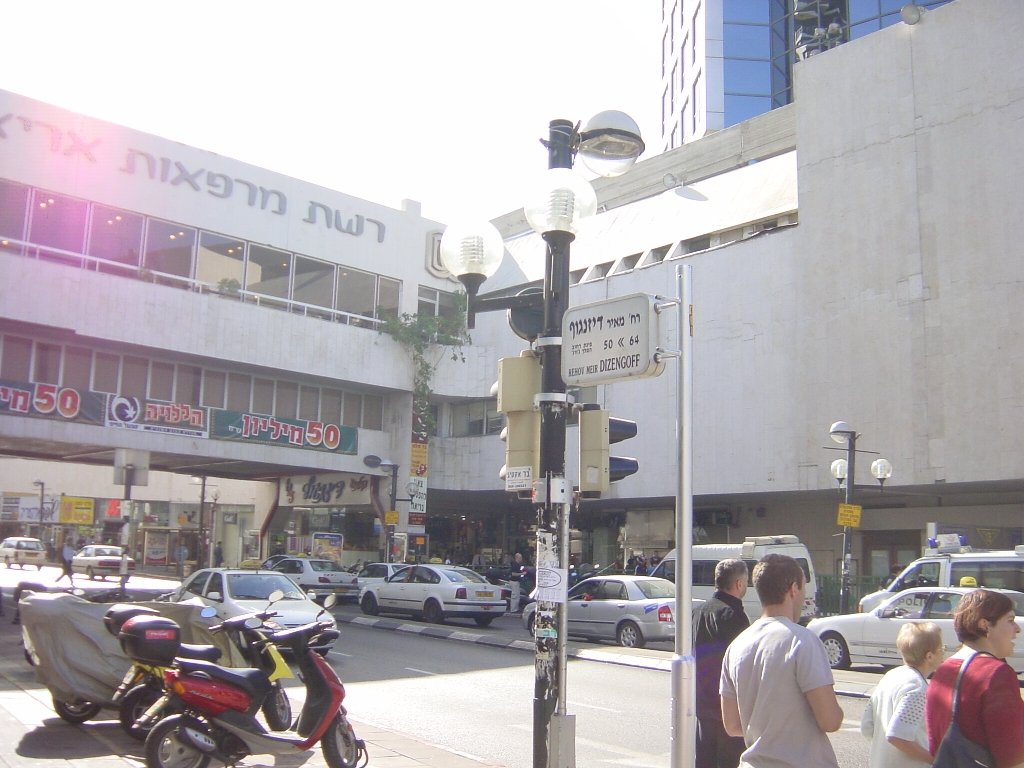
Dizengoff Center stands as a landmark of Tel Aviv’s urban evolution and is recognized as Israel’s pioneering indoor shopping mall. Since its opening in the late 1970s, it has played a pivotal role in the city’s commercial, architectural, and cultural life. Strategically situated at the intersection of Dizengoff Street and King George Street, the Center serves as a vibrant social hub, blending modernist and brutalist architecture with a rich historical and cultural legacy. This guide delivers a detailed overview of Dizengoff Center’s history, architectural innovation, economic role, cultural significance, and essential practical information for visitors—including up-to-date visiting hours, ticketing details, accessibility, travel tips, and nearby attractions. For further background, see The Telavivi, Wikipedia, and Israel Trip Planner.

Historical Background
Early Vision and Origins
Dizengoff Center’s genesis can be traced to the early 1970s, during a period of rapid urbanization in Tel Aviv. Businessman Arieh Pincus envisioned a transformative “city within a city” to rejuvenate the area around Dizengoff Street. The Center was aptly named after Meir Dizengoff, the city’s first mayor, honoring his foundational role in Tel Aviv’s development (thetelavivi.com; wikipedia.org).
Construction and Development Timeline
Construction began in 1972, replacing the former Nordiya neighborhood. Despite financial and logistical challenges, the first phase opened in 1977, with completion in 1983 (israel21c.org; wikipedia.org). The phased approach allowed adaptation to Tel Aviv’s growing needs, making Dizengoff Center Israel’s first large-scale indoor mall.
Architectural Innovation and Expansion
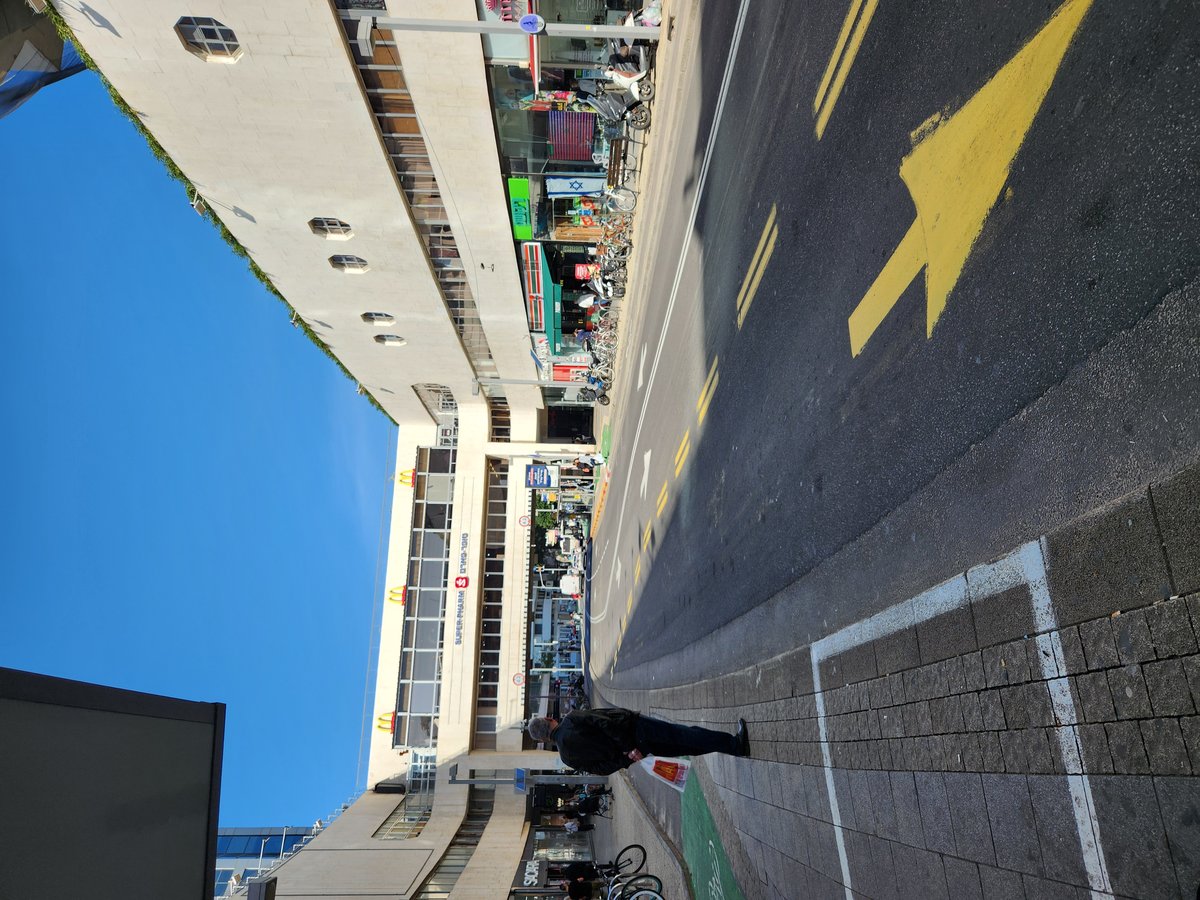
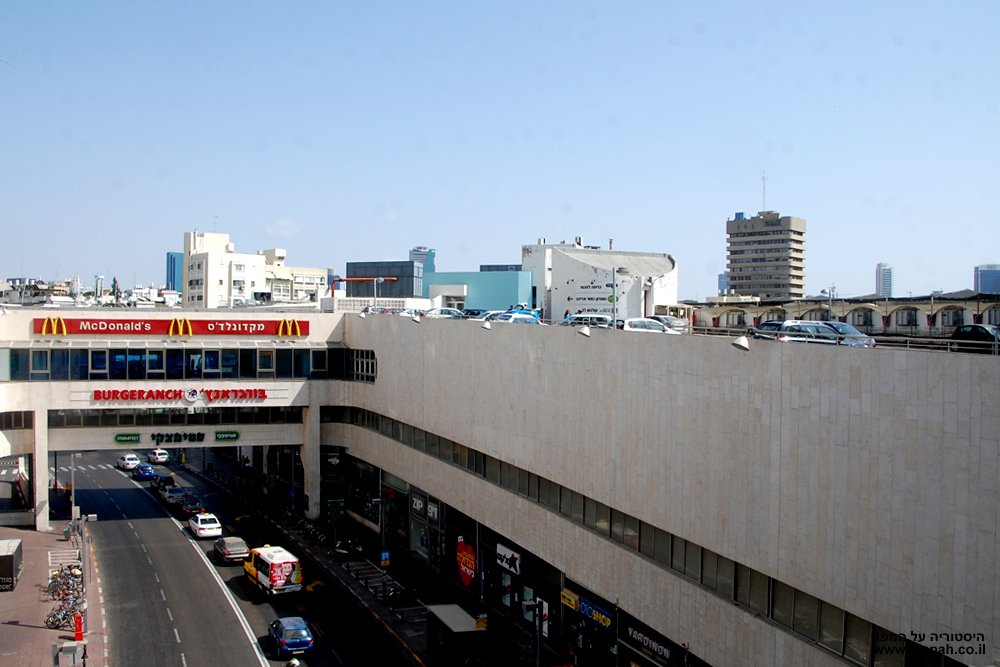
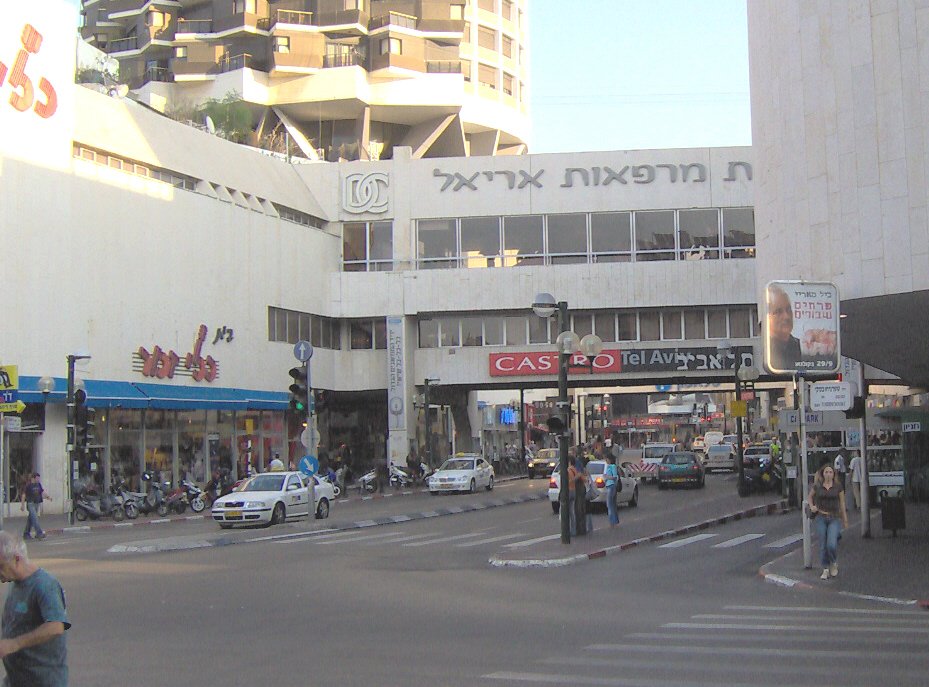
Designed by architect Yitzhak Yashar, Dizengoff Center is characterized by its labyrinthine layout, interconnected skywalks, and underground passages. Its design draws from modernist and brutalist principles, maximizing space and pedestrian flow while integrating public amenities such as rooftop swimming pools, gyms, and a bomb shelter (israel21c.org; wikipedia.org).
The Center features two prominent towers: the residential Dizengoff Tower (zig-zag design by Mordechai Ben Horin) and the Top Tower office building, further cementing its status as an urban landmark (wikipedia.org).
Urban Renewal and Economic Impact
Before Dizengoff Center’s arrival, the area faced declining commerce and aging infrastructure. The Center became a catalyst for urban renewal, sparking investment and revitalizing central Tel Aviv. It attracts millions of visitors annually, with peak foot traffic reaching 80,000 during holidays, supporting local businesses and generating substantial employment (wikipedia.org; thetelavivi.com).
Its success has inspired further mixed-use development and improved commercial viability in adjacent districts.
Social and Cultural Significance
Beyond shopping, Dizengoff Center is a cultural and social nucleus. The inclusive atmosphere, eclectic retail and dining options, and regular events—such as Israel’s largest weekly international food fair—foster community engagement and highlight Tel Aviv’s cosmopolitan spirit (wikipedia.org; supertravelr.com).
Regular art exhibitions, performances, and workshops provide creative platforms for local and international talent, while the Center’s accessibility and welcoming environment underscore its commitment to diversity.
Notable Events and Milestones
Dizengoff Center’s history includes moments of tragedy and resilience. The 1996 Purim suicide bombing underscored its role as a focal point of urban life and collective memory (wikipedia.org).
In recent years, the opening of Israel’s first official LEGO store and ongoing event programming have reinforced the Center’s relevance and adaptability (wikipedia.org).
Visiting Information
Visiting Hours
- Sunday–Thursday: 10:00 AM–10:00 PM
- Friday: 10:00 AM–3:00 PM
- Saturday: Closed (some venues open after Shabbat; hours vary—check ahead)
Hours may change on holidays; confirm current times via the official website.
Tickets and Entry
- General entry: Free
- Cinemas, guided tours, and special events: May require tickets; purchase online or at participating venues.
Accessibility
- Wheelchair access: Elevators, ramps, and accessible restrooms throughout
- Parking: Designated accessible spaces in the underground garage
- Public transport: Served by major bus lines and the Tel Aviv Light Rail
Getting There & Parking
- Location: Intersection of Dizengoff and King George Streets, central Tel Aviv
- By public transport: Multiple bus lines, light rail stops nearby
- By car: Large underground parking garage with hourly and daily rates
- Cycling: Bicycle racks available
Guided Tours & Events
- Guided tours: Architectural and cultural tours available through local operators and tourism offices; booking recommended
- Events: Weekly food market (Thursday–Friday), art exhibitions, seasonal festivals—see event calendar on the official website
Travel Tips & Nearby Attractions
- Dizengoff Square: Home to the iconic Fire and Water Fountain
- Rothschild Boulevard: Bauhaus architecture and vibrant cafés
- Tel Aviv Museum of Art: Premier art collections nearby
- Bauhaus Center: Tours and exhibitions on Tel Aviv’s “White City” (bauhaus-center.com)
Travel Tip: Fridays are especially lively due to the international food fair. Weekdays offer a quieter experience.
Visitor Experience
Layout and Atmosphere
Dizengoff Center comprises two main buildings joined by bridges and tunnels—creating a “city within a city” filled with bustling corridors, open communal spaces, and artistic installations (Luxury Garden Apartment TLV).
The vibrant atmosphere is shaped by a mix of families, students, professionals, and tourists.
Shopping, Dining, and Leisure
- Shopping: 400+ stores, from international brands to local designers and specialty shops (Trek Zone)
- Dining: Israeli and global cuisines, vegan options, and weekly food markets (Miss Tourist)
- Entertainment: Two cinemas, rooftop pool and gym, live performances, pop-up markets, and art exhibitions
Sustainability Initiatives
The Center is committed to sustainability, featuring a green rooftop garden supporting urban biodiversity, energy efficiency, and recycling programs (Luxury Garden Apartment TLV).
Frequently Asked Questions (FAQ)
Q: What are Dizengoff Center’s opening hours?
A: Sunday–Thursday 10:00 AM–10:00 PM, Friday 10:00 AM–3:00 PM, Saturday evenings after Shabbat (hours vary).
Q: Is there an entry fee?
A: General entry is free; some activities/events may require paid tickets.
Q: Is the Center accessible for people with disabilities?
A: Yes, with elevators, ramps, and accessible restrooms.
Q: Are guided tours offered?
A: Yes, tours are available through local agencies and the Center’s website.
Q: Are pets allowed?
A: Generally, pets are not allowed except for service animals.
Q: Is parking available?
A: Yes, extensive underground parking is available.
Listen to the full story in the app
The whole Dizengoff Center,
told well.
Audio guides for 1,100+ cities across 96 countries. History, stories, and local insight — offline ready.
Verified, and shown.
Researched and written by the Audiala editorial team from historical records, architectural archives, and local expertise.
Researched from Wikidata, Wikipedia & official sources · fact-checked · How we make our guides →