Introduction: Bialik Square’s History and Cultural Significance
Bialik Square, situated at the northern end of Bialik Street in central Tel Aviv, stands as a cornerstone of the city's cultural and architectural identity. Named after Haim Nachman Bialik, Israel’s national poet, the square serves as a testament to the literary, artistic, and urban aspirations that shaped modern Tel Aviv. Developed during the 1920s and 1930s—a pivotal era of growth—the area encapsulates the city’s transition from a modest suburb to the thriving metropolis it is today. The square’s surroundings display an eclectic mix of Bauhaus, Eclectic, and Modernist architectural styles, contributing to Tel Aviv’s recognition as a UNESCO World Heritage Site, often referred to as the “White City” (israelbylocals.com; studio-ma.co.il).
Encircling Bialik Square are several of Tel Aviv’s most significant cultural institutions, including Bialik House (the poet’s former home), the Museum of the History of Tel Aviv-Yafo, and the Reuven Rubin Museum. Each institution provides unique insights into the city’s literary, civic, and artistic narratives (beinharimtours.com; israel-in-photos.com). With its welcoming pedestrian design, accessibility features, and proximity to other historical sites like Neve Tzedek and Rothschild Boulevard, Bialik Square continues to attract both locals and tourists seeking to experience Tel Aviv’s historical depth and vibrant culture (evendo.com; e-architect).
This guide will provide detailed information on Bialik Square’s history, architectural highlights, cultural significance, visiting hours, ticketing, accessibility, and local tips to ensure you make the most of your visit to this treasured Tel Aviv landmark.
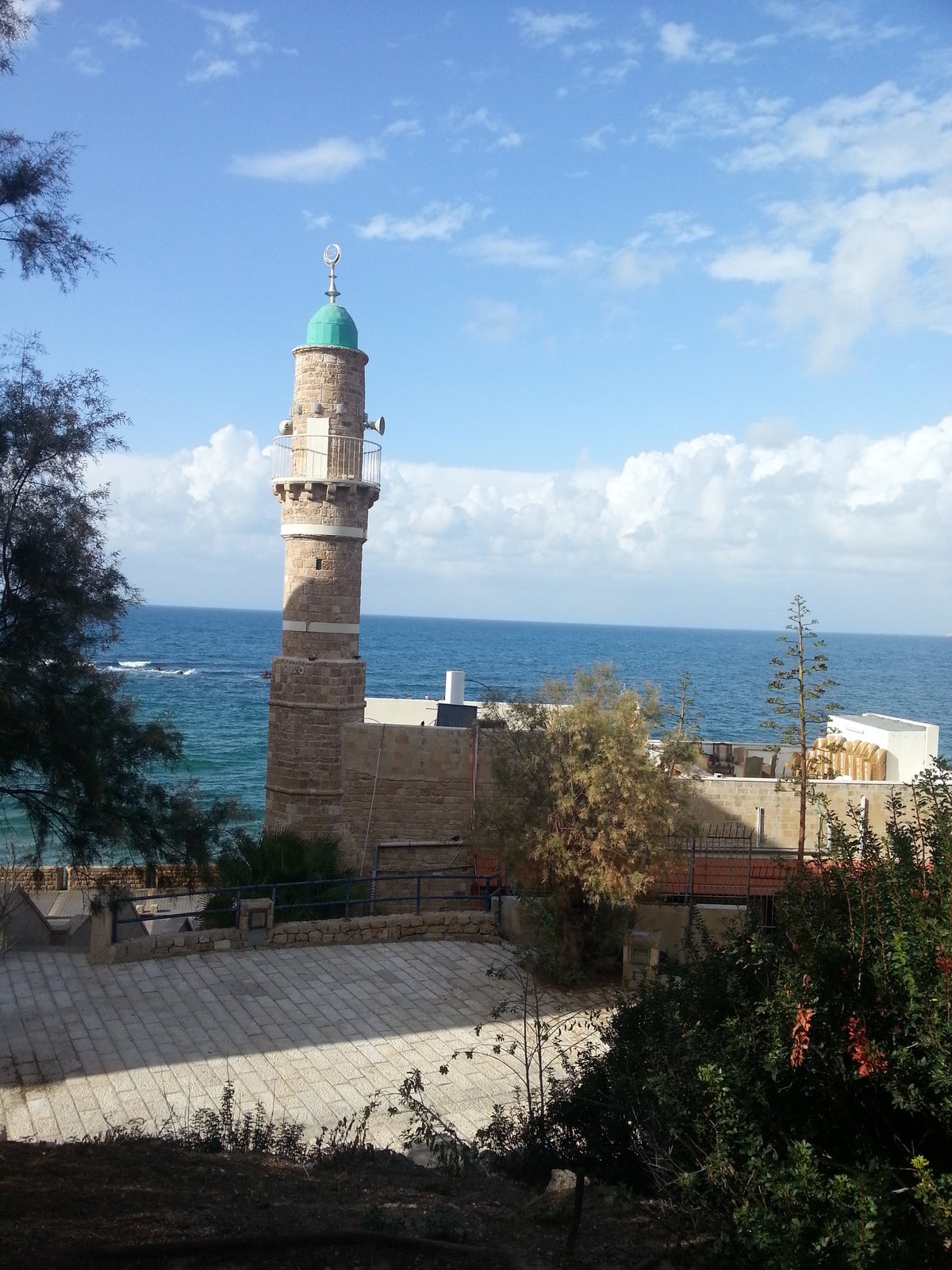
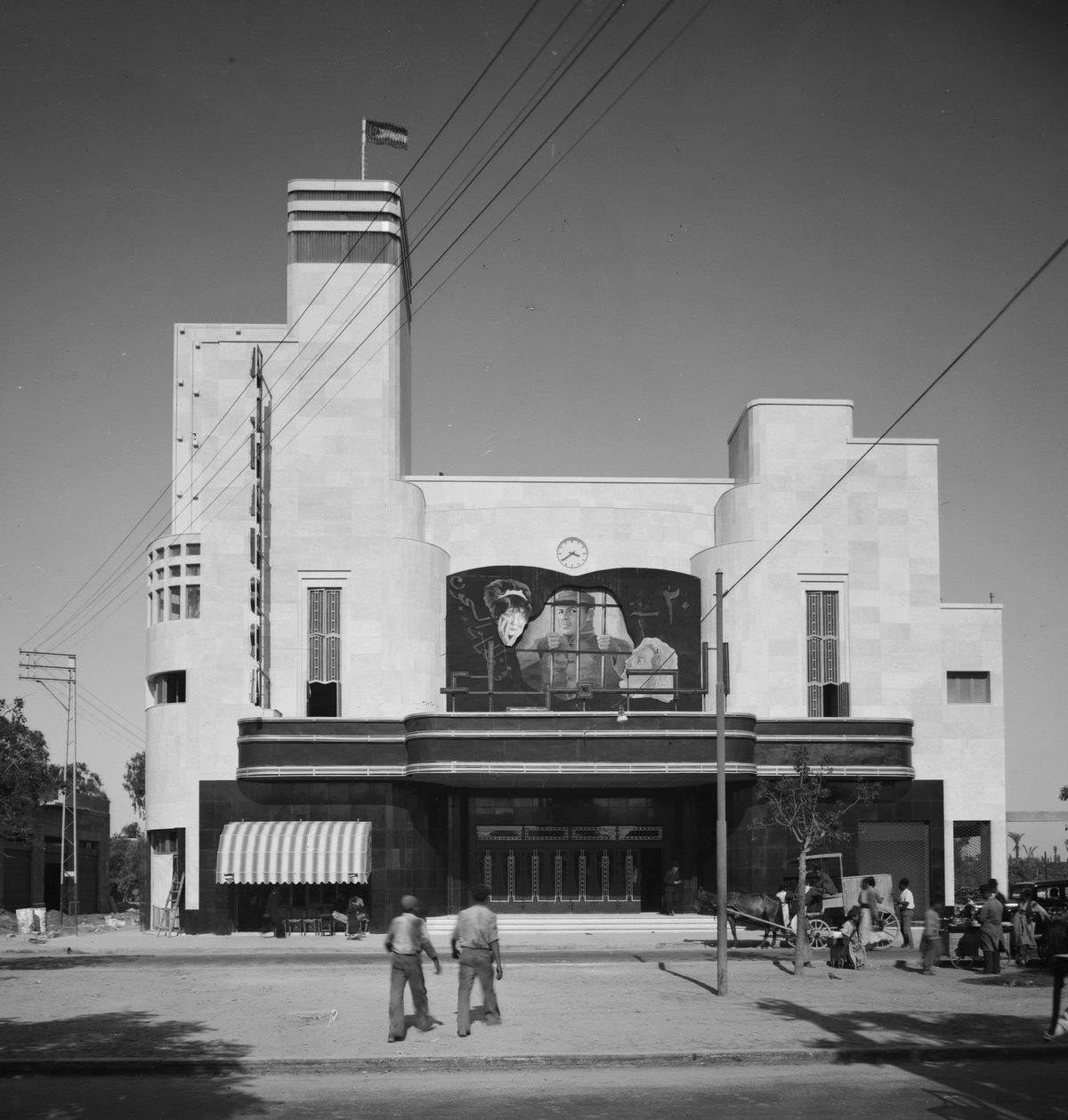
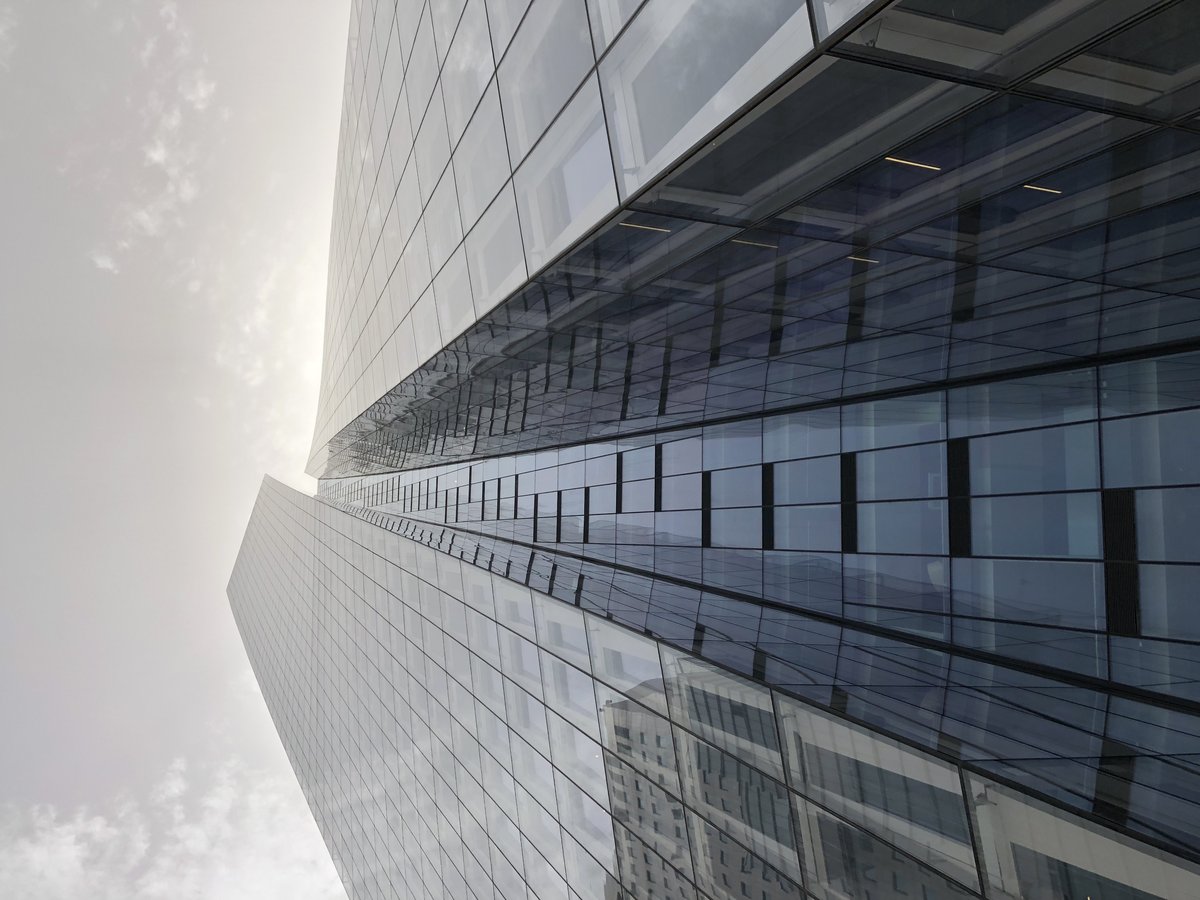
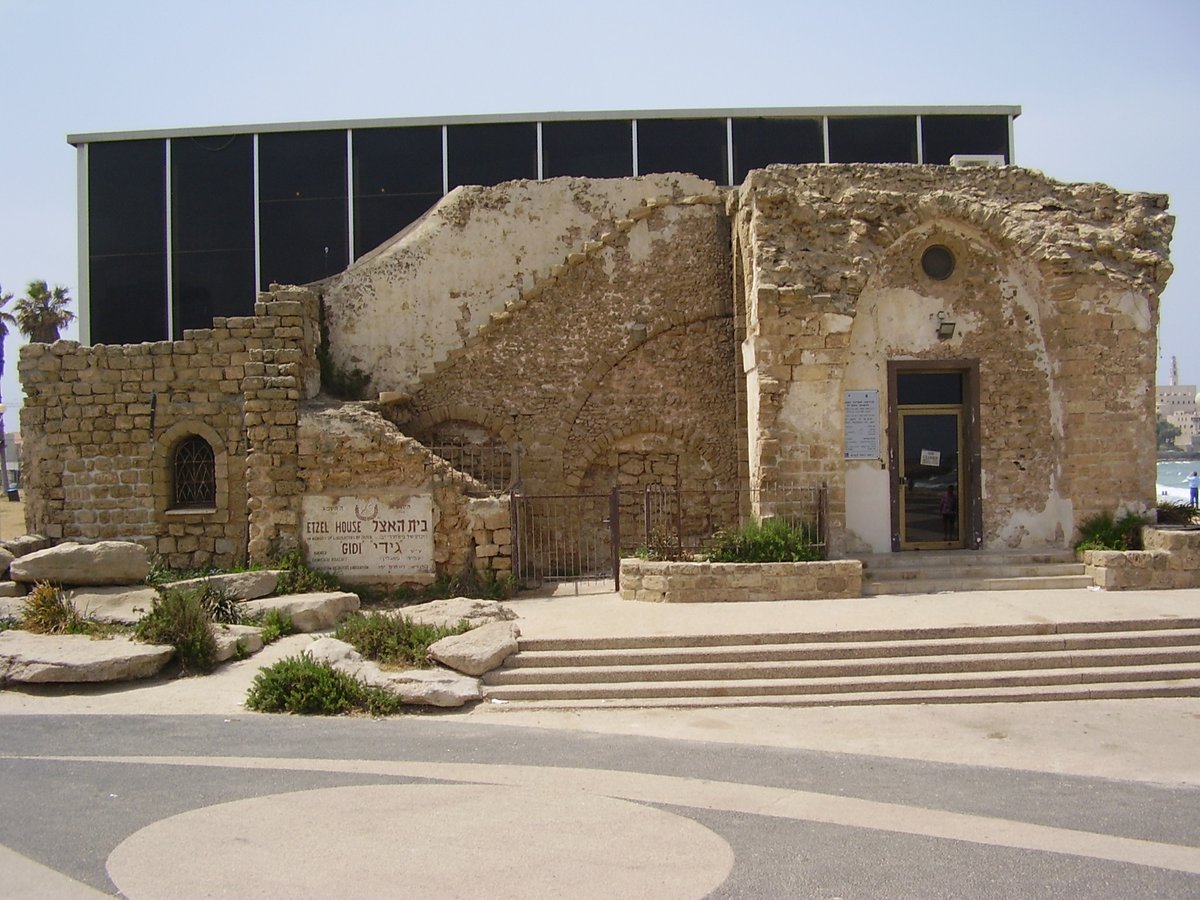
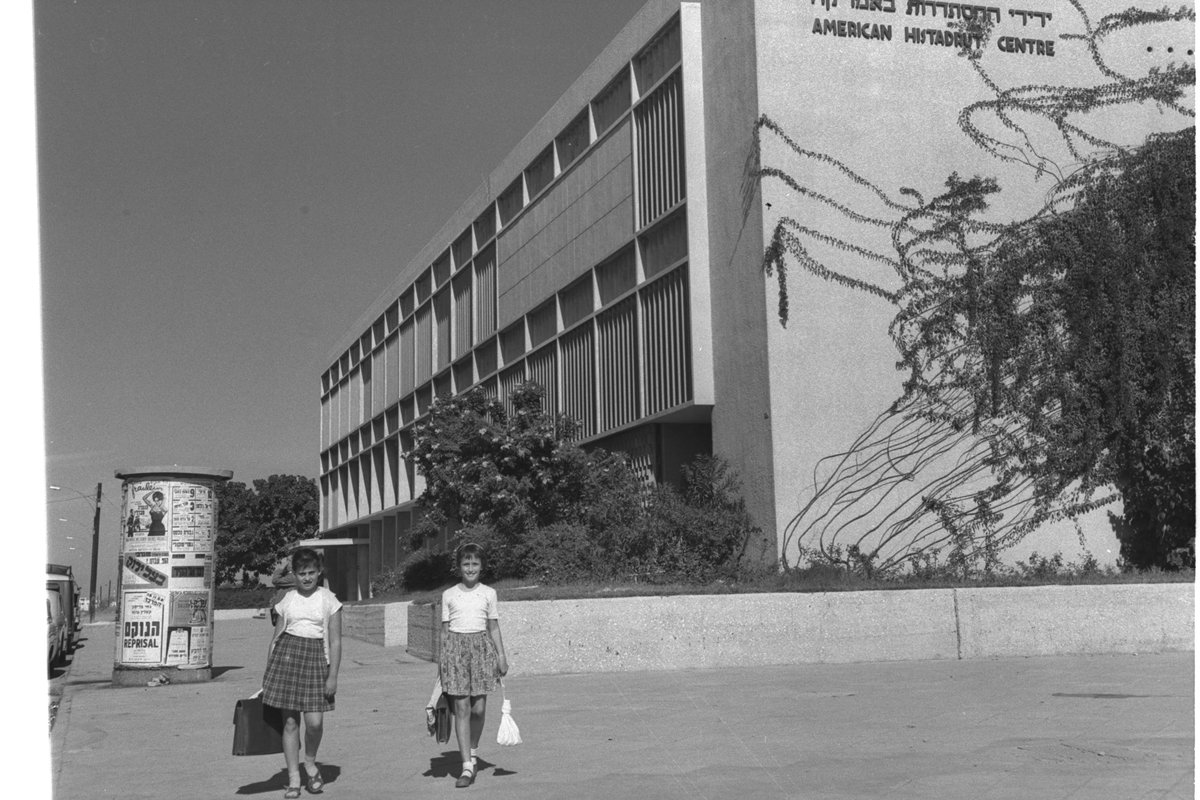
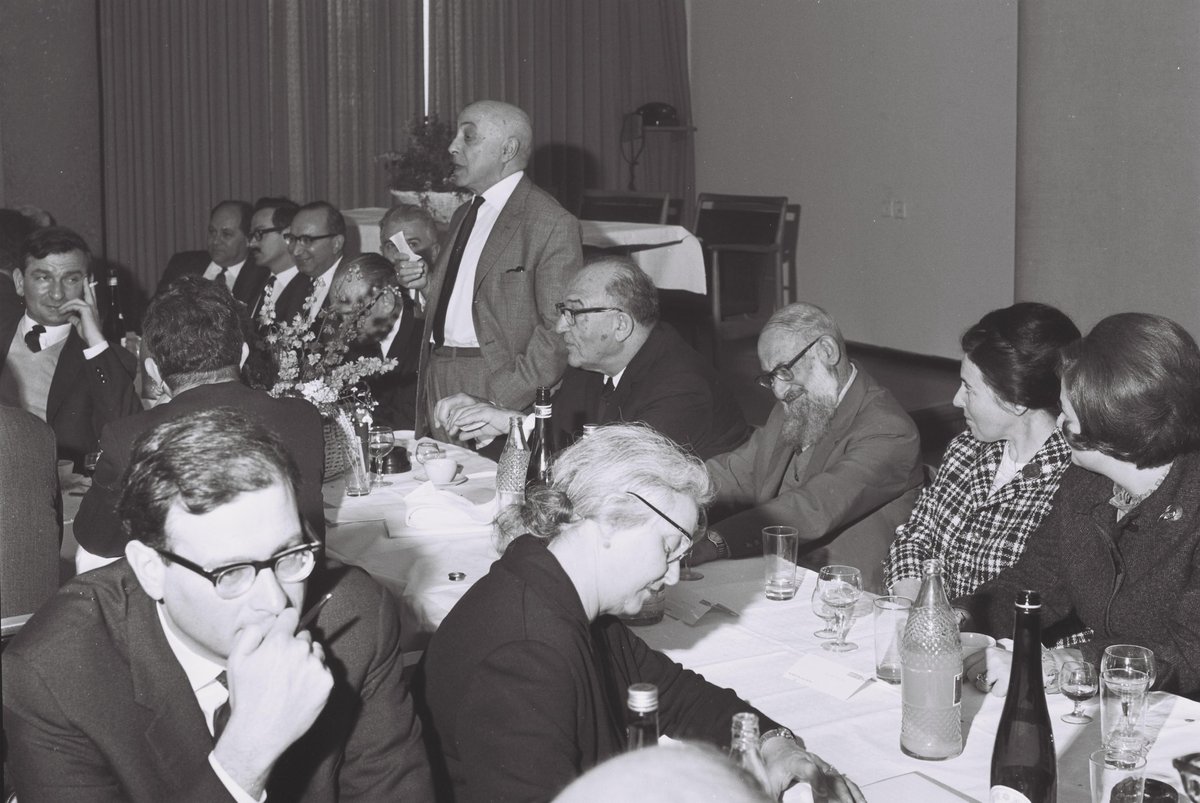
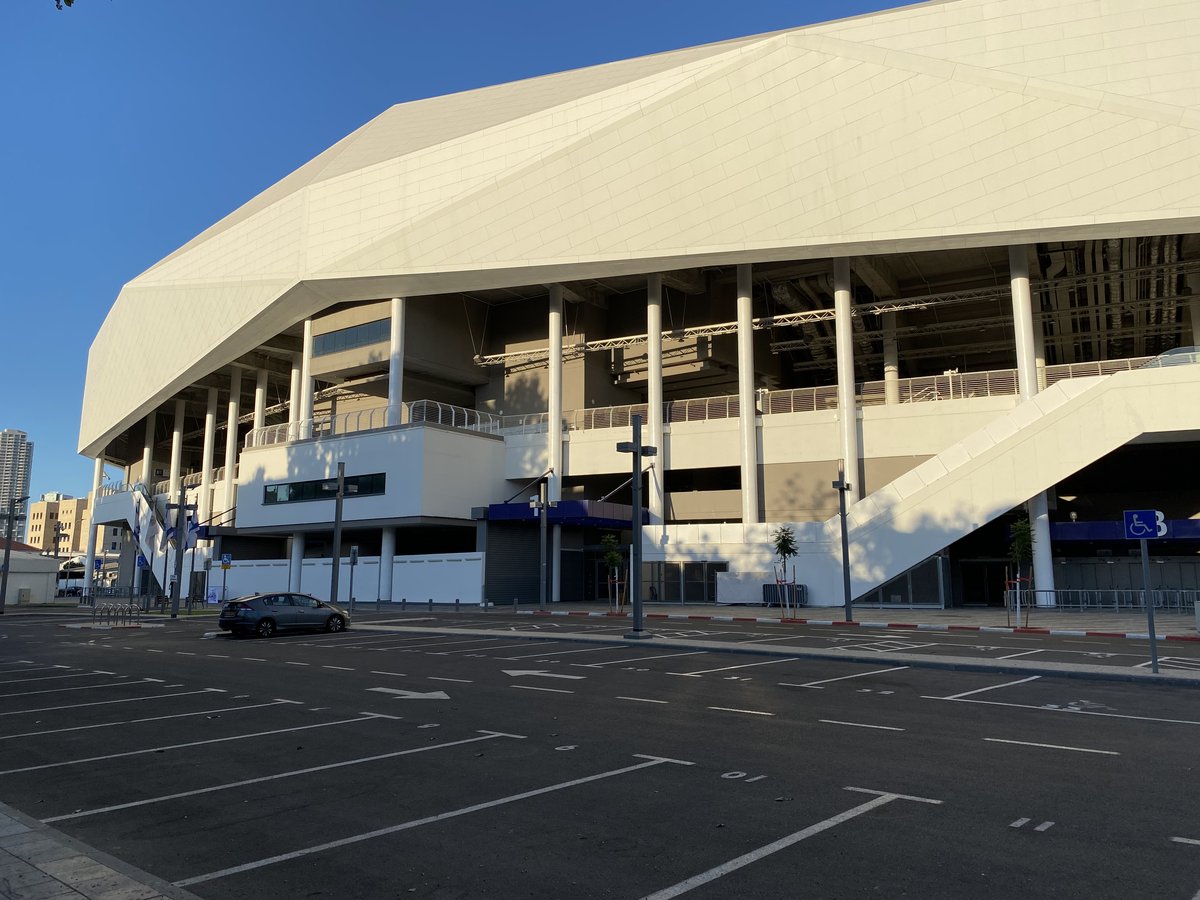
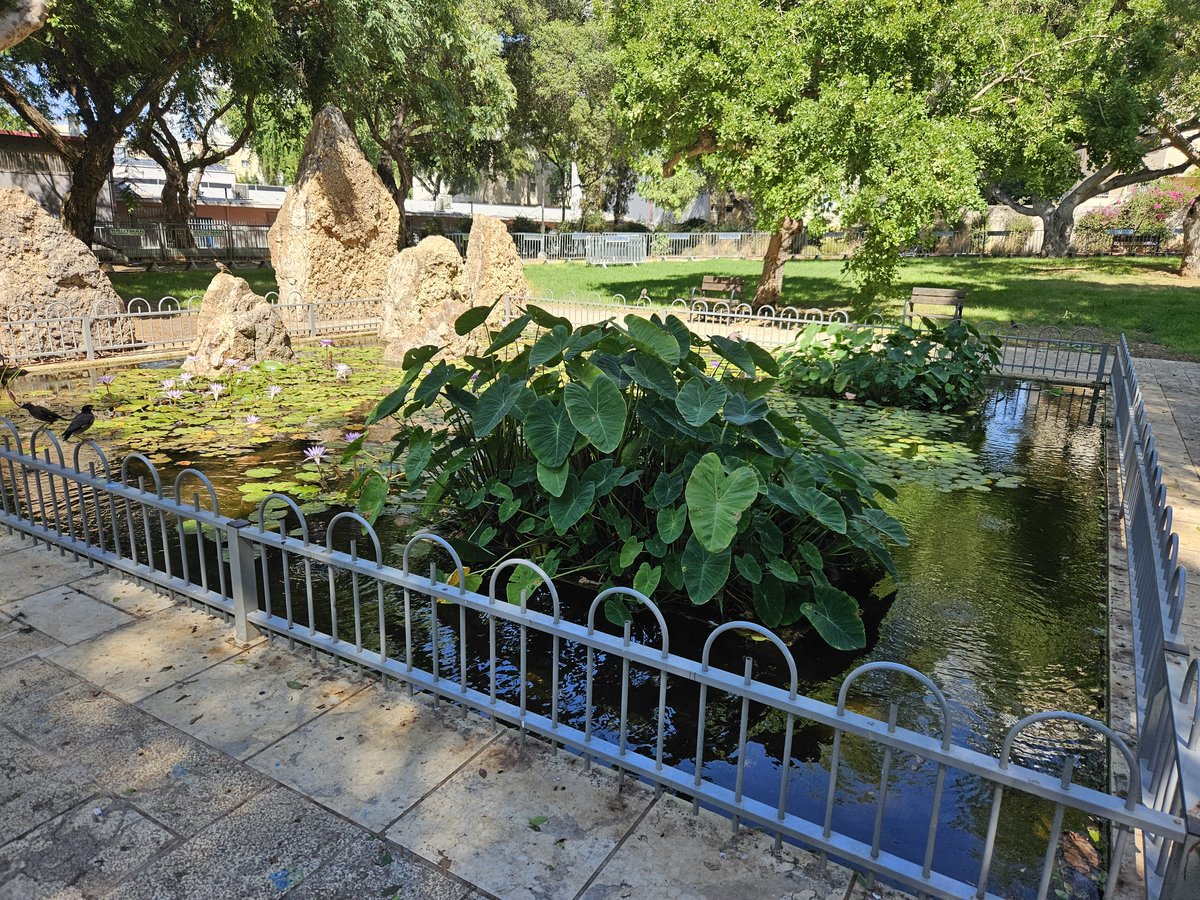
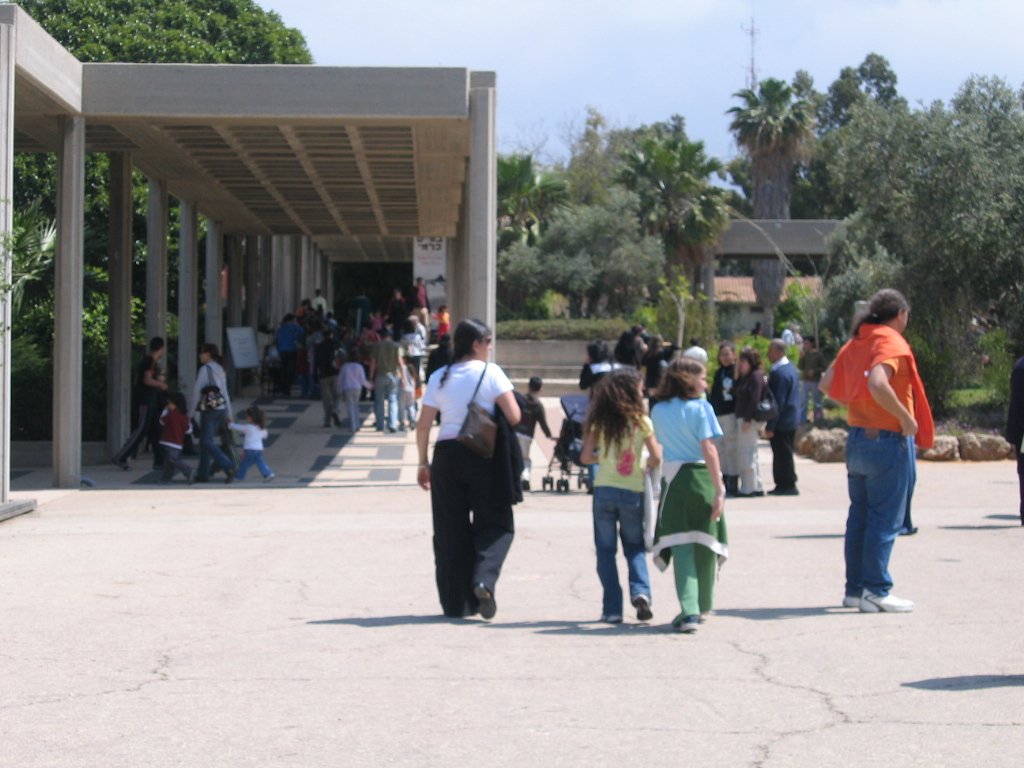
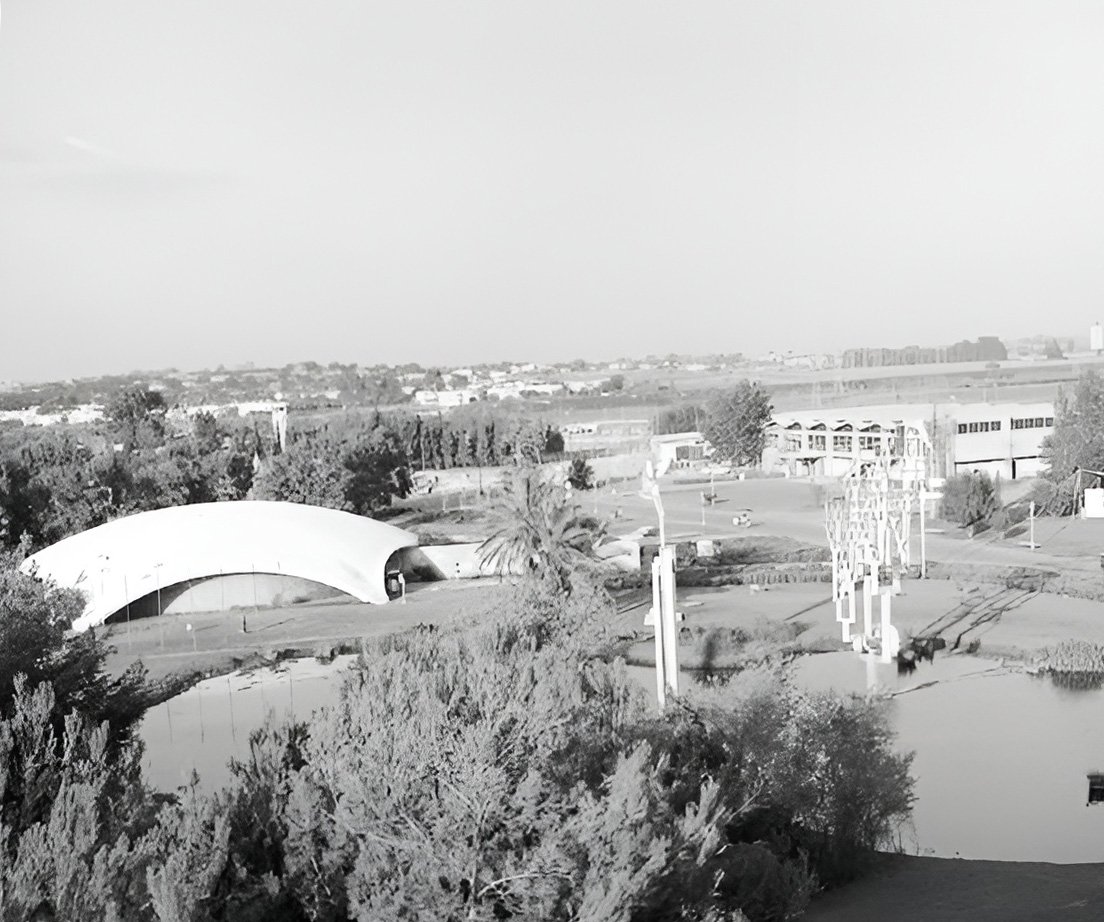
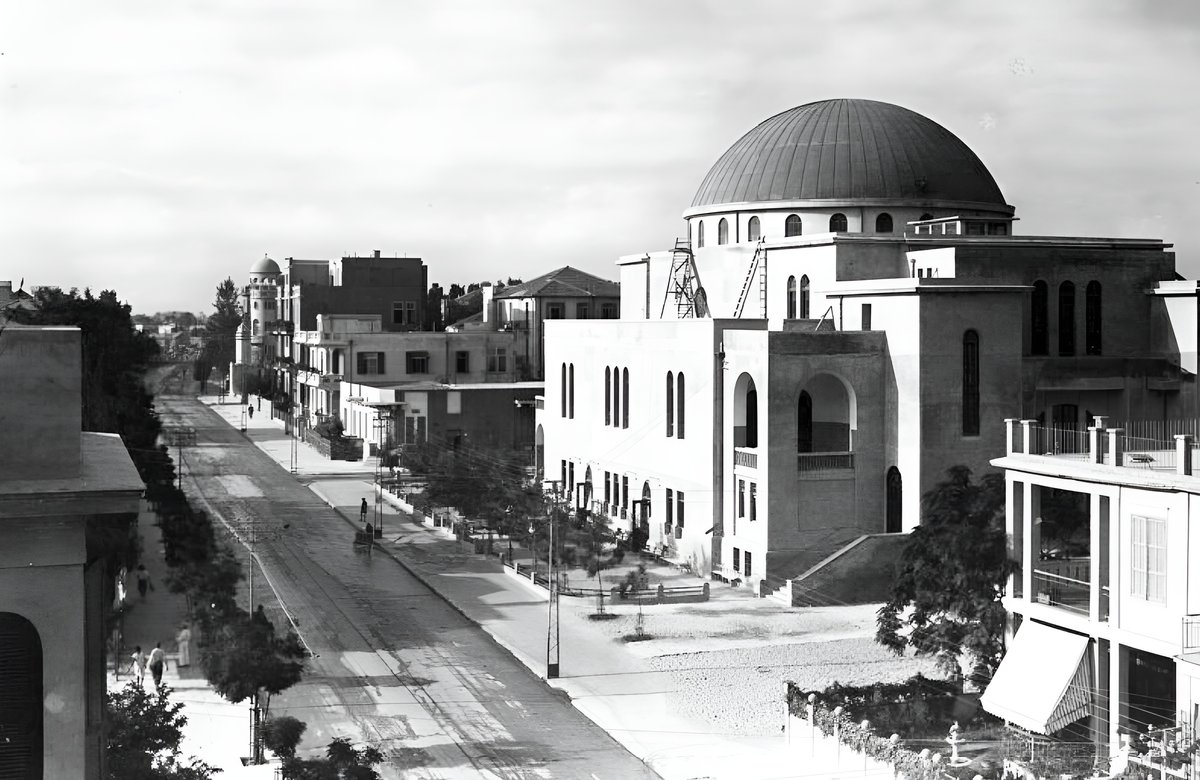
Photo Gallery
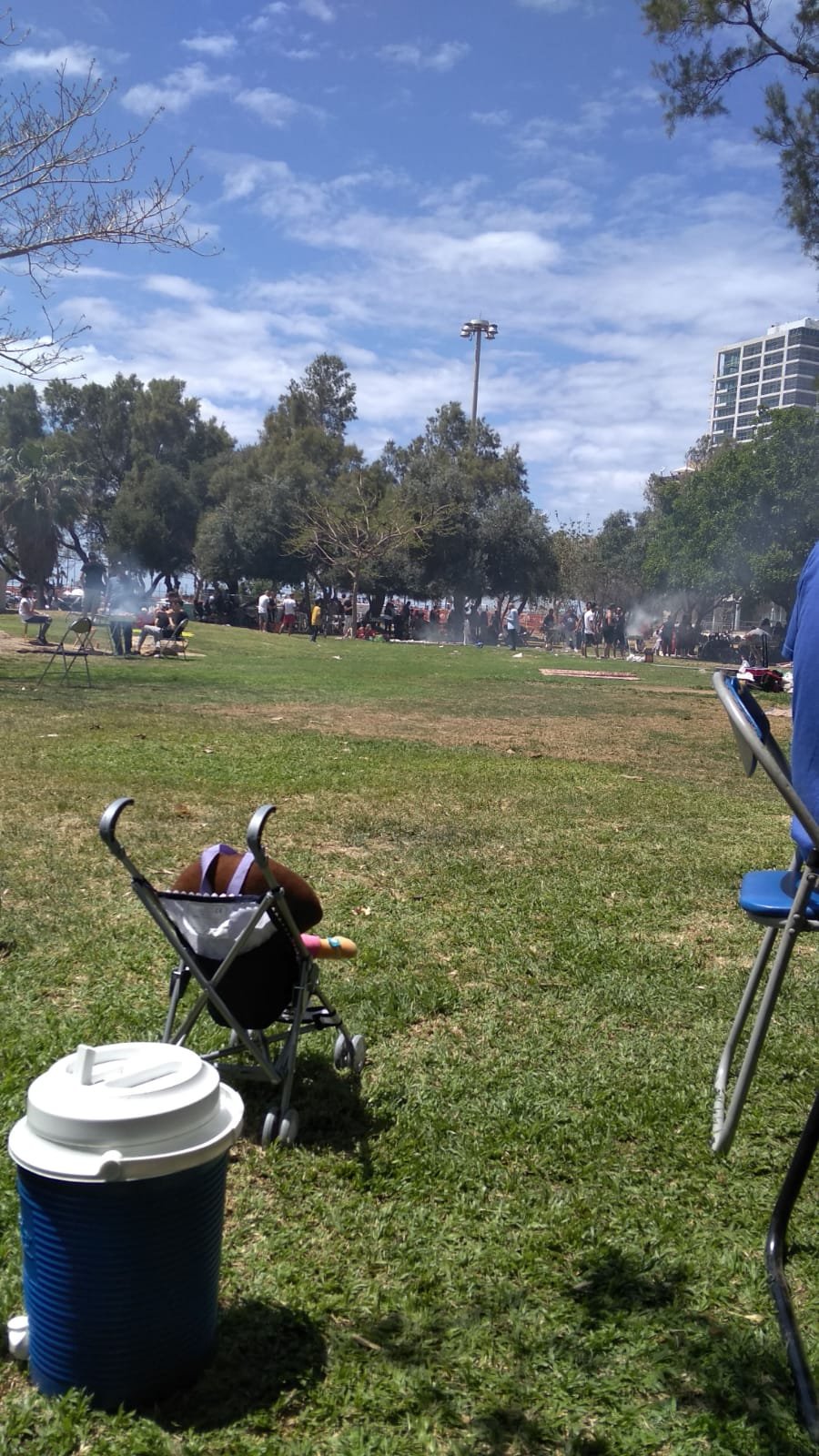
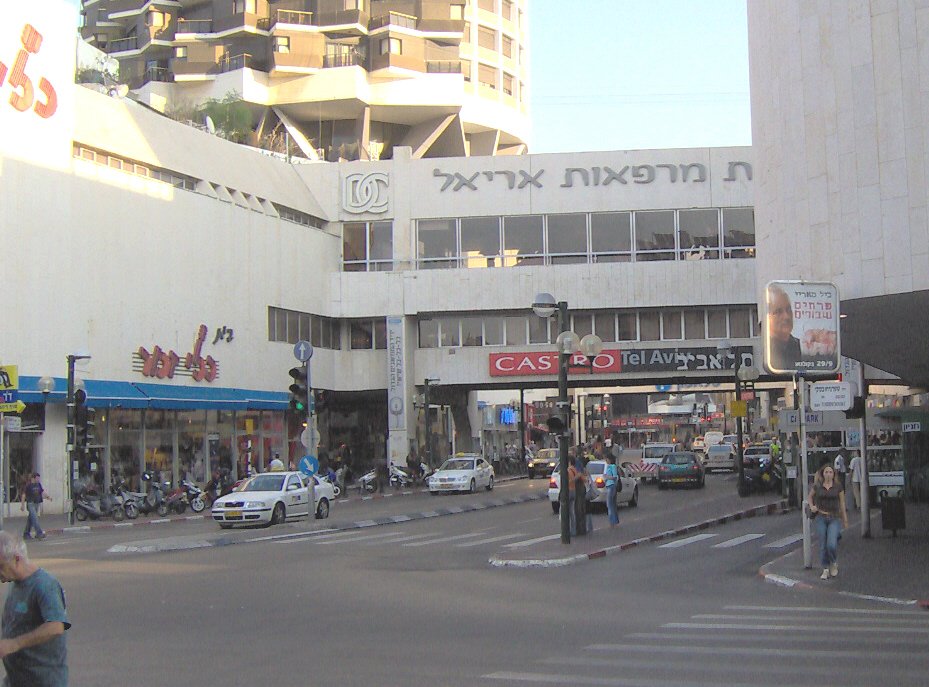
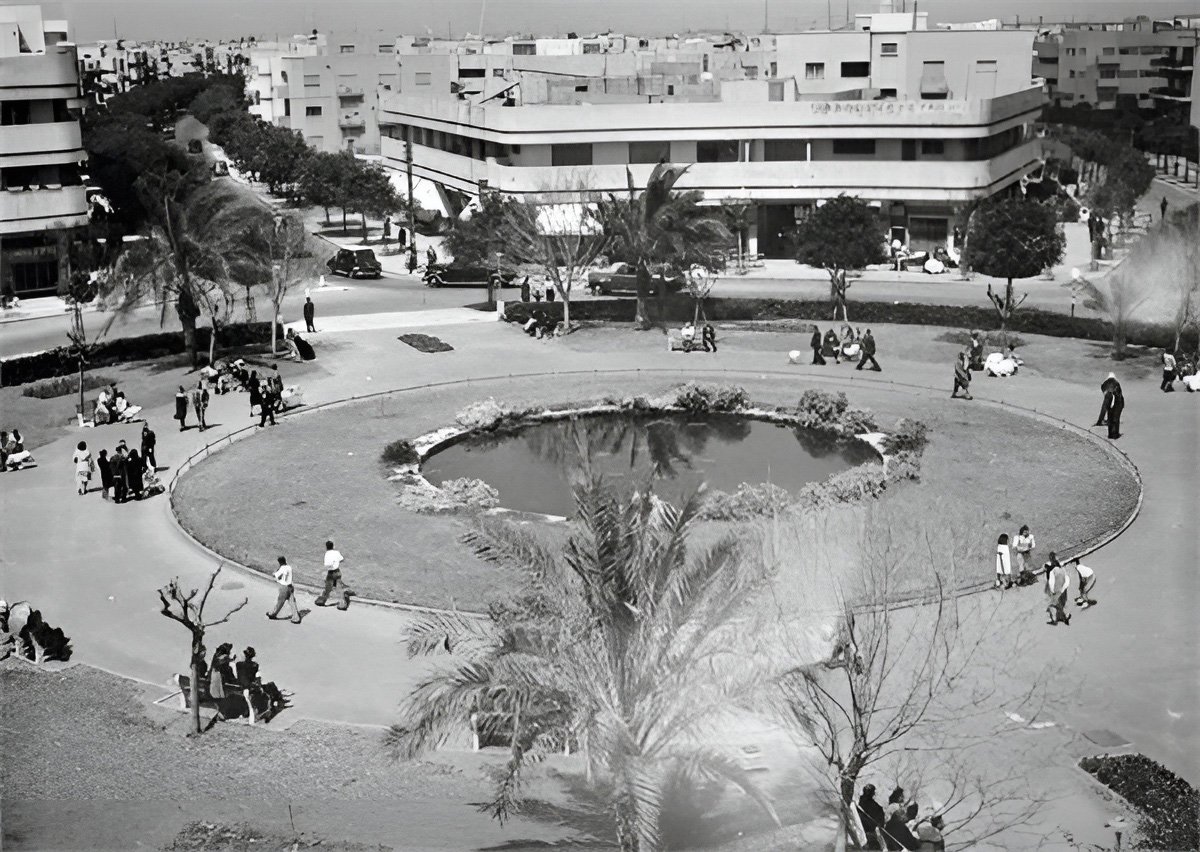
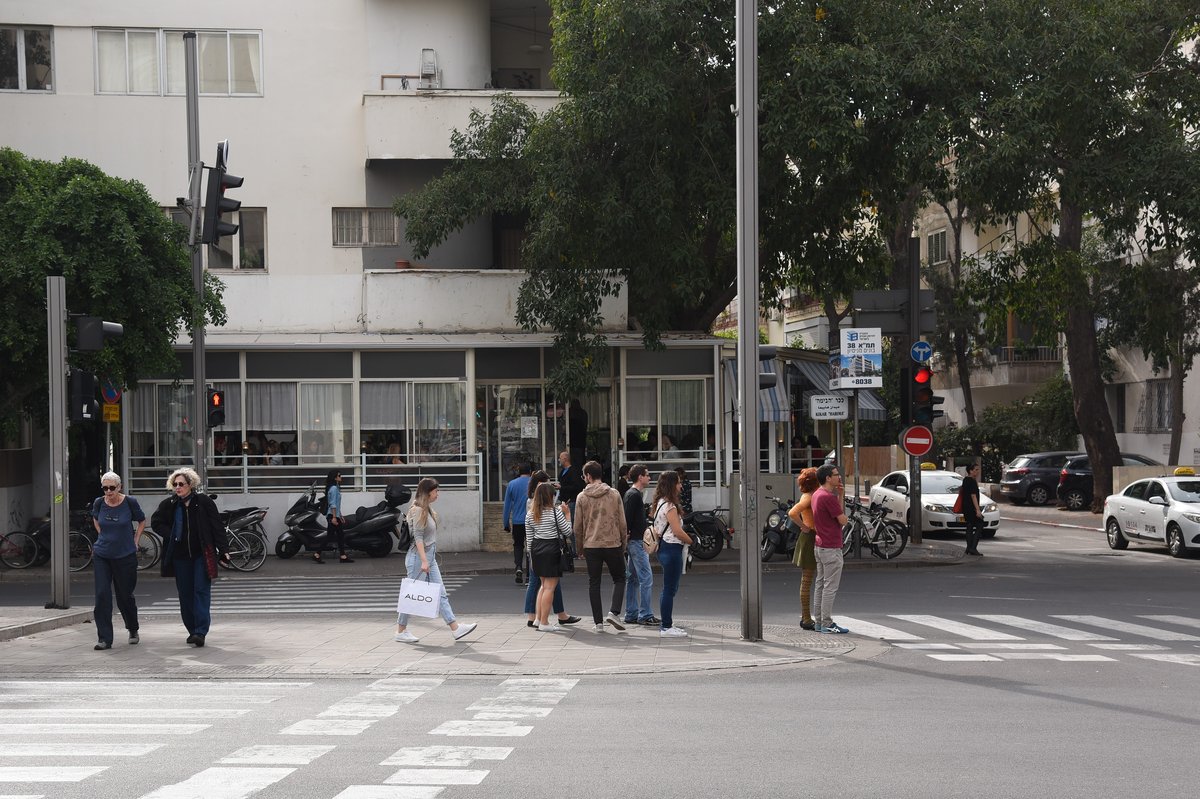
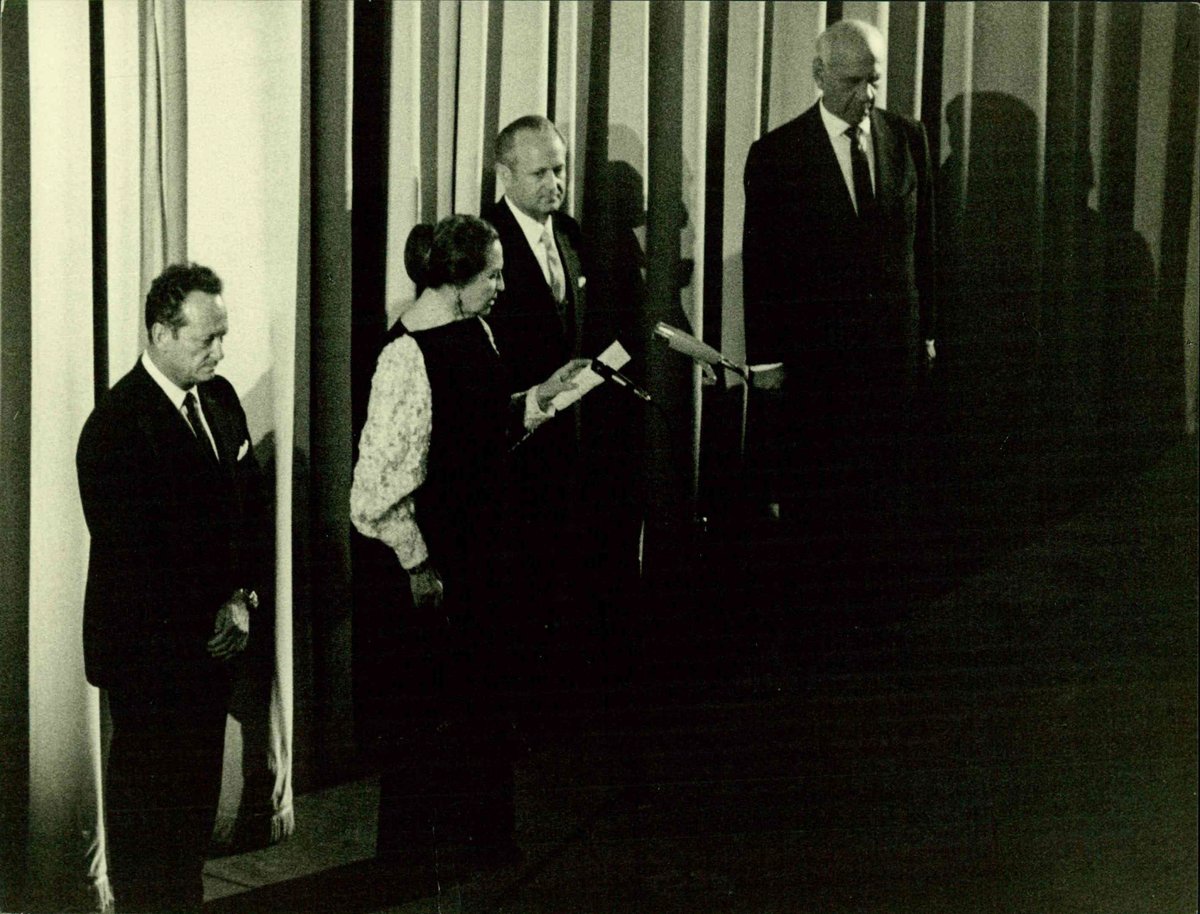
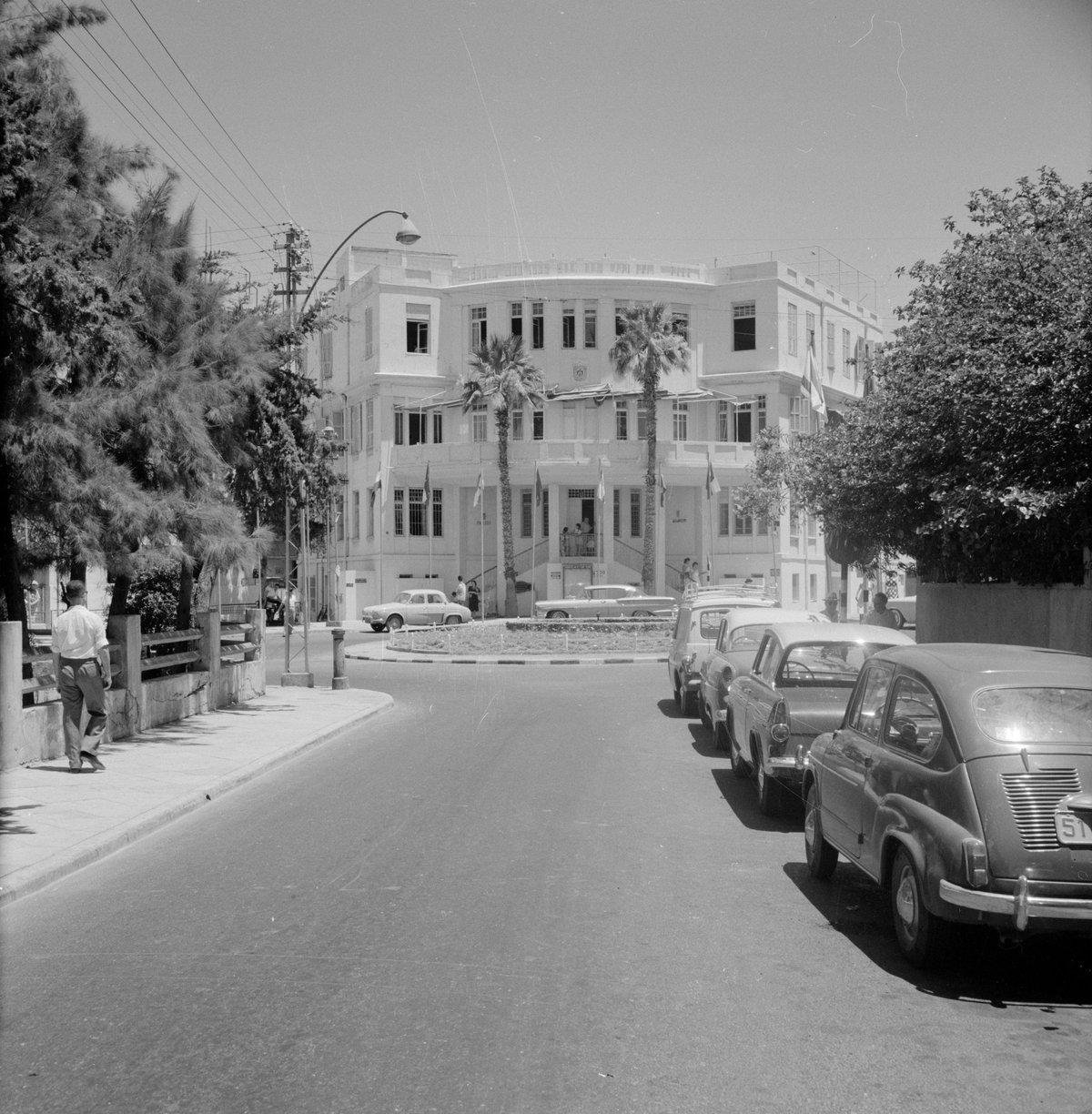
Explore Bialik Square in Pictures
Origins and Urban Development
Bialik Square emerged in the 1920s and 1930s, mirroring Tel Aviv’s rapid transformation into a modern city. Named after poet Haim Nachman Bialik, the square and its surroundings symbolize the city’s intellectual and cultural ambitions (israelbylocals.com). The architectural landscape blends international styles, especially Bauhaus and Eclectic, which contributed to Tel Aviv’s UNESCO World Heritage status as the “White City” (studio-ma.co.il).
Architectural Heritage and Conservation
Bialik Square is framed by notable examples of Bauhaus and Modernist architecture, including the former Tel Aviv Municipality building (now the Museum of the History of Tel Aviv-Yafo), Bialik House, and the Reuven Rubin Museum (israel-in-photos.com). These protected heritage buildings offer a window into Tel Aviv’s civic evolution and artistic innovation. The adaptive reuse of the Municipality Building, for example, preserves the legacy of Meir Dizengoff, the city’s first mayor (studio-ma.co.il).
Cultural Institutions and Their Impact
Bialik Square is home to several major cultural institutions, each enriching Tel Aviv’s artistic and literary landscape:
- Bialik House: Once home to Haim Nachman Bialik, it now serves as a museum dedicated to Hebrew literature and cultural initiatives (beinharimtours.com).
- Museum of the History of Tel Aviv-Yafo: Chronicles the city’s development through engaging, multimedia exhibits (studio-ma.co.il).
- Reuven Rubin Museum: Showcases works by one of Israel’s pioneering painters (israelbylocals.com).
- Bauhaus Museum: Highlights the architectural style that defines much of Tel Aviv’s cityscape (nicolesamueltourguide.wordpress.com).
- Liebling House: A Bauhaus landmark focusing on urban culture and architectural conservation (telavivfoundation.org).
- Ta Tarbut Faitlovitch: A cultural center celebrating Ethiopian-Israeli heritage (telavivfoundation.org).
Visiting Bialik Square: Hours, Tickets, and Tips
Visiting Hours:
- Bialik Square is open to the public 24/7.
- Museums generally operate Sunday–Thursday, 10:00 AM–5:00 PM, and are closed on Fridays, Saturdays, or Jewish holidays. Confirm specific hours on each institution’s website.
Tickets:
- The square is free to access.
- Museum tickets: 20–40 ILS, with discounts for students and seniors; children under a certain age often enter free. Some museums offer combined tickets or guided tours.
Accessibility and Travel Tips:
- Pedestrian-friendly layout, with parking and public transportation nearby.
- Guided tours are available and often include museum entries and architectural highlights.
- Photography is encouraged in outdoor and most museum spaces.
Nearby Attractions:
- Neve Tzedek, Rothschild Boulevard, Carmel Market, and Dizengoff Street are within walking distance, offering more architectural, culinary, and cultural experiences.
Literary and Artistic Legacy
The square’s connection to Haim Nachman Bialik cements its place in Hebrew literary history. Bialik House was a magnet for intellectuals and artists, fostering cultural movements that defined Israeli identity (beinharimtours.com). The influence of artists like Reuven Rubin and poet Natan Alterman further enriches Bialik Square’s cultural significance (telavivfoundation.org).
Social and Civic Significance
Bialik Square continues to serve as a vibrant venue for art exhibitions, performances, and community gatherings (evendo.com). Its open design encourages social interaction and remains a focal point for civic life.
Preservation, Challenges, and Resilience
As a protected heritage site, Bialik Square faces challenges from ongoing urban development and regional instability. Damage sustained during conflicts in 2024, including to Bialik House, highlights the necessity of robust conservation efforts (jns.org). Restoration projects and continued cultural programming underscore the community’s resilience and commitment to safeguarding this historic area (telavivfoundation.org).
Role in Contemporary Tel Avivian Identity
Today, Bialik Square stands as a symbol of Tel Aviv’s dynamic and diverse cultural identity (re-levant.co.il). Its design and programming foster openness and artistic expression, bridging the city’s storied past with its innovative present (evendo.com).
Frequently Asked Questions (FAQ)
Q: What are the Bialik Square visiting hours?
A: The square is open 24/7. Museums are typically open Sunday–Thursday, 10:00 AM–5:00 PM. Always check individual museum websites for current details.
Q: Are there entrance fees for Bialik Square attractions?
A: The square itself is free. Museums charge admission (20–40 ILS), with discounts available.
Q: Is Bialik Square accessible for people with disabilities?
A: Yes. The square and most museums are wheelchair accessible. Check with individual institutions for detailed accessibility features.
Q: Can I take guided tours of Bialik Square?
A: Yes. Local guides offer tours that include the square and its museums.
Q: What is the best time to visit Bialik Square?
A: Spring and autumn offer the most pleasant weather. Weekdays tend to be less crowded.
Listen to the full story in the app
Your Personal Curator, in Your Pocket.
Audio guides for 1,100+ cities across 96 countries. History, stories, and local insight — offline ready.
Audiala App
Available on iOS & Android
Join 50k+ Curators
Sources
- verified
- verified
- verified
- verified
- verified
- verified
- verified
- verified
- verified
- verified
Last reviewed: