Introduction
The Bauhaus Museum Tel Aviv stands at the heart of one of the world's most significant architectural landscapes. The Bauhaus movement, founded in 1919 by Walter Gropius in Weimar, Germany, transformed modern design by championing functionality, simplicity, and the integration of art, craft, and technology. Although the original Bauhaus school was closed by the Nazis in 1933, its principles spread globally, shaping the modernist cityscape of Tel Aviv’s “White City.” Today, this district boasts the world’s largest concentration of Bauhaus and International Style buildings—about 4,000 structures—earning UNESCO World Heritage status in 2003. These buildings, with their white stucco facades, flat roofs, and shaded balconies, ingeniously adapt Bauhaus ideals to the Mediterranean climate.
For travelers and architecture enthusiasts, the Bauhaus Museum on Bialik Street and the Bauhaus Center on Dizengoff Street provide immersive entry points into the city’s modernist heritage. This guide covers the history and significance of the Bauhaus movement, explores Tel Aviv's adaptation of its principles, and offers essential information on visiting hours, tickets, tours, accessibility, and nearby attractions.
For further updates and in-depth resources, consult the Bauhaus Center Tel Aviv, the Bauhaus Museum Tel Aviv, and UNESCO’s White City of Tel Aviv.
The Bauhaus Movement: Origins and Principles
Founded in Weimar, Germany, in 1919, the Bauhaus aimed to unite architecture, fine arts, and crafts into a holistic “total work of art” (Wikipedia; My Modern Met). Bauhaus design foregrounds:
- Form Follows Function: Utility over ornamentation (Auctionet).
- Simplicity and Minimalism: Clean lines, geometric forms, and egalitarian values (Architectural Digest).
- Interdisciplinary Collaboration: Fusing art, craft, and technology (Ilustromania).
- Accessibility: Design that serves society, not just elites (Ilustromania).
After the Nazi closure of the Bauhaus school in 1933, its faculty and graduates—including Paul Klee and Wassily Kandinsky—spread its influence worldwide, most notably in the United States (Wikipedia; Auctionet).
The Bauhaus Legacy in Tel Aviv’s White City
Historical Context
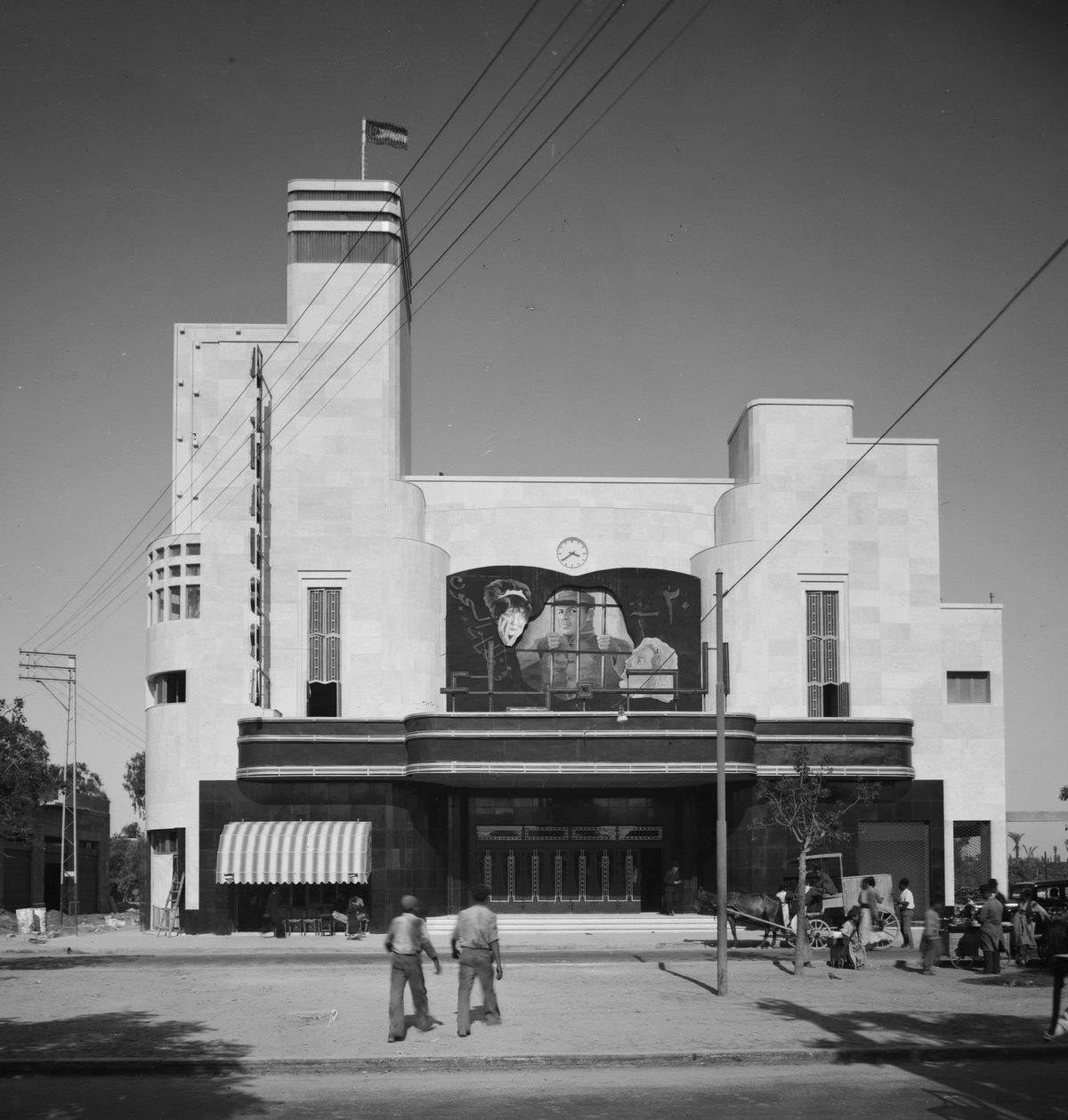
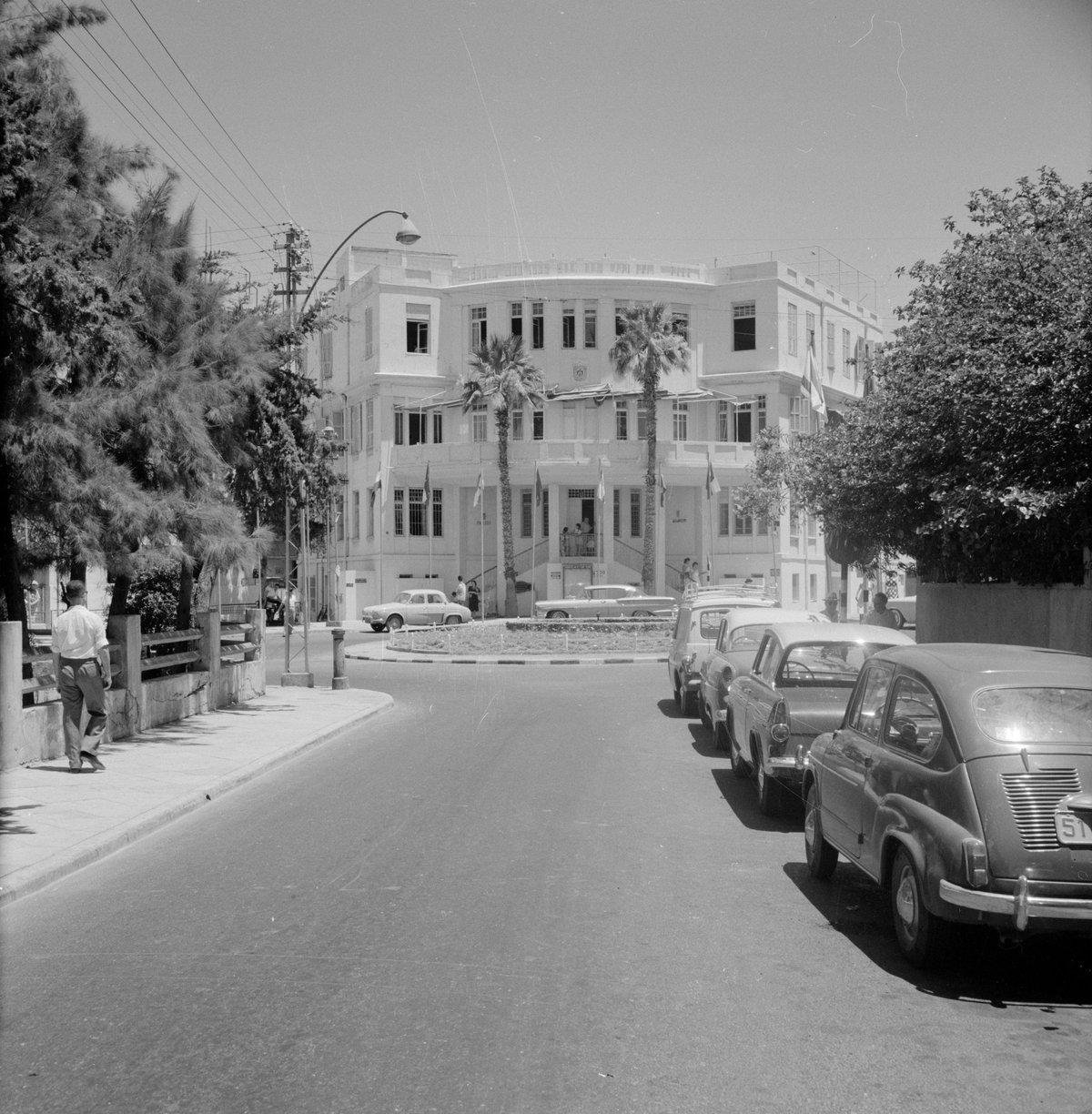
Following the rise of Nazism, Jewish architects trained in Europe emigrated to Tel Aviv, bringing with them Bauhaus and International Style principles. Tel Aviv, founded in 1909, experienced a building boom in the 1930s, providing fertile ground for modernist urban design (dokmimarlik.com; israel21c.org).
Architectural Features
Unique adaptations of Bauhaus in Tel Aviv include:
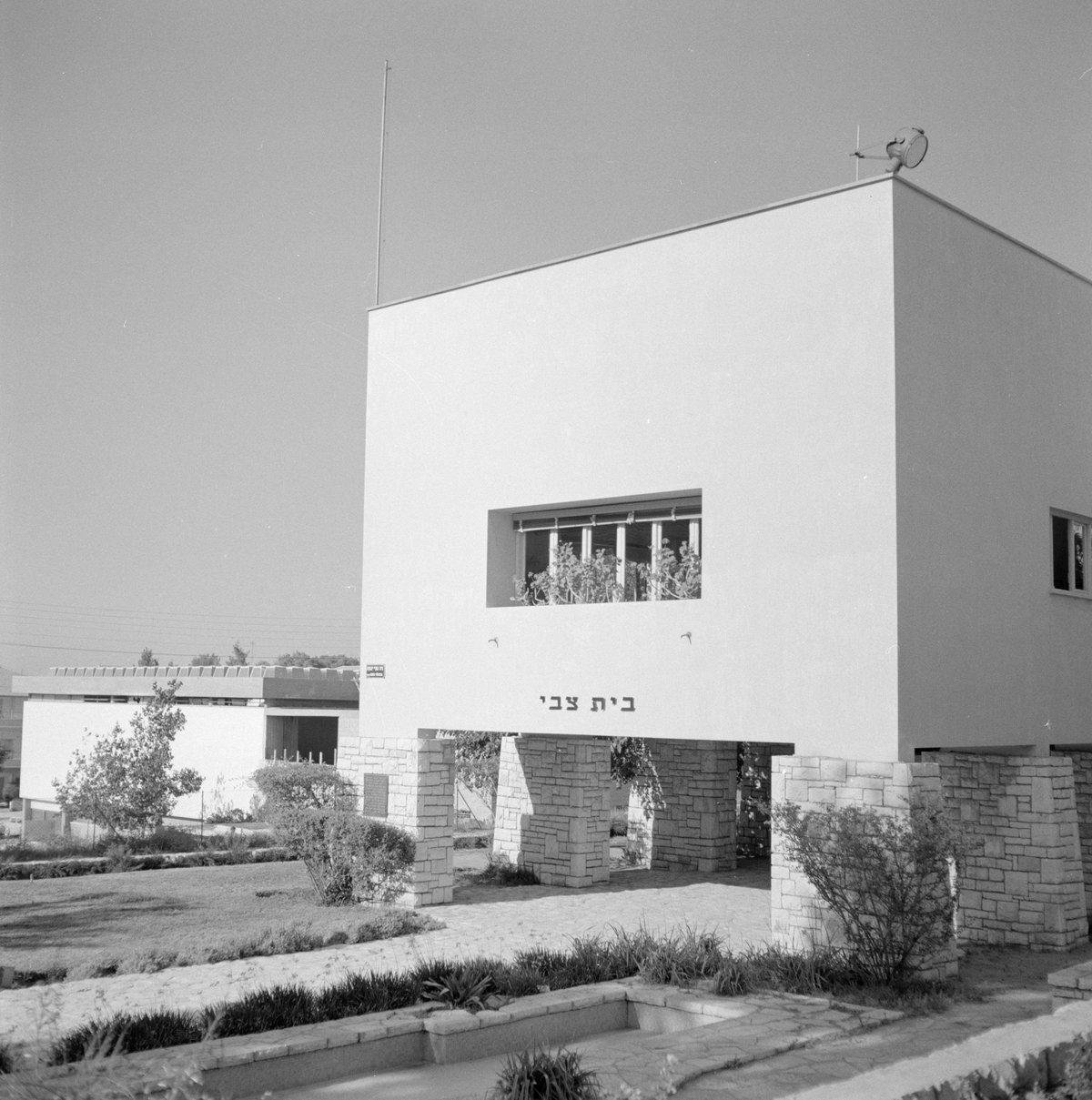
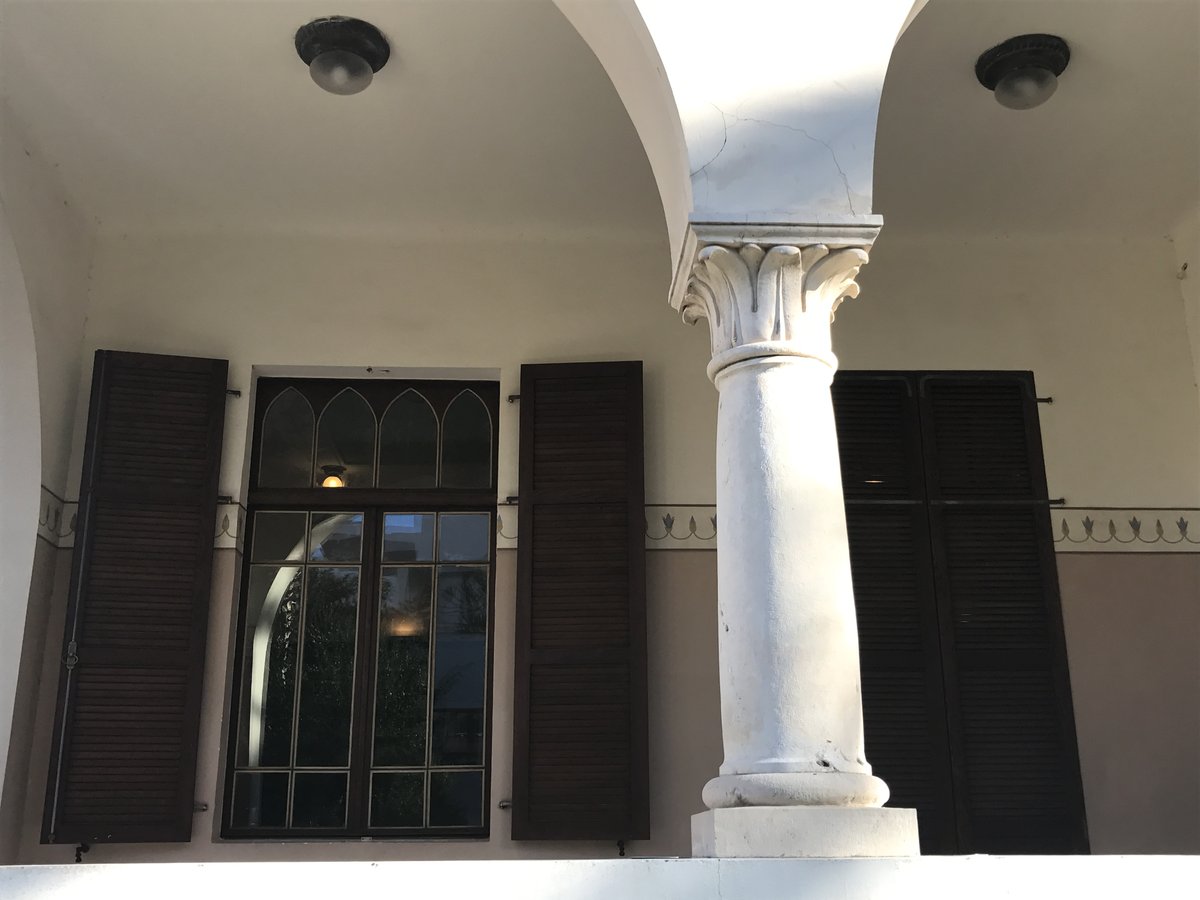
- White Stucco Facades: To reflect sunlight and reduce heat (dokmimarlik.com).
- Flat Roofs: Used as communal spaces and for climate adaptation (israel21c.org).
- Small Windows & Large Balconies: Providing shade and ventilation (israel21c.org).
- Pillars and Open Floor Plans: Enabled by reinforced concrete, allowing for flexible interiors (israel21c.org).
- Asymmetry and Functional Ornamentation: Prioritizing practicality (dokmimarlik.com).
Social & Cultural Impact
The Bauhaus buildings not only redefined Tel Aviv’s skyline but also embodied the city’s aspirations for a progressive, inclusive society. Architects like Arieh Sharon designed cooperative housing and public spaces that fostered community and modern living (dokmimarlik.com).
Conservation and UNESCO Status
Since its recognition as a UNESCO World Heritage Site in 2003, significant efforts have been made to preserve and restore the White City’s approximately 4,000 Bauhaus buildings (israel21c.org).
Visiting the Bauhaus Museum and Bauhaus Center Tel Aviv
Bauhaus Museum Tel Aviv (Bauhaus Foundation)
- Location: 21 Bialik Street, Tel Aviv 63324 (Bauhaus Foundation)
- Setting: Ground floor of a classic 1934 Bauhaus building by Shlomo Gepstein, in the historic White City district (Petit Futé; Time Out)
- Exhibitions: Rotating and permanent displays of Bauhaus furniture, graphic design, models, and photography. Highlights include original works by Bauhaus pioneers, as well as contemporary interpretations (Time Out).
Opening Hours (as of July 2025)
- Wednesdays: 11:00 – 17:00
- Fridays: 10:00 – 14:00
- Closed: Other days, holidays, and during special events; check the official website for updates
Admission
- Free entry; donations appreciated for conservation and education. No advance ticket needed.
Facilities & Accessibility
- Ground floor access; suitable for wheelchair users (En-Vols).
- Located on a pedestrian-friendly street, close to the Rubin Museum, Bialik Museum, and Carmel Market.
Bauhaus Center Tel Aviv
- Location: 77 Dizengoff Street, Tel Aviv
- Opening Hours: Sunday–Friday, 10:00–18:00; closed Saturdays and holidays (Bauhaus Center)
- Tickets: General admission 40 ILS; discounts for students, seniors, and groups. Guided tours priced separately.
- Exhibitions: Permanent and temporary displays on Tel Aviv’s Bauhaus architecture, including photographs, models, blueprints, and multimedia presentations (Bein Harim Tours).
- Bookstore & Design Shop: Books, maps, posters, and Bauhaus-inspired gifts.
- Educational Programs: Lectures, workshops, and weekly guided walking tours.
- Contact: +972-3-523-7567 | [email protected]
Guided Tours and Audio Guides
- Walking Tours: Weekly, especially Friday mornings; explore Rothschild Boulevard, Dizengoff Square, and other White City highlights with expert guides. Available in multiple languages (My Wanderlust).
- Audio Guides: For self-guided exploration; available in several languages.
Exploring the White City
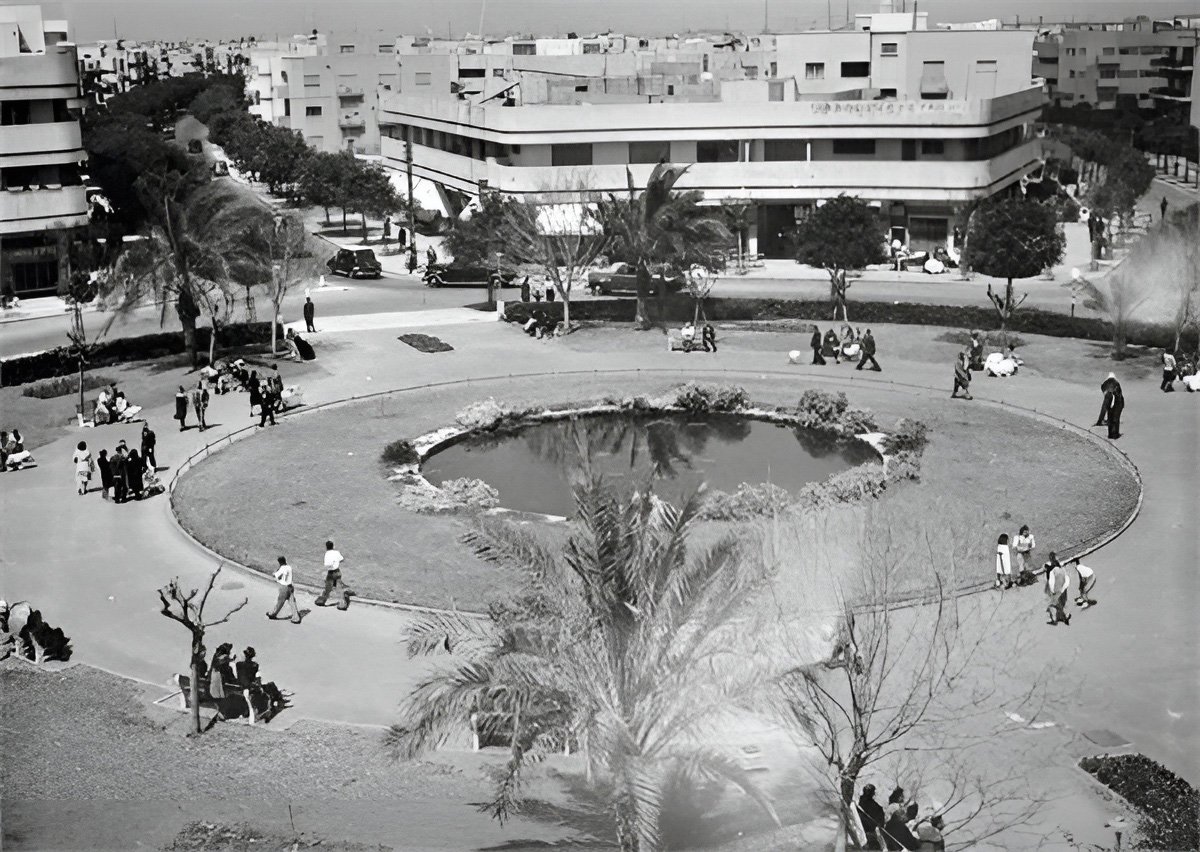
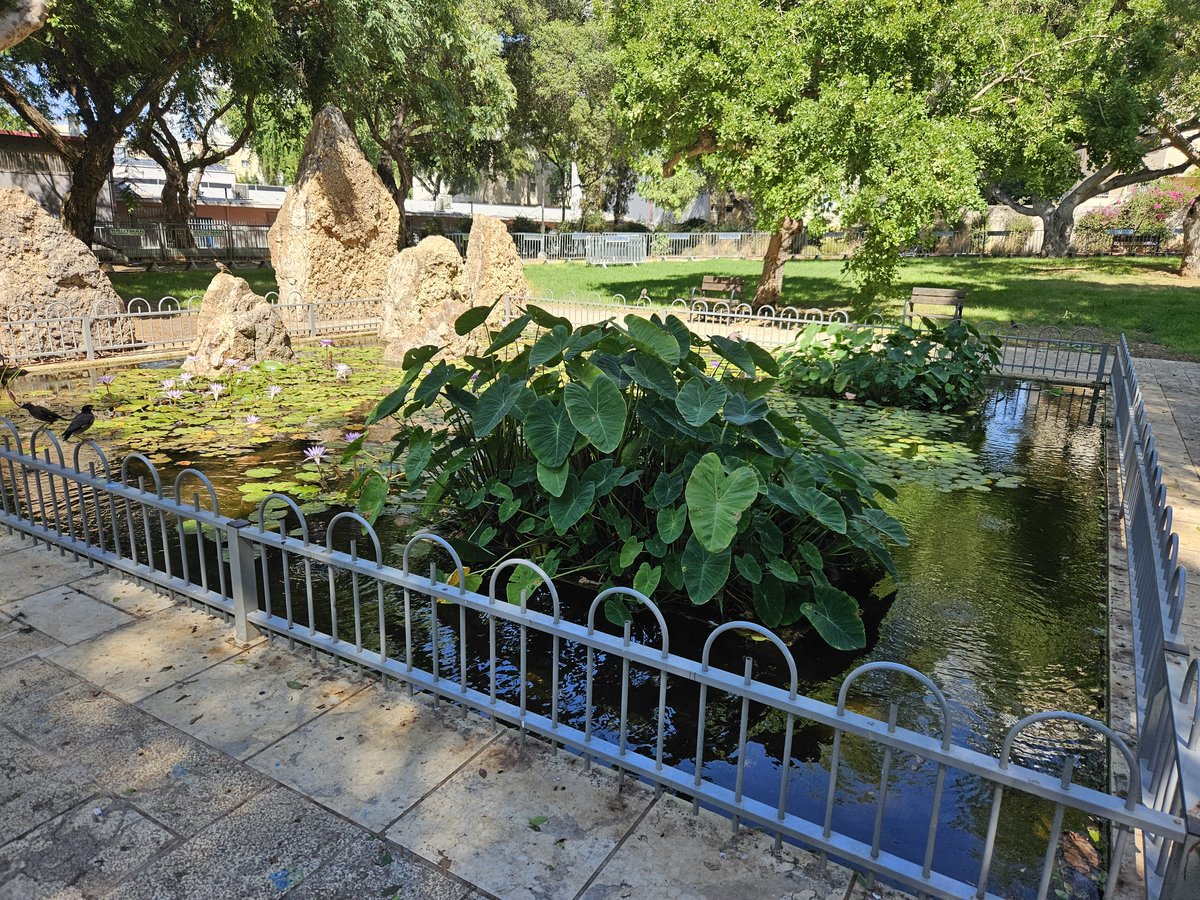
The White City’s Bauhaus buildings stretch from Allenby Street in the south to the Yarkon River in the north, bordered by Ibn Gabirol Street (east) and the Mediterranean Sea (west). Notable areas include Rothschild Boulevard, Dizengoff Square, and Bialik Square (dokmimarlik.com; switchbridgetours.com).
Tips for Visiting:
- Best Seasons: Spring and autumn for mild weather.
- Getting Around: Accessible by foot, bike, or public transport; parking is limited.
- Accessibility: Most museums and major streets are wheelchair accessible.
- Other Attractions: Nearby sites include the Rubin Museum, Carmel Market, and Neve Tzedek.
Frequently Asked Questions (FAQ)
Q: What are the Bauhaus Museum Tel Aviv opening hours?
A: Wednesdays 11:00–17:00, Fridays 10:00–14:00. Check here for updates.
Q: Is there an admission fee?
A: Entry is free; donations are appreciated.
Q: Are guided tours available?
A: Yes. Book through the Bauhaus Center for walking and audio tours.
Q: Is the White City accessible for wheelchair users?
A: Most major sites are accessible; some older buildings may have limited access.
Q: Can I take photos inside the museum?
A: Generally yes; check with staff for specific exhibitions.
Listen to the full story in the app
Your Personal Curator, in Your Pocket.
Audio guides for 1,100+ cities across 96 countries. History, stories, and local insight — offline ready.
Audiala App
Available on iOS & Android
Join 50k+ Curators
Sources
- verified
- verified
- verified
- verified
- verified
- verified
- verified
Last reviewed: