Plan and listen to Al-Bahr Mosque with Audiala.
Audio guide in your pocket, itinerary in your browser. Built for the way you actually visit.
Introduction
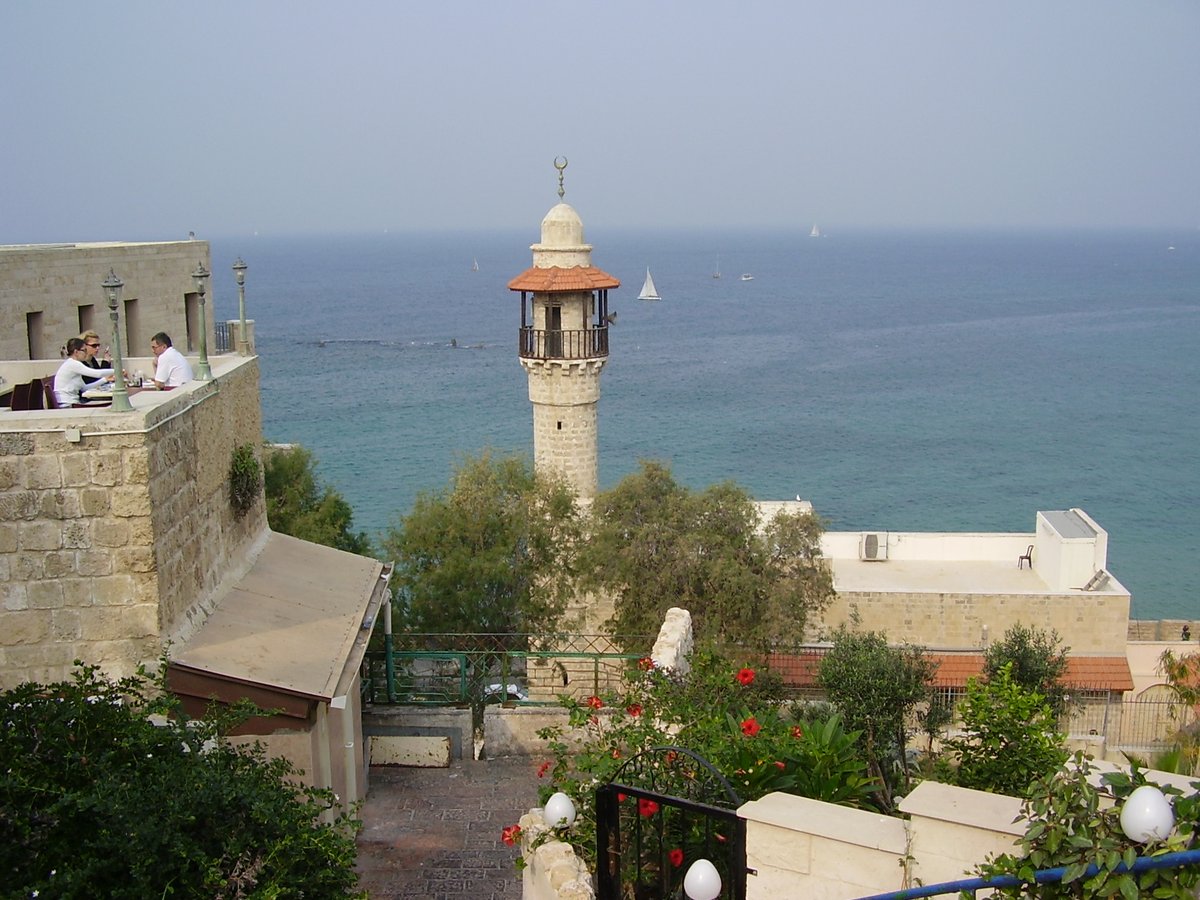
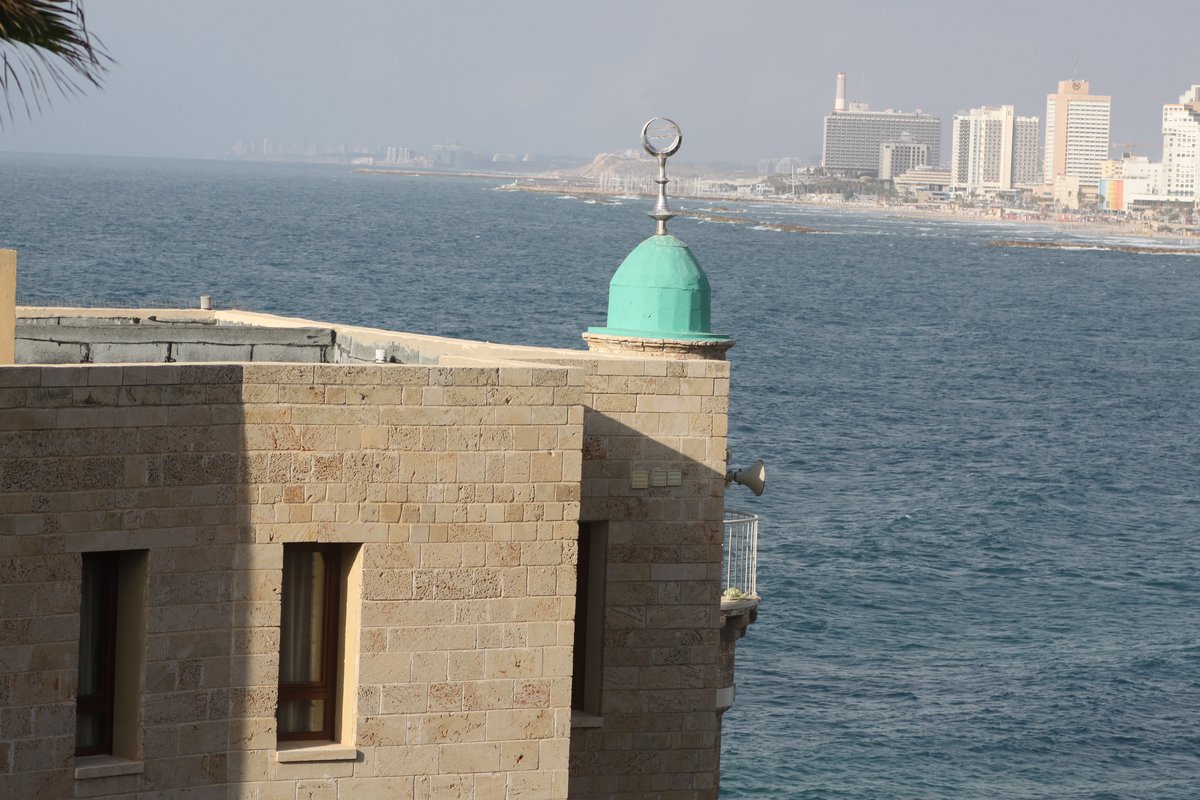
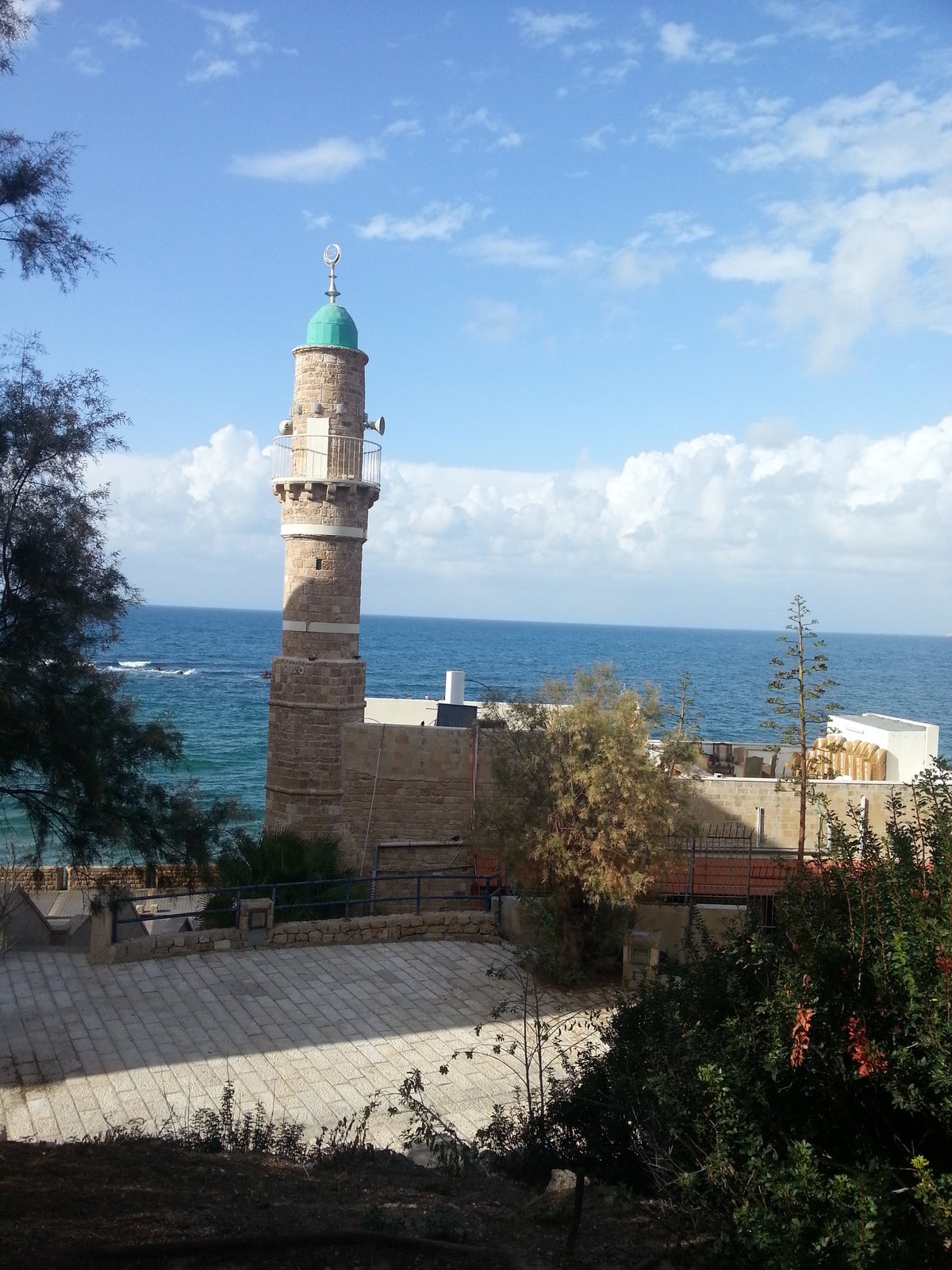
Nestled on the Mediterranean coastline of Jaffa—now an integral part of Tel Aviv-Yafo—the Al-Bahr Mosque (Sea Mosque) stands as one of the city’s oldest and most significant Islamic landmarks. Revered for its continuous religious role, striking Ottoman architecture, and deep maritime roots, Al-Bahr Mosque offers a unique glimpse into the multicultural and layered history of Jaffa. Built by the prominent ‘Azza family in the late 17th century (some sources cite 1675, others the early 19th century), the mosque has long served as a spiritual haven for fishermen, sailors, and the broader community drawn to Jaffa’s bustling port (Ibn Battuta Travel, ellgeeBE). Today, the mosque’s blue-domed minaret and tranquil courtyard embody centuries of craftsmanship and resilience, while its ongoing role in community life makes it a vital symbol of Tel Aviv-Yafo’s vibrant Islamic heritage.
This comprehensive guide details the history, architecture, cultural significance, visiting hours, ticket information, accessibility, and nearby attractions, ensuring travelers and heritage enthusiasts can fully appreciate this essential site (Evendo).

Historical Origins
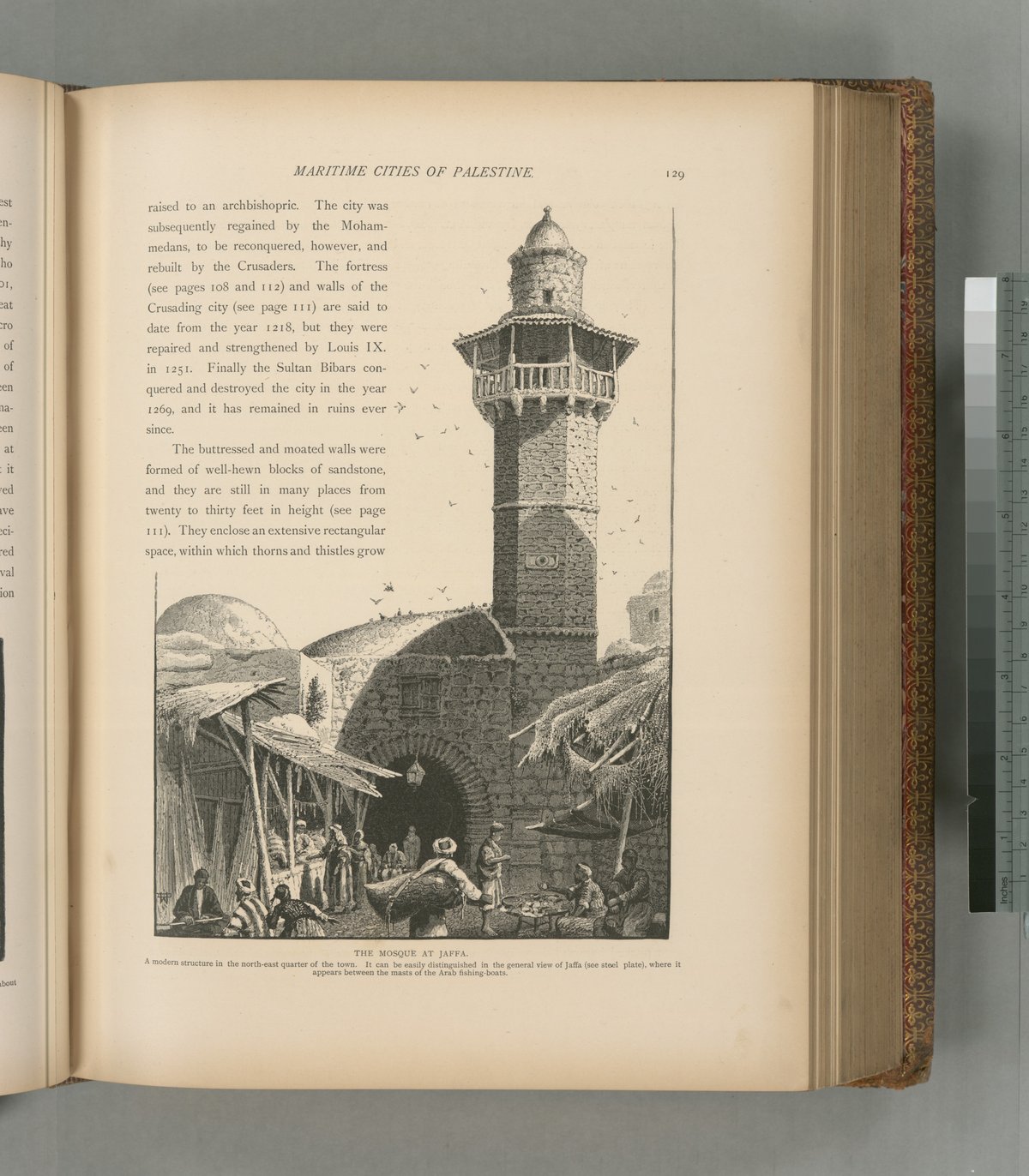
Al-Bahr Mosque’s origins reflect the layered history of Jaffa. Built by the ‘Azza family in 1675—according to an inscription above the entrance—the mosque was established during Jaffa’s prominence as a vital Mediterranean port (Wikipedia). Its strategic location adjacent to the harbor served the spiritual needs of seafarers and locals, with the mosque’s minaret historically guiding fishermen and sailors home (TravelTriangle). The mosque’s enduring presence through centuries of change testifies to the resilience of Jaffa’s Muslim community (Israel History Info).
Architectural Features
Al-Bahr Mosque epitomizes Ottoman religious architecture in the Levant. Notable features include:
- Blue-domed Minaret: A prominent cylindrical minaret with a balcony, serving as a call to prayer and a maritime landmark visible from the sea (tury.club).
- Stone Façade and Arches: Built from locally quarried stone, the mosque’s whitewashed walls, elegant arches, and geometric Islamic motifs echo the simplicity and artistry of the Ottoman era (Evendo).
- Courtyard: A compact, stone-paved courtyard offers a peaceful buffer from the busy port, with shaded benches for reflection.
- Prayer Hall: The interior (generally closed to non-Muslims) features a beautifully decorated mihrab, intricate tilework, Arabic calligraphy, and natural lighting that enhances the serene ambiance (Evendo).
Periodic restoration has preserved much of its original character, with recent efforts focusing on stonework, decorative tiles, and minaret stability.
Jaffa’s Multicultural Legacy
Jaffa—historically called “Um el-Gharib” or “the mother of strangers”—has long been a nexus for Muslims, Christians, and Jews (+972 Magazine). The Al-Bahr Mosque was both a religious and social center, reflecting the city’s openness and the integral role of the Muslim community in trade and daily life. The mosque’s continued presence amidst churches, synagogues, and diverse neighborhoods stands as a living testament to Jaffa’s multicultural spirit (Bein Harim Tours).
20th Century Changes and Preservation
Following Jaffa’s incorporation into Israel in 1948, the city underwent significant demographic and urban transformation. Between 1960 and 1985, much of Old Jaffa's historic fabric was lost, with around 70% of structures—including many Arab and Islamic sites—demolished (+972 Magazine). Al-Bahr Mosque survived this period, symbolizing the resilience and enduring identity of Jaffa’s Muslim community. Today, it is protected and maintained by local and heritage organizations (Israel History Info).
Cultural and Religious Significance
Spiritual Role: The mosque serves as an active place of worship, hosting daily prayers, Friday congregations, and religious celebrations such as Ramadan and Eid (Evendo). It remains especially significant for fishermen and sailors, who traditionally prayed for safe return before embarking on voyages.
Social and Cultural Hub: Historically, the mosque’s courtyard functioned as a space for communal gatherings, dispute resolution, and celebrations. Today, it occasionally hosts cultural and interfaith events, exemplifying coexistence in contemporary Jaffa.
Symbol of Coexistence: The mosque’s continued operation alongside synagogues and churches highlights Jaffa’s diverse heritage and commitment to interfaith respect (Tel Aviv Municipality).
Visiting Hours, Entry, and Accessibility
- Visiting Hours: The mosque is generally open to visitors during daylight hours. For non-Muslim visitors, exterior and courtyard access is available outside of prayer times, typically from 9:00 AM to 5:00 PM. During major prayers, especially on Fridays and religious holidays, access may be restricted (Evendo).
- Entry Fee/Tickets: There is no entry fee. Donations for maintenance are welcomed but not required.
- Accessibility: The mosque is accessible via paved pathways in the Jaffa port area, but due to its historic character and cobbled streets, wheelchair access may be limited in some areas.
Practical Visitor Information
- Location: HaAliya HaShniya Street, Jaffa, Tel Aviv-Yafo, Israel. The mosque is adjacent to the Old Jaffa Port and close to public transport links (Everything Explained Today).
- Getting There: Easily reachable by bus, train, or taxi. Public transportation is recommended due to limited parking.
- Dress Code and Etiquette: Modest dress is required (shoulders and knees covered; women should cover hair). Shoes must be removed before entering the prayer hall. Visitors should be silent and respectful throughout their visit.
- Facilities: The mosque has basic ablution facilities for worshippers. Public restrooms, cafés, and shops are available nearby in the Jaffa port area.
- Photography: Permitted in the exterior and courtyard; ask for permission before photographing inside or during prayers.
Etiquette and Visitor Tips
- Visit outside prayer times for the best experience and to avoid disrupting worship.
- Dress modestly and bring a scarf if needed.
- Avoid loud conversation and phone use within mosque grounds.
- Photography etiquette: Always ask before photographing worshippers or interiors.
- Stay respectful: This is an active religious site and community hub.
Nearby Attractions
- Jaffa Port: One of the world’s oldest ports, now home to galleries, restaurants, and artisan shops.
- Jaffa Flea Market: A lively bazaar offering antiques and local foods.
- St. Peter’s Church: A historic Catholic church with panoramic views.
- Jaffa Clock Tower: A prominent Ottoman-era landmark at the city’s entrance.
All these sites are within walking distance, making Al-Bahr Mosque an ideal starting point for exploring Jaffa’s rich cultural and historical landscape (Bein Harim Tours).
Frequently Asked Questions (FAQ)
Q: What are the Al-Bahr Mosque visiting hours?
A: Generally, the mosque is open to visitors from 9:00 AM to 5:00 PM, except during prayers, Fridays, and religious holidays.
Q: Is there an entrance fee or ticket required?
A: No, entry is free. Donations are appreciated but not mandatory.
Q: Is the mosque accessible for people with disabilities?
A: The courtyard and entrance are accessible, but some areas may be challenging due to cobbled streets and steps.
Q: Are guided tours available?
A: There are no official tours at the mosque, but many local walking tours of Jaffa include the mosque in their itineraries.
Q: Is photography allowed?
A: Yes, in exterior and courtyard areas. Inside photography is only with permission and not during prayers.
Summary and Final Thoughts
The Al-Bahr Mosque is a living monument to Tel Aviv-Yafo’s Islamic heritage and Jaffa’s multicultural past. Its architecture, spiritual role, and maritime symbolism make it a unique and essential stop for visitors seeking to understand the city’s layered identity. Surviving waves of urban change and demographic transformation, it continues to offer a serene place for reflection, worship, and cultural exchange. Whether you are drawn by history, architecture, or spirituality, a respectful visit to Al-Bahr Mosque will enrich your understanding of Jaffa and the broader Tel Aviv region.
For up-to-date information on visiting hours and special events, consult local tourism resources or the Tel Aviv Municipality. Download the Audiala app, follow us on social media, and explore related content to plan your next adventure in Tel Aviv-Yafo.
Listen to the full story in the app
The whole Al-Bahr Mosque,
told well.
Audio guides for 1,100+ cities across 96 countries. History, stories, and local insight — offline ready.
Verified, and shown.
Researched and written by the Audiala editorial team from historical records, architectural archives, and local expertise.
Researched from Wikidata, Wikipedia & official sources · fact-checked · How we make our guides →