Plan and listen to Shimron with Audiala.
Audio guide in your pocket, itinerary in your browser. Built for the way you actually visit.
Introduction: Tel Shimron—Gateway to 5,000 Years of History
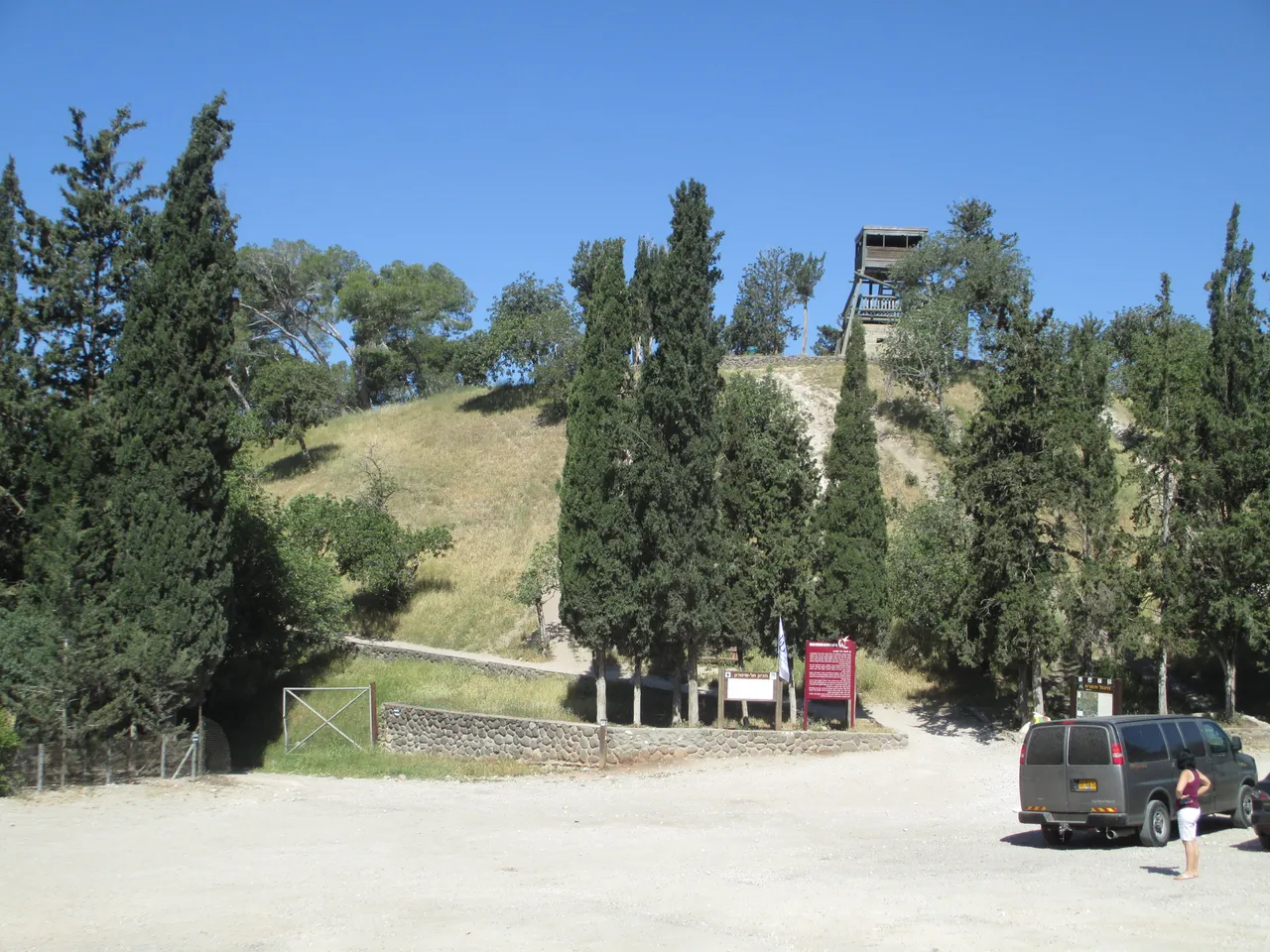
Set amid the fertile expanse of Israel’s Jezreel Valley, Tel Shimron is a remarkable archaeological site and nature reserve, drawing visitors into a journey through millennia. This ancient mound, or "tel," preserves evidence of human activity from the late Neolithic period through Canaanite, Israelite, Roman, Byzantine, Crusader, and Ottoman eras. Tel Shimron’s prominence in biblical texts and Egyptian records highlights its role as a strategic and cultural hub. Modern excavations have uncovered a monumental 3,800-year-old Middle Bronze Age structure, featuring the Levant’s earliest known corbelled vault and ritual deposits that illuminate ancient religious practices.
Accessible pathways, panoramic views, and engaging educational resources make Tel Shimron suitable for families, history enthusiasts, and volunteers alike. Free entrance to the nature reserve, seasonal guided tours, and nearby attractions such as Megiddo and Nazareth offer a comprehensive Northern Israel experience. This guide provides essential details on visiting hours, ticketing, site highlights, accessibility, and travel tips to ensure an enriching visit. (Biblical Archaeology Society, Times of Israel, Tel Shimron Excavations)
Archaeological Discoveries and Historical Highlights
Multi-Period Occupation
Tel Shimron’s history is defined by continuous habitation, with archaeological layers ranging from the Neolithic (c. 5500 BCE) through the Middle Bronze Age, Late Bronze Age, Iron Age, and up to the Crusader and Ottoman periods. This rich stratigraphy provides insight into the evolution of urban life, fortifications, and religious practices in the southern Levant. (Biblical Archaeology Society)
The Middle Bronze Age Monument and Ritual Deposits
The site’s most striking discovery is a monumental Middle Bronze Age structure, dating to approximately 1800 BCE. Covering the summit of the tel and constructed from mudbrick and gravel, it features a 3,800-year-old corbelled vault—the earliest of its kind in the region. Within this structure, archaeologists uncovered a favissa, or ritual pit, containing tens of thousands of animal bones and pottery fragments. These finds point to large-scale sacrificial rituals and suggest a brief but significant period of ceremonial activity before the monument was deliberately filled in, preserving its contents for nearly four millennia. (Times of Israel, Biblical Archaeology Society)
Other features include well-preserved city walls, ritual pits, and residential remains from successive periods, each layer contributing to our understanding of ancient social, economic, and religious life.
Cultural Significance and Site Features
Biblical and Ancient Near Eastern Context
Tel Shimron is referenced in the Hebrew Bible as a major Canaanite city and later as territory allotted to the tribe of Zebulun (Joshua 11:1; 19:15). It appears in Egyptian records and the Amarna Letters, further underlining its historical significance as a regional center. During the Roman era, Herod the Great fortified the city, and it continued as a site of local importance into the Byzantine and Crusader periods. (Biblical Archaeology Society, biblehub.com)
Architectural Innovations
The Middle Bronze Age monument’s corbelled vault demonstrates advanced engineering. Comparable only to the White Monument at Tel Banat in Syria, it attests to the technological and cultural connections spanning the ancient Near East. (Biblical Archaeology Society)
Visiting Information: Hours, Tickets, and Accessibility
Visiting Hours
- Standard Opening: 8:00 AM to 5:00 PM, Sunday through Thursday.
- Seasonal Note: The park may close on Fridays and Saturdays and during Israeli holidays. During the summer excavation season (June–July), additional guided tours and events are offered. Always confirm current hours with the official project website or local tourism offices.
Tickets and Admission
- Self-Guided Entry: Free of charge for access to the nature reserve and general site areas.
- Guided Tours & Volunteer Programs: Fees or donations may apply; advance registration is required for group tours and excavation participation.
Accessibility
- Paths: Most areas are accessible for visitors in good health; some uneven terrain around archaeological features.
- Mobility Assistance: The main pathways are suitable for most visitors, but some excavation zones may be challenging for those with limited mobility. Contact site staff in advance to arrange special accommodations.
Facilities
- Amenities: Restrooms, shaded picnic areas, interpretive signage (Hebrew and English).
- Parking: Available near the site entrance.
- Food & Drink: Bring water and snacks, as on-site facilities are limited.
Guided Tours, Volunteering, and Community Engagement
Guided Tours
- Seasonal Offerings: Guided tours are primarily available during the summer excavation season (June–July), led by professional archaeologists and students. Tours offer insights into ongoing research and newly uncovered discoveries.
- Booking: Reserve in advance via the Tel Shimron Excavations project site.
Volunteer Opportunities
- Participation: International volunteers can join the excavation team for supervised digging, artifact processing, and documentation. Programs are typically conducted in English and require advance application.
- Benefits: Hands-on archaeological training and participation in an active research community. (Wheaton College)
Practical Visitor Tips
- Best Time to Visit: Spring and autumn offer mild weather and vibrant wildflowers. The summer excavation season (June–July) is ideal for those interested in guided tours or volunteering.
- What to Bring: Comfortable, closed-toe shoes, sun protection (hat and sunscreen), refillable water bottle, snacks, and a camera.
- Dress Code: Modest, comfortable clothing is recommended.
- Safety: Stay on marked paths, especially near active excavation zones. Standard travel precautions apply; check local guidance for any updates. (travellikeaboss.org)
Nearby Attractions and Regional Context
- Megiddo National Park: UNESCO World Heritage Site with biblical and military history.
- Nazareth: Historic city renowned for its biblical significance.
- Yokneam Fortress: Crusader-era stronghold with panoramic valley views.
- Mount Tabor and Jezreel Valley Wineries: Scenic sites for nature, culture, and local cuisine.
Combine your Tel Shimron visit with these attractions to enrich your Northern Israel itinerary. (historyhit.com, Wanderlust Crew)
Frequently Asked Questions (FAQ)
Q: What are the visiting hours for Tel Shimron?
A: Typically 8:00 AM to 5:00 PM, Sunday–Thursday; check for seasonal or holiday changes.
Q: Is there an entrance fee?
A: General admission is free; charges may apply for guided tours or special programs.
Q: Can I join an excavation as a volunteer?
A: Yes, with advance registration during the summer dig season.
Q: Are guided tours available year-round?
A: Mainly during the excavation season or by prior arrangement.
Q: Is the site accessible for visitors with disabilities?
A: Main paths are accessible, but excavation areas may be challenging. Contact in advance for special needs.
Listen to the full story in the app
The whole Shimron,
told well.
Audio guides for 1,100+ cities across 96 countries. History, stories, and local insight — offline ready.
Verified, and shown.
Researched and written by the Audiala editorial team from historical records, architectural archives, and local expertise.
Researched from Wikidata, Wikipedia & official sources · fact-checked · How we make our guides →


