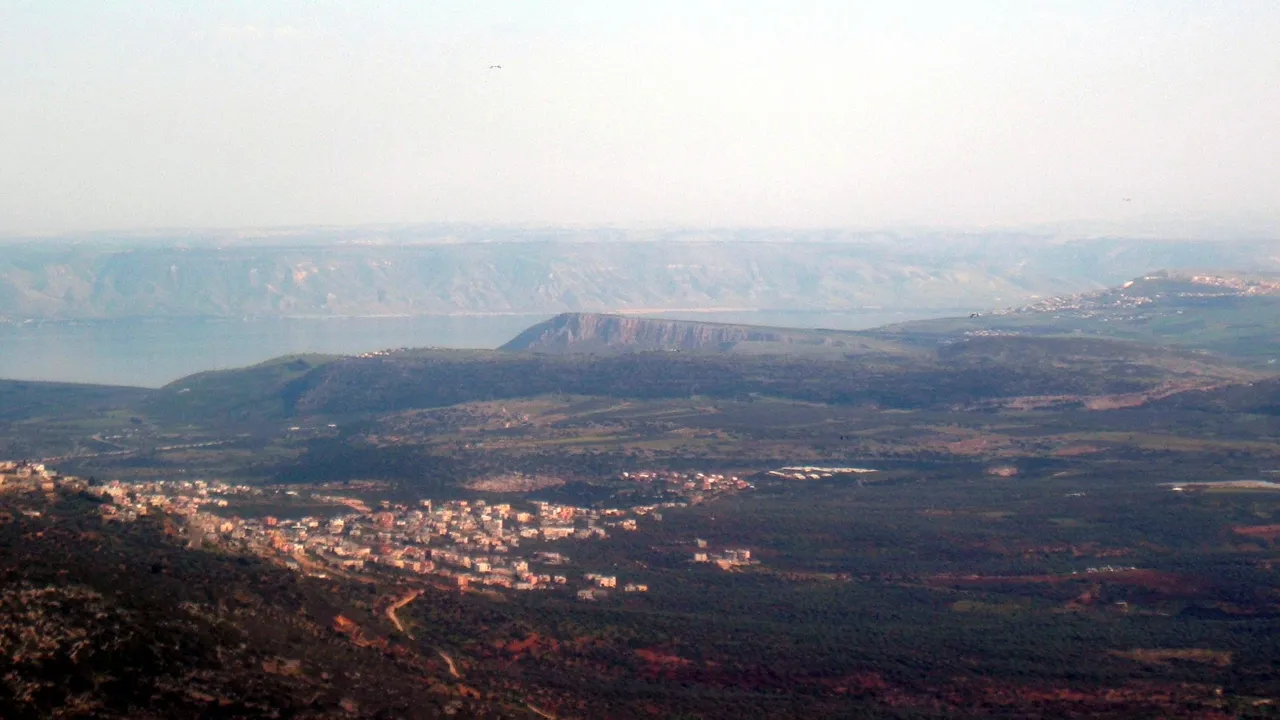
Plan and listen to Mount Arbel with Audiala.
Audio guide in your pocket, itinerary in your browser. Built for the way you actually visit.
Introduction
Mount Arbel, towering over the Sea of Galilee in the Lower Galilee region of Northern Israel, is a mesmerizing blend of breathtaking natural beauty, layered historical significance, and vibrant cultural traditions. Its dramatic dolomite cliffs rise nearly 400 meters above the lake, offering panoramic vistas that stretch to the Golan Heights, Jordan Valley, Mount Hermon, and, on clear days, even Damascus (Israel Nature and Parks Authority). This iconic site, with its ancient cave fortresses and synagogues, weaves a story stretching from the Hellenistic era through to the present, making it a must-visit for nature lovers, history enthusiasts, spiritual seekers, and adventurers alike (TravelSetu).
This comprehensive guide provides detailed information on Mount Arbel’s geography, historical and religious significance, visiting hours, tickets, accessibility, activities, and nearby attractions. Whether you’re planning a spiritual pilgrimage, a family hike, or a deep dive into the region’s rich heritage, this resource will help ensure an enriching and memorable experience.
Geographic Setting and Topography
Mount Arbel is located approximately 8 kilometers west of Tiberias and rises sharply above the western shore of the Sea of Galilee. The summit, at about 180 meters above sea level (and 400 meters above the lake below), is accessible from nearby communities such as Arbel, Migdal, and Hamaam (Mapcarta).
The mountain is part of the Arbel Nature Reserve and National Park, managed by the Israel Nature and Parks Authority, ensuring the preservation of its scenic landscapes and archaeological treasures (Israel Nature and Parks Authority).
Geological Features and Natural Environment
Positioned on the Syrian-African Rift, Mount Arbel’s bedrock is predominantly dolomite and limestone, with volcanic basalt nearby. The cliffs are riddled with ancient caves and vertical drops, creating habitats for birds of prey and Mediterranean flora such as olive groves, wildflowers, and rare plant species.
The Arbel Stream (Ein Hamam), a seasonal watercourse, has shaped the valley and supported agriculture for centuries (Bein Harim Tours). Spring brings vibrant wildflowers, making it an ideal time for nature walks and photography.
Panoramic Views and Landmarks
From Mount Arbel’s summit, visitors enjoy sweeping views of the Sea of Galilee, Golan Heights, Jordan Valley, and the Galilean hills. On clear days, vistas reach Mount Hermon and distant Damascus (Seek the Lamb). The natural pass between Mount Arbel and Mount Nitai was historically a vital trade route.
Visitor Information
Visiting Hours and Tickets
- Opening Hours:
- Summer: 8:00 AM – 5:00 PM
- Winter: 8:00 AM – 4:00 PM
(Check the official website for up-to-date seasonal hours.)
- Entry Fees:
- Entrance fees typically range from 20 to 40 NIS, with discounts for children, seniors, and groups.
- Tickets can be purchased at the park entrance or online (Bein Harim Tours).
Accessibility
- Parking and visitor center are available at the entrance.
- Some trails are steep and include handholds or ladders; the circular trail and viewpoints near the entrance are accessible for most visitors.
- Parts of the park, including picnic areas and the ancient synagogue, are accessible to those with limited mobility; contact the park for further accessibility information.
Guided Tours and Special Events
- Guided tours and educational hikes are offered by park rangers and local operators, focusing on natural history and archaeology.
- Special events, such as birdwatching and cultural festivals, may be held seasonally—check the official website or local listings for updates.
Safety Tips
- Wear sturdy shoes and bring sufficient water, especially in summer.
- Stick to marked trails and use safety cables where provided.
- Supervise children, especially near cliff edges.
Ancient and Biblical Roots
Mount Arbel is referenced in the Hebrew Bible (Hosea 10:14) and the Talmud, with continuous Jewish settlement since the First Temple period (SlavaGuide). Its caves and cliffs served as natural fortifications for Jewish rebels during the Second Temple period. Archaeological evidence reveals ancient cliff dwellings, ritual baths, and the remains of a basilica-style synagogue (Wikipedia).
Hellenistic, Roman, and Byzantine Periods
The cliffs were used as strongholds by Jewish partisans against Herod the Great in 37 BCE, as recorded by Josephus. Later, hermits and monks inhabited the caves during the Byzantine era, leaving inscriptions and traces of ascetic life (TravelSetu).
Medieval, Ottoman, and Modern Eras
Mount Arbel’s caves and fortresses were re-used in the Crusader, Mamluk, and Ottoman periods, notably by Druze leader Ali Beg in the 17th century, who fortified the cave system. Under the British Mandate and later Israeli statehood, archaeological interest grew, and the area became a protected national park (World Heritage Site).
Key Sites and Features
Cave Fortress (Qala'at Ibn Maan)
This fortress consists of interconnected caves and man-made halls, staircases, cisterns, and defensive walls. Originally expanded by Druze leaders, they served as refuges from the Hellenistic period through Ottoman times. Visitors can explore sections of the fortress using stairs and safety installations (Bein Harim Tours).
Ancient Synagogue
The basalt and limestone ruins of a 4th–8th century CE synagogue offer a glimpse into ancient Jewish worship. With its unique architectural features, it stands as a testament to the enduring Jewish presence on the mountain (iGoogledIsrael).
Villages and Rural Traditions
Surrounding villages—Kfar Zeitim, Arbel, Kfar Hittim, and Mitzpa—continue the region’s agricultural legacy, while Hamaam at the base of the cliffs is a Bedouin community accessible by hiking trail (Holy Land VIP Tours).
Multifaith and Cultural Significance
Jewish Heritage
Mount Arbel’s biblical mentions and its role as a Jewish stronghold during times of resistance, as well as its ancient synagogue, make it an important heritage site for Jewish visitors (SlavaGuide).
Christian Pilgrimage
While not directly cited in the New Testament, Arbel’s proximity to Gospel sites and its location on the Jesus Trail—a 65-kilometer pilgrimage route from Nazareth to Capernaum—give it special significance for Christian pilgrims (HolyLandSite, Israel by Locals, My Adventures Across the World).
Druze and Islamic Traditions
Nearby Nebe Shueb is the holiest Druze shrine, believed to be the tomb of Jethro (Shuʿayb), Moses’ father-in-law, attracting pilgrims from across the region (World Heritage Site). The Horns of Hattin, visible from Arbel, witnessed Saladin’s victory in 1187, a pivotal moment in Islamic and Crusader history (Tourist Israel).
Nearby Attractions and Travel Tips
- Sea of Galilee: Offers boat tours, beaches, and biblical sites.
- Magdala: Archaeological site and home of Mary Magdalene.
- Capernaum: Ancient fishing village central to Jesus’ ministry.
- Mount Nitai & Horns of Hattin: Important for history buffs.
Travel Tips:
- Arrive early for cooler temperatures and fewer crowds.
- Spring and autumn are the best seasons for hiking and wildflowers.
- Combine your visit with other Galilean sites for a full-day adventure.
Frequently Asked Questions (FAQ)
Q: What are Mount Arbel’s visiting hours?
A: Open daily, typically 8:00 AM–5:00 PM in summer, and 8:00 AM–4:00 PM in winter. Check official resources for seasonal updates.
Q: Is there an entrance fee?
A: Yes, currently 20–40 NIS with discounts for children, students, and groups.
Q: Are guided tours available?
A: Yes, guided tours can be booked through the park or local operators.
Q: Is Mount Arbel family-friendly and accessible?
A: Main viewpoints and picnic areas are suitable for families; some trails are challenging. Contact the park for accessibility details.
Q: What should I bring?
A: Comfortable shoes, water, sun protection, and a camera.
Q: Can I visit other sites nearby?
A: Absolutely—combine your visit with Tiberias, Magdala, and Capernaum.
Discover More
Mount Arbel is a unique destination that weaves together nature, history, and spirituality. With its soaring cliffs, ancient fortresses, and panoramic vistas, it offers something for every traveler—be it outdoor adventure, cultural discovery, or spiritual reflection. Plan your journey by checking current visiting hours, ticketing, and accessibility, and consider joining a guided tour for a deeper experience.
Download the Audiala app for interactive travel planning, explore related articles about Galilee sites, and follow us on social media for the latest updates. Your adventure at Mount Arbel awaits!
Listen to the full story in the app
The whole Mount Arbel,
told well.
Audio guides for 1,100+ cities across 96 countries. History, stories, and local insight — offline ready.
Verified, and shown.
Researched and written by the Audiala editorial team from historical records, architectural archives, and local expertise.
Researched from Wikidata, Wikipedia & official sources · fact-checked · How we make our guides →


