Plan and listen to Banias with Audiala.
Audio guide in your pocket, itinerary in your browser. Built for the way you actually visit.
Introduction to Banias: Where History, Nature, and Spirituality Meet
Banias, nestled at the foot of Mount Hermon in Israel’s Northern District, is a site where ancient civilizations, natural beauty, and spiritual traditions converge. Historically known as Paneas and later Caesarea Philippi, Banias boasts an extraordinary past—from its Canaanite origins and Hellenistic sanctuary of Pan, through Roman and Byzantine expansion, to its deep significance in Christian tradition as the place where Jesus affirmed Peter’s messianic role (Biblical Archaeology; Aleteia).
Today, Banias Nature Reserve (Hermon Stream Nature Reserve) is renowned for Israel’s largest waterfall, lush woodland, rich wildlife, and remarkable archaeological remains. Its network of hiking trails—including the iconic Hanging Trail—invites exploration, while nearby attractions like Nimrod Fortress and the Golan Heights make Banias an essential destination for travelers interested in history, nature, and spirituality (Hiking the Holyland; Israel Nature and Parks Authority; Private Tours in Israel).
This comprehensive guide delivers up-to-date information on Banias’s historical and cultural context, visiting hours, ticketing, accessibility, top attractions, and practical travel tips—ensuring a rewarding visit to one of Israel’s most treasured sites.
Ancient Origins and Early Settlement
Banias traces its roots to a Canaanite settlement, where a temple to Baal marked the site’s early spiritual importance. Its perennial spring made it both a critical water source and a focal point for ancient worship (Biblical Archaeology).
Hellenistic Transformation: The Cult of Pan
After Alexander the Great’s conquest, Banias (then Panias) became the center of a Hellenistic sanctuary dedicated to Pan, the Greek god of nature. A large cave at the site—believed to be a gateway to the underworld—served as the focal point for rituals and sacrifices, with shrines and temples carved into the cliff face (Daily Research Editor).
Roman Expansion and Herodian Dynasty
Under Roman rule, Herod the Great built a temple to Augustus Caesar at Banias, solidifying its role within the imperial cult. Later, Philip II transformed the city into Caesarea Philippi, developing it into a vibrant administrative and religious center (Biblical Archaeology).
Christian Heritage and Religious Significance
Banias is significant in Christian tradition as the site where Jesus asked his disciples, "Who do you say I am?" and Peter declared him the Messiah (Matthew 16:13–20). Archaeological finds include a Byzantine church constructed atop the earlier Roman temple, marking the transition from pagan worship to Christianity (Aleteia; Times of Israel).
Byzantine, Islamic, and Medieval Periods
Banias thrived during the Byzantine era as a pilgrimage destination. The early Islamic period saw a shift in political and religious control, but the city remained inhabited. In medieval times, Crusaders fortified Banias, leaving behind ruins that testify to its strategic importance.
Modern Archaeology and Conservation
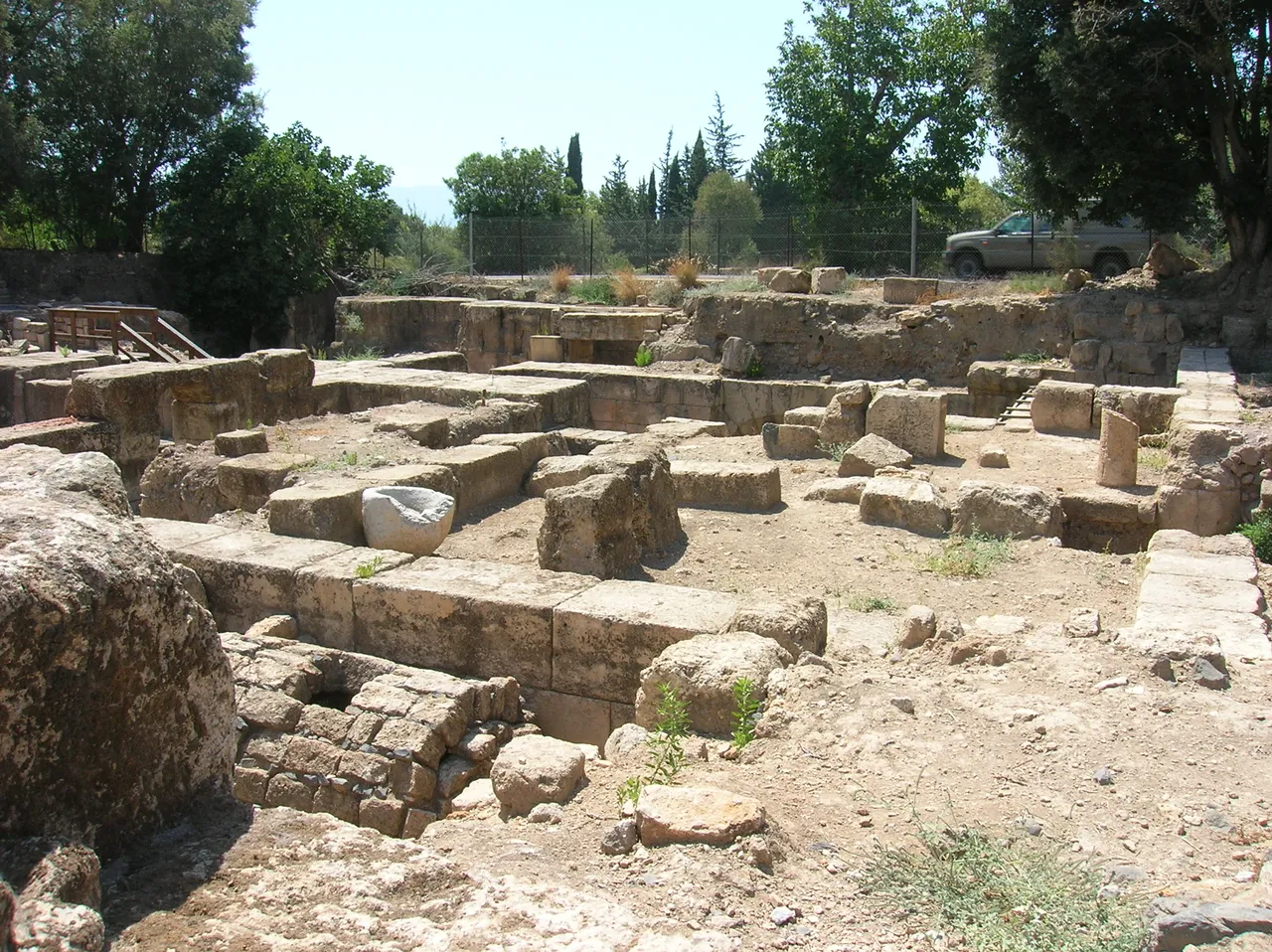
Ongoing excavations have uncovered layers spanning the Canaanite, Hellenistic, Roman, Byzantine, and Crusader periods, including Herod’s palace, the Sanctuary of Pan, and ancient bridges and mills. The reserve is now managed by the Israel Nature and Parks Authority, balancing preservation with public access (Times of Israel; Daily Research Editor).
Natural Features and Landscape
Banias Nature Reserve is distinguished by its lush woodlands, abundant springs, and the dramatic Banias Waterfall—the tallest in Israel, plunging 10 meters into a cool pool below (Hiking the Holyland). The reserve’s forests, whitewater streams, and rich biodiversity are a haven for wildlife, including otters, rock hyraxes, birds, and wildflowers (ArtzaBox).
Top Attractions and Hiking Trails
1. Banias Waterfall
A highlight for all visitors, accessible via a 1.5 km shaded trail from the Falls Entrance, with viewing platforms and a hanging bridge over the rushing river.
2. Banias Springs and Grotto of Pan
The ancient cave and sanctuary, surrounded by temple ruins, are the spiritual heart of the site. Informational signage and audio guides are available (Israel Nature and Parks Authority; Madain Project).
3. Hanging Trail
A suspended walkway above the Hermon Stream, offering spectacular views and a unique perspective on the gorge below.
4. Archaeological Sites
Explore the remains of Caesarea Philippi, including the Temple of Augustus, Agrippa II’s palace, Roman bridges, ancient pools, and a functioning historic flour mill (Private Tours in Israel).
5. Family and Scenic Trails
Choose from short loops, moderate hikes to the waterfall, or longer routes connecting Banias to Tel Dan and Nimrod Fortress. Trails are well-marked and suitable for various fitness levels (Hiking the Holyland).
Visitor Information: Hours, Tickets, and Accessibility
Opening Hours
- Summer (April–September): 08:00–17:00 (Fridays until 16:00)
- Winter (October–March): 08:00–16:00 (Fridays until 15:00)
- Gates close one hour before official closing. Always check the official website for updates.
Tickets
- Adult: 27–28 NIS
- Child (under 18): 13–14 NIS
- Combo Ticket (Banias & Nimrod Fortress): 38 NIS (adult), 19 NIS (child)
- Online booking is recommended, especially during peak season (Israel Nature and Parks Authority).
Getting There
- Best reached by private car; parking available at both the Springs and Falls Entrances.
- Public transport is limited; nearest bus stop is Sa’ar Fall on Road 99, about 1.5 km from the entrance (TripMemos).
Accessibility
- The Falls Entrance and main waterfall trail are accessible for most visitors; some archaeological areas have stairs and uneven paths.
- Wheelchair access is possible in select areas near visitor centers.
- Dogs are not permitted, except for service animals.
Facilities, Safety, and Seasonal Tips
- Facilities: Restrooms, shaded picnic spots, water fountains, and snack stands at entrances (offering drinks, coffee, and local snacks). No full-service restaurants; bring a picnic for longer visits.
- Safety: Swimming and wading are strictly prohibited within the reserve. Supervise children near water and ruins. Wear sturdy shoes—rocks can be slippery.
- Current Conditions: The reserve is monitored for safety due to its proximity to the Lebanese border. In 2024, fires caused by rocket attacks affected sections of the park, but main trails and sites remain open. Always check for updates before your visit (Daily Research Editor).
- Seasonal Considerations: Spring and autumn are ideal for lush scenery and mild temperatures. Summer visits are comfortable in shaded areas; winter brings peak waterfall flow but can make trails slippery (Hiking the Holyland).
Nearby Attractions and Accommodation
- Nimrod Fortress: A medieval castle offering panoramic views—often combined with Banias on a combo ticket (Tourist Israel).
- Tel Dan Nature Reserve: Offers lush landscapes and water play areas suitable for families.
- Saar Falls: Another scenic waterfall, especially impressive in winter.
- Mount Hermon: Israel’s highest peak, with hiking and winter sports.
- Accommodation: Guesthouses and boutique hotels are available throughout the Upper Galilee and Golan Heights—book ahead for holidays and weekends (TripMemos).
Frequently Asked Questions (FAQ)
Q: What are Banias visiting hours?
A: Summer: 08:00–17:00; Winter: 08:00–16:00. Gates close one hour before listed times.
Q: How much do Banias tickets cost?
A: Adults: 27–28 NIS, Children: 13–14 NIS. Combo tickets with Nimrod Fortress are available.
Q: Is Banias Nature Reserve accessible for wheelchairs and families?
A: Main paths near the Falls Entrance are accessible; archaeological areas may have uneven ground.
Q: Are guided tours available?
A: Guided tours can be arranged with the Israel Nature and Parks Authority or local providers. Check for availability in advance.
Q: Can I swim in Banias streams or the waterfall?
A: No, swimming or wading is prohibited within the reserve.
Q: Are pets allowed?
A: Only service animals are permitted.
Summary and Visitor Recommendations
Banias Nature Reserve is an unmissable destination for travelers seeking a blend of natural wonder, ancient history, and spiritual significance. From the thunderous Banias Waterfall and tranquil trails along the Hermon Stream to the ruins of the Temple of Pan and Caesarea Philippi, Banias offers an immersive experience into Israel’s rich heritage (Israel Nature and Parks Authority; Madain Project).
For a rewarding visit, plan ahead by checking opening hours, booking tickets online, and considering a guided tour. Combine your trip with nearby sites for a deeper exploration of the Golan Heights. Enhance your experience by downloading the Audiala app for audio tours, and follow us on social media for updates and travel inspiration.
Listen to the full story in the app
The whole Banias,
told well.
Audio guides for 1,100+ cities across 96 countries. History, stories, and local insight — offline ready.
Verified, and shown.
Researched and written by the Audiala editorial team from historical records, architectural archives, and local expertise.
Researched from Wikidata, Wikipedia & official sources · fact-checked · How we make our guides →


