
What Katzrin Is
Nestled in the heart of the Golan Heights, Katzrin is known as the region’s “capital.” It combines ancient Jewish heritage and archaeological sites with a modern town, wineries, nature reserves, and educational and cultural programs. Its archaeological park and museum feature restored homes, olive oil and wine presses, and artifacts illustrating life from the 3rd to 8th centuries CE, as well as the area’s later multicultural influences (Jewish Virtual Library, BibleWalks, Lonely Planet).
Located about 13 km northeast of the Sea of Galilee, Katzrin has roots dating back to the Bronze Age (Jewish Virtual Library).
History
Katzrin flourished during the Byzantine and Talmudic periods as a major Jewish village and agricultural and religious center. From the 3rd to 6th centuries CE, it also developed as a center of commerce. Its basalt pool, supplied by a perennial spring, reflects the village’s water-management systems and resourcefulness (BibleWalks). Katzrin’s products were traded with cities including Tiberias and Capernaum and reached markets across the Roman Empire.
The basalt synagogue, one of the region’s best-preserved, bears an inscription commemorating “Rabbi Abun, may he rest in honor” (Sarel Tours, BibleWalks). Reconstructed homes, olive oil and wine presses, and agricultural tools in the archaeological park illustrate daily life of the period, as described in the Talmud (Triping to Israel).
The Arab conquest and the catastrophic earthquake of 749 CE led to the village’s destruction (BibleWalks). It was briefly reinhabited in the 14th century, when a mosque was built atop the synagogue, and remained largely deserted until the modern town was established in 1977 (Wikipedia).
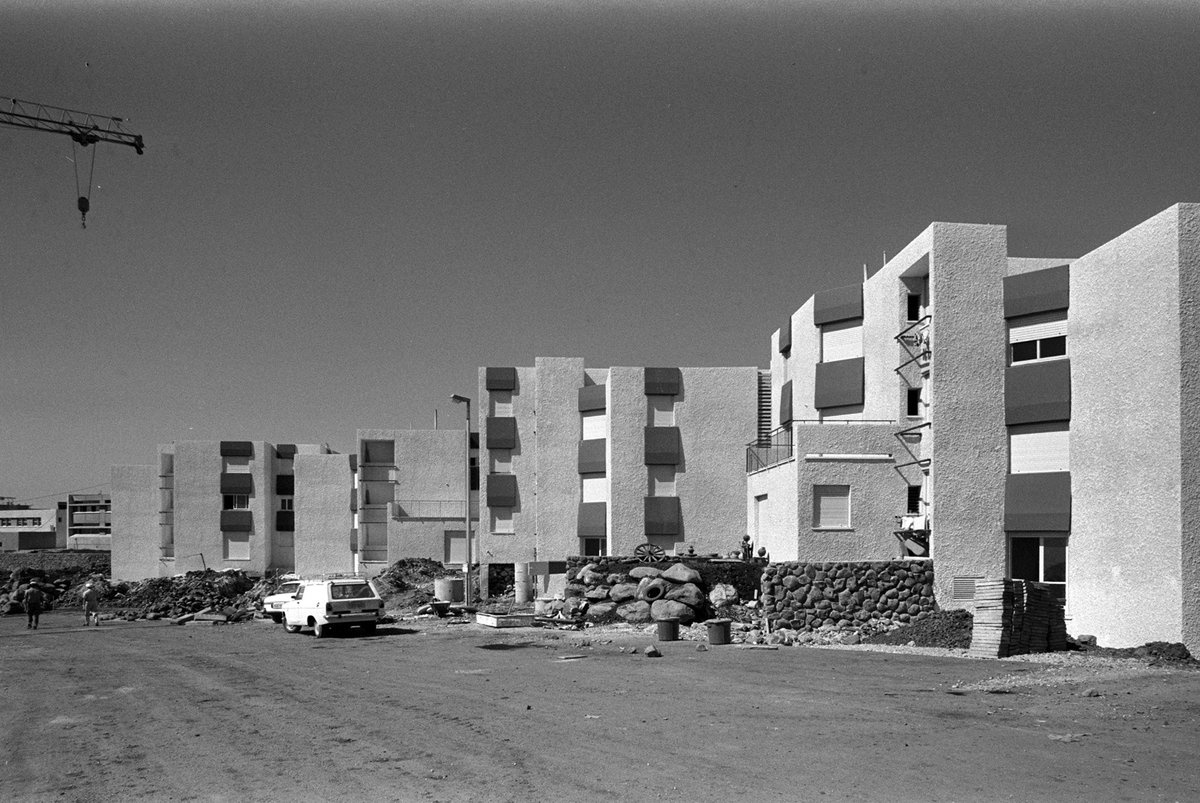
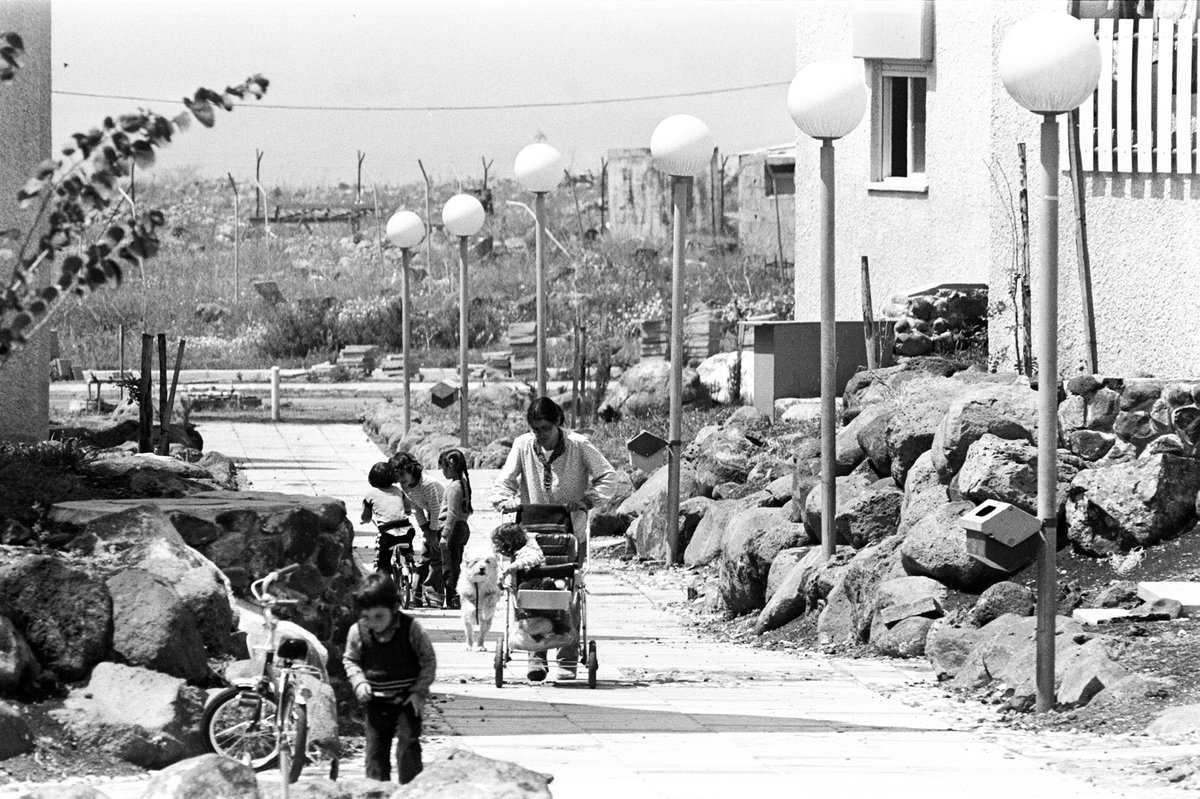
Founded after the 1967 Six-Day War, modern Katzrin is the administrative and cultural heart of the Golan Heights. The town grew significantly in the late 1980s with the arrival of Jewish immigrants from the former Soviet Union. Its population is around 8,500 (Wikipedia).
What to See
Ancient Katzrin Park and Synagogue
Ancient Katzrin Park’s reconstructed basalt houses, interactive workshops, and iconic 6th-century synagogue offer a view of Jewish life during the Talmudic era (Sarel Tours, TripVenture). The site also has traditional olive oil and wine presses.
Golan Archaeological Museum
The museum displays artifacts from the Golan’s Jewish and Christian past, including relics from Gamla and Byzantine-era synagogues. It also features an audiovisual presentation on the Jewish revolt against Rome (Global Advantage Tours).
Culture and the Modern Town
Katzrin’s archaeological finds reflect the influences of Byzantine Christians, Druze, and Muslims. Its synagogue is referenced in the Talmud and may be associated with Jesus’s Galilean ministry (Sarel Tours). The nearby Mount of the Beatitudes adds to the area’s interfaith appeal.
The modern town’s attractions include Eden Springs Park, Golan Heights Winery, and the Mey Eden mineral water plant (Triping to Israel). The area also has local wineries, craft breweries, restaurants serving Israeli and Middle Eastern cuisine, and workshops and galleries offering pottery, tie-dye, and traditional crafts (Galil and Golan). Year-round events celebrate wine harvests, food, and local culture.
Practical Visiting Information
Opening Hours
- Katzrin Talmudic Village National Park Sunday–Thursday, 8:00 AM–4:00 PM; Friday and holiday eves, 8:00 AM–2:00 PM. Closed on Saturdays and major Jewish holidays.
- Golan Archaeological Museum Sunday–Thursday, 9:00 AM–5:00 PM; Friday and holiday eves, 9:00 AM–3:00 PM. Closed on Saturdays.
Tickets
- Talmudic Village Approximately 30 NIS for adults; discounts for students, seniors, and groups. Children under 5 enter free.
- Museum Approximately 20 NIS; combined tickets are often available.
- Tickets can be purchased on-site or through the Israel Nature and Parks Authority.
Accessibility and Facilities
The sites have wheelchair-accessible paths and facilities. Guided tours are available in multiple languages, and private tours can be reserved. There is ample on-site parking, and public buses connect to Katzrin town center. Amenities include cafés, restrooms, and souvenir shops.
Tours and Events
Seasonal reenactments, live performances, and hands-on activities take place during Jewish holidays and in summer (Touchpoint Israel). Olive oil and wine pressing demonstrations using traditional equipment are offered from October–March (Sarel Tours). Guided tours and visits during peak seasons are advised to be booked in advance.
Tips
- Getting there Drive via Highway 87, about 40 mins from Tiberias; regional buses are also available.
- Best seasons Spring and autumn, when the weather is pleasant.
- What to bring Comfortable shoes, sun protection, water, and a camera.
- Most attractions close by 16:00, so plan early visits.
- Advance booking is recommended for tours, workshops, and winery visits.
- Interactive maps and virtual tours are available on official sites. For latest updates, immersive experiences, and ticketing, download the Audiala app and explore further resources.
Nearby Places
- Yehudiya Nature Reserve Hiking, waterfalls, and wildlife (Lonely Planet).
- Gamla Nature Reserve Ancient ruins, Israel’s tallest waterfall, and vulture nesting (ISRAEL21c).
- Majrase Nature Reserve Family-friendly water hikes (ISRAEL21c).
- Nimrod Fortress A Crusader fortress with panoramic views (Lonely Planet).
- Golan Heights Winery and Distillery Wine tastings and craft spirits (Tourist Israel).
- Golan Magic Center A 3D panoramic show and regional model (ISRAEL21c).
- Eden Springs Park Walking trails, picnic areas, and educational displays (ISRAEL21c).
- Hamat Gader hot springs and Emek HaYarden Park Nearby options for relaxation and spa treatments.
Frequently Asked Questions
What are Katzrin’s visiting hours?
The Talmudic Village is open Sun–Thu 8:00–16:00 and Fri 8:00–14:00, and is closed Sat and on major Jewish holidays. The museum is open Sun–Thu 9:00–17:00 and Fri 9:00–15:00, and is closed Sat.
How much do tickets cost?
The Talmudic Village costs approximately 30 NIS for adults, with discounts for students, seniors, and groups; children under 5 enter free. Museum admission is approximately 20 NIS, and combined tickets are often available.
Is the site accessible?
Yes. Wheelchair-friendly paths and facilities are available.
Are guided tours available?
Yes. Tours are available in multiple languages; private tours can be reserved.
Can visitors participate in olive oil or wine pressing?
Yes. Seasonal demonstrations take place from October–March.
What nearby attractions are recommended?
Eden Springs Park, Golan Heights Winery, Yehudiya and Gamla Nature Reserves, and Nimrod Fortress.