Foundation and Early Years (1845–1908)
Established by Royal Charter as Queen’s College Galway in 1845, the university’s Quadrangle was constructed as a famine relief project during the Great Famine, symbolizing hope and resilience. The first cohort of 68 students arrived in 1849, setting the stage for the institution’s pivotal role in Irish education (University of Galway; This is Galway).
Integration and Evolution (1850–1997)
The college joined the Queen’s University of Ireland in 1850, and with the establishment of the Royal University of Ireland in 1879, it became a leader in expanding multi-denominational higher education. In 1909, as part of the National University of Ireland system, it was renamed University College Galway (UCG), later becoming NUI Galway in 1997 (StandYou).
Growth, Modernization, and Research Excellence (20th–21st Century)
Throughout the 20th century, the university expanded its campus and academic offerings, integrating new faculties and research centers. Major investments in facilities like the Insight Centre for Data Analytics and Lambe Institute underscore its status as a research leader. The digitization of the Abbey Theatre archive reflects its commitment to cultural preservation and engagement (Impact University of Galway).
Architectural and Heritage Highlights
The Quadrangle
The Quadrangle, completed in 1849, is the symbolic heart of the university. Designed by John Benjamin Keane in the Tudor Gothic Revival style, it features ivy-clad limestone facades, pointed arch windows, and a central clock tower—a favorite for photography and university ceremonies (Visit Galway; University of Galway).
Campus Evolution
- Modernist Additions The 1970s Arts and Science Concourse exemplifies functional modernism, with sheltered walkways and expansive corridors.
- Contemporary Research Centres The Lambe Institute and Ryan Institute showcase sustainability and interdisciplinary collaboration, reflecting the university’s modern ambitions (Reddy Architecture; College Apps Abroad).
- Student Villages Corrib Village and Goldcrest Village offer a glimpse into evolving student accommodation, blending comfort and community.
Biodiversity and Green Spaces
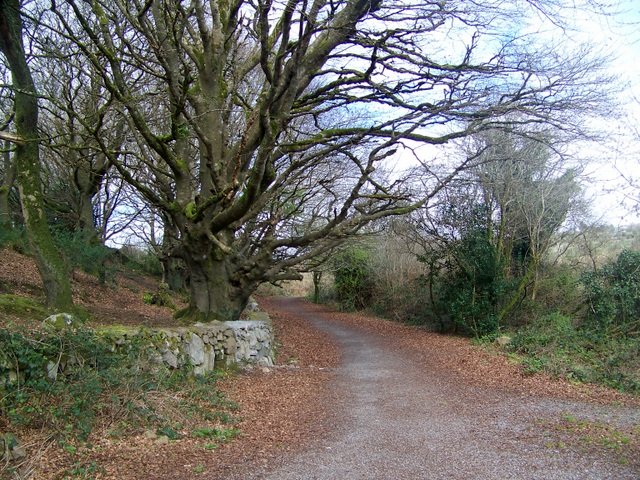
Recognized as Ireland’s most biodiverse campus and ranked among the world’s top for sustainability, the grounds feature landscaped gardens, riverside walkways, and native wildlife. This integration of green space enhances both visitor experience and ecological value (College Apps Abroad).
Visiting Hours, Admission, and Tours
Opening Hours
- Campus Grounds Open daily from 8:00 AM to 8:00 PM (dawn to dusk in winter).
- Key Buildings Quadrangle and gardens are freely accessible; libraries, museums, and research centers have variable opening hours—check the official website for details.
Admission and Tickets
- Entry Free access to campus grounds, gardens, and most public buildings.
- Special Exhibitions/Events Some may require tickets or advance booking (see Visitor Information).
Guided Tours
- Availability Seasonal guided tours focus on history, architecture, and campus culture. Booking in advance is advised, especially during peak tourist periods.
- Self-Guided Options Interactive maps and virtual 3D tours are available (University Virtual Tour).
Accessibility and Amenities
- Step-free routes, elevators, ramps, accessible restrooms, and parking are available across campus.
- Cafés, restrooms, Wi-Fi, and a bookshop with souvenirs enrich the visitor experience.
What to See and Do
- The Quadrangle The university’s architectural centerpiece, ideal for photos and reflection.
- James Hardiman Library Home to medieval manuscripts, Irish literature, and regular exhibitions.
- Research Institutes Insight Centre for Data Analytics, Lambe Institute, and Ryan Institute.
- Gardens and Riverside Walks Explore scenic paths along the River Corrib and tranquil campus gardens.
- Cultural Events Attend public lectures, exhibitions, and drama performances, especially during the Galway International Arts Festival (audiala.com).
- Student Life Engage with campus events for an authentic Galway experience.
Nearby Attractions
- Galway Cathedral A short stroll from campus, known for its impressive architecture.
- Eyre Square Central park surrounded by shops and historic buildings.
- The Spanish Arch and Latin Quarter Explore Galway’s medieval streets and vibrant cultural venues.
- Galway City Museum Delve into local history and arts (theirishroadtrip.com).
Frequently Asked Questions (FAQs)
Q: Is there an entrance fee to visit the University of Galway?
A: No, access to the campus and its main attractions is free.
Q: Are guided tours available?
A: Yes, tours can be booked in advance, especially during festivals and Open Days.
Q: Is the campus accessible for visitors with disabilities?
A: Yes, the campus provides ramps, elevators, and accessible facilities throughout.
Q: Can I take photographs on campus?
A: Photography is encouraged, particularly in public areas like the Quadrangle and gardens.
Q: What are the best times to visit?
A: Spring and summer offer pleasant weather and coincide with many university and city festivals. Early morning and late afternoon provide the best light for photography.
Travel Tips
- The university is centrally located—easily reached by foot, bike, public transport, or taxi.
- Paid parking is available nearby; check the campus map for details.
- Comfortable shoes are recommended due to the campus size.
- Visit during major events for an enriched experience, but be aware of potential crowding.
Plan Your Visit
To maximize your experience:
- Check University of Galway’s official visitor page for current opening hours, tour availability, and event schedules.
- Download the Audiala app for up-to-date travel tips, maps, and event notifications (Audiala).
- Follow university social media for virtual tours and real-time updates.