Origins and Establishment
In 1909, inspired by the cinematic culture of Trieste, James Joyce returned to Dublin to open a modern cinema. Partnering with Italian entrepreneurs, Joyce transformed a former ironmongery at 45 Mary Street into the Volta Cinematograph. The cinema opened on 20 December 1909, seating 420 patrons and introducing Dubliners to a curated program of Italian, French, and British films—many of which were silent, with Italian title cards and English-language leaflets (Irish Star; The Journal).
Early Operations
Despite its innovative programming, the Volta struggled to attract mainstream Dublin audiences, who were more accustomed to British and domestic films. Financial challenges forced Joyce to sell his interest within six months. The cinema changed hands and continued to operate under different management, eventually adapting its programming to local tastes (The Bioscope).
Evolution and Closure
The Volta was renamed the Lyceum Picture Theatre in 1921, expanding its seating capacity to 600. It remained a prominent fixture in Dublin’s entertainment scene until 1948, when it closed due to ongoing financial difficulties. The building was demolished in 1969, and today the site is home to the Penneys (Primark) department store. In 2007, a commemorative plaque was installed to honor the cinema’s location and legacy (Visit Dublin).
Visiting the Volta Site Today
Location: 45 Mary Street, Dublin 1 (Penneys/Primark exterior)
Plaque Access: The commemorative plaque is on the exterior wall and can be viewed at any time.
Admission: Free, no tickets required.
Hours: The plaque is accessible 24/7; Penneys store hours are typically 9:00–20:00 (Mon–Sat) and 11:00–19:00 (Sun).
Accessibility: The site is wheelchair accessible and located in a pedestrian-friendly shopping district, close to major transport links (Dublin Bus, Luas Red Line Jervis and Abbey Street stops).
Best Time to Visit: Early mornings or late afternoons on weekdays are quietest.
Nearby Amenities: Cafés, shops, and key landmarks like the James Joyce Centre and the General Post Office are a short walk away.
James Joyce Centre & Volta Exhibition
The James Joyce Centre at 35 North Great George’s Street preserves the legacy of the Volta through its Volta Room and permanent exhibition. Here, visitors can explore:
- Artifacts such as original tickets, vintage photographs, and film programs.
- Multimedia presentations on Joyce’s cinematic interests.
- The role of the Volta in Dublin’s cultural development.
Centre Hours: Generally 10:00–17:00, Tuesday to Saturday (reduced Sunday hours, closed Mondays).
Tickets: €5–€10; concessions available. Tickets may be purchased online or at the Centre.
Guided Tours and Special Events
- Guided Walking Tours The James Joyce Centre offers 90-minute walking tours exploring the Volta site and other historic cinemas. Tickets cost around €10 (€8 concessions) (The Bioscope).
- Bloomsday Festival Held annually around June 16th, the festival features film screenings, talks, and performances related to Joyce and the Volta (Film In Dublin). Individual event tickets start at €5; a season pass is available for €30.
Nearby Attractions
- James Joyce Centre Exhibitions and special events focused on Joyce’s life and works.
- Irish Film Institute (IFI) Regular screenings and collaborations with the Joyce Centre (IFI).
- Henry Street Shopping District Adjacent to Mary Street, offering retail and dining.
- Sweny’s Pharmacy A Joyce landmark featured in Ulysses.
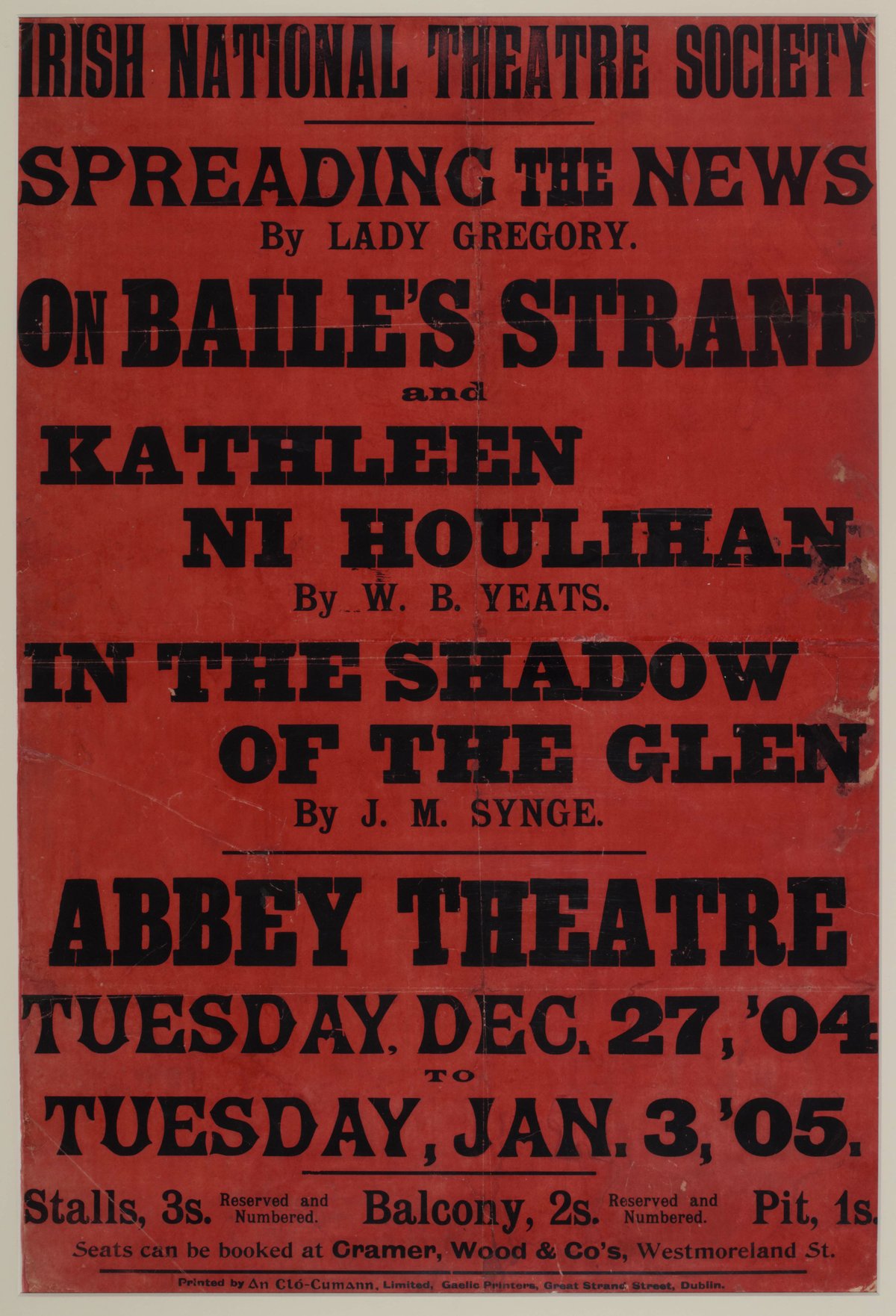
- Abbey Theatre Ireland’s national theatre.
Visitor FAQs
Is the original Volta building still standing?
No, it was demolished in the 1960s. The site is now marked by a plaque on Penneys.
Can I go inside the original cinema?
No, only the exterior plaque is visitable. The cinema’s history is preserved at the James Joyce Centre.
Are there guided tours?
Yes. Check the James Joyce Centre for schedules and booking.
Are tickets required to visit the plaque?
No. Viewing the plaque is free. Fees apply for the James Joyce Centre and tours.
When is the best time to visit?
Mid-June during the Bloomsday Festival offers special events; May, September, and October are quieter months (Lonely Planet; The Irish Road Trip).
Is the site accessible to those with mobility issues?
Yes, though the James Joyce Centre has limited accessibility on upper floors—contact in advance for details.
Practical Visitor Tips
- Advance Booking Recommended for tours and festival events (The Bioscope).
- Public Transport Easily accessible by bus, Luas tram, or on foot.
- Photography Permitted at the plaque; restrictions may apply during exhibitions or screenings.
- Facilities Restrooms, café, and shop available at the James Joyce Centre.
- Budget Entry to the plaque is free; James Joyce Centre and events range €5–€30.
Cultural Significance
The Volta Cinematograph stands as a testament to Dublin’s early embrace of modernity and the democratization of art. Joyce’s involvement with the cinema not only introduced European film to Irish audiences but also influenced his literary style, particularly the episodic and montage techniques found in Ulysses (Ulysses Whiskey). The Volta’s role in fostering cultural exchange and broadening artistic horizons helped lay the foundation for Ireland’s ongoing appreciation of cinema (Independent.ie).
Today, the Volta name endures through Ireland’s digital film streaming platform, Volta.ie, ensuring the site’s legacy continues for future generations.