Origins and Early Development of The Greenhouse
The Greenhouse was founded by Eamonn O’Reilly, a visionary in Irish hospitality, with the goal of propelling Irish gastronomy to new heights (Go-to-Ireland.com). From its inception, the restaurant was distinguished by its intimate setting—linen-draped tables, smoked mirrors, and plush blue seating—creating an elegant yet welcoming ambiance. Its location on Dawson Street, just steps from St. Stephen’s Green and Trinity College, made it a prime destination for both locals and visitors (Michelin Guide).
The Rise to Michelin Stardom
The arrival of Finnish chef Mickael Viljanen in 2012 ushered in a transformative era for The Greenhouse. Viljanen’s blend of Scandinavian precision and French flair led to the restaurant’s first Michelin star in 2016 and a second in 2020, making it one of only a select few Irish establishments to achieve such status (Irish Times). His tenure brought critical acclaim and set new standards for culinary excellence in Ireland.
Culinary Philosophy and Menu Evolution
The Greenhouse emphasized sustainable, seasonal Irish ingredients, artfully combined with international influences. Signature dishes such as foie gras parfait, trout tartare, and steamed turbot showcased technical mastery and creativity (Go-to-Ireland.com). The restaurant was renowned for accommodating diverse dietary needs, including vegan, gluten-free, and lactose-free options.
Architectural and Experiential Significance
The Greenhouse’s chic, understated design—marked by turquoise banquettes, smoked mirrors, and crisp linens—offered a refined yet relaxed atmosphere. Its proximity to Dublin’s major cultural landmarks positioned it as both a culinary and experiential highlight for city explorers (Michelin Guide).
Visitor Information
Visiting Hours
- The Greenhouse operated dinner service Tuesday to Saturday from 5:30 PM to 10:00 PM. It was closed on Sundays and Mondays.
Reservations and Tickets
- Advance reservations were essential due to high demand and limited seating. Bookings could be made via the official website or phone. There were no general admission tickets; reservations were required for dining.
Dress Code
- Smart-casual to formal attire was recommended to complement the restaurant’s sophisticated environment.
Accessibility
- The venue was wheelchair accessible, and staff were trained to assist guests with special requirements. The location was well-served by public transport, with nearby tram and bus stops.
Pricing
- Dining experiences ranged from €50 to €100 per person, depending on menu selection and wine pairings.
Travel Tips
- Visitors were encouraged to explore nearby attractions such as St. Stephen’s Green and Trinity College (MamalovesIreland). Arriving early allowed time to enjoy the local area and its cultural offerings.
The Greenhouse’s Role in Dublin’s Fine Dining Evolution
Michelin Recognition and Benchmark Setting
The Greenhouse rapidly established itself as a cornerstone of Dublin’s fine dining scene, becoming one of only four Irish restaurants to achieve two Michelin stars (Wikipedia). This recognition placed it alongside acclaimed venues such as Restaurant Patrick Guilbaud, Liath, and Chapter One (TheTaste.ie). Exemplifying the Michelin Guide’s criteria—ingredient quality, technical mastery, chef’s personality, harmony of flavors, and consistency—The Greenhouse set a new standard for Irish gastronomy (Michelin Guide).
Chef Mikael Viljanen’s Influence
Mikael Viljanen’s arrival from Gregans Castle in County Clare marked a turning point (Andy Hayler). His philosophy—melding Scandinavian minimalism with French haute cuisine—emphasized seasonality, artistry, and the finest Irish produce (TheTaste.ie). Dishes such as foie gras parfait with Granny Smith apple and smoked eel became hallmarks of his creative impact (Time Out). His influence extended beyond The Greenhouse, shaping Dublin’s culinary scene and inspiring the next generation of Irish chefs. Viljanen’s later move to Chapter One continued this legacy (CN Traveller).
Elevating Irish Ingredients and Local Sourcing
The Greenhouse championed the use of local Irish produce, reflecting the growing movement toward hyper-local and sustainable gastronomy (TheTaste.ie). The transformation of native ingredients—such as celeriac, scallops, and beef—into world-class dishes elevated Irish food culture and inspired other restaurants to follow suit (Irish Times).
Redefining the Dublin Dining Experience
The restaurant’s understated luxury, attentive service, and innovative tasting menus created a celebratory yet approachable atmosphere (Time Out). The Greenhouse was instrumental in popularizing the tasting menu format in Dublin, encouraging diners to engage in a more immersive gastronomic journey (TheTaste.ie). Its welcoming ambiance attracted a wide range of guests, from business professionals to families celebrating special occasions.
Frequently Asked Questions (FAQ)
Q: Is The Greenhouse currently open?
A: The Greenhouse has remained closed since 2020 due to the COVID-19 pandemic and has not announced reopening plans (Wikipedia).
Q: Where was The Greenhouse located?
A: The restaurant was situated on Dawson Street in central Dublin.
Q: Are there fine dining alternatives in Dublin?
A: Yes, consider Michelin-starred options such as Chapter One and Liath.
Q: Did The Greenhouse offer vegetarian and dietary options?
A: Yes, the restaurant provided a surprise vegetarian tasting menu and accommodated various dietary restrictions.
Q: What are some nearby attractions?
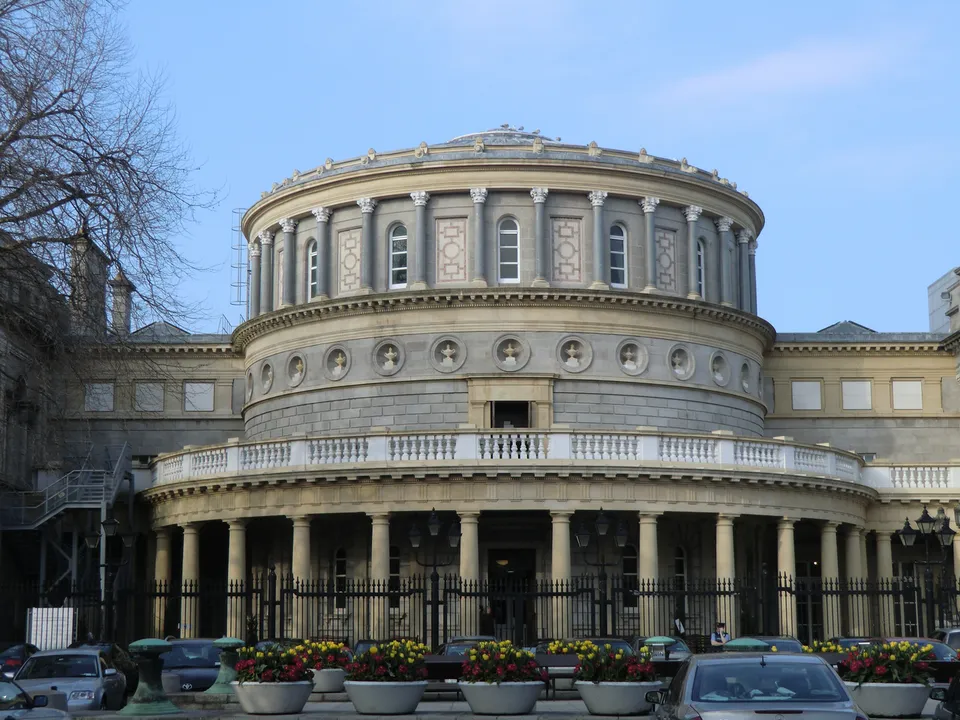
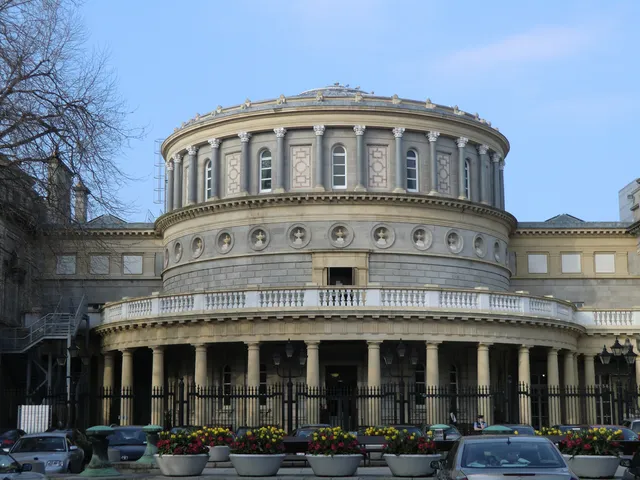
A: St. Stephen’s Green, Trinity College, and the National Museum of Ireland are within walking distance.
Discover More
The Greenhouse Dublin was a trailblazer in Irish cuisine, setting new standards for culinary artistry and hospitality. While it is currently closed, its influence endures in Dublin’s thriving restaurant scene and the many chefs it inspired. Visitors to Dublin can experience the city’s ongoing fine dining evolution at other acclaimed restaurants and explore the rich cultural tapestry that surrounds The Greenhouse’s former location.
Plan your Dublin culinary adventure by consulting the Michelin Guide, exploring top-rated local venues, and following Audiala for the latest updates and travel tips. For a full cultural experience, combine your dining plans with visits to nearby landmarks and historic sites.
Summary and Final Tips
The Greenhouse remains an enduring symbol of Dublin’s culinary innovation, having redefined perceptions of Irish cuisine and hospitality. Though closed since 2020, its legacy is reflected in the city’s vibrant food culture and the high standards it set. For those seeking outstanding dining experiences in Dublin, Michelin-starred restaurants like Chapter One and Liath continue this tradition of excellence. To make the most of your visit, pair your culinary explorations with tours of Dublin’s iconic sites, and utilize trusted resources such as the Michelin Guide and TheTaste.ie for up-to-date information.