Planning, Construction, and Opening
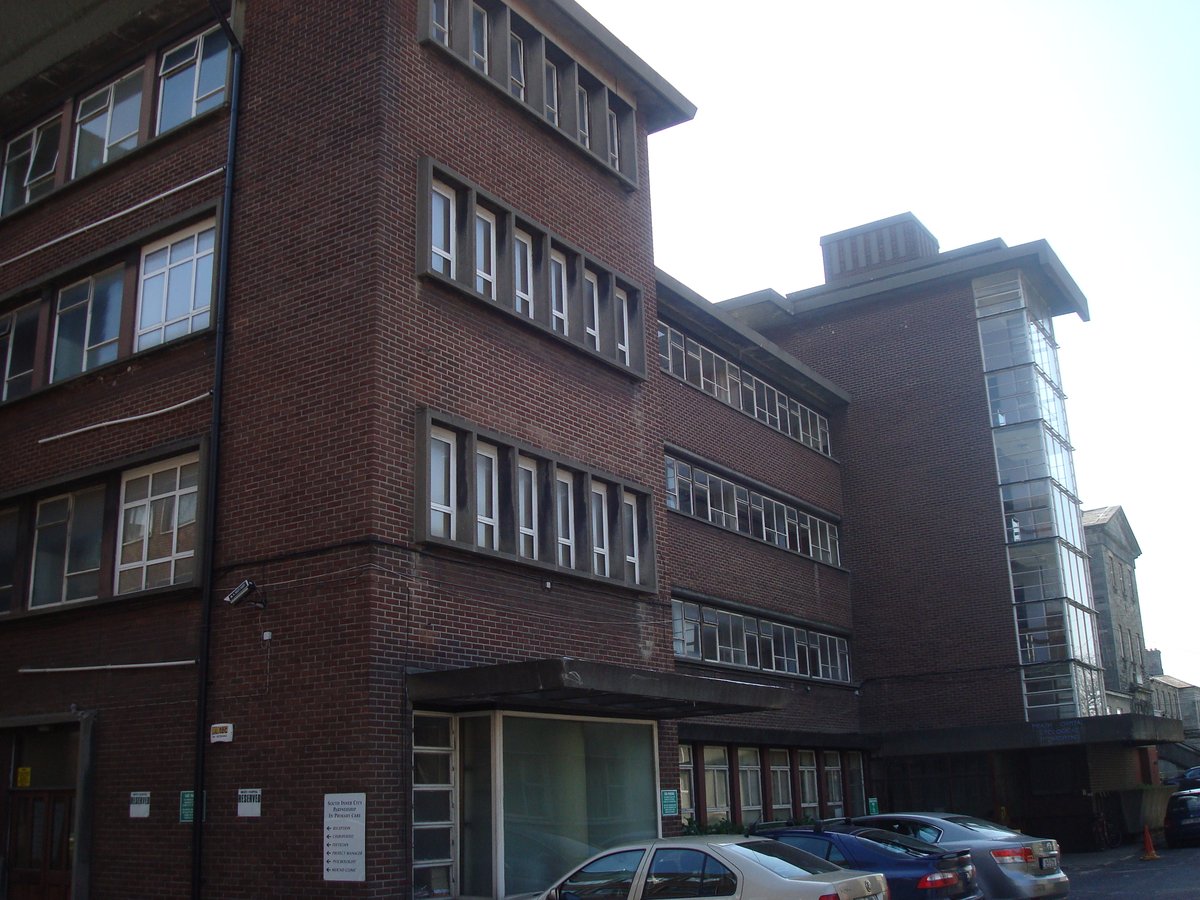
Planning for TUH commenced in 1981, with Robinson Keefe Devane Architects selected in 1985 to design the hospital’s iconic structure, featuring the 353.1-meter "Hospital Street," a central corridor symbolizing connectivity and care (tuh.ie). Construction began in 1993, with the hospital officially opening its doors on June 21, 1998. The transfer of 115 patients from the legacy hospitals represented a seamless blend of tradition and innovation.
Visiting Tallaght University Hospital: Practical Information
Visiting Hours
- General Visiting 2:00 PM – 5:00 PM and 7:00 PM – 9:00 PM daily
- Paediatric and Critical Care Wards Visiting times may vary; check with the specific ward in advance
- Recommendation Always verify current hours on the official TUH website or by contacting the hospital directly.
Access and Tickets
- Admission No tickets or fees required for hospital visits.
- Entry Open to patients, visitors, and individuals attending appointments or hospital-sanctioned events.
Getting There
- Public Transport Served by several Dublin Bus routes and the Luas Red Line (Tallaght stop).
- Parking On-site parking is available (paid); spaces may be limited during peak times.
- Location Situated near Tallaght town centre, easily accessible by car and public transit.
Accessibility
- Design Fully accessible hospital with ramps, elevators, accessible restrooms, and wheelchair-friendly routes.
Facilities for Visitors
- Food & Drink Cafeterias and vending machines available on-site.
- Wi-Fi Free public Wi-Fi in designated areas.
- Visitor Amenities Waiting areas, information desks, and support services.
Guided Tours and Events
- Tours Occasional guided tours, particularly focusing on hospital history and arts in health. Check the hospital’s events calendar for details.
- Community Programs TUH hosts arts initiatives, health awareness events, and educational workshops.
Nearby Attractions
- Tallaght Castle Medieval ruins and park, a short walk from the hospital.
- Tallaght Village Heritage Centre Insights into local history.
- Rua Red Arts Centre, The Square Shopping Centre, and Blessington Lakes Offer cultural, shopping, and natural experiences.
Evolution into a University Hospital
In 2018, TUH formally adopted its current name to reflect its role as a major academic teaching hospital with strong links to Trinity College Dublin and Technological University Dublin (innovatehealthtuh.ie). TUH is a leader in research, clinical training, and digital health innovation, employing over 4,000 staff from 63 nationalities.
Hospital Infrastructure and Capacity
- Beds 562 inpatient beds, with expansion plans ongoing.
- Facilities 12 operating theatres, 14 critical care beds, and specialized units like the Reeves Day Surgery Centre and Vartry Renal Unit.
- Annual Expenditure Exceeds €250 million, serving a catchment of over 640,000 people (tuh.ie).
Community and Cultural Engagement
TUH is deeply integrated into the Tallaght community, offering employment, education, and social programs. The National Centre for Arts and Health exemplifies the hospital’s commitment to holistic well-being, with arts-based interventions and research (tuh.ie). TUH also works with local organizations to address mental health, social care, and the broader determinants of health (independent.ie).
Frequently Asked Questions (FAQ)
Q: What are the visiting hours at TUH?
A: Generally, 2:00 PM–5:00 PM and 7:00 PM–9:00 PM, but check with wards for specifics.
Q: Is an entry ticket required?
A: No, access is free for visitors and patients.
Q: Are guided tours available?
A: Occasionally, especially for arts and history programs—see TUH’s events page.
Q: How do I get there by public transport?
A: Via multiple Dublin Bus routes or the Luas Red Line (Tallaght stop).
Q: Is the hospital accessible for people with disabilities?
A: Yes, fully accessible facilities are available.
Exploring Tallaght Castle: Visitor Information
Tallaght Castle, situated near Civic Square and The Square Shopping Centre, is a medieval landmark dating back to the 14th/15th century. The castle’s ruins and adjacent park offer a window into Dublin’s feudal history and are a popular destination for families, historians, and tourists.
Visiting Hours and Admission
- Outdoor Access Park and ruins open from dawn to dusk daily; no official closing hours.
- Admission Free entry; donations to local heritage groups appreciated.
- Indoor Tours None, as the castle remains a ruin.
Getting There
- Public Transport Luas Red Line (Tallaght stop) and multiple Dublin Bus routes.
- Parking Limited nearby; public transport recommended during busy times.
Facilities & Amenities
- Visitor Centre Informational displays and refreshments.
- Gift Shop Souvenirs and local crafts.
- Café Light snacks and beverages.
- Guided Tours Occasional tours led by local historians; check local calendars for details.
Accessibility
- Paths Paved and gravel, but some uneven areas around ruins.
- Restrooms Accessible facilities near the visitor centre.
Nearby Attractions
- Rua Red Arts Centre Local art and cultural events.
- Tallaght Theatre Regular performances.
- Tymon Park Large urban park with trails and picnic areas.
Practical Tips
- Plan Ahead Check for event schedules and any changes in access.
- Photography Permitted; no flash or tripods inside ruins.
- Footwear Comfortable shoes recommended for uneven ground.