
Location and Urban Context
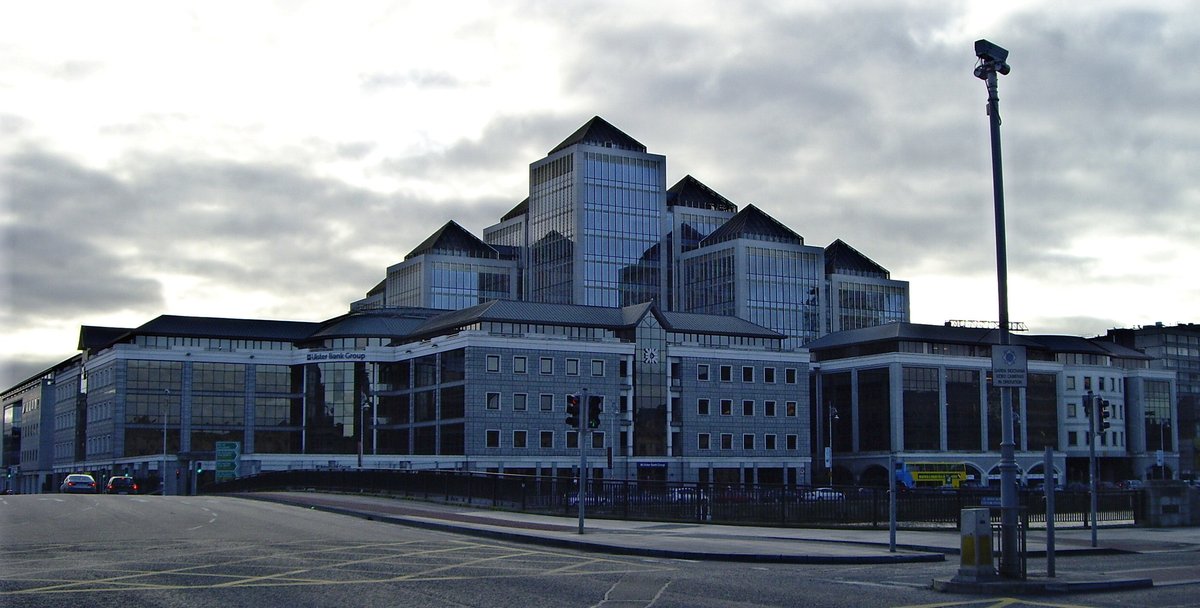
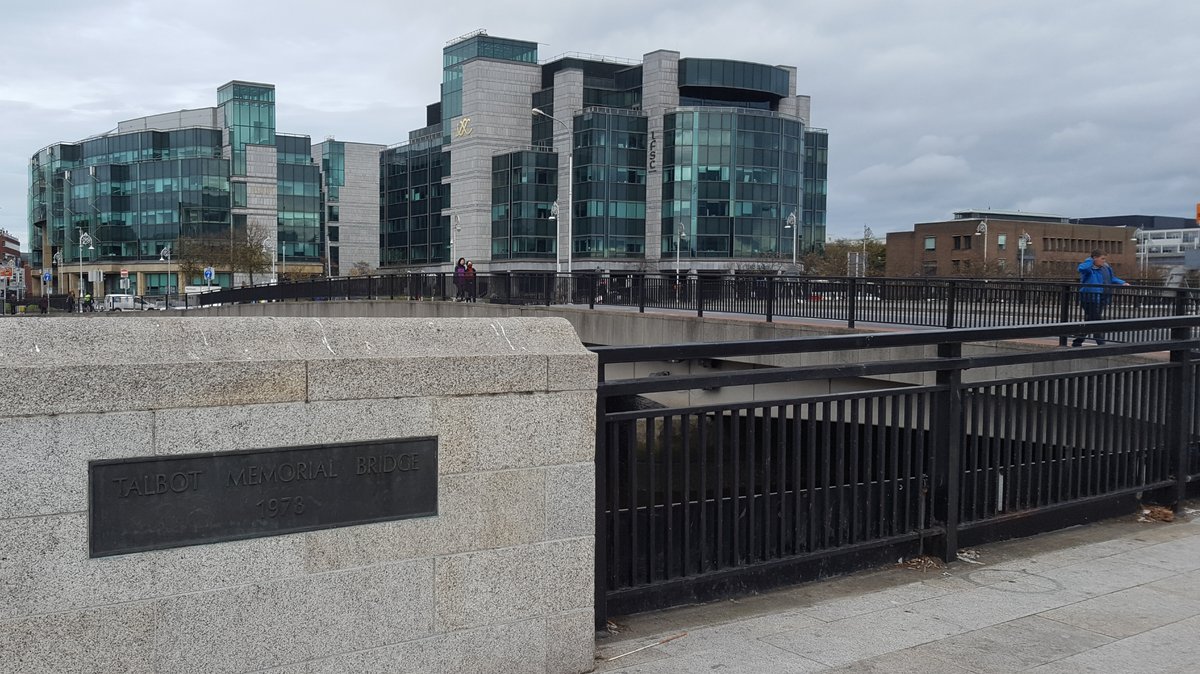
The Talbot Memorial Bridge connects Custom House Quay and Memorial Road on the north with City Quay and Moss Street on the south (RTÉ Archives). This strategic location alleviates traffic bottlenecks and provides a direct route for cars, cyclists, and pedestrians. Landmarks such as the Custom House, International Financial Services Centre (IFSC), and the rapidly redeveloping North East Inner City (NEIC) are all within easy reach (NEIC Strategic Plan). The bridge’s proximity to Connolly Station and Busáras makes it easily accessible via public transport.
Visiting Hours and Ticket Information
The Talbot Memorial Bridge is a public thoroughfare open 24/7 to pedestrians, cyclists, and vehicles. There is no ticket or entry fee required. Visitors can cross at any time, making it a convenient spot for sightseeing, photography, or commuting.
Architectural Features and Design
Structural Composition and Engineering
Completed in 1978, the bridge is a three-span, four-lane beam bridge, notable for its reinforced concrete structure anchored into the riverbed’s natural rock (Bridges of Dublin). The construction involved transporting massive steel beams by barge and positioning them with tugboats—a feat of engineering during its time.
Span and Dimensions
The central span measures 34 meters, and the bridge is 22 meters wide, accommodating multiple lanes of traffic and wide pedestrian walkways (Wikipedia). Its load-bearing capacity ensures smooth flow for both vehicles and foot traffic.
Design and Aesthetic Features
The bridge’s design emphasizes functional modernism, with clean lines, minimal ornamentation, and a dusting of granite particles to soften its appearance (Waymarking). Its understated profile complements the industrial heritage of the Docklands and preserves the sightlines to historical buildings like the Custom House.
Visitor Experience and Accessibility
Practical Tips
- Accessibility The bridge features gentle slopes and is fully wheelchair accessible. Wide paths make it suitable for strollers and cyclists, though cyclists should be mindful of pedestrians.
- Safety Pedestrian walkways are separated by durable barriers. Use designated crossings.
- Photography The bridge offers panoramic views of the River Liffey, Custom House, Docklands, and Dublin’s skyline—ideal for sunrise and sunset photos.
- Transport Well-served by Dublin Bus and Luas tram stops; public transport is recommended due to city traffic.
Guided Tours and Events
While there are no dedicated guided tours for the bridge, it is often included in broader city walking tours focusing on the riverside, Docklands, or NEIC (Visit Dublin). The surrounding area occasionally hosts public events, art installations, and festivals.
Memorial Elements and Cultural Significance
The bridge is named after Matt Talbot, with a memorial statue at the north end providing a place for reflection (RTÉ Archives). Memorial Road, leading to the bridge, honors members of the Dublin Brigade lost during the Irish War of Independence. Additionally, a plaque commemorates Irish seamen who perished during World War II while supplying neutral Ireland (Flickr). These memorials enrich the site’s cultural context and historical depth.
Nearby Attractions
Within a 5–10 minute walk, visitors can explore:
- EPIC The Irish Emigration Museum Interactive exhibits on Irish diaspora (Trek Zone)
- The Custom House Iconic Georgian architecture
- CHQ Building Shops, eateries, and cultural venues
- Abbey Theatre Ireland’s national theatre
- Liberty Hall Landmark modernist building
- O’Connell Street Dublin’s main thoroughfare
- Samuel Beckett and Seán O’Casey Bridges Modern architectural highlights
The bridge is also the furthest upstream point on the Liffey accessible to tall ships (Wikipedia).
Visuals and Media
For visuals, visitors can explore high-quality images and videos via RTÉ Archives, Geograph, and Dayouthub. During the winter holiday season, the bridge is illuminated with festive lights, creating memorable photographic opportunities.
FAQ
Q: Is there an entry fee?
A: No, the bridge is free to access at all times.
Q: What are the best times to visit?
A: Early morning and late afternoon are ideal for photography and quieter crowds.
Q: Is the bridge wheelchair accessible?
A: Yes, with gentle gradients and wide paths.
Q: Are guided tours available?
A: While not dedicated to the bridge, several walking tours of Dublin’s riverside include it as a highlight.
Q: Can I cycle across the bridge?
A: Yes, but be mindful of pedestrians.
Q: Where can I park nearby?
A: Several public car parks are available in the city centre, but public transport is recommended.