
Origins and Founding Vision
Science Gallery Dublin was founded as an experimental space within Trinity College Dublin, designed to break down barriers between science and the wider public. Its mission was to engage young adults and the broader community through participatory, interdisciplinary exhibitions and events centered on pressing scientific and societal themes. Under the direction of Lynn Scarff, the gallery launched just a year after its conception, setting a precedent for rapid, innovative public science engagement (The Journal).
Location and Accessibility
SGD was situated in the Naughton Institute on Pearse Street, near major transport links:
- Bus Routes including 1, 44, 47, 56a, 61, and 77A serve Sandwith St and Pearse St stations.
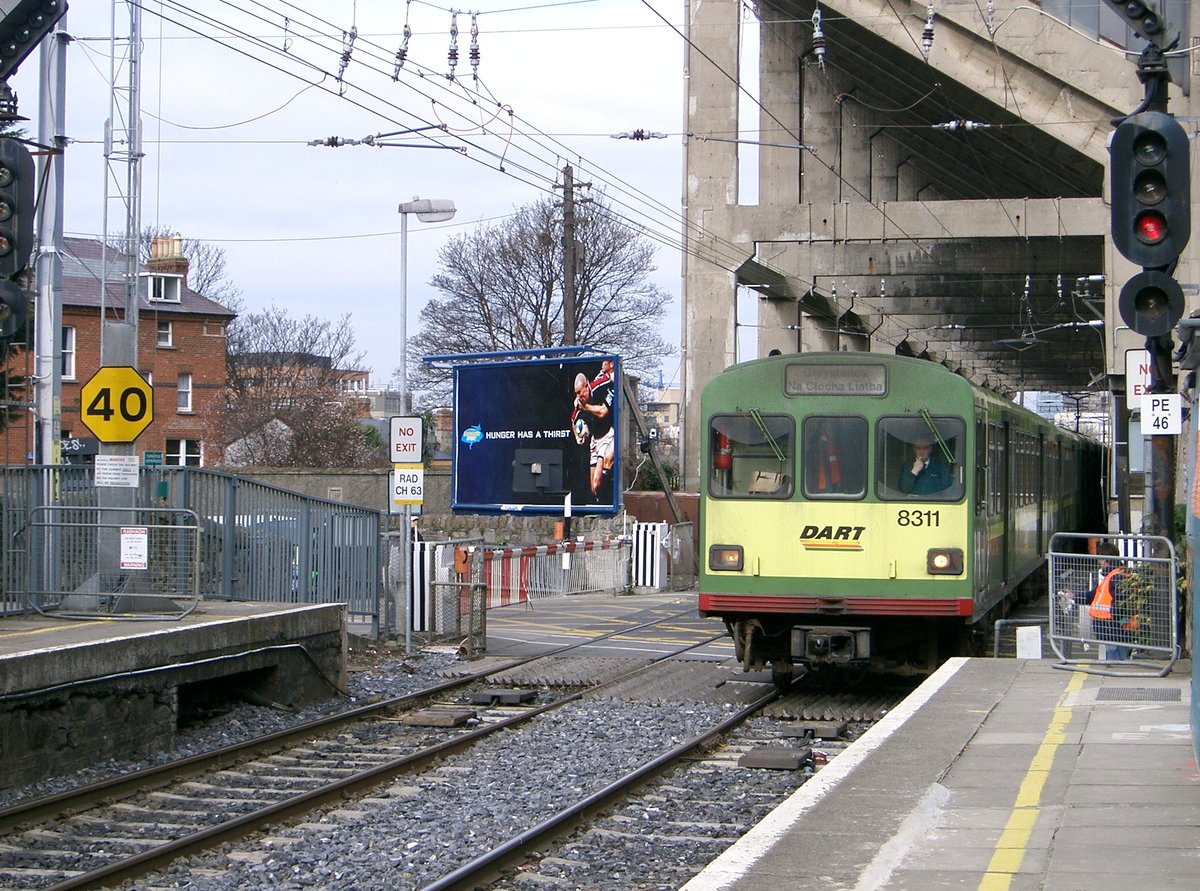
- Train Pearse Street DART and suburban train station is adjacent.
- Bike Dublin Bikes station on Pearse Street.
- Car Closest 24-hour car park in Fleet Street, Temple Bar.
The gallery’s glass façade was a local landmark, and its step-free design ensured full wheelchair accessibility, including lifts and accessible restrooms. Guide dogs were welcome, and staff were trained to assist those with special requirements.
Visiting Hours and Ticket Information
- Typical Opening Hours Tuesday–Sunday, 11:00 AM–6:00 PM; closed Mondays and public holidays.
- Admission Free general entry. Some special exhibitions, workshops, and events required advance booking or a nominal fee.
- Group Visits Tours for schools and groups were available by pre-booking, generally for a fee.
As hours sometimes changed for special events, visitors were advised to check the official website before visiting.
Exhibition Experience
SGD did not maintain a permanent collection. Instead, it curated three to six themed exhibitions annually, each exploring the intersection of science, art, and society. These exhibitions were highly interactive, inviting visitors to participate in ongoing research, hands-on experiments, and conversations with mediators—often students or experts in STEAM fields.
Notable Past Exhibitions:
- "FAKE" Explored the concept of falsity from biomimetics to counterfeit documents.
- "In Case of Emergency" Examined disaster scenarios and society’s fascination with apocalyptic themes.
- "HOME/SICK" Investigated hygiene and health through participatory installations.
- "Lightwave" SGD’s debut show, featuring interactive clothing and audience-driven games.
Between exhibitions, the shop and café remained open, with exhibition gaps of up to three weeks. Visitors were encouraged to consult the current schedule to avoid disappointment.
Educational and Cultural Impact
SGD focused on young adults aged 15–25, an audience often underserved by traditional museums. Its participatory format fostered critical thinking and creativity, with “After Hours” events and workshops providing opportunities to engage with experts in fields like artificial intelligence, climate science, and biomedical engineering (Dublin.ie). Collaborative programming with scientists, artists, and designers encouraged visitors to consider the ethical and societal implications of scientific advancements (Springer Link).
Growth, Influence, and Milestones
Science Gallery Dublin rapidly exceeded expectations, drawing approximately 430,000 annual visitors and over 2.5 million in its first decade (The Journal). Its innovative approach inspired the creation of Science Gallery International, leading to new galleries in London, Melbourne, Bangalore, Detroit, and Venice. This expansion cemented Dublin’s role as a leader in global STEAM engagement.
Key Milestones:
- 2008 Gallery opens, quickly surpassing visitor projections.
- 2012 Launch of Science Gallery International.
- 2018 10th anniversary, over 2.5 million visitors, and 42 major exhibitions celebrated.
- 2022 Closure due to financial constraints.
- 2024 Permanent repurposing of the Pearse Street site as a student centre (Irish Times).
Financial Challenges and Closure
Despite acclaim, SGD faced significant financial challenges, including a €2 million deficit, largely due to declining grants and donations (Irish Times). Efforts to secure sustainable funding—including government pledges and proposed partnerships—were ultimately unsuccessful. In December 2024, Trinity College confirmed the gallery would not reopen and the site would become Trinity’s first dedicated student centre (Irish Times).
Legacy and Transformation
While SGD’s physical space has been repurposed, its legacy endures. The Science Gallery International network continues to promote STEAM engagement worldwide. Trinity College remains committed to fostering science and art connections through ongoing public initiatives. The decision to repurpose the gallery aligns with student and sustainability priorities, as the new centre reduces operational costs and carbon emissions.
Facilities and Amenities
- Café & Shop Offered snacks, drinks, and science-themed gifts.
- Restrooms Accessible toilets available (no baby changing facilities).
- Wi-Fi Free throughout the gallery.
- Seating Benches and rest areas for visitor comfort.
Nearby Attractions
SGD’s central location made it ideal to visit alongside:
- Trinity College Library (Book of Kells)
- Dublin Castle
- National Gallery of Ireland
- St. Stephen’s Green
- Temple Bar (restaurants, pubs, galleries)
All are within walking distance and offer a rich cultural complement to a gallery visit.
Travel Tips
- Check Exhibition Dates Confirm current schedules online.
- Arrive Early Beat peak times and secure spots for popular events.
- Engage with Mediators Staff and student mediators offer insightful guidance.
- Plan for Accessibility The gallery was fully accessible; check for any changes if visiting future Science Gallery network sites.
- Photography Permitted in most areas, but follow signage regarding restrictions.
Visual Highlights
- Glass Façade Ideal for natural-light photography.
- Interactive Installations Dynamic, hands-on exhibits.
- Nearby Landmarks Trinity College grounds and Dublin’s historic streets.
Frequently Asked Questions (FAQ)
Q: Was admission free?
A: Yes, except for some special events or workshops.
Q: What were the opening hours?
A: Usually Tuesday–Sunday, 11:00 AM–6:00 PM. Always check the website for updates.
Q: Was Science Gallery Dublin wheelchair accessible?
A: Yes, fully accessible.
Q: Were guided tours available?
A: Yes, with advance booking recommended.
Q: Could visitors take photographs?
A: Generally yes, with some restrictions in special exhibitions.
Practical Information
- Address Pearse Street, Trinity College Dublin, Ireland
- Website Science Gallery Dublin Official Site
- Phone +353 1 896 4091
- Group Bookings Recommended for schools and large parties.