
Origins and Early Development (1789–1817)
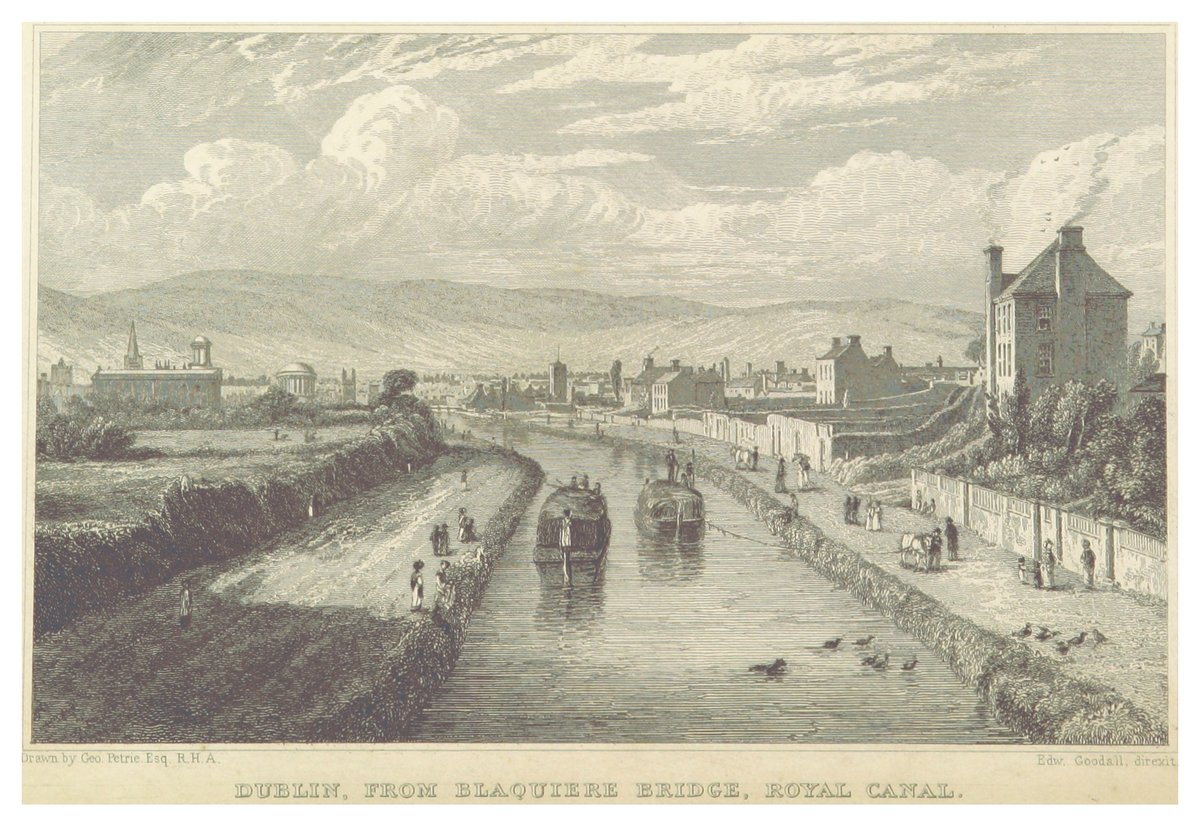
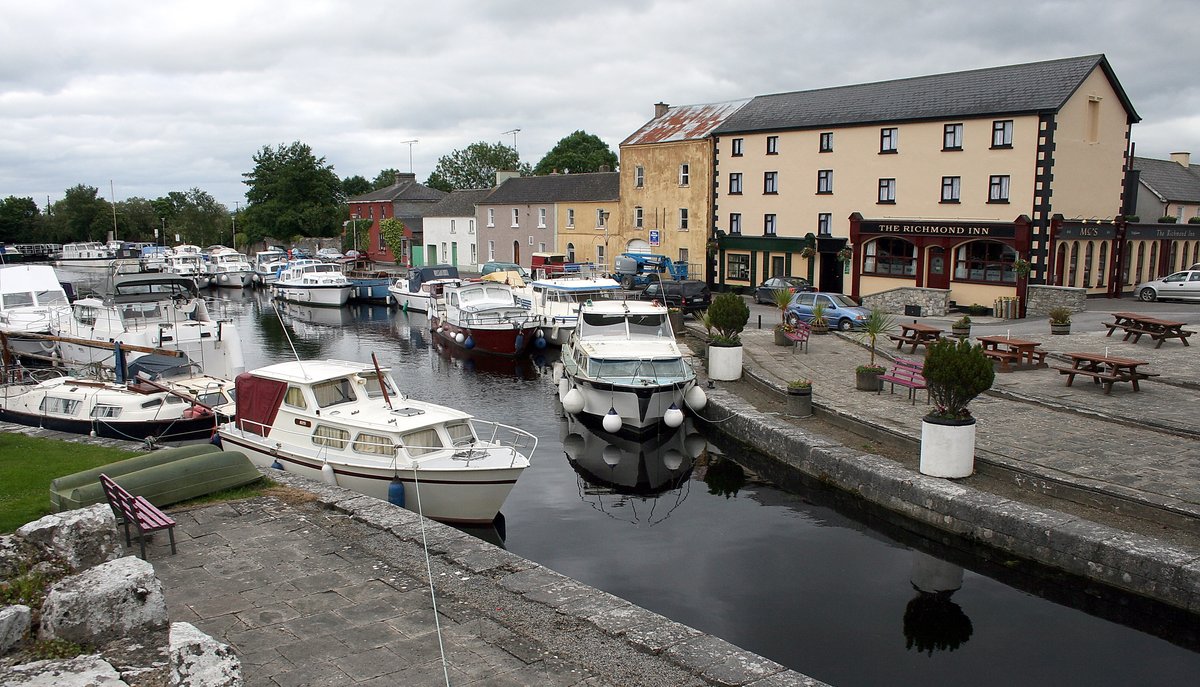
The Royal Canal’s inception was driven by commercial rivalry with the Grand Canal and personal ambition. Founded in 1789, the Royal Canal Company began construction in 1790, charting a more circuitous route to serve influential estates such as the Duke of Leinster’s at Maynooth. The canal was completed in 1817 at a cost exceeding £1.4 million, involving the construction of 46 locks and numerous bridges (Royal Canal Amenity Group; Dublin Live).
Engineering and Water Supply
The canal’s greatest engineering challenge was maintaining a reliable water supply for its summit level, achieved through feeders from Lough Owel near Mullingar. The infrastructure included aqueducts, harbors, and locks that remain points of interest today (Irish Waterways History).
Economic and Social Impact
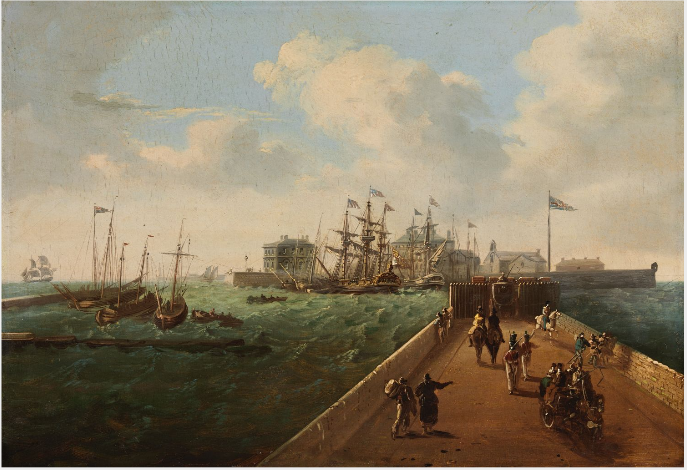
In the 19th century, the Royal Canal was a vital commercial artery, transporting goods and passengers between Dublin and the midlands. Passenger numbers exceeded 50,000 annually by the 1840s. During the Great Famine, the canal became a route for mass emigration, memorialized by the National Famine Way walking trail (Dublin Live).
Decline and Restoration
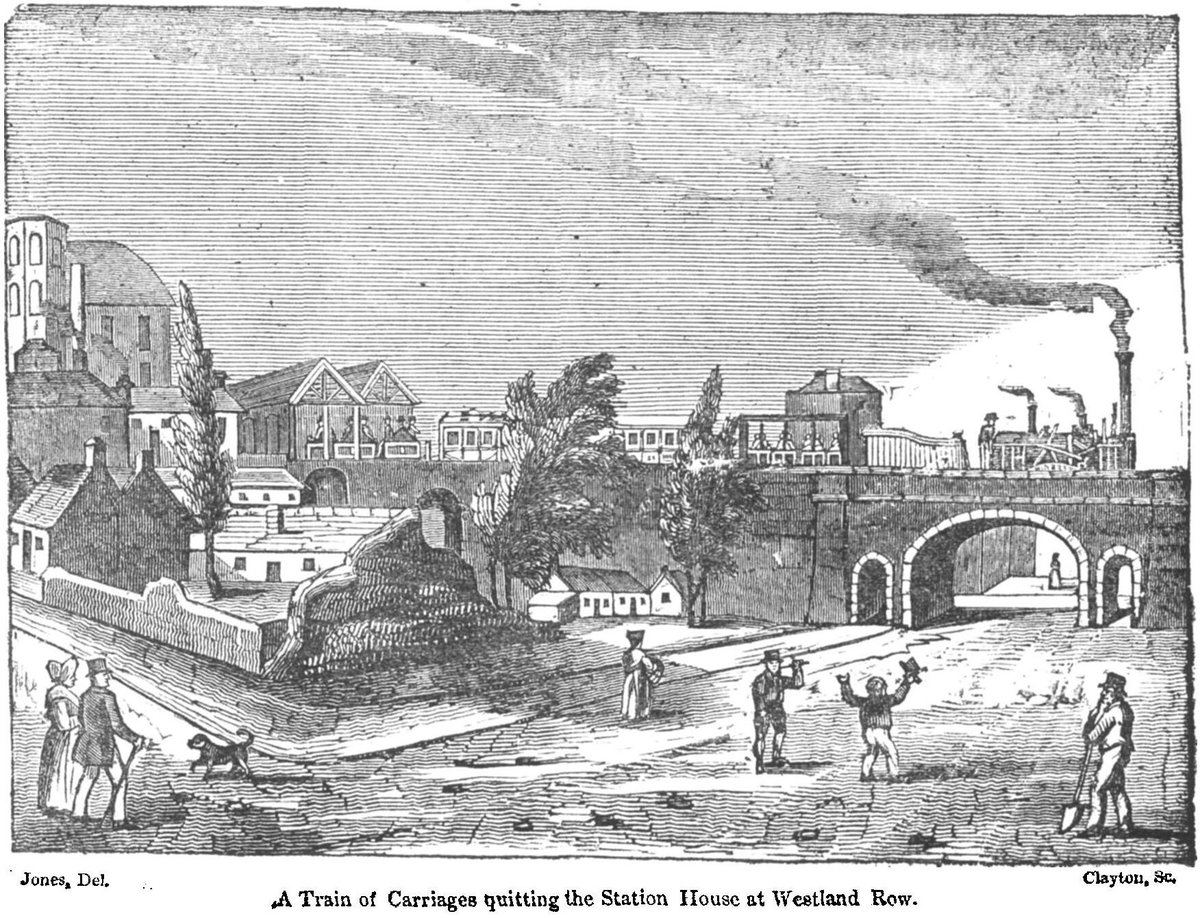
The canal’s fortunes waned with the rise of the railway, leading to its closure in 1961. Neglect and urban development threatened its existence, but grassroots activism sparked restoration efforts in the 1970s. The Royal Canal Amenity Group and, later, Waterways Ireland, led extensive restoration, resulting in the reopening of the canal for navigation in 2010 (Royal Canal Amenity Group).
Modern Uses and Cultural Significance
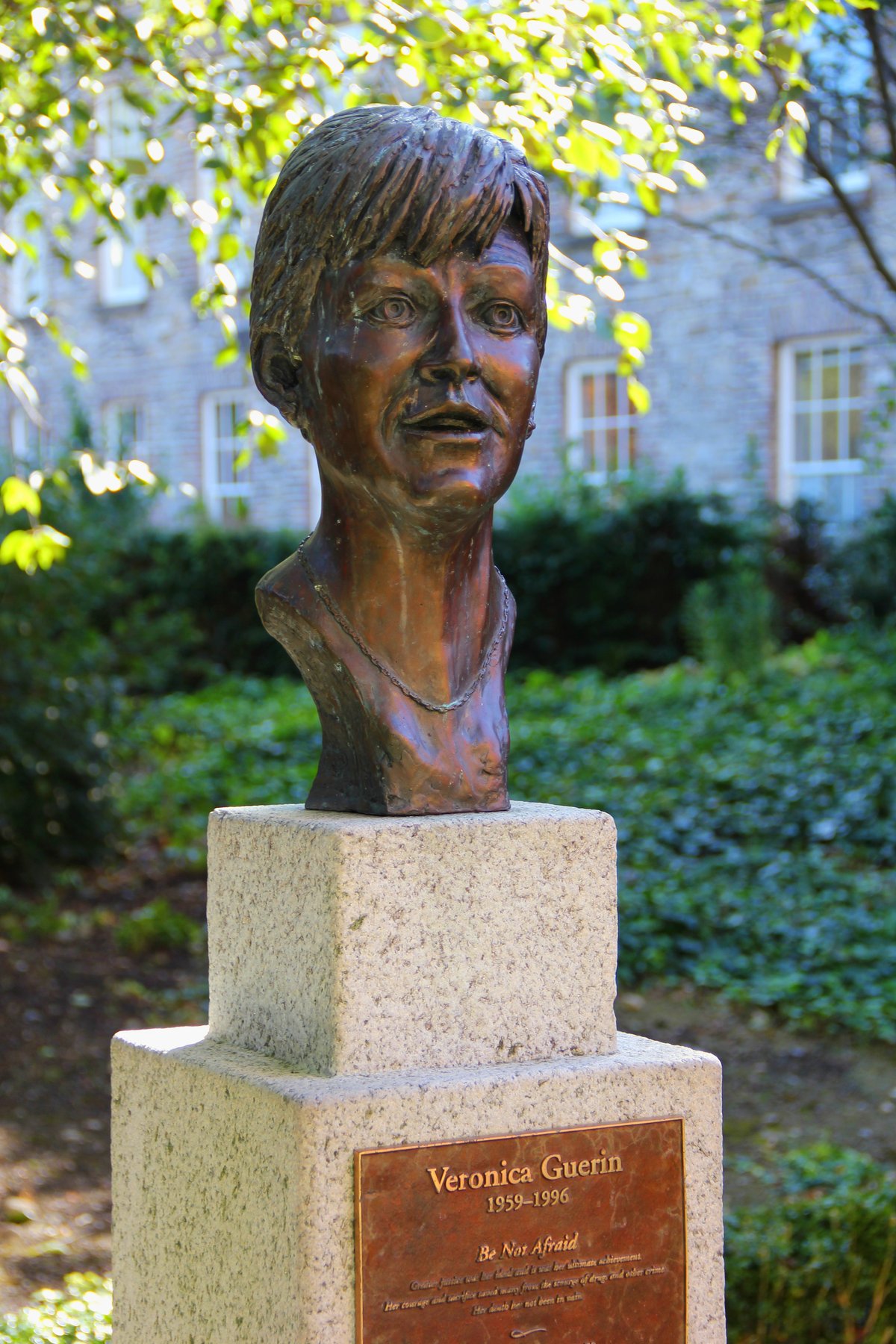
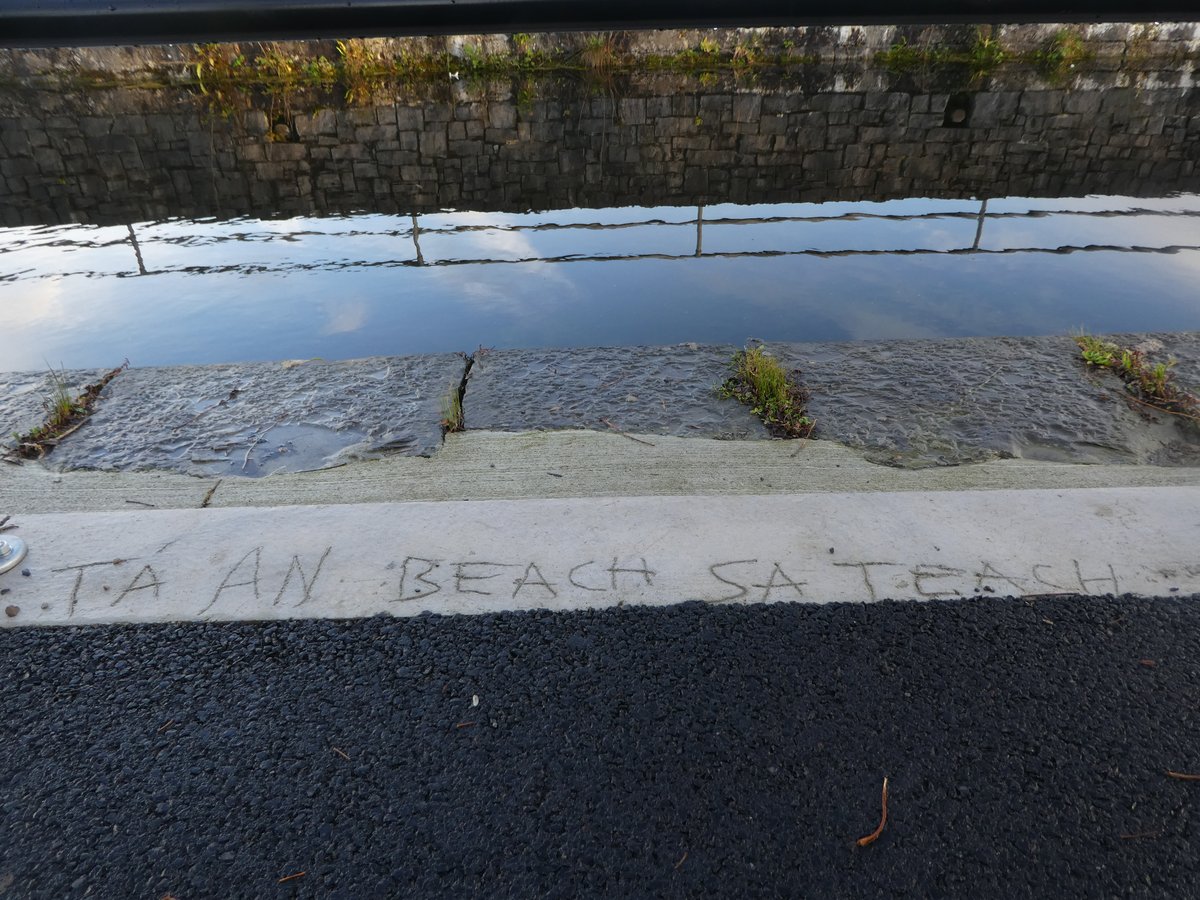
The Royal Canal is immortalized in Irish literature and music, notably in Brendan Behan’s “The Auld Triangle.” Today, it is a scenic greenway, wildlife corridor, and venue for festivals and community events. Public art, interpretive signage, and restoration projects connect visitors with the canal’s layered heritage (Dublin Live).
Visiting Information: Hours, Tickets, Accessibility
Visiting Hours
- The canal towpaths and parks are open daily from dawn until dusk, year-round.
- Visitor centers and cafés along the route typically operate between 9:00 AM and 5:00/6:00 PM, with seasonal variations.
Tickets and Fees
- Access to the towpaths and Greenway is free.
- Boating and kayaking require permits from Waterways Ireland; fees apply for boat hire and some moorings.
- Guided tours and special events may require advance booking and payment (Royal Canal History).
Accessibility
- Urban sections in Dublin are wheelchair- and stroller-friendly with paved surfaces.
- Some rural stretches have gravel paths that may become uneven or muddy in wet weather.
- Key access points are well-served by public transport (Mapaplan: Dublin Transport Map).
Travel Tips and Nearby Attractions
- Getting There The Royal Canal is accessible from Dublin by LUAS, DART, bus, and train, with stops at locations such as Ashtown, Maynooth, and Mullingar.
- Nearby Attractions Combine your visit with Phoenix Park, Maynooth Castle, Irish Museum of Modern Art, or local markets in Mullingar.
- Facilities Canal-side cafés, pubs, bike rentals, and accommodation are available in towns along the route (Ireland.com: Cycle the Royal Canal Greenway).
- Events Check local listings or the Royal Canal Amenity Group website for festivals, guided walks, and heritage activities.
- Best Times to Visit Spring and summer offer vibrant scenery, but the canal is beautiful year-round.
Activities and Experiences
- Walking & Hiking The Royal Canal Way is a National Waymarked Trail, with popular segments ranging from city strolls to multi-day hikes (Wikipedia: Royal Canal Way).
- Cycling The Royal Canal Greenway, Ireland’s longest greenway, runs from Dublin’s Ashtown to Cloondara, with bike hire available at several points (Visit Westmeath: Royal Canal Greenway).
- Boating & Kayaking Permits are required for personal boating; tour operators offer guided boat trips and rentals (Royal Canal History).
- Wildlife Watching The canal is home to swans, herons, kingfishers, and diverse plant life, especially in rural stretches.
- Cultural Events Enjoy heritage festivals, art installations, and community markets along the canal.
Frequently Asked Questions (FAQ)
Q: Are there entrance fees?
A: No, access to the canal and Greenway is free. Some activities, like boating or guided tours, may have associated fees.
Q: What are the canal’s visiting hours?
A: Towpaths are open from dawn to dusk year-round. Facility hours vary.
Q: Is the Greenway suitable for cycling and wheelchairs?
A: Urban sections are fully accessible; check local conditions for rural stretches.
Q: Where can I find maps and resources?
A: Downloadable maps and interactive guides are available at RoyalCanal.ie.
Q: Are guided tours available?
A: Yes, especially during summer and festivals. Check with local operators and community groups.