
Archaeology Branch (Kildare Street): Treasures of Ancient Ireland
Key Exhibits & Collections
- The Ardagh Chalice An 8th-century masterpiece of early medieval Irish metalwork, renowned for its intricate filigree and gold ornamentation (Ardagh Chalice).
- The Tara Brooch One of Europe’s finest early medieval brooches, dating from 650–750 AD and celebrated for its detailed goldwork and glass inlays (Tara Brooch).
- Derrynaflan Silver Paten A key piece in the trio of early Irish Christian art (Derrynaflan Hoard).
- Coggalbeg Hoard Early Bronze Age gold sun discs and a lunula, among Ireland’s oldest gold artifacts (Coggalbeg Hoard).
- Bog Bodies The “Kingship and Sacrifice” exhibition features Iron Age bog bodies, such as Clonycavan Man, and explores ritual and social practices (Clonycavan Man).
- Faddan More Psalter An 8th-century Psalter with a rare papyrus-lined cover, revealing early Christian links with the wider world (Faddan More Psalter).
- Viking Ireland Decorated lead weights and artifacts from Viking graves shine a light on Norse-Irish interactions (Viking Ireland).
- Bronze Age Weaponry The Lough Gur Shield, a single-sheet bronze shield from c. 700 BC, testifies to prehistoric craftsmanship (Bronze Shield).
- Bog Butter Unusual finds of ancient butter preserved in bogs, offering insight into food traditions (bog butter).
Noteworthy Updates
- Recent Archaeological Discoveries In 2025, the discovery of the first intact Roman pot in Ireland at Drumanagh has expanded our understanding of Ireland’s ancient relations (Roman pot discovery).
- Special Exhibitions “Words on the Wave” (2025) features early medieval manuscripts from St Gallen, Switzerland (RTÉ).
Visitor Information
- Hours Tuesday–Saturday: 10:00–17:00; Sunday–Monday: 13:00–17:00
- Admission Free
- Accessibility Fully accessible via public transport; ISL-interpreted guided tours available
- Nearby Trinity College, St Stephen’s Green
Decorative Arts & History Branch (Collins Barracks): Ireland’s Social & Military Story
Featured Exhibitions & Collections
- Soldiers and Chiefs Traces Irish military history from 1550 to the present, including roles in British regiments and the independence struggle (Soldiers and Chiefs).
- Decorative Arts Irish silver, ceramics, glass, and Georgian furniture highlight the evolution of Irish design.
- Social History Folk traditions, clothing, and contemporary social themes, such as objects from the 2018 referendum (Irish Times).
- Temporary Exhibitions Harry Clarke’s stained glass (until 2026); GAA: People, Objects & Stories.
Visitor Information
- Hours Tuesday–Saturday: 10:00–17:00; Sunday–Monday: 13:00–17:00
- Admission Free
- Accessibility Luas Red Line to “Museum,” buses, on-site parking, ISL and LGBTQIA+ themed tours (museum.ie)
- Facilities Food truck, gift shop
- Nearby Phoenix Park, Smithfield
Natural History Branch (Merrion Street): The “Dead Zoo”
Collections & Exhibits
- Irish Fauna Over 10,000 specimens, including extinct Irish giant deer, native mammals, birds, and insects.
- Global Specimens Exotic animals from around the world.
- Prehistoric Remains Fossils and skeletons tracing Ireland’s ancient ecosystems (voyage10.com).
Renovation Status & Programmes
- Current Status Closed for major renovations as of June 2025. Stay updated via the official website.
- Educational Offerings Digital resources, nature trails, and creative online workshops continue during closure (museum.ie).
Location
- Centrally located near Merrion Square, National Gallery, and St Stephen’s Green.
Country Life Branch (Turlough Park, County Mayo): Rural Traditions
Rural Life & Folk Traditions
- Irish Folklife Collection Artifacts from rural communities (1850s–1950s), including crafts, tools, and everyday domestic objects (Country Life Museum).
- Outdoor & Family Activities Nature trails, poetry walks, and family-friendly workshops (museum.ie).
Visitor Information
- Hours Check official website for current times.
- Admission Free
- Accessibility Free parking, bus from Castlebar Station, on-site café.
Visiting Hours & Admission
- Tuesday–Saturday 10:00–17:00
- Sunday–Monday 13:00–17:00
- Closed Christmas Day, St. Stephen’s Day, and Good Friday (museum.ie)
- Admission Free for all branches. Some special exhibitions may require timed tickets.
Accessibility & Visitor Facilities
- Wheelchair Access All branches are wheelchair accessible; accessible toilets and hearing assistance available.
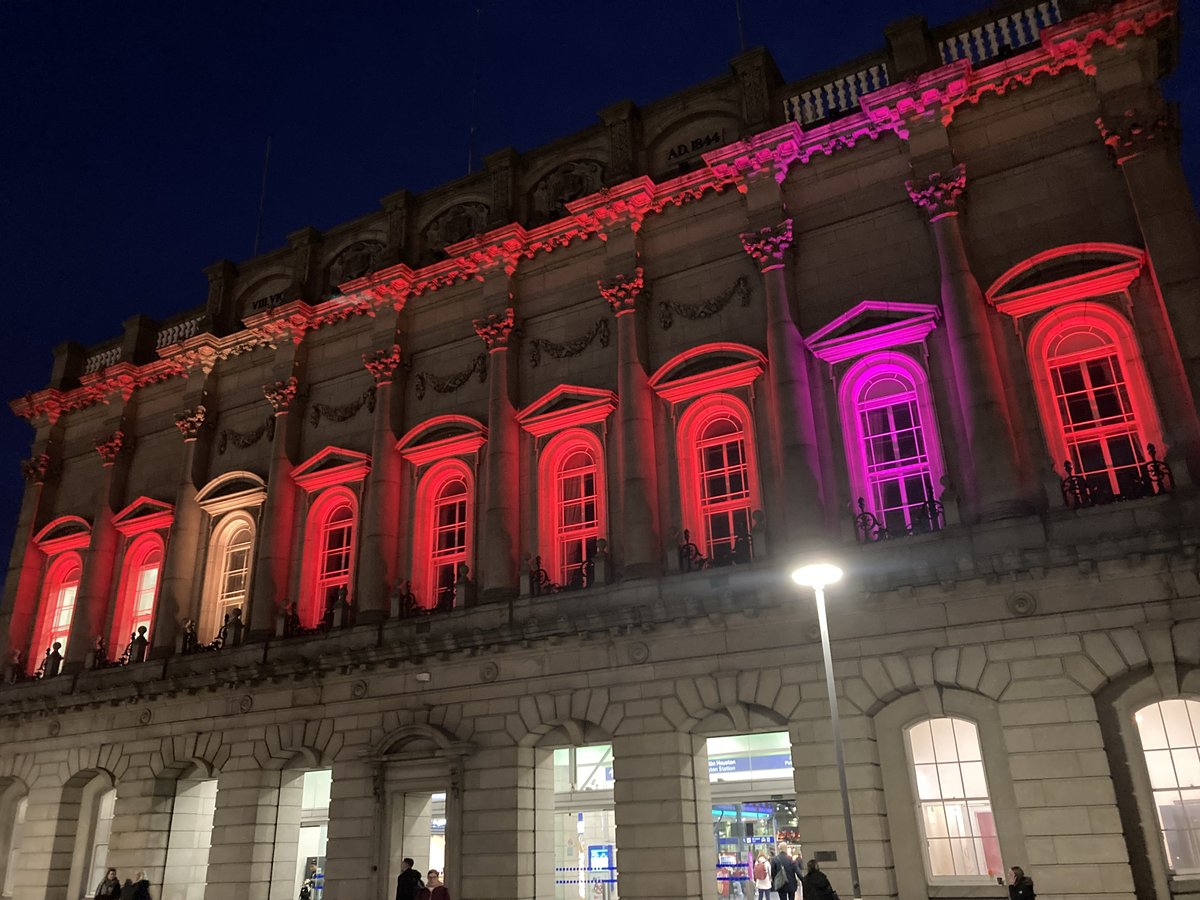
- Transport All Dublin branches are reachable by bus, Luas, and rail. Heuston Station is near Collins Barracks; Pearse Station serves Kildare Street and Merrion Street.
- Cafés & Shops Collins Barracks features a café; all sites have museum shops.
- Restrooms & Baby Facilities Available at all sites (dodublin.ie).
Guided Tours & Educational Events
- Free Tours Regular guided tours, including ISL interpretation and themed walks (e.g., Viking Ireland, Prehistoric Ireland, LGBTQIA+).
- Group Visits Email [email protected] for group arrangements.
- Workshops & Events Check museum events calendar for current programming.
Travel Tips & Getting There
- Plan Ahead Allocate at least 1–2 hours per site. Arrive early on weekdays to avoid crowds.
- Public Transport Use Luas, Dublin Bus, or train stations for easy access.
- Parking Paid public parking near each site; no dedicated museum lots.
- Family Friendly Interactive exhibits, nature trails, and workshops appeal to all ages.
Nearby Dublin Attractions
- Kildare Street & Merrion Street Trinity College (Book of Kells), National Gallery, St Stephen’s Green, Grafton Street.
- Collins Barracks Phoenix Park, Dublin Zoo, Kilmainham Gaol, Jameson Distillery.
Frequently Asked Questions (FAQ)
Q: Are tickets required to visit the National Museum of Ireland?
A: Admission is free for all branches. Special exhibitions may require timed tickets. (matadornetwork.com)
Q: What are the museum’s opening hours?
A: Tuesday–Saturday: 10:00–17:00; Sunday–Monday: 13:00–17:00. Check the official website for updates.
Q: Is the Natural History Museum open?
A: Closed for renovations as of June 2025.
Q: Is the museum accessible for visitors with disabilities?
A: Yes, all branches have accessible facilities.
Q: Can I take photos inside the museum?
A: Non-flash photography is generally permitted. Restrictions may apply in some exhibitions.
Q: Are guided tours available?
A: Yes, free guided tours and special themed walks are scheduled regularly.