
Foundations and Early Development
Founded in 1753 as the County Dublin Infirmary, the Meath Hospital was part of an 18th-century movement to provide structured medical care for the city’s poor. Initially located on Meath Street in the Liberties, the hospital was established in a densely populated and impoverished area, focusing its mission on serving the city’s most vulnerable residents. Despite limited resources, the hospital quickly became a center for medical innovation and education, with strong support from Dublin’s philanthropic community.
Architectural Evolution and Relocation
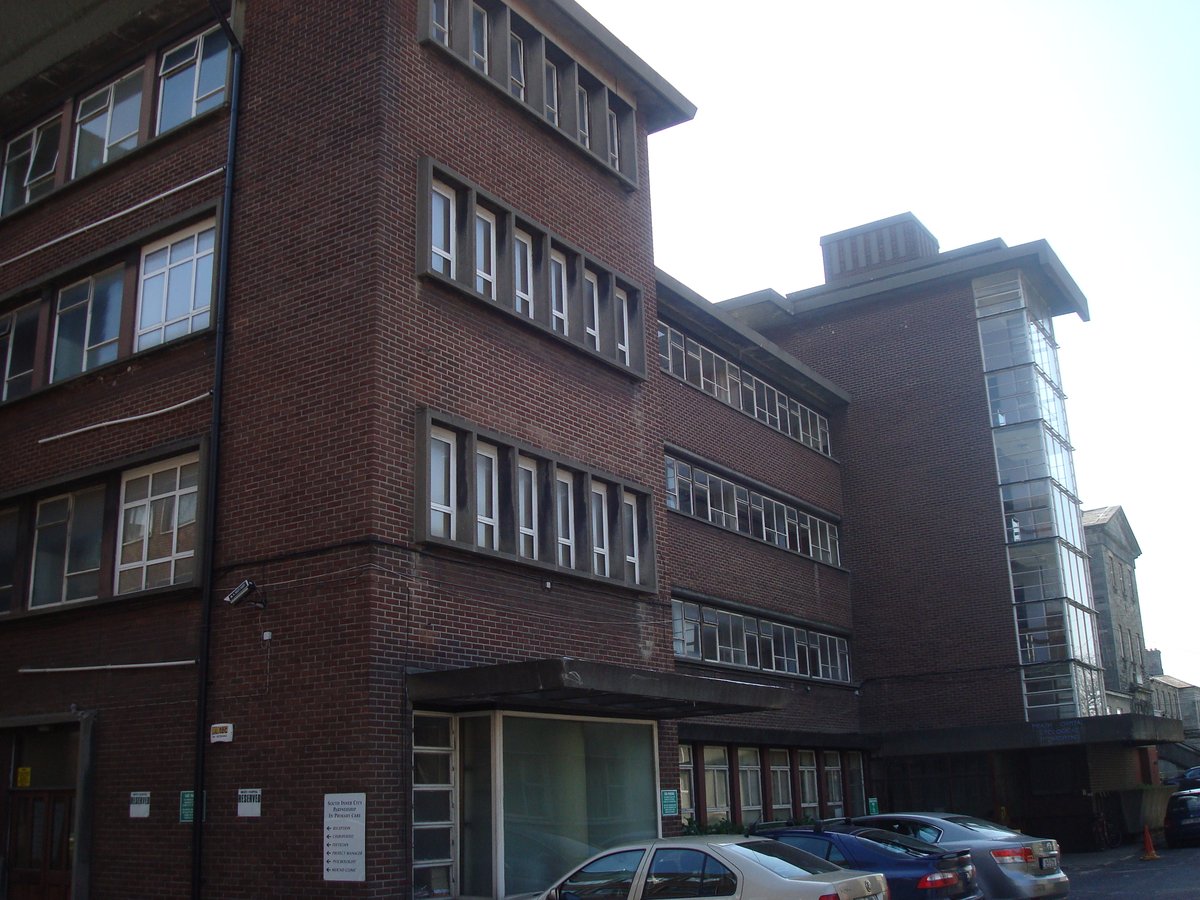
As demand for its services grew, the hospital’s original facilities proved inadequate. In 1822, Meath Hospital relocated to a purpose-built Georgian structure on Heytesbury Street, designed by William Deane Butler. This move marked a significant milestone, providing improved accommodation for patients and staff and expanded facilities for teaching and research. The building’s Georgian style featured symmetry, proportion, and an emphasis on ventilation and natural light, reflecting contemporary medical thinking about hygiene. The hospital underwent several expansions and renovations throughout the 19th and 20th centuries, evolving into a comprehensive medical campus. (Buildings of Ireland)
Medical Innovation and Notable Figures
The Meath Hospital’s legacy is closely linked to some of Ireland’s most distinguished physicians. Dr. Robert Graves, who revolutionized bedside teaching and described Graves’ disease, and Dr. William Stokes, a pioneer in the study of heart and lung diseases, both trained and taught here. The hospital served as a clinical school for Trinity College Dublin, and its emphasis on direct patient observation and practical teaching attracted students from across Europe. (Hekint)
Role in Public Health and Social Change
Throughout its history, the Meath Hospital played a vital role during epidemics of cholera, typhus, and tuberculosis, providing care to Dublin’s poorest residents. Its commitment to public health and social responsibility was a defining feature, and its archives offer a unique record of Dublin’s medical and social history spanning over two centuries.
Twentieth-Century Developments and Merger
In the 20th century, Meath Hospital adapted to shifts in healthcare policy and medical science. In 1998, it merged with the Adelaide and National Children’s Hospitals to form what is now Tallaght University Hospital, ending its independent operation but continuing its legacy through the successor institution. (Tallaght University Hospital)
Preservation and Heritage Status
The original Heytesbury Street building is protected under Dublin City Council’s Record of Protected Structures. Its Georgian façade and architectural features are recognized for their historical significance. The site is included in heritage events and walking tours, especially during National Heritage Week. (Dublin City Council Protected Structures, Heritage Week)
Visiting Meath Hospital: Hours, Tickets & Accessibility
- Visiting Hours There are no regular visiting hours as the building is not open to the public. Exterior viewing is possible at any time.
- Tickets & Entry No tickets are required for exterior viewing. Guided tours may be available during special events.
- Accessibility The site is accessible via public transport and is pedestrian-friendly, but interior access is restricted.
- Transport Tips Heytesbury Street is easily reached by Dublin Bus and is a short walk from the city center.
- Nearby Attractions The Liberties Market, St. Patrick’s Cathedral, and the Guinness Storehouse are within walking distance. (Spirited Isle)
Architectural Evolution and Site History
The hospital’s Georgian structure on Heytesbury Street is known for its symmetry, classical detailing, and large sash windows. The building’s design prioritized ventilation and natural light, reflecting advances in medical architecture. The complex expanded over time, with support from benefactors like the Guinness family, and included additional wings and ancillary buildings. Portions of the original Coombe building were preserved as monuments after its demolition. (Archiseek)
Artistic and Decorative Elements
While the hospital’s exterior was restrained, the interior included wide corridors, high ceilings, and modest decorative features. Portraits and plaques commemorated notable physicians, reinforcing the hospital’s dual legacy of medical and cultural significance. (Hekint)
Social and Cultural Significance
Meath Hospital was a hub for medical innovation, particularly during the 19th century, and a microcosm of Dublin’s social hierarchies. Its charitable mission and integration of teaching, research, and patient care made it a model for modern hospitals. The building’s governance and design reflected the social and religious divisions of its era, but also its ideals of service and inclusivity.
Current Status and Visitor Experience
- Building Use The hospital building now serves as a respite care facility and is not open to the public.
- Exterior Viewing Visitors can view and photograph the façade from Heytesbury Street.
- Guided Tours Occasional tours may be offered during heritage events; check with local organizations for current opportunities.
- Nearby Sights St. Patrick’s Cathedral, the Royal College of Surgeons, and the Coombe area.
Practical Visitor Tips
- Location Heytesbury Street, Dublin 8
- Access Exterior only; please respect the privacy of current residents
- Transport Accessible by Dublin Bus and on foot from the city center
- Photography Permitted from public streets; avoid photographing individuals or accessing private areas
Cultural and Literary Associations
Jonathan Swift and the Hospital Site
The hospital’s Heytesbury Street site occupies land once known as the Dean’s Vineyard, belonging to Jonathan Swift. Sections of the original wall built by Swift remain along Long Lane. (Irish Times; LITFL)
James Clarence Mangan and Brendan Behan
Both poets were patients at Meath Hospital, which is a testament to the institution’s place in the stories of Ireland’s literary figures. (Irish Times; LITFL)
Oliver St John Gogarty
Gogarty, a staff surgeon and poet, inspired the character Buck Mulligan in Joyce's Ulysses. The hospital honors him through a named ward. (LITFL)
Visitor Information: Planning Your Visit
- Address Heytesbury Street, Dublin 8, D08, Ireland
- Navigation Coordinates 53.334339141846, -6.268660068512 (Meath Hospital on the map)
- Phone (01) 453 6555
- Public Transport Served by Dublin Bus; Luas Red Line stops nearby at St. Stephen’s Green
- Access Exterior viewing; check with Meath Foundation or local historical societies for special events
- Nearby Amenities Cafés, restaurants, and shops in Dublin 8; St. Patrick’s Cathedral offers visitor services
Responsible Tourism
Please respect the hospital’s current use as a care facility. Do not trespass or disturb residents. Consider supporting preservation efforts by contacting local heritage organizations. (Spirited Isle)
Summary of Key Visitor Information
- The Meath Hospital is not open for public tours; exterior viewing only.
- No tickets or admission fees are required.
- Occasional guided tours may be offered during heritage events.
- The building is a landmark of medical, architectural, and literary history in Dublin.
- Respect the current use of the building as a care facility.
Discover More
The Meath Hospital remains a powerful symbol of Dublin’s medical and cultural evolution. While interior access is limited, a visit to its historic façade—combined with nearby literary and historical landmarks—offers a meaningful glimpse into the city’s layered past. For more information and updates on special events, consult heritage websites or download the Audiala app to access curated walking tours and insider tips. Support responsible tourism and help preserve Dublin’s historical treasures for future generations.
Audiala2024