
Early History and Founding
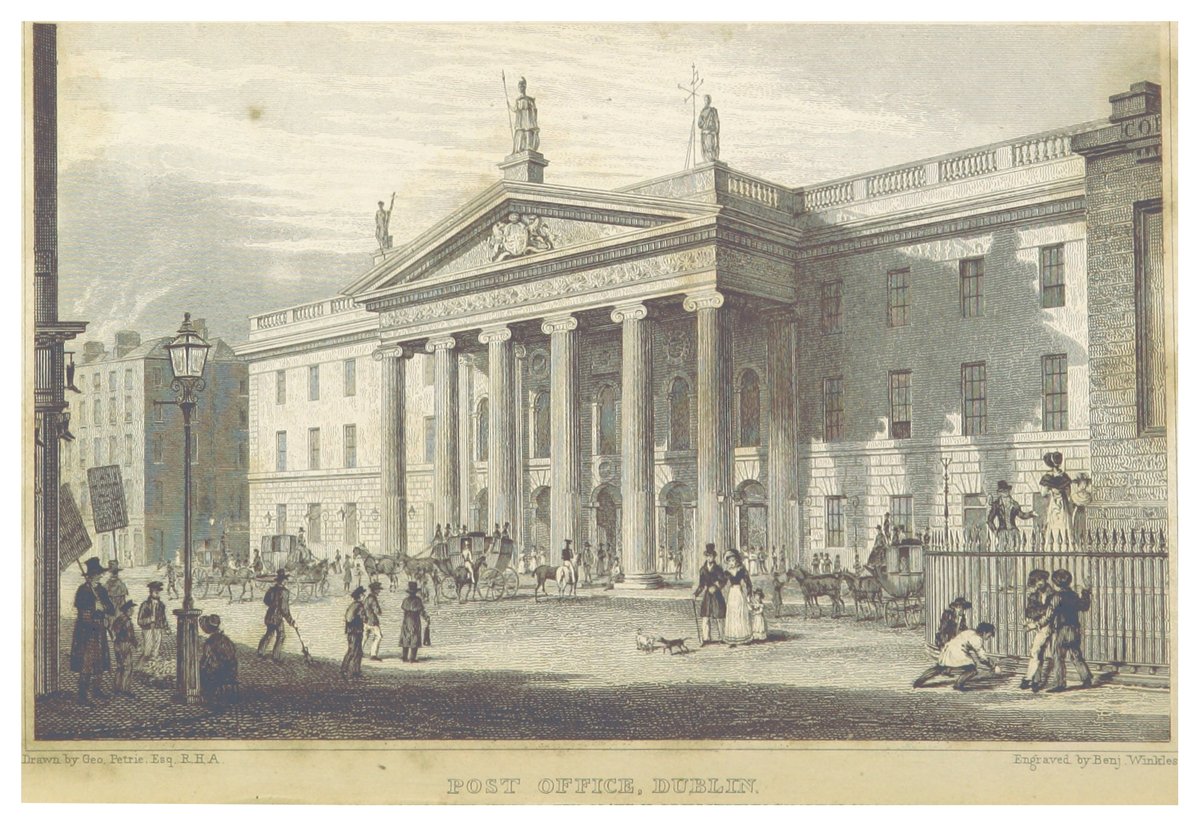
The origins of Ireland’s postal service trace back to the 17th century, with the GPO moving through several Dublin locations before the decision to build its current premises on Sackville Street (now O’Connell Street). The foundation stone was laid in 1814 by Charles Whitworth, then Lord Lieutenant of Ireland, and the building opened in 1818 to serve as the country’s primary postal hub (General Post Office, Dublin - Wikipedia; Irish History: The GPO Dublin; Buildings of Ireland: The General Post Office).
Architectural Features and Restoration
Design and Construction
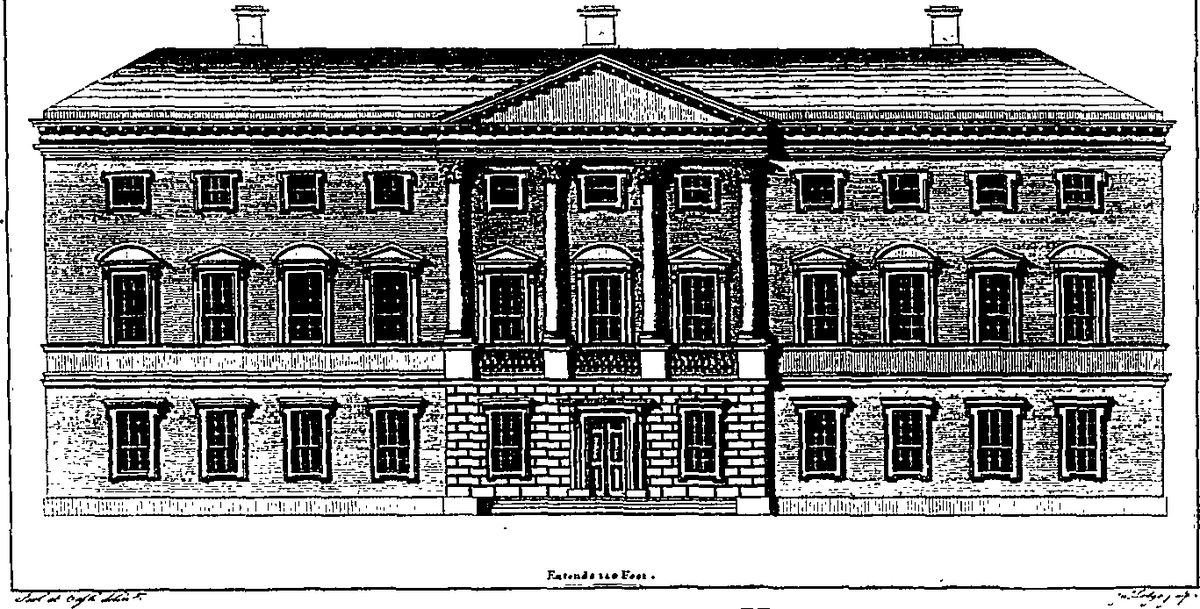
Francis Johnston’s design for the GPO epitomizes Greek Revival style, with a stately portico supported by six Ionic columns made from Portland stone, while the remainder of the exterior uses Wicklow granite. Above the portico, three statues by John Smyth represent Mercury (commerce), Fidelity, and Hibernia (Ireland), underscoring the building’s symbolic function (Irish History: The GPO Dublin; General Post Office, Dublin - Wikipedia).
Restoration and Modernization
Severely damaged by artillery and fire during the Easter Rising, the GPO’s façade survived, but its interior was reconstructed after the rebellion. The restoration, completed in 1929, removed British symbols and restored the building’s civic purpose under the newly independent Irish state (GPO Museum; Irish History: The GPO Dublin).
The GPO’s Role in Irish History
The 1916 Easter Rising
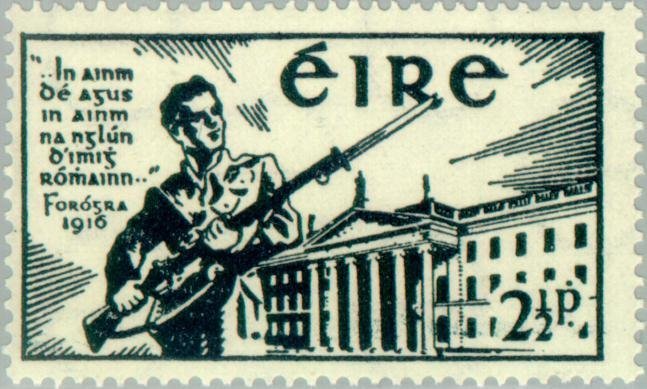
During the Easter Rising, the GPO was seized by Irish Volunteers and the Irish Citizen Army, led by Patrick Pearse and James Connolly. The reading of the Proclamation of the Irish Republic from its steps marked a defining moment in the fight for independence. The occupation lasted six days, ending only after heavy shelling forced the rebels’ surrender. The building’s bullet-scarred columns remain as visible testimony to the events (The Irish Road Trip; RTE Century Ireland; Irish Star).
Commemoration and Legacy
The GPO continues to host commemorative events and serves as a pilgrimage site for those interested in Ireland’s history. The GPO Witness History Visitor Centre was established in 2016 to coincide with the centenary of the Rising, providing engaging exhibits and multimedia interpretation (Visit Dublin City).
GPO Dublin Visiting Hours & Ticket Information
Opening Hours
- Museum (GPO Witness History Visitor Centre)
Typically open Monday to Saturday, 10:00 AM – 5:00 PM (last admission 4:00 PM). Closed Sundays and public holidays. Always check the official website for current hours. - Post Office
Monday to Friday, 8:30 AM – 6:00 PM (OpenTimeHours).
Tickets and Booking
- Admission
Adult tickets ~€17.00; children ~€8.50; discounts for seniors, students, and families.
Book online for best prices and to guarantee entry, especially during busy periods. - Passes
Entry included with the Dublin Pass and Go City Explorer Pass (Tiqets).
Visitor Experience and Facilities
Museum Highlights
- Interactive Digital Exhibits Touchscreens, immersive displays, and re-creations of 1916 events.
- Historical Artifacts Original weapons, uniforms, personal belongings, and an original copy of the 1916 Proclamation.
- Audio & Visual Presentations Dramatized readings and archival recordings.
- Family-Friendly Activities Morse code stations and hands-on displays (Tiqets; VisitDublin).
Tours
- Guided Tours Available in English, German, French, and Italian.
- Audio Guides Available in multiple languages.
Amenities
- Gift Shop Books, souvenirs, Irish-themed gifts.
- Restrooms Fully accessible.
- Café No on-site café, but many options are available on O’Connell Street.
Tips for Visiting & Accessibility
- Accessibility
The museum and post office are fully wheelchair accessible, with ramps, lifts, and accessible restrooms. Staff are trained to assist visitors with additional needs (Tiqets). - Best Times
Visit on weekday mornings or late afternoons for fewer crowds. - Photography
Permitted in most areas—check signage for restrictions. - Respectful Conduct
As a site of national remembrance, visitors are encouraged to be respectful, especially in commemorative areas.
Nearby Attractions
- O’Connell Street Statues and the Spire of Dublin.
- Trinity College & Book of Kells 10-minute walk south (ConnollyCove).
- EPIC The Irish Emigration Museum Short tram or taxi ride.
- Guinness Storehouse Reachable by public transport or a 30-minute walk (Tiqets).
- Abbey Theatre, Henry Street shopping district Steps away.
Frequently Asked Questions (FAQ)
What are the GPO Dublin opening hours?
Museum: Monday–Saturday, 10:00 AM–5:00 PM (last admission 4:00 PM).
Post Office: Monday–Friday, 8:30 AM–6:00 PM.
How much are tickets?
Adults: ~€17.00; children: ~€8.50; discounts available. Book online for best value.
Is the GPO wheelchair accessible?
Yes, including toilets, lifts, and staff assistance.
Are guided tours available?
Yes, in several languages. Audio guides are also available.
Can I take photos inside?
Generally yes, except where signage indicates otherwise.
Summary & Final Tips
The General Post Office is a must-see for anyone interested in Irish history, culture, and architecture. Its central location, accessible facilities, and engaging museum exhibits make it suitable for solo travelers, families, and groups. For the best experience, check current hours, book tickets online, and consider combining your visit with other nearby Dublin attractions. Enhance your visit by downloading the Audiala app for audio guides and travel updates, and follow our social media channels for the latest on events and exhibitions.
The GPO is more than a building: it’s a testament to Ireland’s enduring spirit, a living monument to the country’s past, present, and future.