Origins and Architectural Development
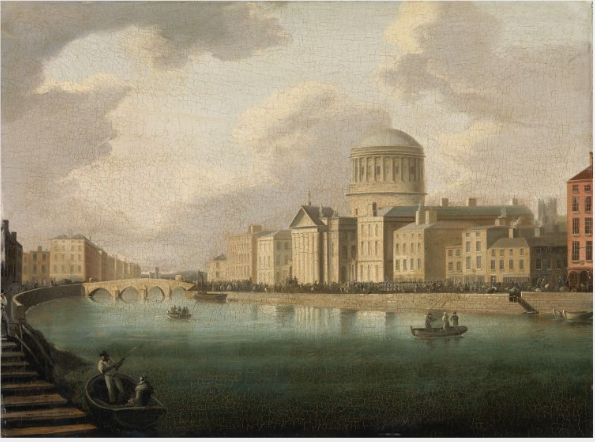
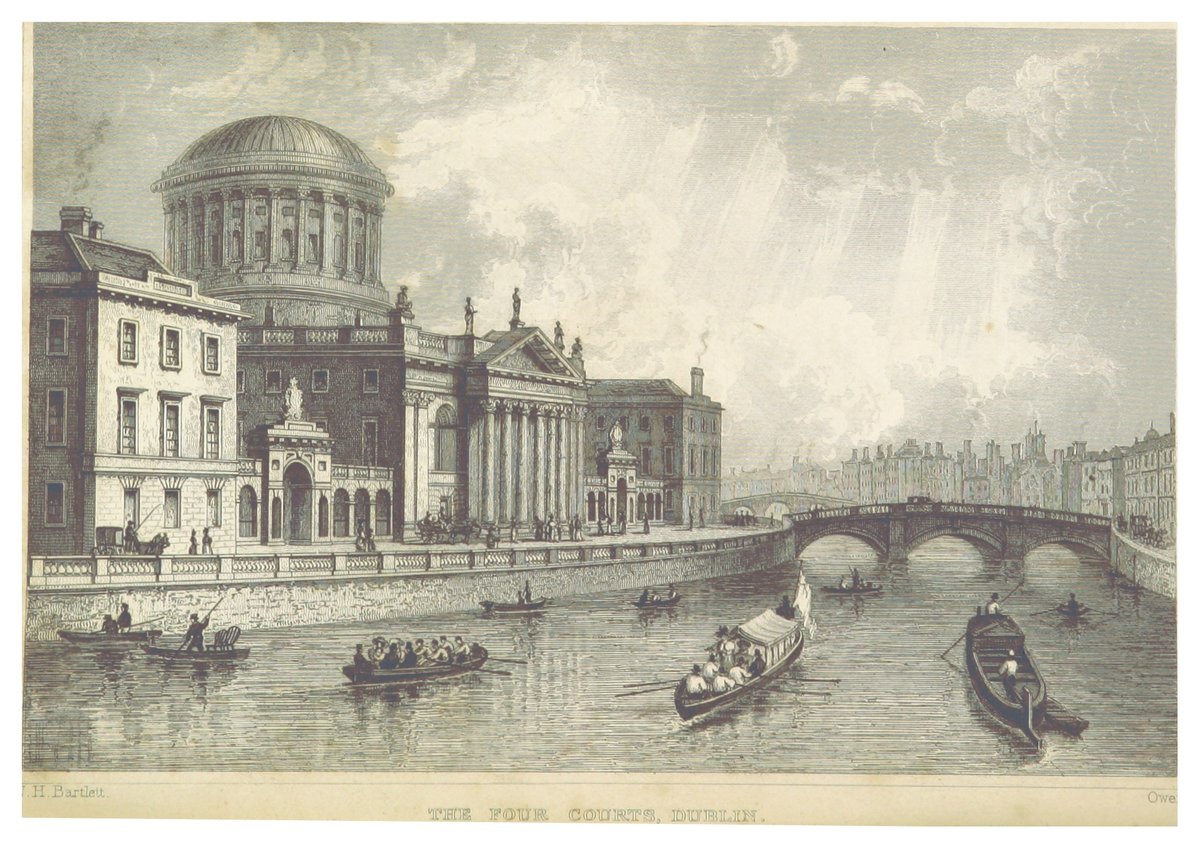
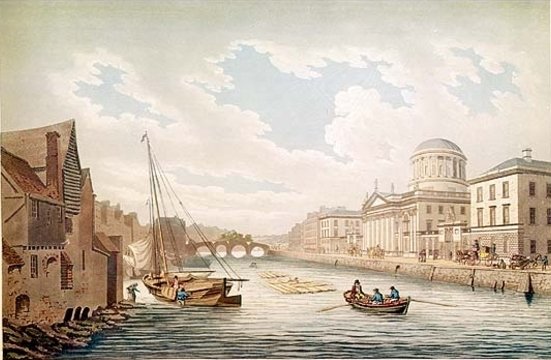
The Four Courts’ genesis lies in the late 18th century, when Dublin’s growing legal system outpaced its scattered facilities. The decision to centralize the courts on Inns Quay was driven by practical necessity and shaped by political influence, with Welbore Ellis MP securing the location (Ruth Cannon). Construction began in 1786 under James Gandon, whose neoclassical vision produced a monumental civic structure characterized by a central dome, imposing Corinthian columns, and a symmetrical façade facing the Liffey (Irish Reports; ArchitectureTravels).
The architectural centerpiece is the Round Hall, capped by a copper-clad dome that remains a focal point of Dublin’s skyline. The original layout radiated four courtrooms from the central rotunda—Chancery, King’s Bench, Exchequer, and Common Pleas—emphasizing the building’s role as Ireland’s legal hub. Statues by Edward Smyth atop the portico symbolize the virtues of Irish law (Visit Dublin).
Historical Role and Social Life
Throughout the 19th century, the Four Courts was not only the epicenter of Ireland’s legal profession but also a vibrant social space. The surrounding area evolved with infrastructure developments and lively gatherings, including ballad singers, high-profile trials, and even duels mediated by famous barristers like Daniel O’Connell (Ruth Cannon). The Law Library became a professional hub, and the building itself a byword for legal culture and civic engagement.
Guidebooks and contemporary accounts describe the Round Hall as bustling during term time, with legal professionals and the public mingling in pursuit of justice or out of curiosity (Ruth Cannon). The Four Courts’ reputation as a social and civic landmark was matched only by Dublin Castle.
The Four Courts and the Irish Revolution
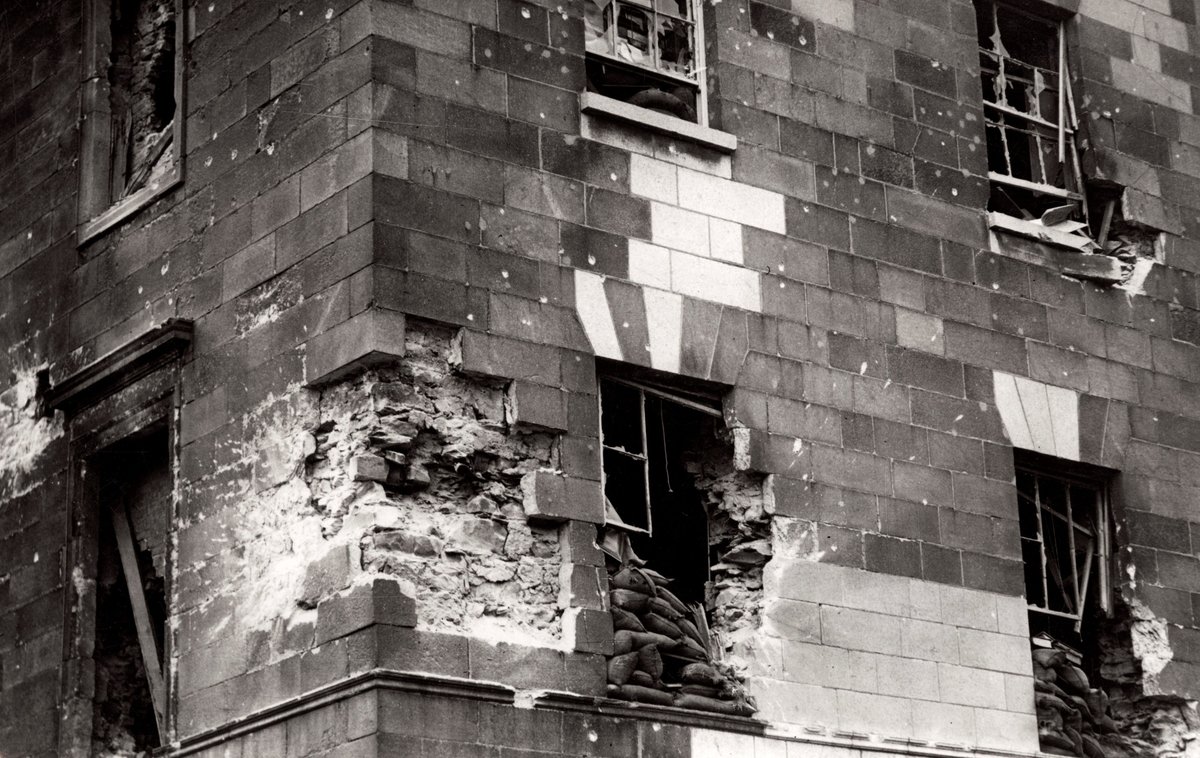
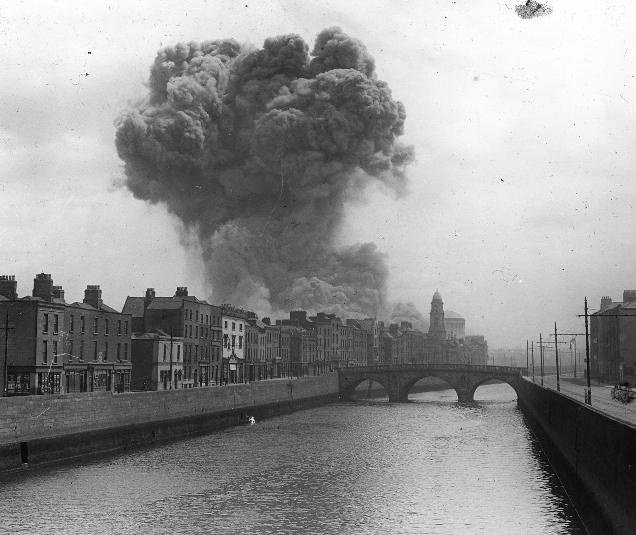
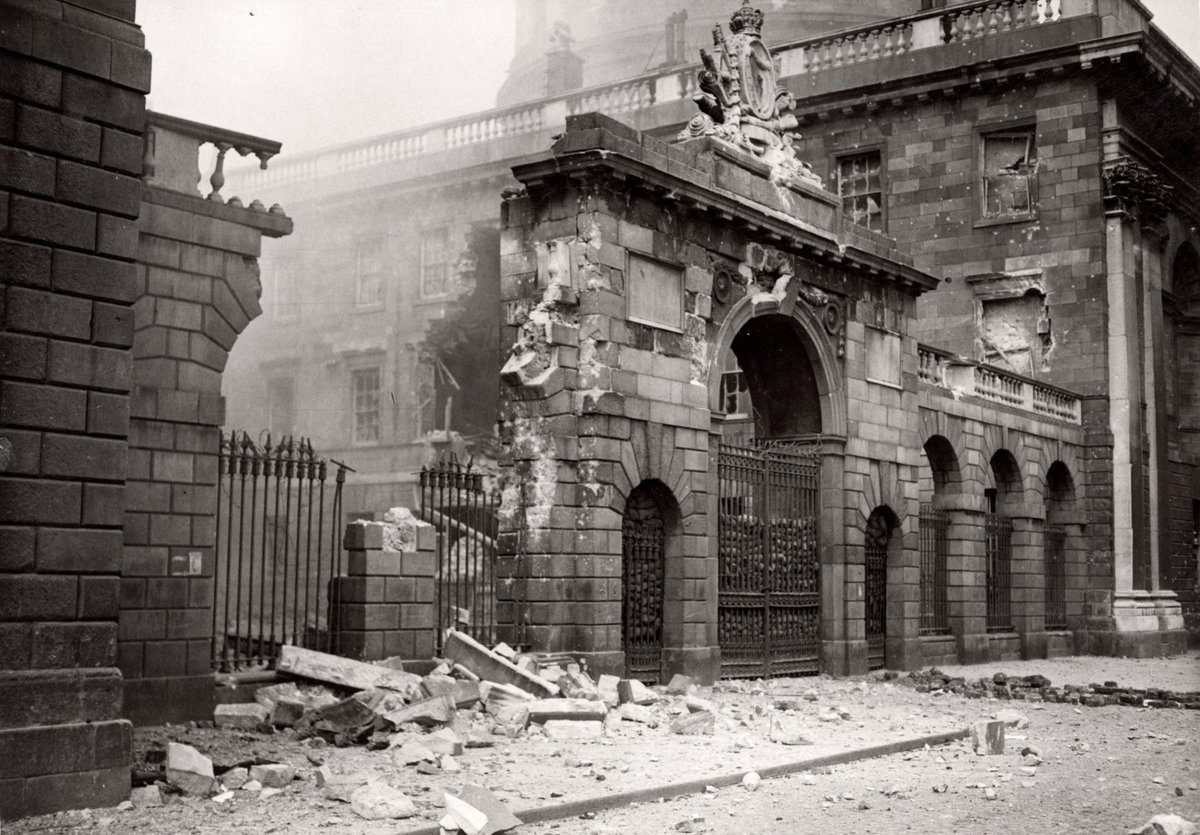
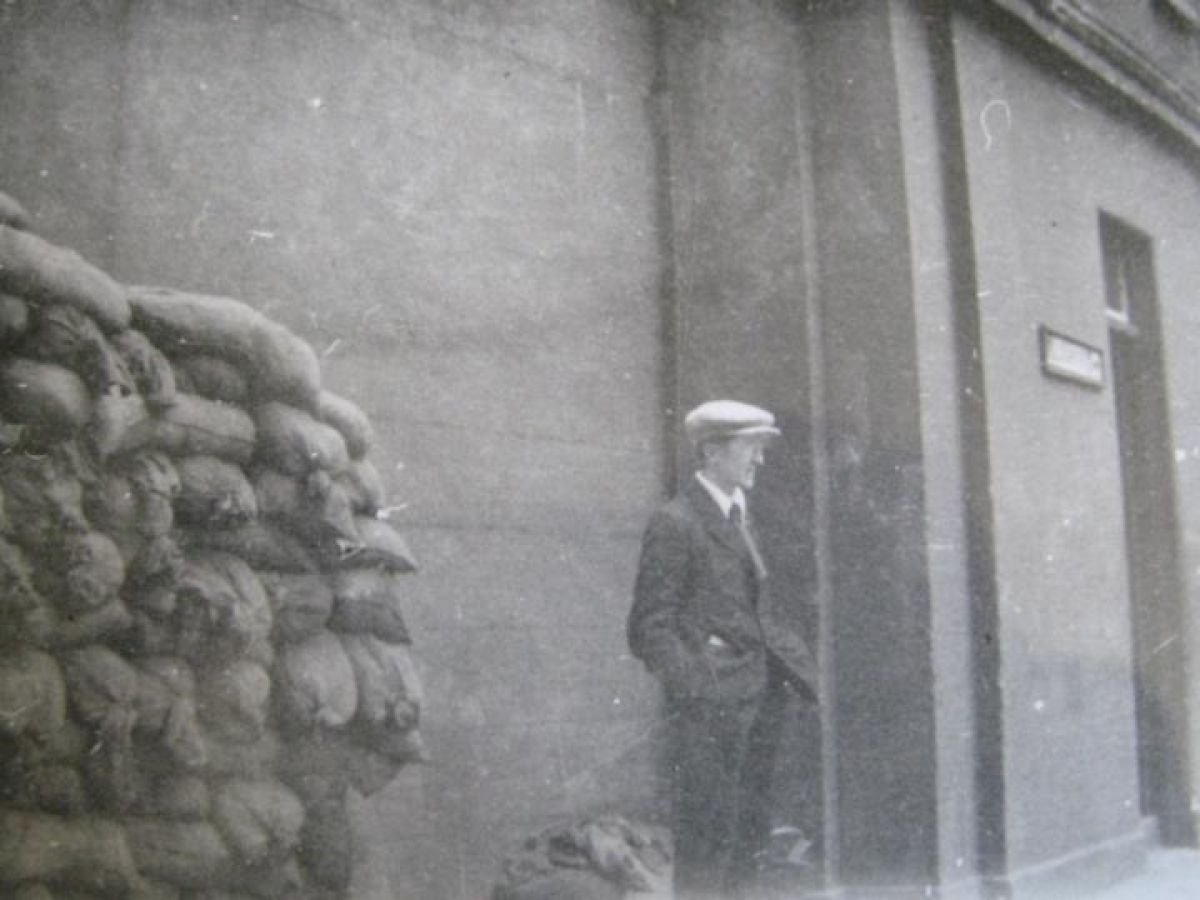
The Four Courts’ place in Irish history was cemented during the early 20th century. In April 1922, anti-Treaty forces occupied the complex, using it as their headquarters. The ensuing siege and bombardment by the Provisional Government in June 1922 led to a devastating fire, destroying the Record Treasury and centuries of archives (Silicon Republic; Irish Central). Bullet holes and scars from this conflict remain visible on the building’s façade, a poignant testament to its turbulent past.
Reconstruction and the Free State Judiciary
Following the destruction, court functions temporarily moved to Dublin Castle. Restoration of the Four Courts took nearly a decade, with the building reopening in 1932 (Dublin Castle). During this period, the Irish Free State restructured its judiciary, establishing new courts and breaking with the British legal framework. The restored Four Courts preserved much of Gandon’s original vision, blending historic grandeur with updated facilities.
Modern-Day Functions and Restoration
Today, the Four Courts house the Supreme Court, Court of Appeal, High Court, and Dublin Circuit Court. The Law Library continues as the heart of Ireland’s legal profession (Ruth Cannon). The legacy of the 1922 fire endures, and a recent digital reconstruction project, launched in June 2025, uses cutting-edge technology to virtually restore the lost records and deepen historical understanding (Silicon Republic; Irish Central).
Visiting the Four Courts: Hours, Tickets, and Accessibility
- Visiting Hours The Four Courts are open to the public Monday to Friday, generally from 10:00 AM to 4:00 PM; closed on weekends and public holidays. Hours may vary during court sessions—check the Courts Service website for current details.
- Admission Entry is free; no tickets are required for public access or to observe court proceedings.
- Accessibility The building is wheelchair accessible with ramps and lifts available. Assistance for visitors with disabilities can be arranged upon request.
Security screening is required upon entry, similar to airport protocols. Photography is generally prohibited inside to maintain privacy and order.
Tours, Special Events, and Photo Opportunities
- Guided Tours Special tours may be available during cultural festivals or by arrangement with the Courts Service. These provide historical context and access to architectural highlights.
- Special Events Occasional lectures, exhibitions, and cultural events are hosted on-site—check for updates on the Courts Service website.
- Photography The neoclassical façade, dome, and riverside views offer excellent external photo opportunities. Interior photography is restricted.
Tips for Visitors and Nearby Attractions
- Dress Code Smart-casual attire is advised due to the formal nature of court environments.
- Nearby Attractions The Four Courts are centrally located, making it easy to combine your visit with Dublin’s other historic sites:
- Dublin Castle
- Christ Church Cathedral
- St Michan’s Church
- [Temple Bar District]
- [River Liffey Quays]
Public transport options include Dublin Bus and the Luas tram (Smithfield stop). Parking is limited; public transit or walking is recommended.
Frequently Asked Questions (FAQ)
Q: What are the Four Courts visiting hours?
A: Monday to Friday, typically 10:00 AM–4:00 PM; closed weekends and public holidays.
Q: Is there an entry fee or ticket required?
A: No; entry is free for all visitors.
Q: Can visitors attend court sessions?
A: Yes, some proceedings are open to the public. Check schedules for specific courts.
Q: Are guided tours available?
A: Occasionally, by arrangement or during cultural festivals.
Q: Is the Four Courts accessible for visitors with disabilities?
A: Yes, the building is wheelchair accessible.
Q: Are photographs permitted?
A: Exterior photography is allowed; interior photography is generally prohibited.
Q: What nearby attractions are recommended?
A: Dublin Castle, Christ Church Cathedral, St Michan’s Church, and Temple Bar.
Summary
The Four Courts in Dublin is a living monument to Irish legal tradition, architectural brilliance, and national resilience. Its neoclassical design by James Gandon, its role as the epicenter of the Irish judiciary, and its enduring scars from the Civil War make it an essential stop for anyone interested in Ireland’s history or culture. Free weekday public access, accessibility features, and proximity to other major Dublin historical sites ensure a rewarding visit. The recent digital reconstruction of lost archives further enhances its educational value, offering new ways to connect with Ireland’s past (Ruth Cannon; Irish Times; Silicon Republic).
Plan your visit, check current hours, and take time to explore nearby attractions. For more insights, download the Audiala app for audio tours and follow us on social media for updates and historical features.