Eblana and Dublin
Dublin, the capital of the Republic of Ireland, blends ancient origins with a vibrant modern culture. One of its earliest historical references is “Eblana,” a settlement mentioned by the Greek geographer Claudius Ptolemy around 140 AD. Its exact location is still debated, but it is widely associated with the area that now comprises modern Dublin and its surroundings, connecting Ireland’s early past to Roman and Celtic worlds (Eblana: Exploring Dublin’s Ancient Origins and Visitor Guide).
Dublin is compact and walkable, with public transport, guided tours, museums, medieval cathedrals and cultural events. Its archaeological sites and museums connect visitors with the city’s prehistoric, Viking and medieval past (Exploring Dublin’s Archaeological Sites: Visiting Hours, Tickets, and Historical Highlights). Seasonal events such as St. Patrick’s Festival and Bloomsday add to the city’s cultural calendar (Visitor Information and Seasonal Events).
History
Ptolemy’s Geographia places Eblana on Ireland’s east coast, and one account identifies it near the River Liffey. Some scholars associate it with modern Dublin; others suggest locations such as Loughshinny or Drumanagh, where Roman-era artifacts have been found. Whether Eblana was a trading hub with links to Roman Britain and the wider Roman world, or a Gaelic stronghold, remains uncertain.
Evidence of habitation in the area predates Eblana’s written record. Neolithic artifacts and excavations at Wood Quay and Christchurch Place point to settlement from the Neolithic through the Iron Age (HeyDublin.ie). Evidence of earlier Gaelic settlement near Áth Cliath also points to a long history of habitation.
Norse settlers founded the first known urban centre, Dyflin, in 841 AD, developing Dublin into a trading hub. Finds at Wood Quay and Fishamble Street include Norse houses and imported goods. After the Norman invasion in 1170, Dublin expanded with the construction of Dublin Castle and major cathedrals; medieval walls and church remains can still be explored (Maldron Hotels).
Dublin’s archaeological record reflects Celtic, Norse, Norman and English influences. The Book of Kells at Trinity College is an example of the city’s medieval scholarship. Wood Quay yielded over 100,000 artifacts, Dublin Castle welcomes around 250,000 visitors annually, and the city has more than 8,000 protected structures (Maldron Hotels). Heritage laws protect major sites, supported by local preservation groups (HeyDublin.ie).
What to See
There is no specific site officially identified as Eblana, and no ruins bear its name. Dublin’s sites and collections offer ways to explore the settlement’s possible context and the city’s later history.
Archaeological Sites and Museums
- Drumanagh Fort North of Dublin, this open archaeological site has yielded Roman artifacts linked to ancient trade.
- Wood Quay Outdoor panels mark the location of major Viking discoveries.
- Dublinia and the Viking World Museum Interactive exhibits cover Viking and medieval Dublin.
- National Museum of Ireland – Archaeology Collections include artifacts from Ireland’s earliest periods and from across its history.
- Christchurch Place Excavations have uncovered evidence of habitation from the Neolithic through the Iron Age.
Historic Landmarks
- Dublin Castle A major landmark associated with Dublin’s medieval expansion.
- Christ Church Cathedral Medieval architecture and a long history.
- St. Patrick’s Cathedral A historic cathedral.
- Trinity College and the Book of Kells The Book of Kells is among the city’s notable medieval treasures.
- Kilmainham Gaol A historic site open to visitors.
- GPO Witness History Centre A visitor centre.
Other Experiences and Attractions
- Guinness Storehouse and Jameson Distillery Bow St.: Visitor attractions with ticketed entry.
- Temple Bar District Known for its nightlife and art scene; the historic neighbourhood also features in Dublin’s living heritage (HeyDublin.ie).
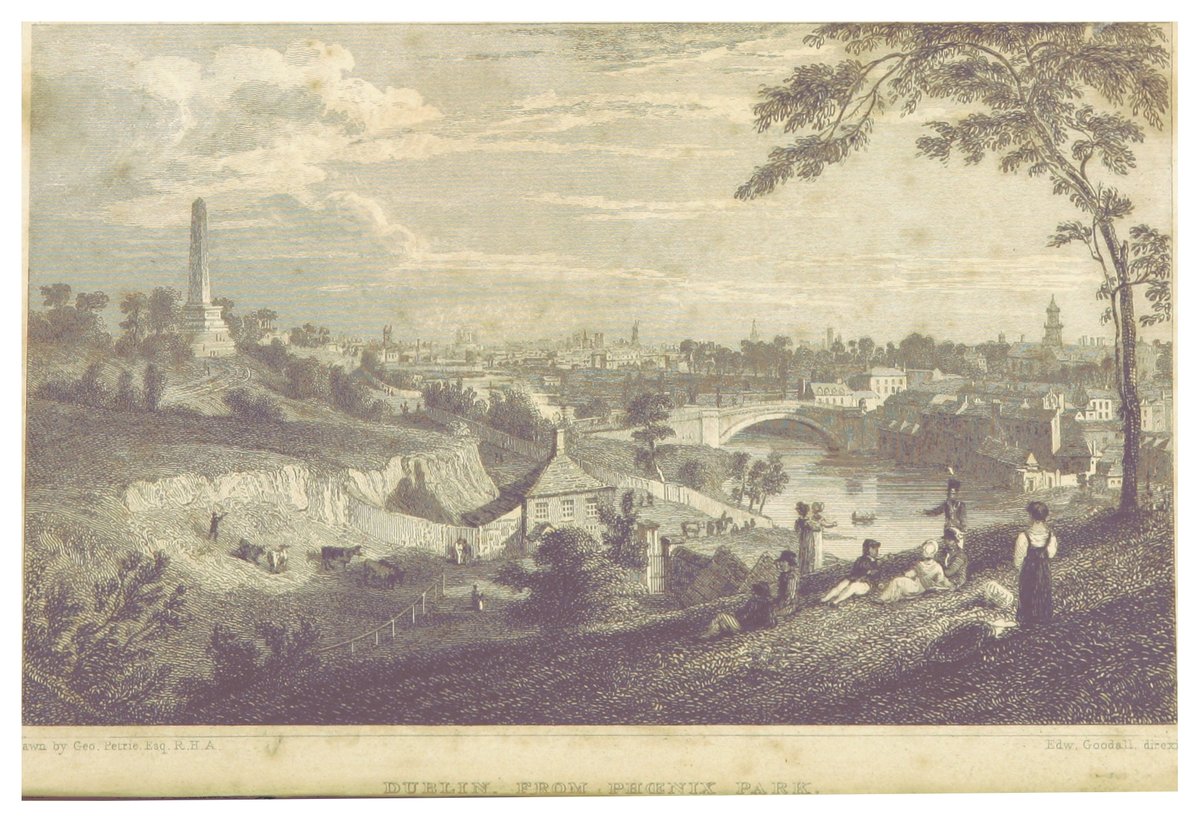
- Phoenix Park Home to Dublin Zoo and Áras an Uachtaráin.
- Jeanie Johnston Tall Ship Offers guided famine ship tours.
- Molly Malone Statue A classic photo stop.
- Literary Pub Crawls Explore Dublin’s literary heritage.
- Viking Splash Tours Land and water tours of historic sites.
- River Liffey Quays Photogenic views central to Dublin’s history.
- St. Audoen’s Church A historic site mentioned as a hidden gem.
Practical Visiting Information
Opening Hours and Tickets
Opening hours and ticket prices vary by site. Most museums open from 9:30 AM to 5:00 PM; the National Museum of Ireland branches are listed as open 10:00 AM–5:00 PM. Check official sites for seasonal variations.
| Site | Visiting information |
|---|---|
| Dublin Castle | Open daily 9:45 AM–5:45 PM. Adult tickets are listed as €14, €12–€14, and approximately €12. (Dublin Castle official website; Visit Dublin Castle) |
| Christ Church Cathedral | Open daily 9:00 AM–5:00 PM, or Monday–Saturday 9:00 AM–5:00 PM and Sunday 12:00–3:00 PM. Adult tickets €8; guided tours are available. (Christ Church Cathedral) |
| St. Patrick’s Cathedral | Open daily 9:30 AM–5:00 PM. Adult tickets €8. (St. Patrick’s Cathedral) |
| Trinity College and the Book of Kells | Open daily 9:30 AM–5:00 PM. Adult tickets €16. (Trinity College) |
| GPO Witness History Centre | Open Thursday–Sunday, 10:00 AM–5:00 PM. Tickets €8. |
| National Museum of Ireland | Three branches, all offering free entry; listed hours are 10:00 AM–5:00 PM. |
| Dublinia | Open daily 10:00 AM–5:30 PM. Adult tickets €12; another listed price range is €8–€12. |
| EPIC The Irish Emigration Museum | Open daily 10:00 AM–6:00 PM. Adult tickets €16. |
| Little Museum of Dublin | Open Tuesday–Sunday, 10:00 AM–6:00 PM. Adult tickets €10. |
| Glasnevin Cemetery Museum | Open daily 9:30 AM–5:00 PM. Adult tickets €12. |
| Museum of Literature Ireland (MoLI) | Open Tuesday–Saturday 10:00 AM–5:00 PM and Sunday 12:00–5:00 PM. Adult tickets €9. |
| Guinness Storehouse | Open daily 9:30 AM–7:00 PM. Tickets from €25. |
| Jameson Distillery Bow St. | Open daily 10:00 AM–6:00 PM. Tickets from €25. |
| Kilmainham Gaol | Open 9:00 AM–5:30 PM. Tickets €9. (Kilmainham Gaol) |
| Drumanagh Fort | An open archaeological site; it is free to visit. |
Getting Around and Accessibility
Dublin is walkable and has public transport, including buses, trams and trains. A Leap Card can be used for buses, trams and trains and may offer savings. Cycling is encouraged, with bike-sharing schemes available (Visit Dublin).
Drumanagh is accessible by bus followed by a short walk; guided tours are also available. Major museums are wheelchair accessible, and disability facilities are standard at major museums. Most major sites and transport options are adapted, though visitors should check accessibility details for each venue. Dublin has adapted facilities at most sites and accommodations (Visit Dublin).
Accommodation, Money and Discount Cards
Accommodation ranges from luxury hotels to hostels. Availability is limited during festivals, so book early (GoWithGuide).
The euro is Dublin’s currency. Cards are widely accepted and ATMs are plentiful. A reusable shopping bag avoids the plastic bag levy (Visit Dublin).
Dublin Pass and Go City Dublin offer bundled entry and discounts for major attractions; they may also include public transport benefits (Go City). Many museums are free, while premium attractions require tickets.
Seasonal Events
- Spring St. Patrick’s Festival on March 17, with parades and concerts (Ceol Digital).
- Summer Dublin Pride Parade on June 1, Bloomsday on June 16, and Longitude Festival on July 5–6, among other events.
- Autumn Dublin Fringe Festival and Theatre Festival.
- Winter Christmas markets and New Year celebrations.
St. Patrick’s Festival, Bloomsday and other events, along with historic neighbourhoods such as Temple Bar, animate Dublin’s living heritage (HeyDublin.ie).
Tips
- Book tickets online for major sites and book tickets and accommodation well in advance for popular sites and festivals.
- Join themed walking tours; some tours discuss Eblana and visit relevant sites.
- Museums offer family-friendly and interactive experiences.
- Use public transport or walk during busy festivals, and dress for changeable weather.
- Check accessibility details for each location.
- The Audiala app offers expert audio guides, interactive maps and up-to-date event information about Dublin’s ancient history.
Frequently Asked Questions
Can I visit the exact site of Eblana today?
No specific site has been identified as Eblana, but nearby sites and museums provide context and artifacts from the era.
Are there guided tours focusing on Eblana?
Some walking tours discuss Eblana and visit relevant sites.
Is there an entry fee for these sites?
The National Museum is free, Dublinia charges admission, and Drumanagh is free to visit.
How do I reach Drumanagh from the city centre?
Take a bus followed by a short walk, or join a guided tour.
Are these sites suitable for families?
Yes. Most are family-friendly and offer interactive exhibits.
What are typical visiting hours for major sites?
Most open between 9:00 and 10:00 AM and close between 5:00 and 6:00 PM; check individual sites for details.
Is advance booking necessary?
It is recommended, especially for popular sites and festivals.
Are there discount passes?
Yes. Dublin Pass and Go City Dublin offer bundled entry to attractions and discounts.
Is Dublin accessible for travelers with disabilities?
Most sites and transport options are adapted.