
History and Cultural Significance
Origins and Construction
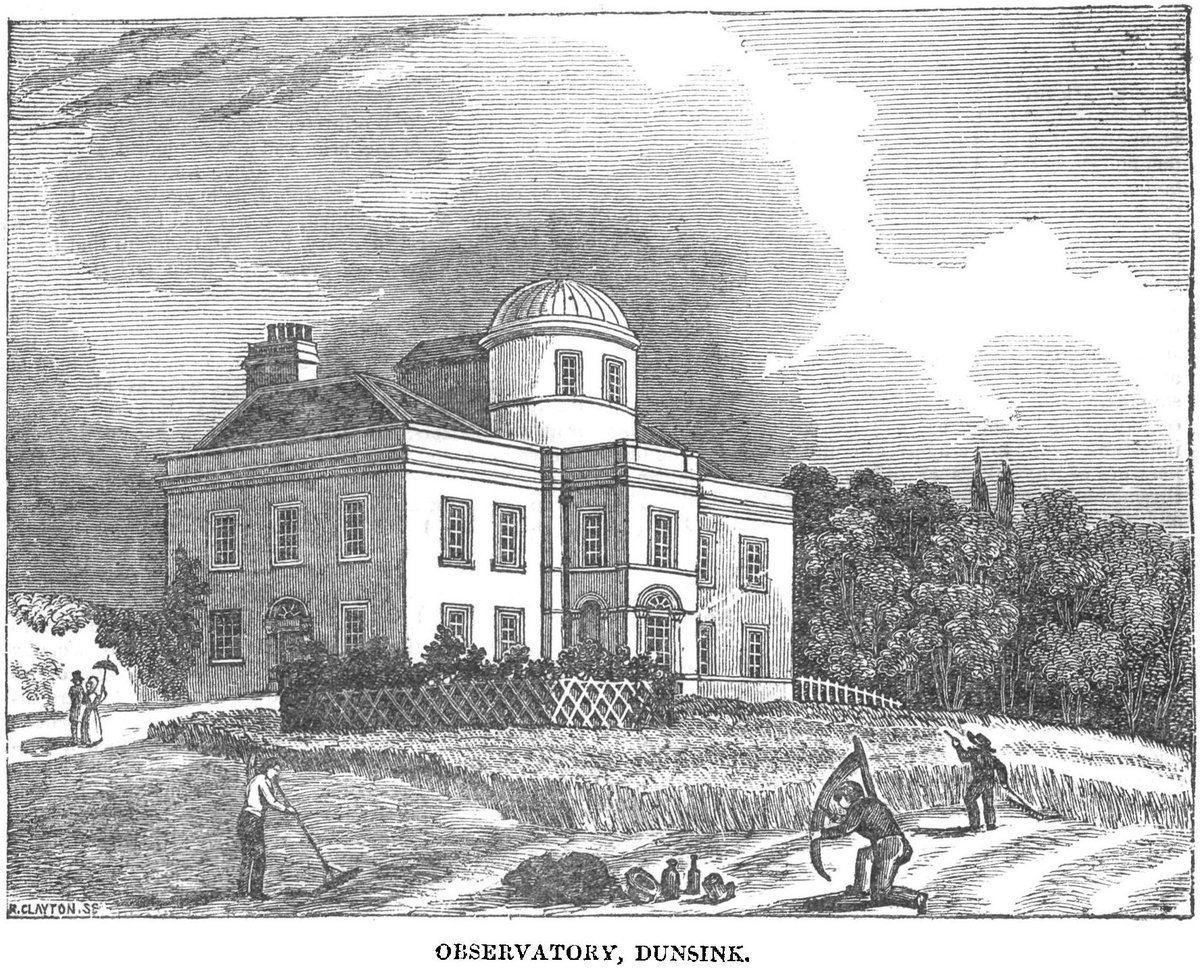
Commissioned by Trinity College Dublin and completed in 1785, Dunsink Observatory was Ireland’s first building dedicated exclusively to scientific research. Its innovative L-shaped layout and one of Europe’s earliest rotatable domes reflect the Enlightenment ideals and scientific ambitions of late 18th-century Ireland.
Scientific Legacy and Notable Figures
Dunsink quickly became a center for astronomical research, with the installation of advanced instruments including the Grubb Refractor telescope. The observatory’s most celebrated figure, Sir William Rowan Hamilton, served as Royal Astronomer of Ireland from 1827 to 1865. Hamilton’s breakthroughs in mathematics—especially his invention of quaternions—are commemorated throughout the site.
Dunsink’s contributions to time measurement, planetary observation, and stellar mapping positioned it as a leader in European astronomy. The observatory’s well-preserved architecture and scientific instruments continue to attract researchers and visitors alike.
Preservation and Modern Role
Now managed by the Dublin Institute for Advanced Studies (DIAS), Dunsink Observatory remains active in astrophysical research and science outreach. Its nomination for UNESCO World Heritage status highlights its importance in both Irish and international scientific heritage.
Planning Your Visit
Visiting Hours and Ticket Booking
Dunsink Observatory is not open daily and operates on a schedule of special public events, mostly from October to March:
- Public Visitor Nights Held twice monthly, typically in the evening.
- Hours Events usually run from 7:30 PM to 10:30 PM.
- Tickets Advance booking is essential due to limited capacity. Most events are free; some special activities may have a fee. Reserve your place via the Dunsink Observatory Eventbrite page or the official events calendar.
Getting There: Location and Transport
Address:
Dunsink Lane, Castleknock, Dublin 15, Ireland
- By Car Easily accessible via the N3 and M50 motorways. Limited on-site parking is available.
- By Public Transport The closest train station is Ashtown (Dublin–Maynooth line), about a 30-minute walk from the Observatory. Several Dublin Bus routes serve the surrounding area; check schedules and prepare for a short walk.
- Accessibility Some areas may have limited wheelchair access due to the historic nature of the site. Contact the Observatory in advance for assistance.
Accessibility
Most public areas are wheelchair accessible with prior arrangement. For specific needs, contact Dunsink staff in advance (DIAS Dunsink Observatory).
Visitor Experience
Guided Tours and Educational Programs
Guided tours are offered during scheduled open nights and special events, led by DIAS astronomers and researchers. Visitors can:
- Explore the historic Grubb Refractor telescope and original dome.
- Learn about Hamilton’s mathematical discoveries (The Irish Times).
- Visit the library with rare scientific texts and artifacts.
- Participate in hands-on demonstrations and telescope viewing (weather permitting).
Stargazing and Special Events
- Stargazing Weather-dependent telescope viewing sessions are a highlight of Public Visitor Nights.
- Lectures and Workshops Public talks on astronomy, science history, and related topics.
- Annual Events Culture Night, Science Week, and the Hamilton Walk commemorate the site’s legacy.
Family and Community Activities
Family-friendly activities include a historic trail, educational activity sheets, and interactive demonstrations for children. Community science projects, astrophotography competitions, and school outreach programs are an integral part of Dunsink’s mission (DIAS).
Facilities and Visitor Amenities
- Reception Staffed during public events for information and assistance.
- Restrooms Available in the main building.
- Gift Shop Open during events, selling astronomy books, souvenirs, and educational materials.
- Refreshments No permanent café; light refreshments may be served during special events. Bring snacks and water if attending evening programs.
Photography is generally allowed (no flash during telescope sessions). The grounds are suitable for short walks with interpretive signage.
Practical Visitor Tips
- Dress Appropriately Evening events can be chilly; bring warm layers and sturdy shoes.
- Bring a Flashlight Grounds are kept dark for stargazing.
- Supervise Children Especially important during low-light events.
- Plan Ahead Book tickets early, as events often sell out.
- Check Weather Telescope viewing depends on clear skies; indoor alternatives are provided if necessary.
Nearby Attractions
- Phoenix Park One of Europe’s largest urban parks, located nearby.
- Birr Castle Demesne & Armagh Observatory Other historic Irish astronomy sites.
- Dublin City Centre Museums, galleries, and cultural landmarks easily accessible by car or public transport.
Frequently Asked Questions (FAQ)
Q: What are the Dunsink Observatory visiting hours?
A: Open for scheduled tours and events, usually twice monthly from October to March. Check the events calendar for dates.
Q: How do I book tickets?
A: Book in advance via the Dunsink Observatory Eventbrite page.
Q: Is the Observatory accessible?
A: Most public areas are accessible; historic sections may require assistance. Contact the Observatory prior to your visit.
Q: Are guided tours available?
A: Yes, during open nights and special events.
Q: Can I bring children?
A: Yes, Dunsink welcomes families and offers child-friendly activities.