Early Origins and Settlement
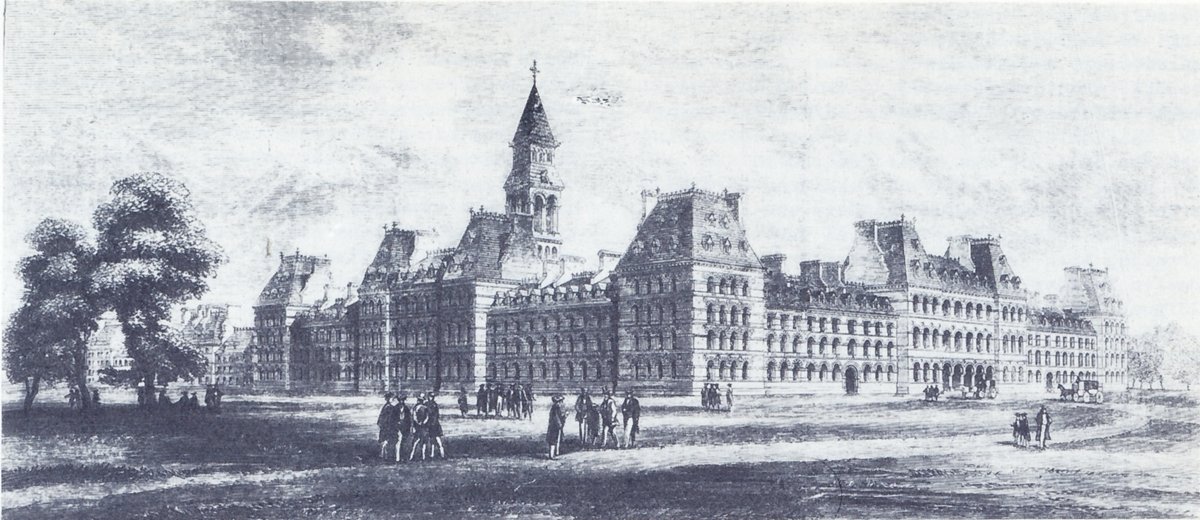
Dublin North–West is rooted in the ancient history of Dublin itself. The earliest settlement, Áth Cliath (“Hurdled Ford”), was established by the fourth century, and by the sixth century, the monastic site Duiblinn (the “black pool”) was founded, giving the city its English name. Viking occupation in 841 CE led to the development of fortified settlements, laying the foundation for Dublin’s urban landscape (dublin.ie; dublin.info).
Medieval Expansion and The Pale
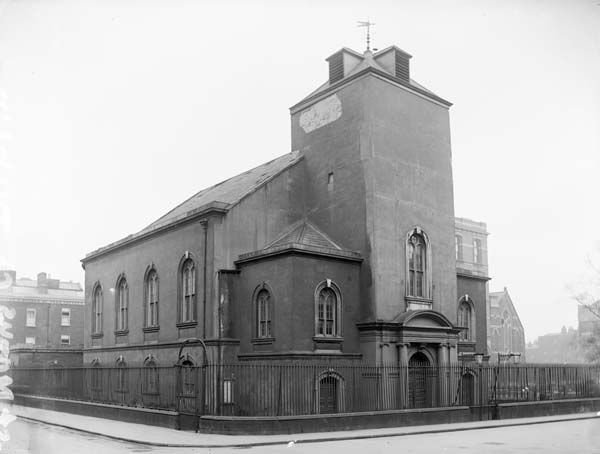
Following the Anglo-Norman invasion in 1170, Dublin became the capital of the English Lordship of Ireland. The north side, including present-day Dublin North–West, became part of “The Pale”—a fortified region under English rule, distinguished by defensive boundaries and annual commemorations (wikipedia). The area developed significant religious and civic buildings during this period.
Georgian and Victorian Eras
The 18th century brought rapid urban expansion and Georgian architectural splendor, particularly on the north side. This era saw the creation of grand squares, improved infrastructure, and the construction of the Grand Canal. However, the 19th century brought both modernization and hardship, with economic decline and severe poverty following the Act of Union (britannica.com; dublin.info).
Industrialization and Social Change
Industrial growth and improved transport links, such as railways and trams, marked the late 19th and early 20th centuries. Landmarks like the Guinness Brewery became symbols of Dublin’s industrial rise, while the area also played a significant role in labor movements and the struggle for independence (dublin.info).
Revolutionary Period and Independence
Dublin North–West was deeply affected by pivotal events such as the 1916 Easter Rising and the subsequent War of Independence. Many buildings in the area still bear scars from these conflicts (irishtimes.com).
Urban Growth and Demographic Shifts
The 20th century saw massive population growth and the arrival of new communities, especially during the “Celtic Tiger” economic boom. Modern housing, schools, and community facilities transformed the region’s social fabric (wikipedia).
Modernization and Cultural Significance
Today, Dublin North–West is a vibrant blend of historic neighborhoods, modern amenities, and diverse communities. Landmarks like Phoenix Park and Glasnevin Cemetery highlight its historical and cultural importance, while venues such as the Abbey Theatre and Axis Arts Centre showcase its creative energy (wanderlog.com; britannica.com).
Top Attractions: Visiting Hours & Ticket Info
Phoenix Park
- Hours Open daily, 7:00 AM to 9:00 PM (seasonal variations)
- Tickets Free entry; Dublin Zoo and special events ticketed separately
- Accessibility Wheelchair accessible; bike rentals available
- Highlights Áras an Uachtaráin (presidential residence), Dublin Zoo
- Website phoenixpark.ie
Glasnevin Cemetery
- Hours 9:00 AM – 5:00 PM daily
- Tickets Guided tours ~€10/adult; museum & tower access €12 (combo)
- Accessibility Wheelchair accessible; audio tours available
- Website glasnevintrust.ie
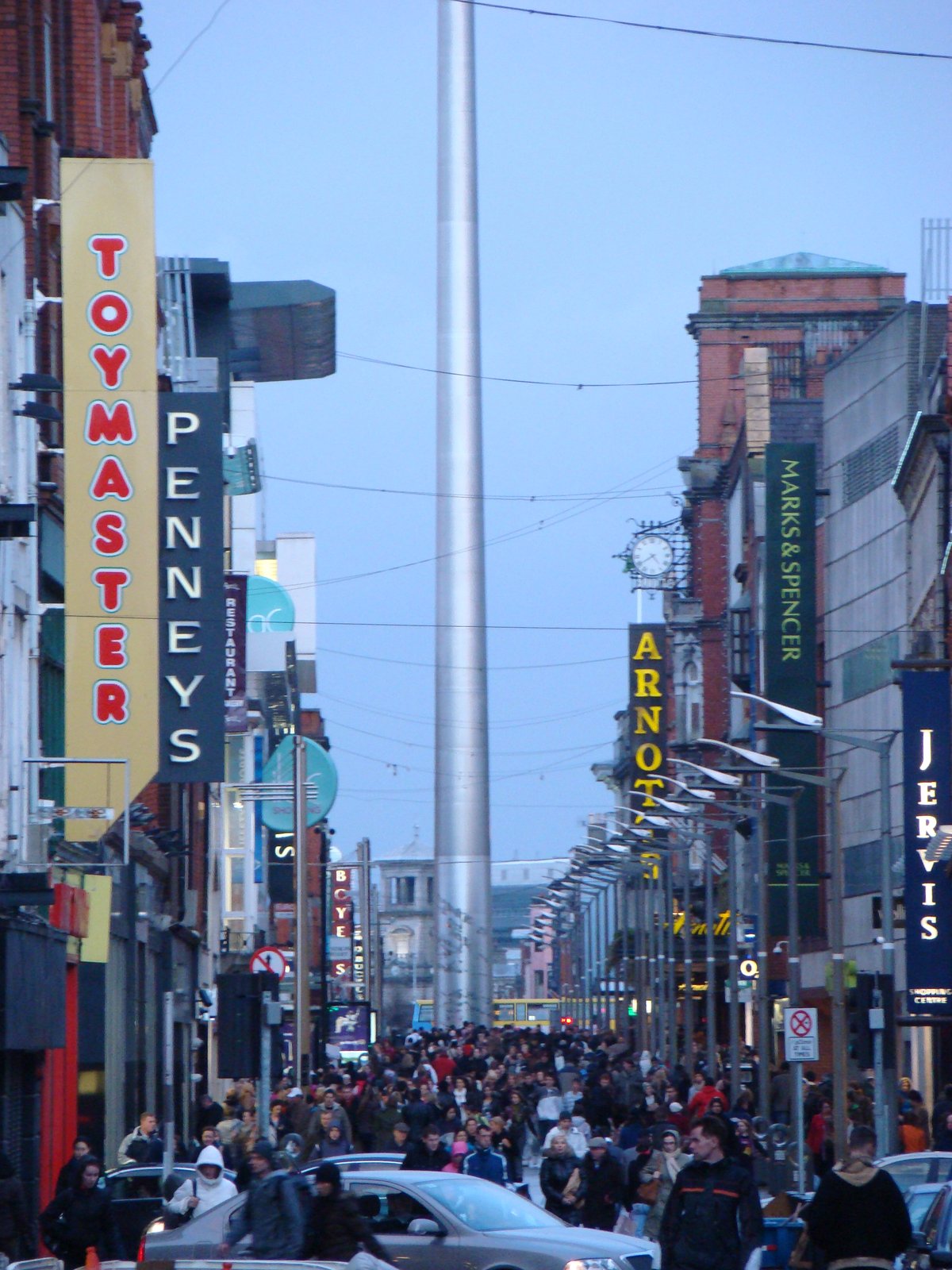
The Spire of Dublin
- Hours Public space, accessible 24/7
- Tickets Free
- Accessibility Fully accessible
- Website visitdublin.com
General Post Office (GPO)
- Hours 9:00 AM – 5:00 PM, Mon–Sat
- Tickets Free entry; GPO Witness History Visitor Centre ~€8
- Accessibility Wheelchair accessible
- Website gpomuseum.ie
Abbey Theatre
- Box Office Hours 10:00 AM – 6:00 PM
- Tickets Vary by show; advance booking recommended
- Accessibility Fully accessible; assistive listening devices available
- Website abbeytheatre.ie
Croke Park
- Hours Stadium Tour & GAA Museum, 9:30 AM–5:30 PM daily (last admission 4:30 PM)
- Tickets €14/adult; family and concession passes available
- Highlights All-Ireland Finals, Skyline Tour (panoramic city views)
- Accessibility Fully wheelchair accessible
- Website crokepark.ie
National Botanic Gardens
- Hours Gardens, 9:00 AM–5:00 PM; glasshouses, 10:00 AM–4:30 PM
- Admission Free
- Accessibility Paths and facilities accessible
- Website visitdublin.com
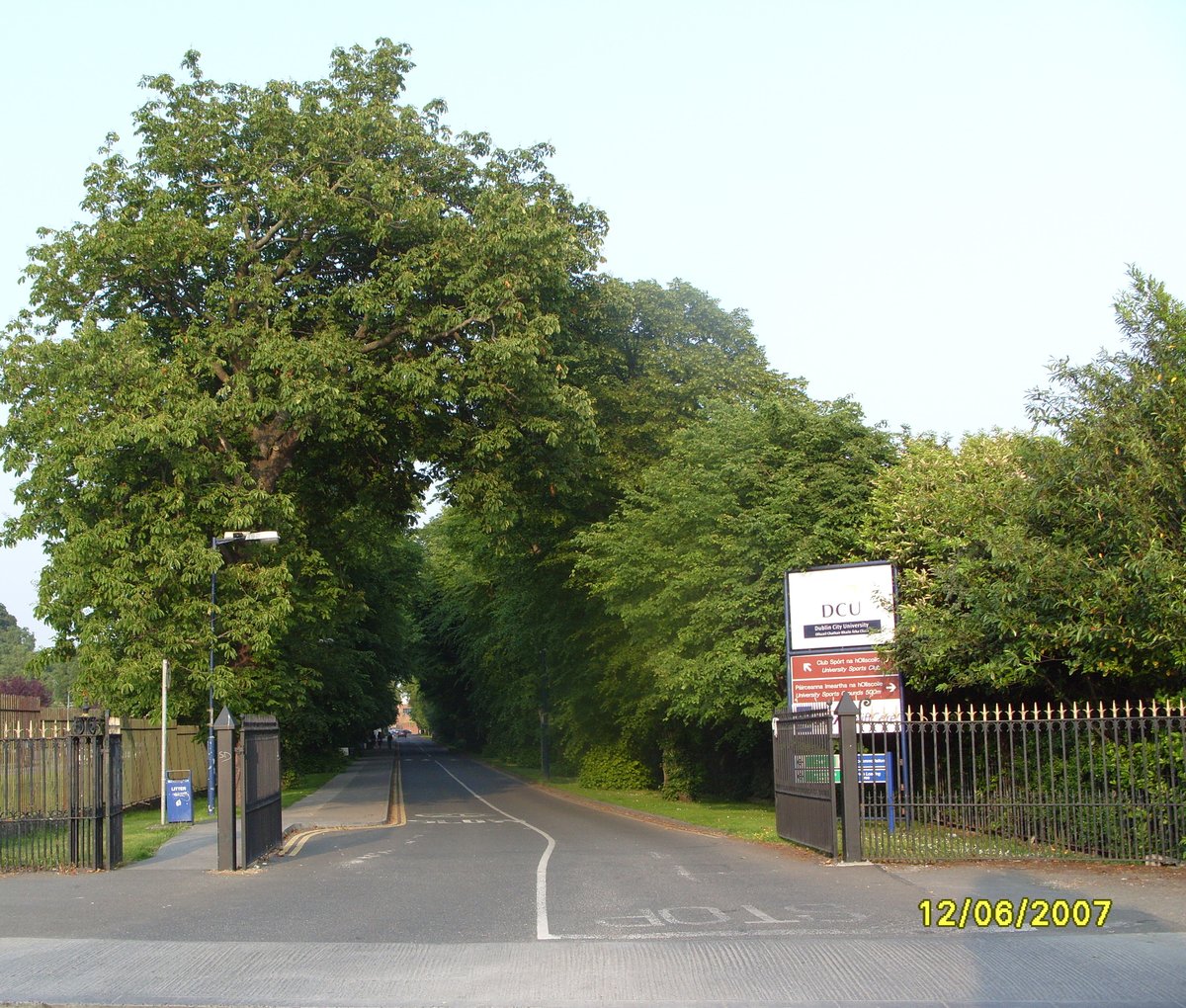
Dublin City University (DCU) & Ballymun Regeneration
- Highlights Helix Theatre (tickets vary by event), Rediscovery Centre (10:00 AM–5:00 PM; fees for workshops)
- Websites dcu.ie, rediscoverycentre.ie
Tolka Park
- Home of Shelbourne FC
- Tickets €10–€15; check match schedules
- Website shelbournefc.ie
Axis Arts Centre
- Hours Tues–Sun, 10:00 AM–6:00 PM (check for event hours)
- Tickets Free for gallery/events; special performances €10–€25
- Accessibility Fully accessible
- Website axisballymun.ie
Bull Island
- Hours Open year-round
- Admission Free
- Highlights Beaches, walking trails, birdwatching
- Website visitdublin.com
Food, Drink & Nightlife
Experience Dublin’s legendary pub culture at The Gravediggers near Glasnevin Cemetery or in Phibsborough, Drumcondra, and Smithfield for a lively mix of traditional music and local flavors (heydublin.ie). Enjoy a diverse range of cafés, bakeries, and restaurants, from classic Irish breakfasts to international cuisine.
Markets & Community Events
Regular farmers’ markets and craft fairs are held at venues like Bernard Shaw and along Royal Canal Bank, featuring local produce, crafts, and live music (visitdublin.com).
Getting Around: Public Transport and Accessibility
- Dublin Bus Extensive routes, roughly 5:30 AM to midnight; fares €1.50–€3.10 (nomadicmatt.com)
- Luas Tram Red & Green Lines serve North–West; tickets €2–€2.60
- DART Rail Connects to greater Dublin area
- Leap Card Best value for unlimited journeys on buses, trams, and trains (theirishroadtrip.com)
- Walking/Biking Many attractions are walkable; DublinBikes rental stations widely available
- Accessibility Most attractions and transport options are wheelchair friendly
Safety and Local Etiquette
Dublin is generally safe, even for solo travelers. Exercise standard caution: avoid poorly lit areas at night, secure valuables, and never leave drinks unattended. Ballymun and Finglas have higher petty crime rates—stay alert and avoid deserted areas after dark (nomadicmatt.com). In emergencies, dial 112 or 999.
Tipping 10% in restaurants is appreciated but not mandatory. Buying a “round” in pubs is customary. Dubliners are friendly—greetings and casual small talk are welcome (roadsanddestinations.com).
Money-Saving Tips
- Leap Card Reduces transport costs (irelandbeforeyoudie.com)
- Free Attractions Phoenix Park, National Botanic Gardens, Glasnevin Cemetery grounds
- Dining Eat in Phibsborough, Drumcondra, and other local neighborhoods for better value; look for lunch specials and early-bird menus
- Accommodation Book early for best rates, especially during festivals
Accommodation and Practicalities
Choose from hotels, guesthouses, or hostels in north-west districts for a quieter stay with easy access to public transport. Free Wi-Fi is widely available, and tap water is safe to drink. Card payments are common, but carry some cash for small purchases.
Frequently Asked Questions (FAQ)
Q: Are tickets required for Phoenix Park?
A: No, entry is free. Dublin Zoo and special events are ticketed.
Q: How do I book guided tours at Glasnevin Cemetery?
A: Book online or at the museum entrance for best availability.
Q: Is the National Botanic Gardens free to enter?
A: Yes, both gardens and glasshouses are free.
Q: Are attractions wheelchair accessible?
A: Most major sites and public transport are accessible.
Q: What public transport serves Dublin North–West?
A: Dublin Bus, Luas, and DART. Use a Leap Card for convenience.
Notable Day Trips and Nearby Attractions
Dublin North–West makes an excellent base for exploring the Dublin Mountains, Howth, and the Boyne Valley—each easily accessible by public transport for hiking, coastal walks, and ancient sites (celticwanderlust.com).