
Socio-Economic Context of Early 20th Century Dublin
Dublin in the early 1900s was a city marked by poverty, overcrowding, and stark social divisions. Over one-third of its population lived in single-room dwellings, with infant mortality rates among the highest in Europe. The working classes, employed mainly in unskilled jobs, endured long hours and low pay, while economic power was concentrated among a small business elite, typified by figures like William Martin Murphy (Go-to-Ireland.com; History Ireland).
Rise of Trade Unionism and the ITGWU
The Irish Transport and General Workers’ Union (ITGWU), founded in 1909 by James Larkin, heralded a new era of militant trade unionism in Ireland. Unlike previous unions, the ITGWU sought to organize both skilled and unskilled laborers. Its rapid growth—inspiring mass demonstrations and sympathetic strikes—alarmed employers, who feared for their control and profits (Go-to-Ireland.com; Scoilnet).
Causes and Major Events of the Lock-Out
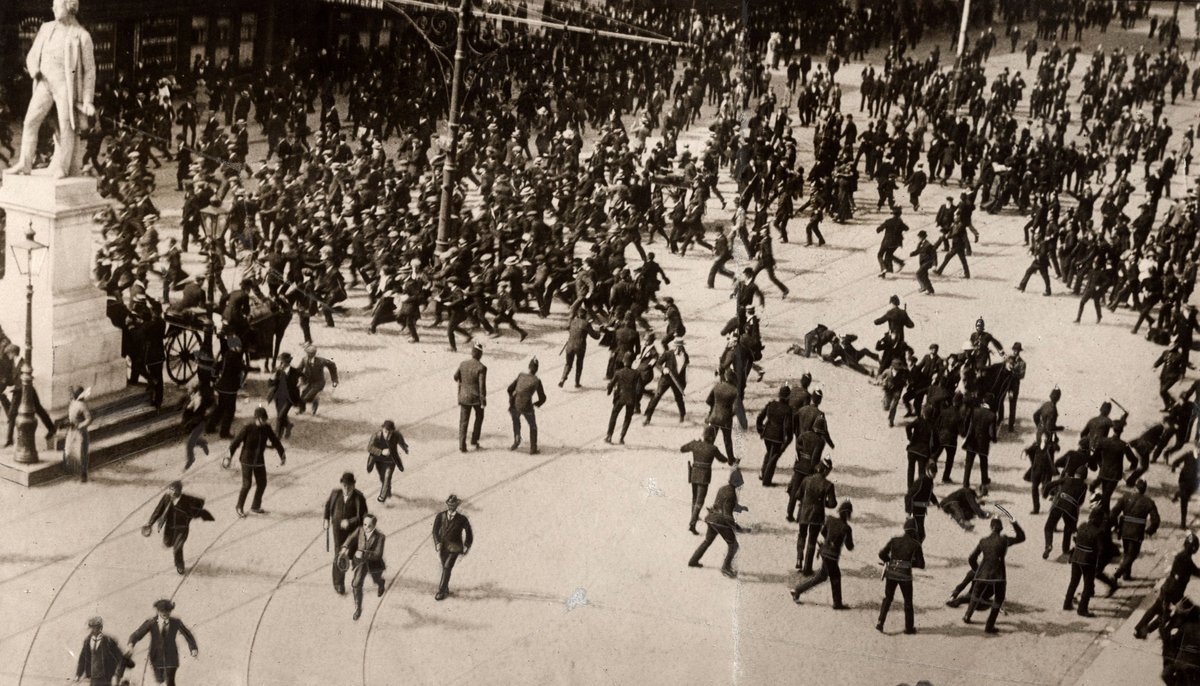
In August 1913, tensions came to a head when William Martin Murphy dismissed over 40 tramway workers for their ITGWU affiliations. This led to a citywide walkout and a coordinated employer response: thousands were locked out unless they renounced union membership. The crisis peaked on “Bloody Sunday” (31 August 1913), when police violently dispersed a workers’ rally, injuring hundreds (History Ireland; Scoilnet).
Throughout the dispute, soup kitchens and relief funds—often supported by the British Trade Union Congress (TUC)—were vital to workers’ survival. The “Dublin Kiddies” scheme, attempting to send children of locked-out workers to sympathetic British families, was blocked by opposition from the Catholic Church, exposing deep societal divisions (History Ireland).
Key Figures and Organizations
- James Larkin Charismatic leader of the ITGWU, known for his impassioned advocacy for workers’ dignity and solidarity (Scoilnet).
- William Martin Murphy Business magnate and chief opponent of unionization, orchestrating the lock-out (Go-to-Ireland.com).
- James Connolly Socialist theorist and co-founder of the Irish Citizen Army, which emerged to defend workers during the lock-out (Scoilnet).
- British Trade Union Congress (TUC) Provided essential financial and material support to striking workers (History Ireland).
Outcomes and Legacy
The lock-out ended in January 1914 without union recognition, as most workers returned under unfavorable terms. However, it had enduring effects:
- Trade Union Strengthening Despite defeat, the ITGWU survived and grew, laying foundations for future labor advances (History Ireland).
- Political Radicalization Many activists, including those in the Irish Citizen Army, played key roles in the 1916 Easter Rising (Scoilnet).
- Increased Social Awareness The Lock-Out sparked public debate on poverty, labor rights, and social justice (History Ireland).
- International Solidarity The event highlighted both the potential and limits of international labor support (History Ireland).
Key Dublin Lock-Out Historical Sites: Visiting Hours & Ticket Information
Liberty Hall
- Location Eden Quay, Dublin 1
- Hours Mon–Fri, 9:00 AM – 5:00 PM; closed weekends
- Tickets Free; guided tours by appointment
- Accessibility Fully wheelchair accessible
Liberty Hall was the ITGWU headquarters and continues as a landmark of Irish labor activism. Visitors can explore exhibitions and commemorative plaques (Irish Times).
O’Connell Street & Jim Larkin Statue
- Location O’Connell Street, Dublin 1
- Hours Public street, open 24/7
- Tickets Free
- Accessibility Fully accessible
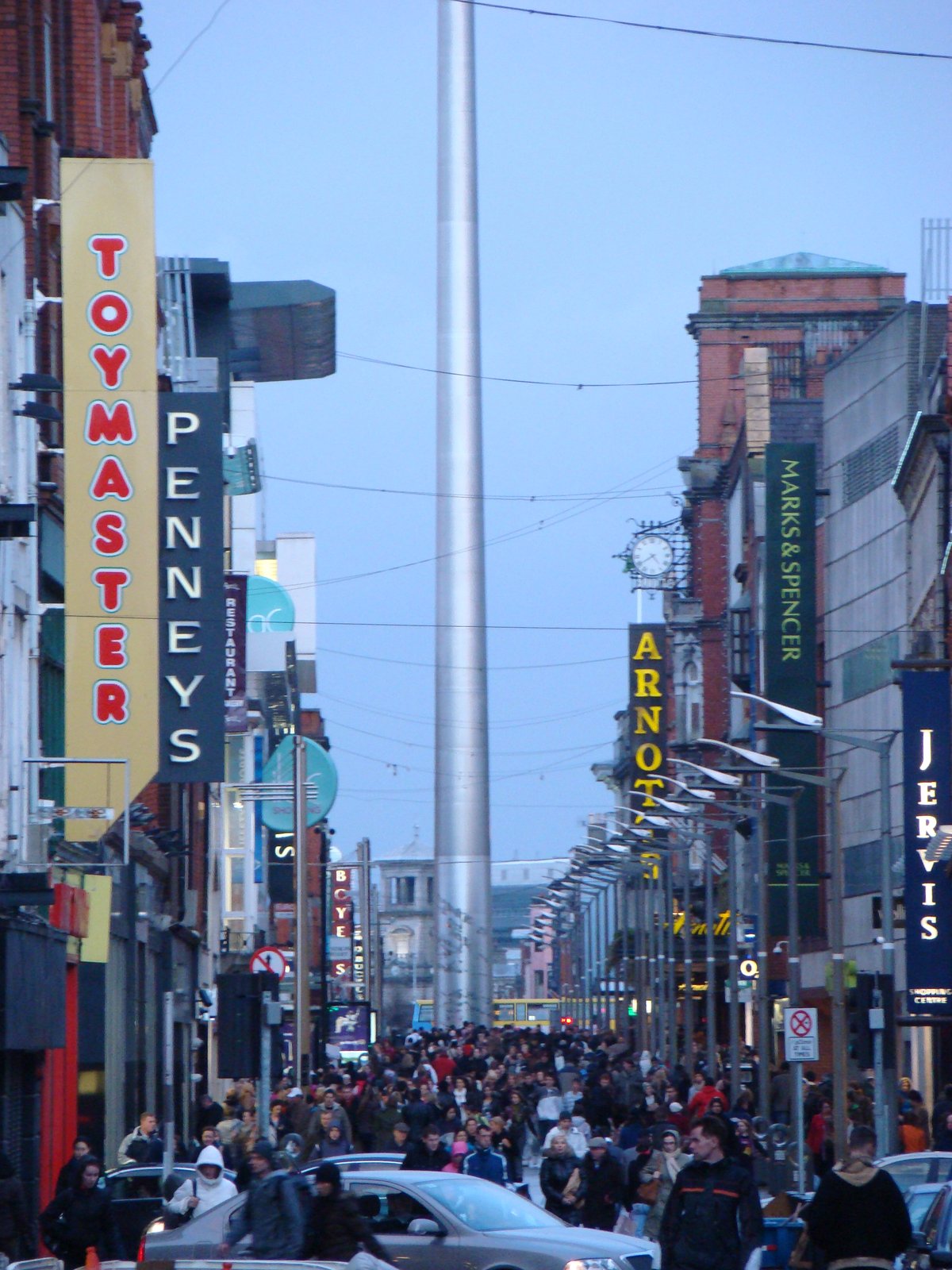
Site of mass rallies, “Bloody Sunday,” and the iconic Jim Larkin statue.
General Post Office (GPO)
- Location O’Connell Street Lower, Dublin 1
- Hours Daily, 9:00 AM – 5:00 PM
- Tickets GPO Witness History Museum: €10 adults (concessions available)
- Accessibility Fully accessible
The GPO contextualizes the Lock-Out alongside the Easter Rising, with interactive exhibits (HeyDublin.ie).
Hugh Lane Gallery
- Location Parnell Square, Dublin 1
- Hours Tue–Sun, 10:00 AM – 5:00 PM; closed Mondays
- Tickets Free
- Accessibility Fully accessible
The “Dublin Divided: September 1913” exhibition features art reflecting the era’s social struggles.
Croydon Park (Bloody Sunday Site)
- Location Near O’Connell Street and Sackville Place
- Hours Public outdoor site, open year-round
- Tickets Free
- Accessibility Fully accessible
Marked by plaques, this site is included in many walking tours (Irish Times).
The Tenement Museum (14 Henrietta Street)
- Location 14 Henrietta Street, Dublin 1
- Hours Tue–Sun, 10:00 AM – 5:00 PM; closed Mondays
- Tickets €12 adults; advance booking required
- Accessibility Partial (due to historic building constraints)
An immersive experience of tenement life, highlighting working-class families’ struggles (Irish Times).
Dublin City Hall
- Location Dame Street, Dublin 2
- Hours Mon–Fri, 9:00 AM – 5:00 PM; closed weekends
- Tickets Free
- Accessibility Fully accessible
City Hall’s Rotunda hosts exhibitions on social history, including the Lock-Out (HeyDublin.ie).
The International Bar
- Location 23 Wicklow Street, Dublin 2
- Hours Daily, 12:00 PM – 11:00 PM
- Tickets Free
- Accessibility Accessible; check for specific needs
Starting point for many historical walking tours and a hub for labor activists (Visit Dublin).
The Little Museum of Dublin
- Location 15 St Stephen’s Green, Dublin 2
- Hours Tue–Sat, 10:00 AM – 5:30 PM; Sun, 12:00 PM – 5:30 PM; closed Mondays
- Tickets €10 adults; guided tours available
- Accessibility Fully accessible
Features Dublin’s 20th-century history, including artifacts from the Lock-Out (Bushire Dublin).
Practical Visitor Information
- Guided Tours Numerous walking tours focus on Lock-Out sites, often starting at the International Bar. Prices range €10–€25 (HeyDublin.ie).
- Self-Guided Tours Free maps and plaques make self-guided exploration easy.
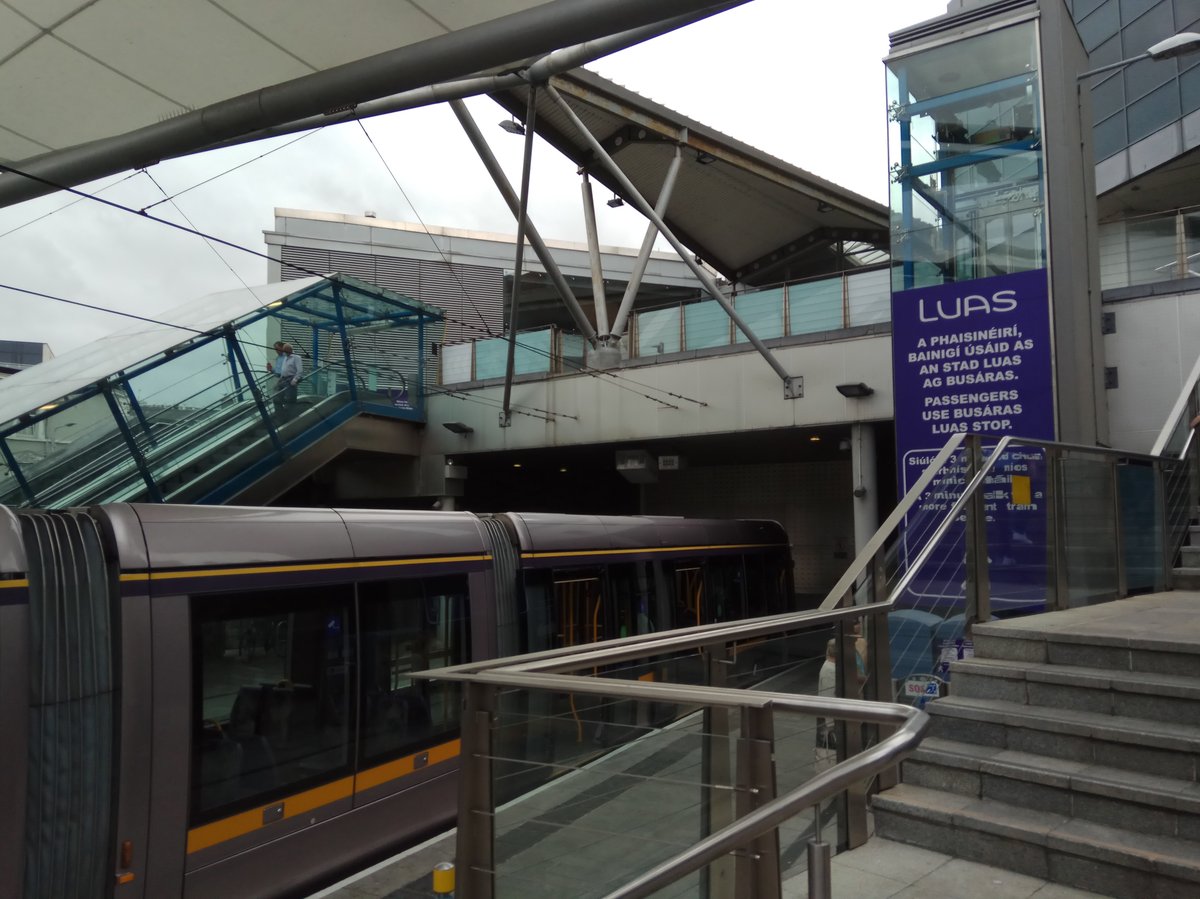
- Public Transport Sites are within Dublin’s compact center, easily accessible by bus, Luas (tram), or on foot. Leap Card or Dublin Pass can save on fares (HeyDublin.ie).
- Accessibility Most sites are wheelchair accessible; some historic buildings may have restrictions—check ahead.
- Tickets Many museums require advance booking, especially in peak season.
- Weather & What to Bring Dress in layers, wear comfortable shoes, and bring a rain jacket.
- Safety Dublin is generally safe; standard urban precautions apply.
- Facilities Restrooms are available at museums and shopping centers. Free Wi-Fi is widely available.
Frequently Asked Questions (FAQs)
Q: What are the opening hours for Liberty Hall and the GPO?
A: Liberty Hall: Mon–Fri, 9:00 AM–5:00 PM; GPO: Daily, 9:00 AM–5:00 PM.
Q: Are Lock-Out sites wheelchair accessible?
A: Most public sites are accessible; verify with each venue for indoor access.
Q: Are guided tours recommended?
A: Yes, guided walking tours provide in-depth context and are highly recommended.
Q: Are tickets required for museums?
A: Entry to Liberty Hall is free; other museums like the Tenement Museum and Little Museum of Dublin require paid tickets, often booked in advance.
Q: What are the best times to visit?
A: Spring and autumn offer fewer crowds and mild weather; summer is busiest.