
Origins and Early Development (1844–1900)
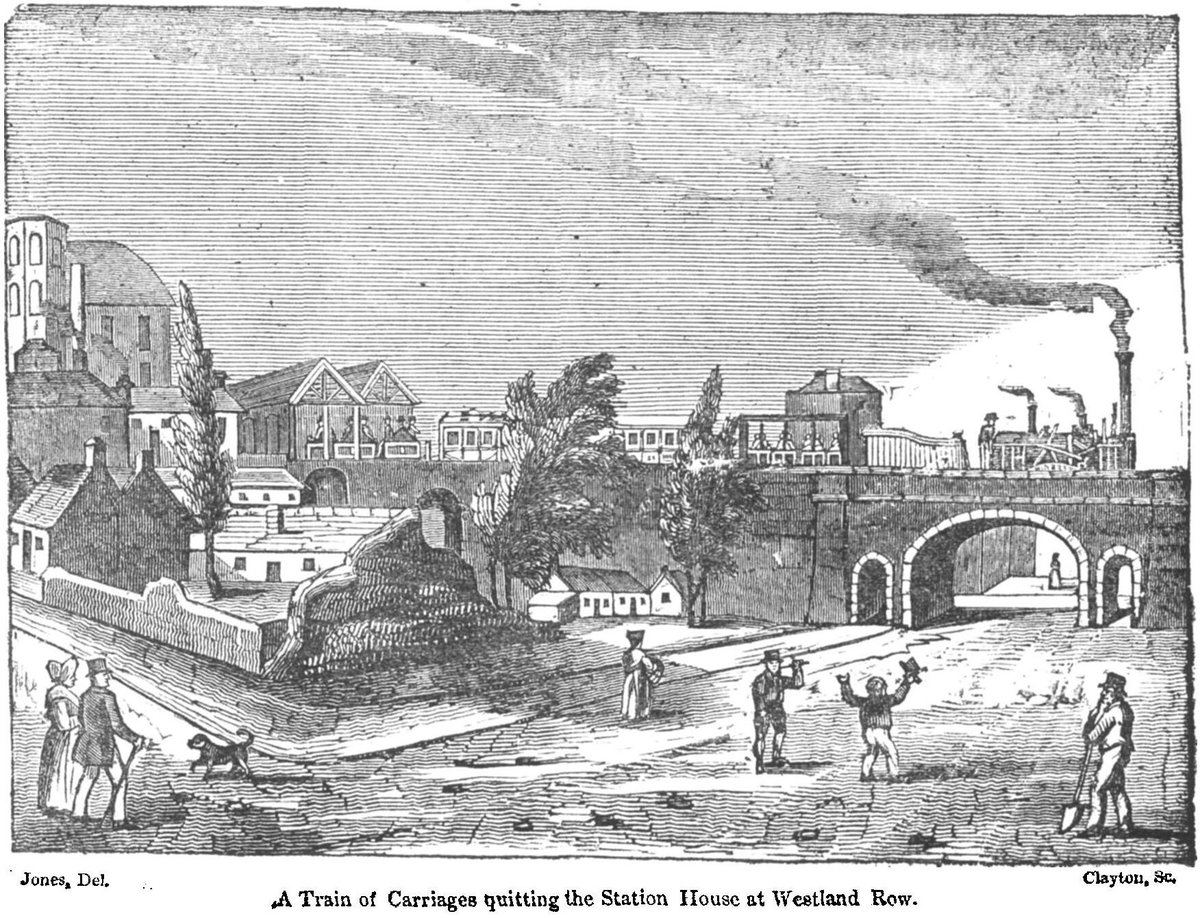
Connolly Station, initially known as Dublin Station, opened in 1844 as the terminus for the Dublin and Drogheda Railway. Designed by architect William Deane Butler, the building features a striking Italianate style with a granite façade and central tower. Platform access was originally via steep steps from Amiens Street, later complemented by a ramp from Store Street for easier entry. The station was renamed Amiens Street Station in 1854 and played a crucial role in expanding Ireland’s rail network throughout the 19th century.
Twentieth Century Transformations
The station’s importance was underscored during World War II, surviving a German bombing in 1941 with quick repairs ensuring continued operation. In 1966, it was renamed Connolly Station to honor James Connolly, a leader of the 1916 Easter Rising, reflecting its deep ties to Ireland’s revolutionary history. Subsequent decades saw the station adapt to changing travel patterns, including the transfer of several intercity services to Heuston Station.
Renovations and Modernization (Late 20th Century–Present)
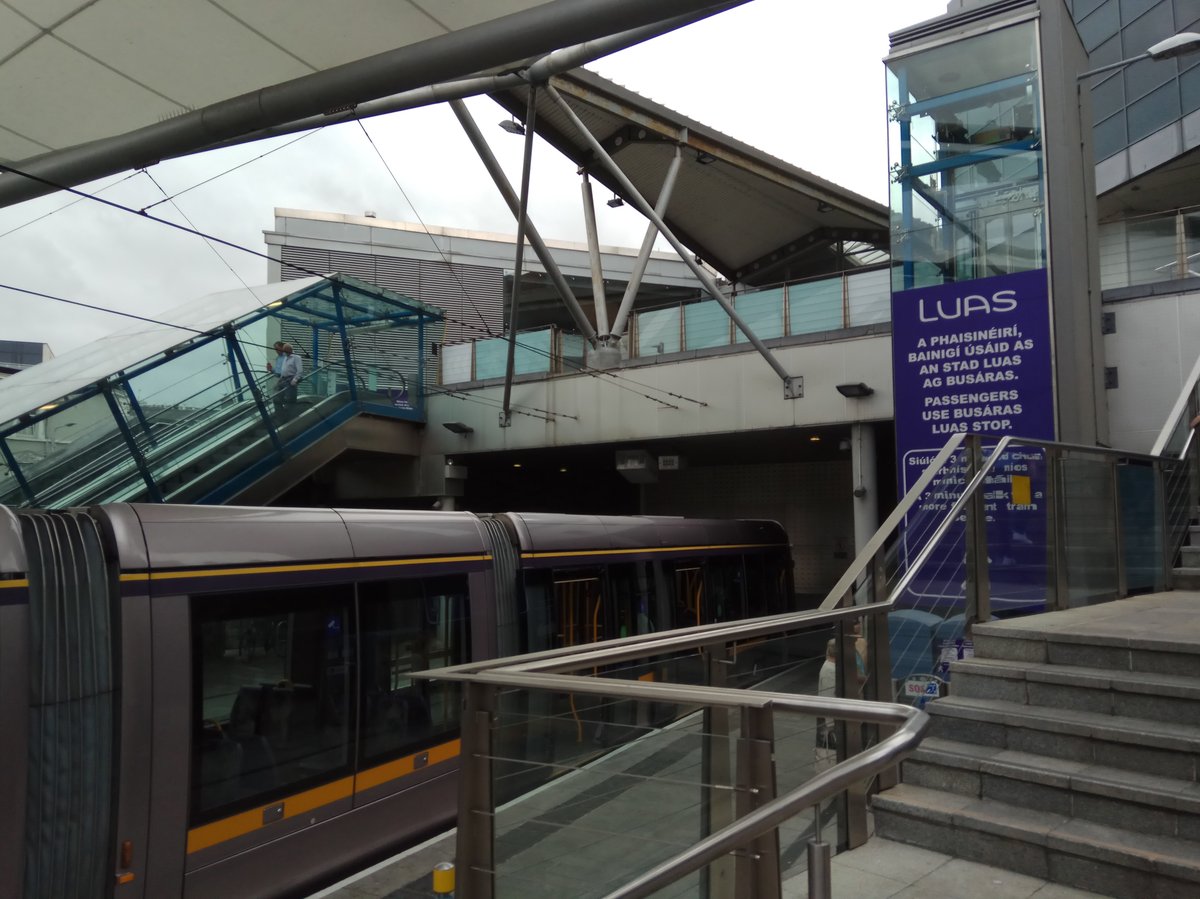
Major refurbishments in the late 20th century included new passenger concourses, retail facilities, and the integration of the Luas Red Line tram system, further cementing Connolly's role as a multimodal transport hub. The station’s Italianate tower and Victorian features have been carefully preserved amid modernization efforts, symbolizing Dublin’s blend of heritage and progress (Archiseek).
Architectural and Cultural Significance
Connolly Station’s architecture is a unique example of Victorian Italianate design, with its granite façade and prominent central tower. Renamed after James Connolly, the station stands as a monument to Ireland’s struggles and achievements, serving as both a practical transport node and a site of national memory (Molloy’s Pub).
Practical Visitor Information
Visiting Hours
- Daily Opening 5:00 AM to midnight
- Ticket Offices Generally operate from 6:00 AM to 11:00 PM
- Shops/Cafés Typically open from 7:00 AM to 10:00 PM
- Note: Hours may vary on public holidays—check the Irish Rail website for updates.
Ticketing and Travel Passes
- Single and Return Tickets For all local, regional, and intercity routes, including the Enterprise service to Belfast.
- Leap Card Rechargeable smart card with discounts on trains, DART, buses, and Luas trams (Leap Visitor Card).
- DoDublin Card Unlimited public transport for tourists over a set number of days.
- Advance/Online Tickets Best prices and seat reservations for intercity and Enterprise services—purchase online or at self-service kiosks.
- Contactless Not available for tap-on/tap-off; validate your ticket or card before boarding.
Where to Buy Tickets
- Staffed counters and self-service machines within the station
- Online at the Irish Rail website
- Irish Rail mobile app
Station Layout, Entrances, and Facilities
- Main Entrance On Amiens Street, with additional access from Harbourmaster Place and nearby Oriel Street Upper (parking available).
- Interior Features ornate Victorian ironwork, vaulted ceilings, and clear signage.
- Dining Options include Starbucks, Pret A Manger, O’Briens, Insomnia Coffee, Madigans Bar, Bean & Gone Deli, and vending machines.
- Retail Newsagent, pharmacy, and currency exchange for visitor convenience.
- Luggage Storage Secure lockers and guidance for nearby left-luggage providers (LuggageHero).
- Restrooms Clean, accessible, and with baby-changing facilities.
- Wi-Fi Free throughout the station.
Accessibility
Connolly Station is fully accessible, with:
- Step-free access, lifts, and ramps
- Adapted toilets, including a Changing Places facility for complex disabilities
- "Please Offer Me a Seat" badges for those with invisible disabilities
- Assistance with boarding or navigation upon request (Dublin Luggage Storage)
Transport Connections
- LUAS Red Line Direct tram service from the station concourse
- DART Coastal rail linking Howth and Bray
- Northern Commuter Connections to Drogheda, Dundalk, and Belfast
- Sligo Intercity Line Service to the northwest
- Rosslare Europort Line Access to the southeast
- Bus Multiple Dublin Bus routes stop at or near the station
- Taxis/Rideshares Taxi rank outside; Uber and other services available
- Airport Transfer Dublin Express bus links Connolly Station to Dublin Airport (approx. 30 minutes; shunhotel.com)
Nearby Attractions and Photo Opportunities
Within easy walking distance:
- Abbey Theatre Ireland’s national theater
- EPIC The Irish Emigration Museum Award-winning interactive experience
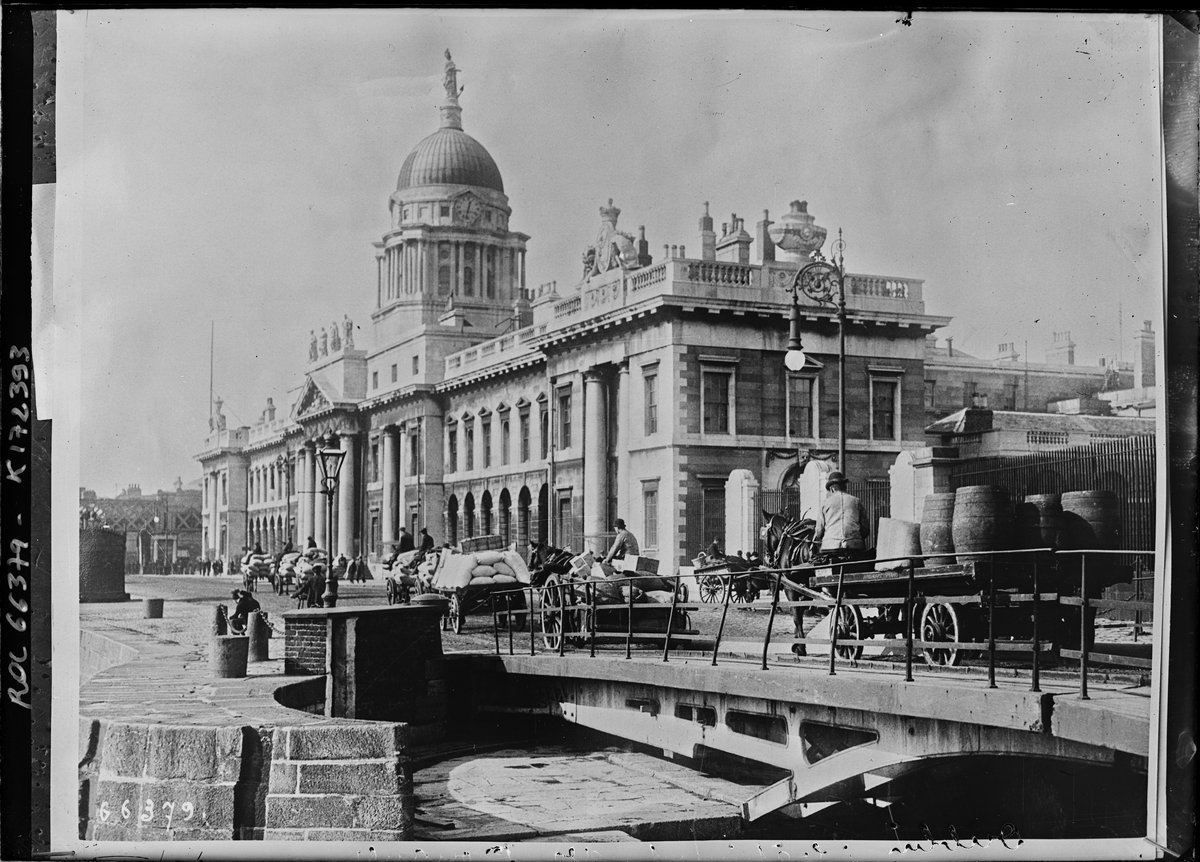
- The Custom House Neoclassical architectural highlight
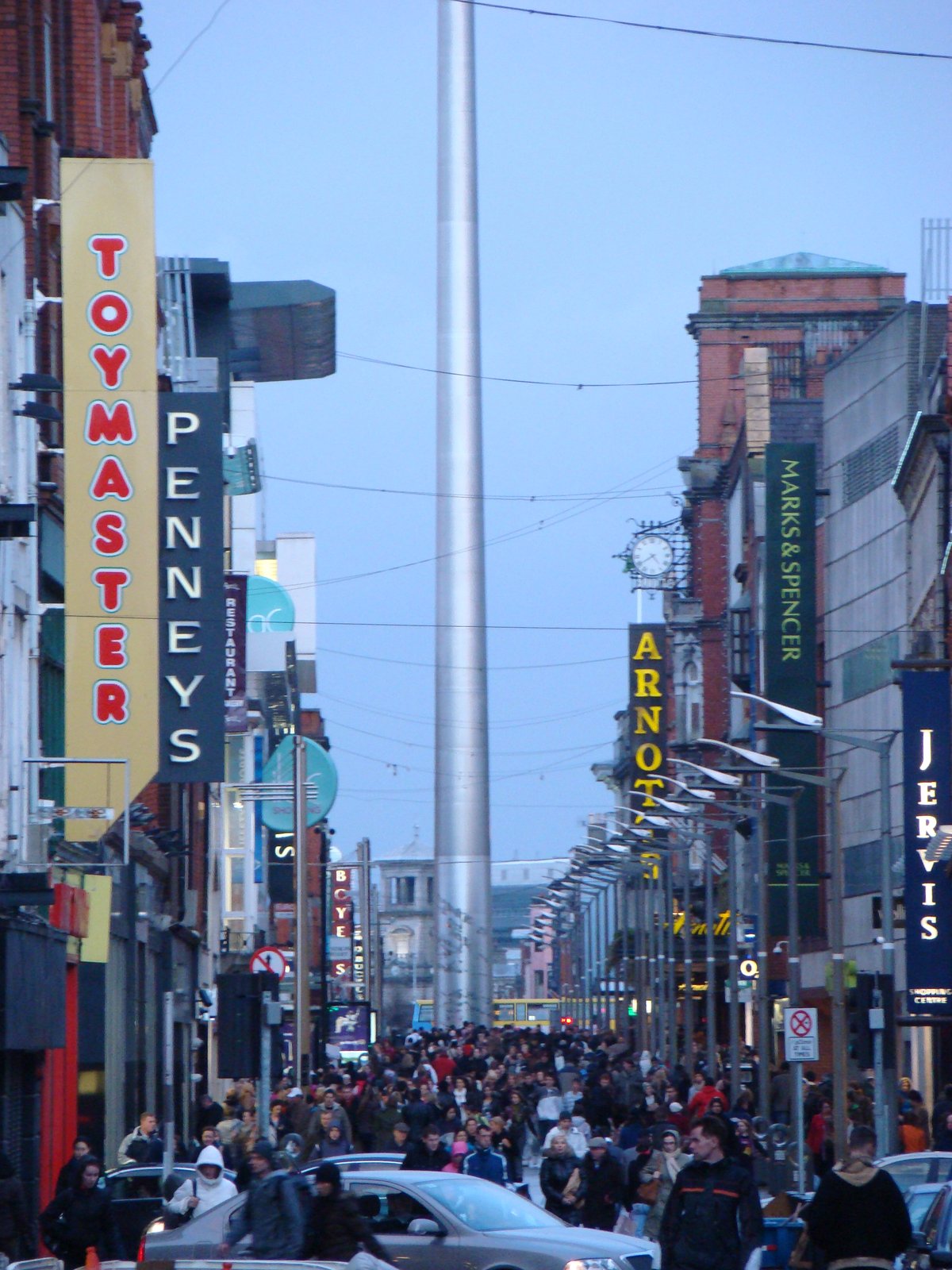
- O’Connell Street Home to the Spire and the historic GPO
- Temple Bar Dublin’s cultural quarter
- Docklands Modern business and leisure district
- Talbot Street Traditional Irish pubs such as Molloy’s Pub
Photography tips: Capture the Italianate façade and central tower in daylight; interior shots showcase the ironwork and vaults.
Facilities and Amenities
- Food & Drink Multiple cafés, bars, and vending options
- Retail Essentials, travel items, and pharmacy
- Luggage Storage Secure options on-site and nearby
- Restrooms Accessible and family-friendly facilities
- Waiting Areas Comfortable seating, including a Belfast waiting room
- Parking Secure bicycle stands and car parking
- Car Hire GoCar and other providers
Safety and Security
- Well-lit, CCTV-monitored, and with visible staff and police presence
- Stay vigilant with personal belongings, especially during busy periods (Emily Embarks)
Special Events and Tips
- Major Events Expect larger crowds during concerts at the 3Arena or matches at Croke Park.
- Best Times to Visit Avoid rush hours (7–9 AM, 4:30–6:30 PM) for a quieter experience.
- Luggage Use storage if exploring the city between trains.
Sustainability and Modernization
Connolly Station has undergone substantial upgrades, including electrification (1984), major renovations (1990s, 2015), and ongoing improvements through the DART+ West project, which will expand service capacity and electrify key routes (Transport for Ireland).
Frequently Asked Questions (FAQs)
Q: What are the opening hours at Connolly Station?
A: 5:00 AM to midnight daily; ticket offices 6:00 AM to 11:00 PM.
Q: Where can I buy tickets?
A: At staffed counters, self-service machines, or online.
Q: Is Connolly Station accessible?
A: Yes, with step-free access, lifts, adapted toilets, and assistance available.
Q: Are there guided tours?
A: No regular tours, but the station is featured in city walking tours.
Q: Is luggage storage available?
A: Yes, secure lockers on-site and guidance to nearby providers.
Q: What public transport connects here?
A: LUAS Red Line, DART, regional and intercity trains, buses, and airport connections.
Future Developments: DART+ West Project
The DART+ West project will electrify and expand rail services to Maynooth and M3 Parkway, increase train frequency, replace level crossings with safer options, and introduce new stations serving growing communities. Full completion is expected by late 2024, further enhancing Connolly’s role as Dublin’s rail hub (Transport for Ireland).
Practical Tips for Your Visit
- Use the Airlink 747 for direct airport-station travel
- Book tickets in advance via the Irish Rail app for the best prices
- Arrange accessibility assistance before arrival if needed
- Check real-time updates during your journey
- Explore nearby attractions for a richer experience