Place
Ireland Updated Apr 2026
The Guinness runs black until the bartender tilts the glass, and suddenly it's ruby in the light—Dublin's favorite illusion. One sip and you realize Ireland's capital has been performing sleight-of-hand for centuries: turning Viking camps into cobbled quays, Georgian drawing rooms into punk venues, and tenement houses into museums that make you laugh before they break your heart.
 Photo: Luciann Photography / Pexels
Built from cited sources · see the method · How we make our guides →
Dublin rewards the nose as much as the eye. Follow the malt-sweet plume from St James's Gate at dawn, the coal-smoke drifting over Henrietta Street's cracked fanlights, or the briny gulp of Dublin Bay that slaps you on the DART to Howth. The city's scale is human—most stories worth hearing happen within a 25-minute walk of the Liffey—but its memory is telescopic. A bartender will slide you a pint while reciting 400 years of rebellion, and the regulars will correct him in chorus.
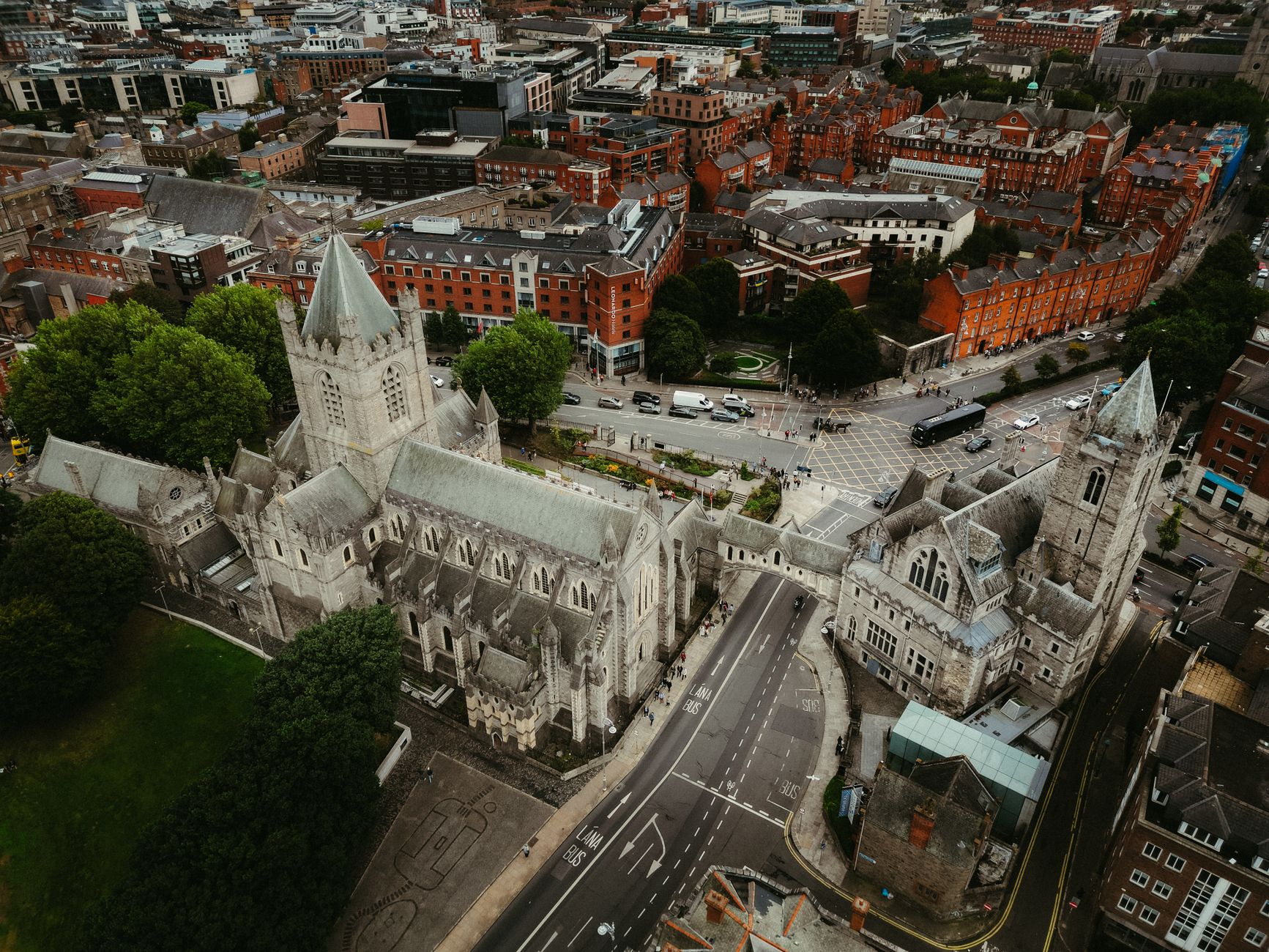
Temple Bar's neon reflections look harmless enough, yet every stone has been fought over: by Norse kings at Christ Church, by rebels who pockmarked the GPO in 1916, by developers who tried to flatten The Cobblestone for a hotel just last year. The fights aren't museum pieces; they're ongoing. That's why you come: to stand where the next chapter is being argued over a whisky poured by someone who remembers your grandfather's order.
Not every monument, just the ones we'd walk you past ourselves.
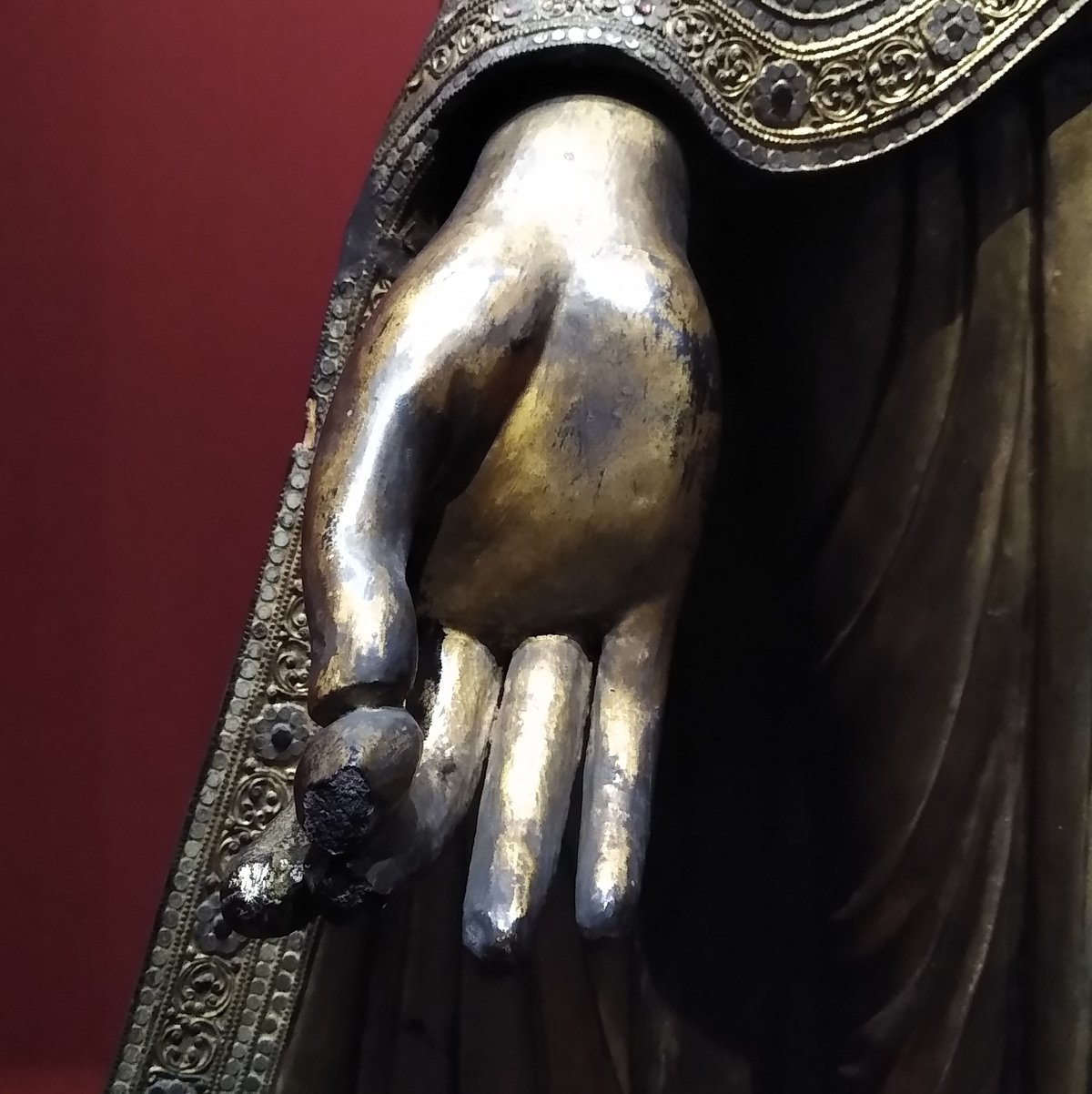
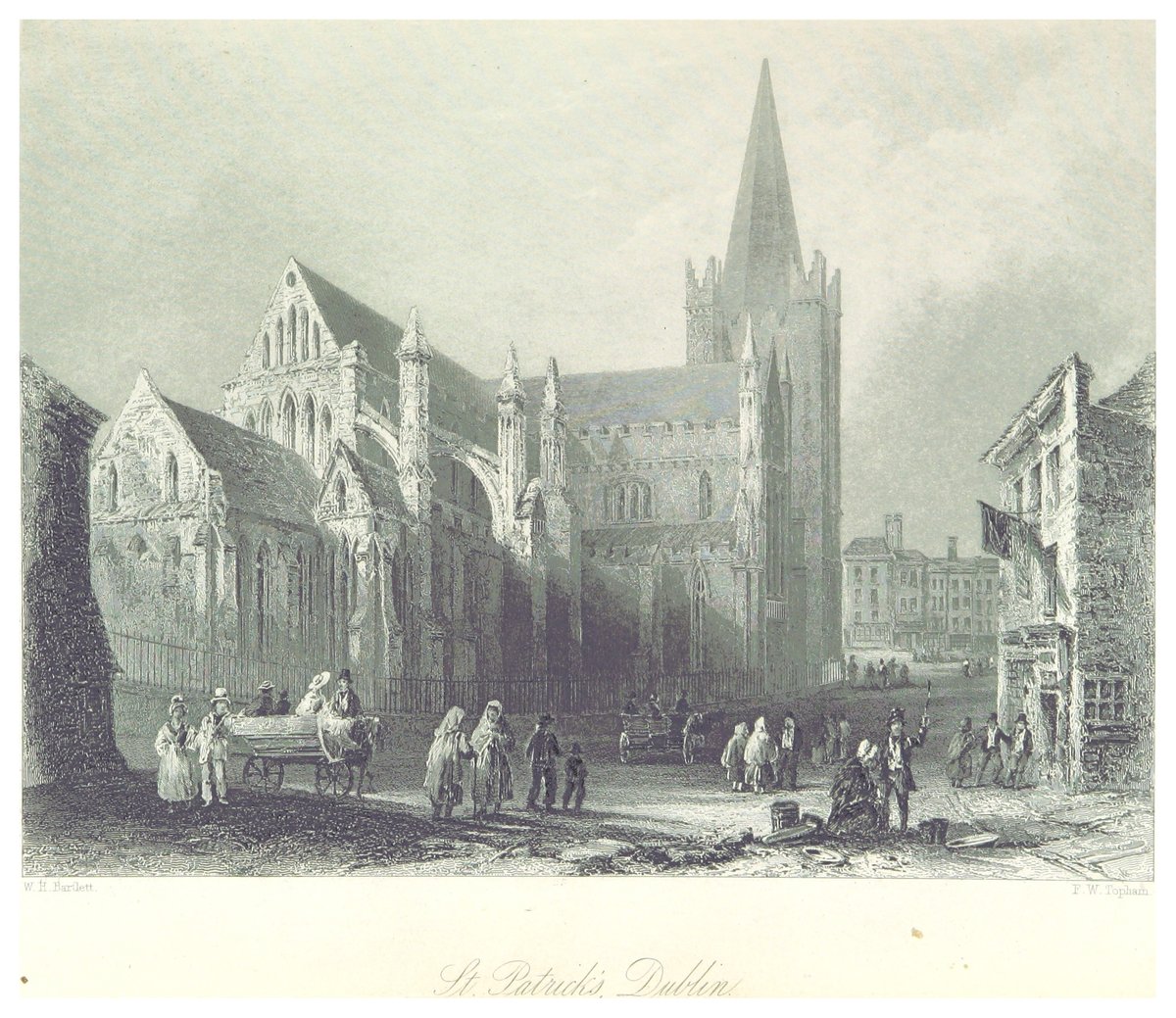
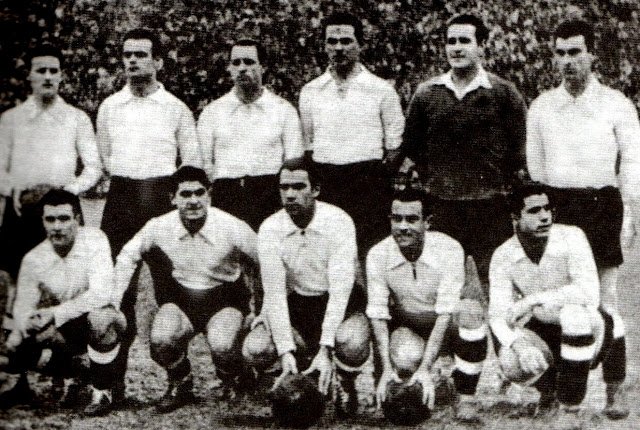
Where to wander, by quarter — each with its own rhythm.
Before you go
Curated from places in this city. Same price as official sites.


Prices shown are indicative — final pricing and availability are confirmed at checkout. Audiala may receive a commission from bookings made via these links.
From slave-market to silicon docks in twelve centuries
Longships nosed up the Liffey and never left. The Norse called the tidal pool behind today's castle 'Dyflin'—Old Norse for 'black pool'—and turned it into one of Europe's busiest slave markets. Their Thingmote, a 12-metre-high assembly mound where laws were shouted across the mud, stood exactly where tourists now queue for Guinness.
High King Brian Boru's army met the Dublin Vikings at sunrise on the bay. By dusk 7,000 men lay among the seaweed and Boru was dead, but the Norse dream of a permanent Irish kingdom died with him. The city kept its Scandinavian merchants, yet answered to Irish kings ever after.
Henry II rode in wearing chain mail and a crown of peacock feathers, declaring Dublin the seat of England's Irish lordship. Norman masons began replacing wooden walls with stone; Irish chieftains watched from across the Liffey as the city's voice switched from Old Norse to French-accented English.
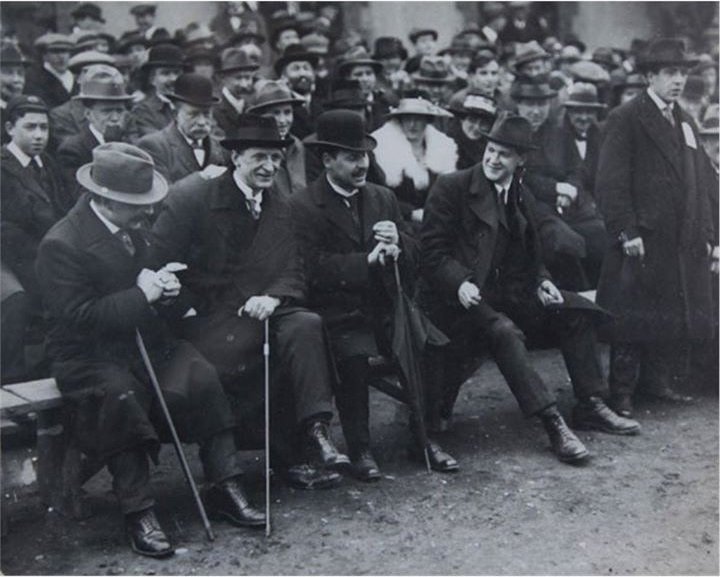
King John's men sank the first oak piles for a four-towered fortress that would rule Ireland for 700 years. The castle's buttery vaults still smell of ale and damp limestone; its Record Tower, unchanged since 1228, is the only building in Dublin that has stared down every rebellion since the Middle Ages.
Plague galleys slipped into the Liffey and emptied their dying crews onto the quays. Monks buried 14,000 corpses in trenches beyond the city walls; the neighbourhood is still called Blackpitts. Rent collapsed, wages doubled, and survivors rebuilt in stone instead of timber.
The queen confiscated All Hallows monastery and gave the land to a new Protestant university. Trinity's first 100 students slept in cold stone cells, reciting Latin by candlelight. Four centuries later the same walls echo with Joyce's footsteps and tourists photographing the Book of Kells.
He arrived squalling into a city still half-ruined after Cromwell. Dublin shaped his anger: the sight of starving weavers outside St Patrick's, the stink of English indifference. The satirist who would later damn landlords as cannibals learned his craft walking these diseased alleys.
Neale's Musick Hall on Fishamble Street sold 700 tickets at half a crown each. The composer, nearly bankrupt, conducted wearing a borrowed wig. When the 'Hallelujah' chorus rang out, gentlemen wept and ladies forgot to fan themselves—Dublin had become, overnight, a European capital of music.
The 34-year-old brewer paid £45 a year for a disused brewery at St James's Gate. Water from the Wicklow mountains, malt roasted over Irish turf, and a dark porter that travelled better than ale. The lease still has 8,735 years to run; the black stuff now ships to 150 countries.
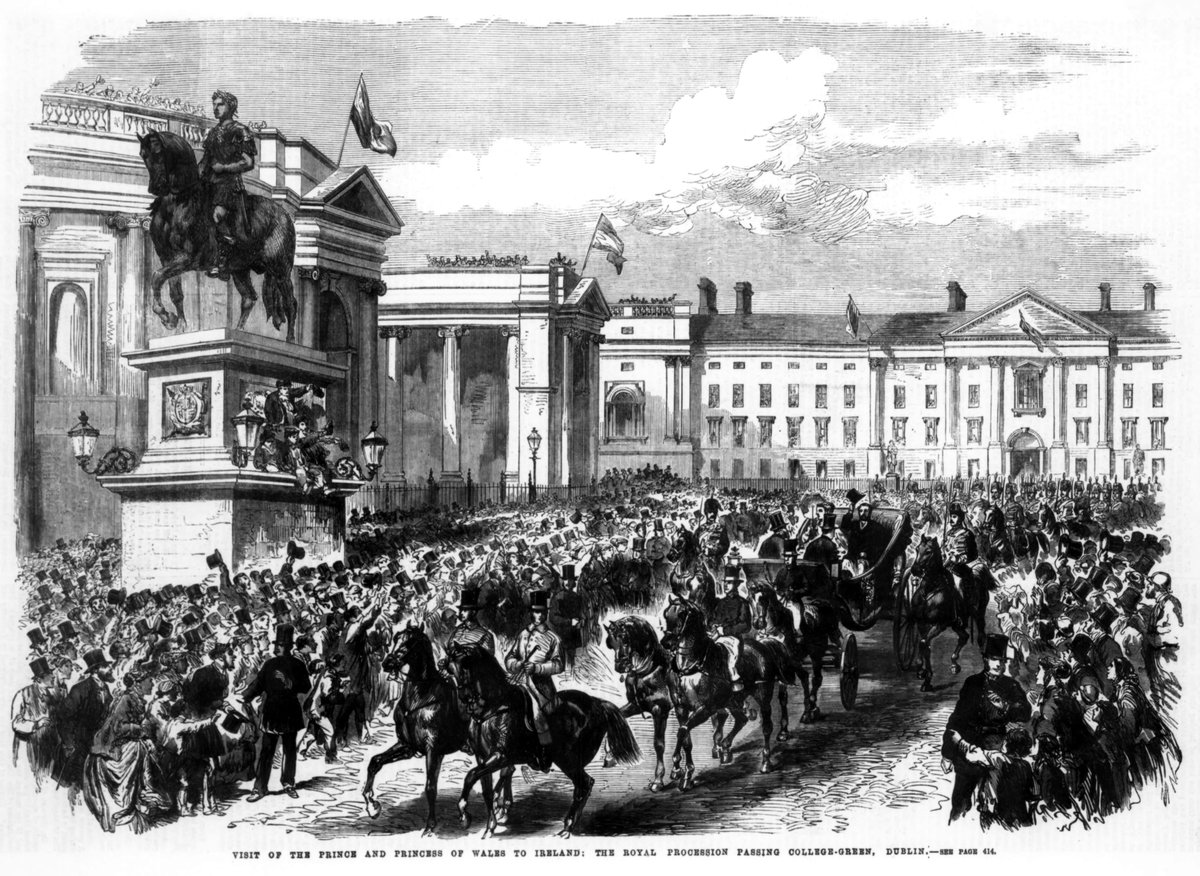
The last speaker of Ireland's independent parliament bowed out at College Green; Westminster swallowed the island whole. Within a decade half the mansions on Henrietta Street were split into tenements, their silk-lined drawing rooms crammed with 14 families each. Dublin's golden age ended with a bureaucratic signature.
Starved families drifted into Dublin clutching nettle soup pots and eviction notices. The population doubled in months; typhus swept the Liberties. You can still trace the famine lines: grand Georgian houses chopped into one-room flats, their stairs worn crooked by desperate feet.
His mother read Shelley aloud while revolutionaries plotted downstairs. The boy who would perfect the epigram learned early that words could wound or woo. By the time he left for Oxford, Dublin had given him both a love of beauty and an instinct for rebellion.
He grew up above a pub in Rathgar, collecting accents like postage stamps. Every side street would later bloom in Ulysses: the cheese smell of Davy Byrne's, the sea-green eyes of a girl on Sandymount strand. Dublin became his universe because he never truly left it.
Padraig Pearse read the Proclamation of the Republic under a granite arch while shoppers gawped. Barricades of flour sacks, telegraph wires cut, the smell of cordite mixing with Liffey sewage. After a week the rebels surrendered; the British firing squads at Kilmainham turned them into martyrs and broke faith with union forever.
The treaty that ended one war started another. Michael Collins signed in London, returned to Dublin, and died in an ambush at Béal na Bláth. Artillery scarred the Four Courts; the Liffey carried spent cartridges out to sea. Independence arrived, but the city kept the bullet holes as reminders.
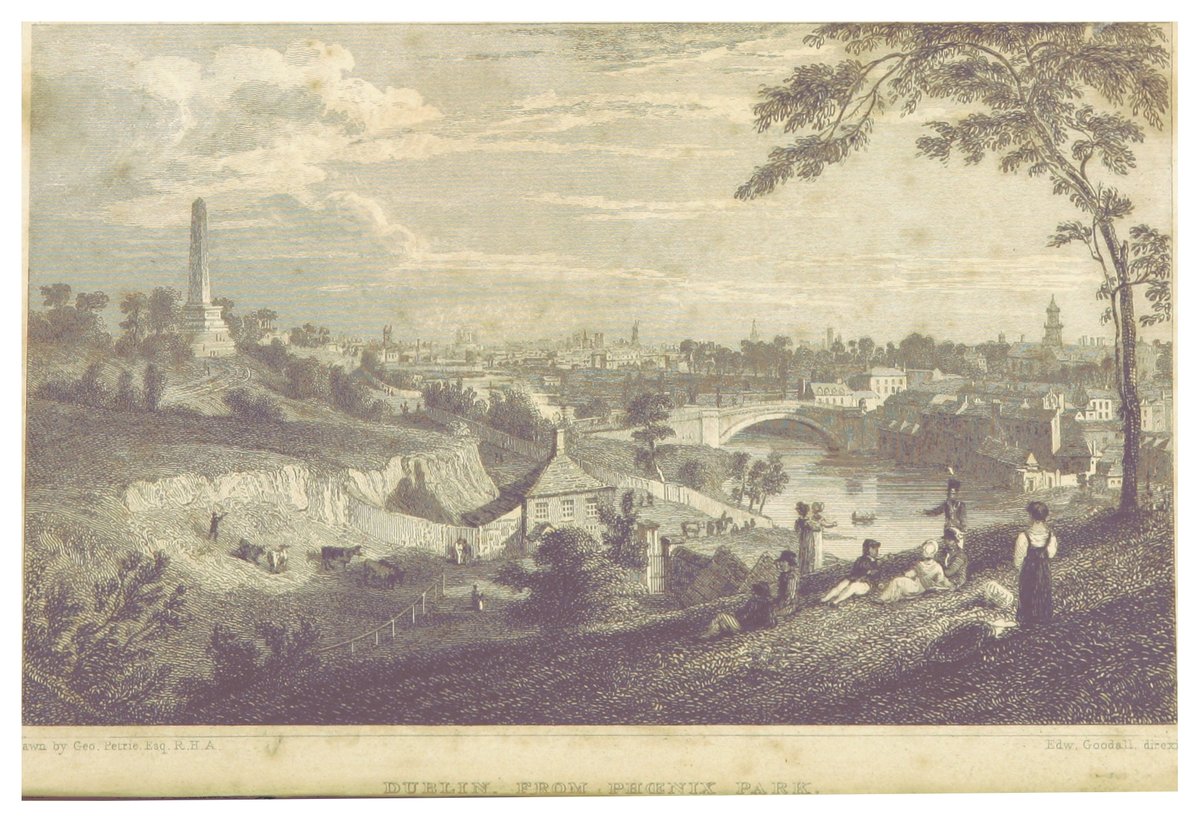
Four Luftwaffe planes dropped 35 bombs on a neutral city. Thirty-four people died; 90 houses vanished. The blast stripped the leaves off Phoenix Park trees in May. Ireland's government still keeps the raid's files sealed; locals whisper about mistaken coordinates or a warning to stay quiet.
He accepted the prize in Stockholm then caught the next flight home to a quiet flat off the Grand Canal. The man who wrote 'I can't go on, I'll go on' drank whiskey in the same pubs he had haunted as a Trinity student, refusing to let fame move him from the city that shaped his silences.
The council celebrated 'Dublin's Great in '88' with laser shows and a Viking longship burning on the Liffey. Merchants sold millennium towels dated 988–1988, ignoring that the Norse first arrived in 841. The party raged for a year; the cranes stayed for the next decade, building the foundations of a tech capital.
Dublin Castle's courtyard erupted when the result hit 62 % 'Yes'. Strangers hugged under banners reading 'Grew Up, Came Out, Got Married'. The city that once jailed Oscar Wilde became the first to approve same-sex marriage by popular vote, and the rainbow pedestrian crossings are still repainted every spring.
The stag-party soundtrack stopped overnight. Cobblestones glistened with rain instead of spilled Guinness. For the first time since 841, you could hear the Liffey's current slap against the quay walls without a guitar chord or hen-party squeal. The city learned its own breathing again.
Novelist · 1882–1941
Born here
Joyce mapped Dublin so precisely that you can follow Leopold Bloom's footsteps today and still buy a gorgonzola sandwich at Davy Byrne's pub. He'd smirk that the city now celebrates Bloomsday with Victorian costumes and priced-up pints—exactly the parochial absurdity he loved to skewer.
Playwright · 1854–1900
Born here
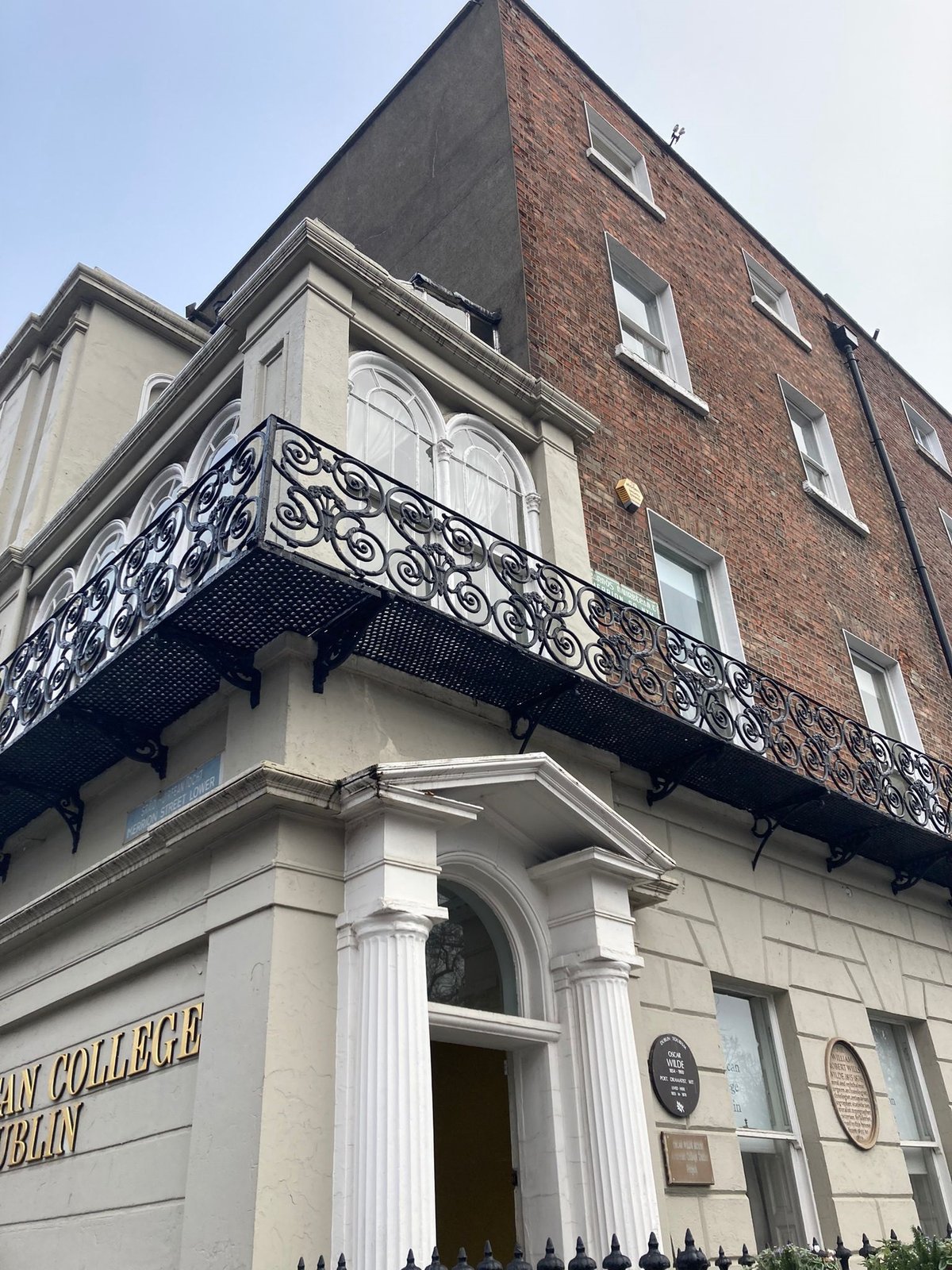
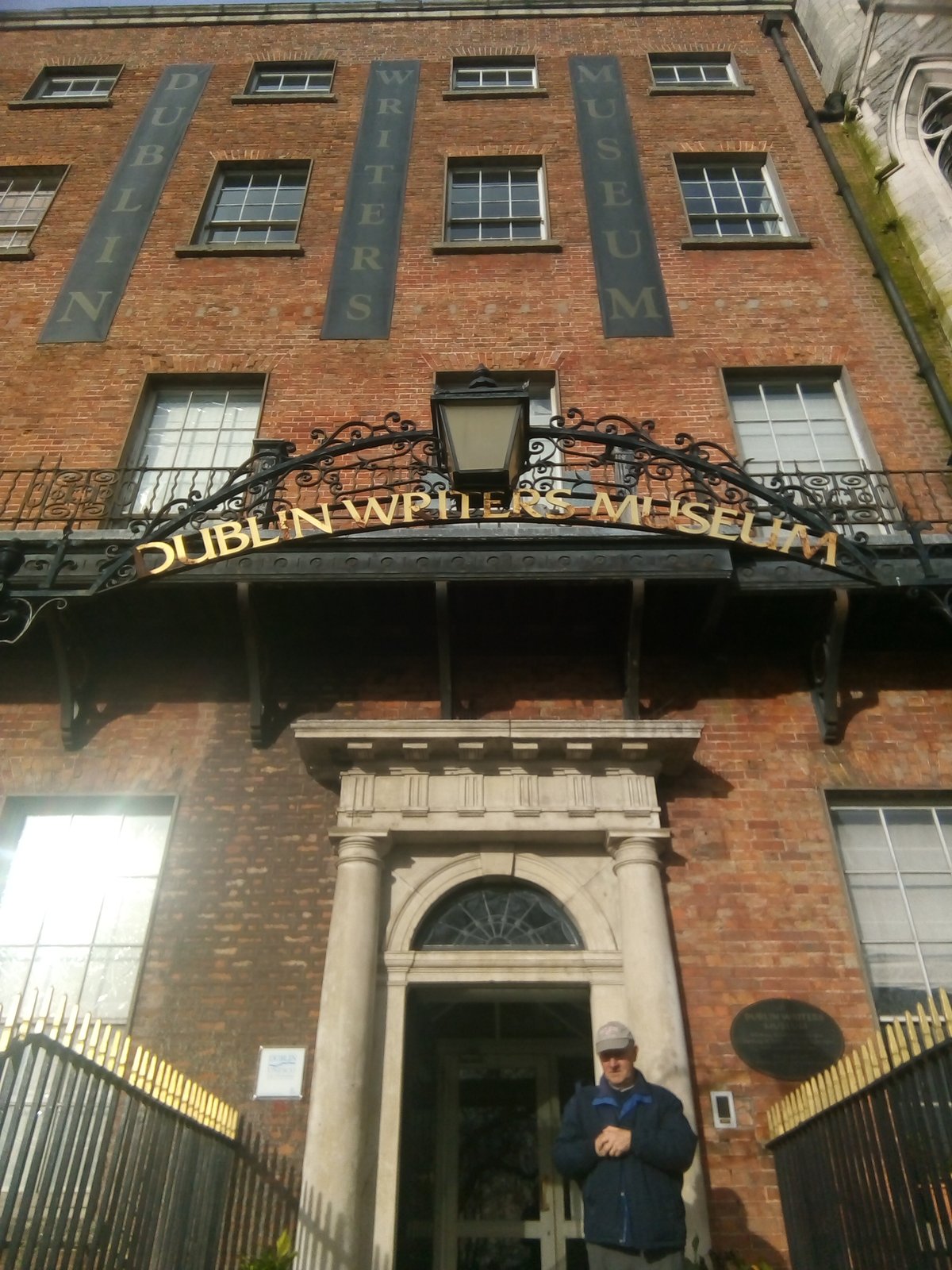
Wilde grew up at 1 Merrion Square, where his statue now reclines on a boulder opposite his childhood home, smirking at passing tourists. The wit who skewered London society would approve of Dublin keeping his sarcasm alive—local guides still quote him while leading literary pub crawls past his favorite bars.
Musician · 1949–1986
Raised here
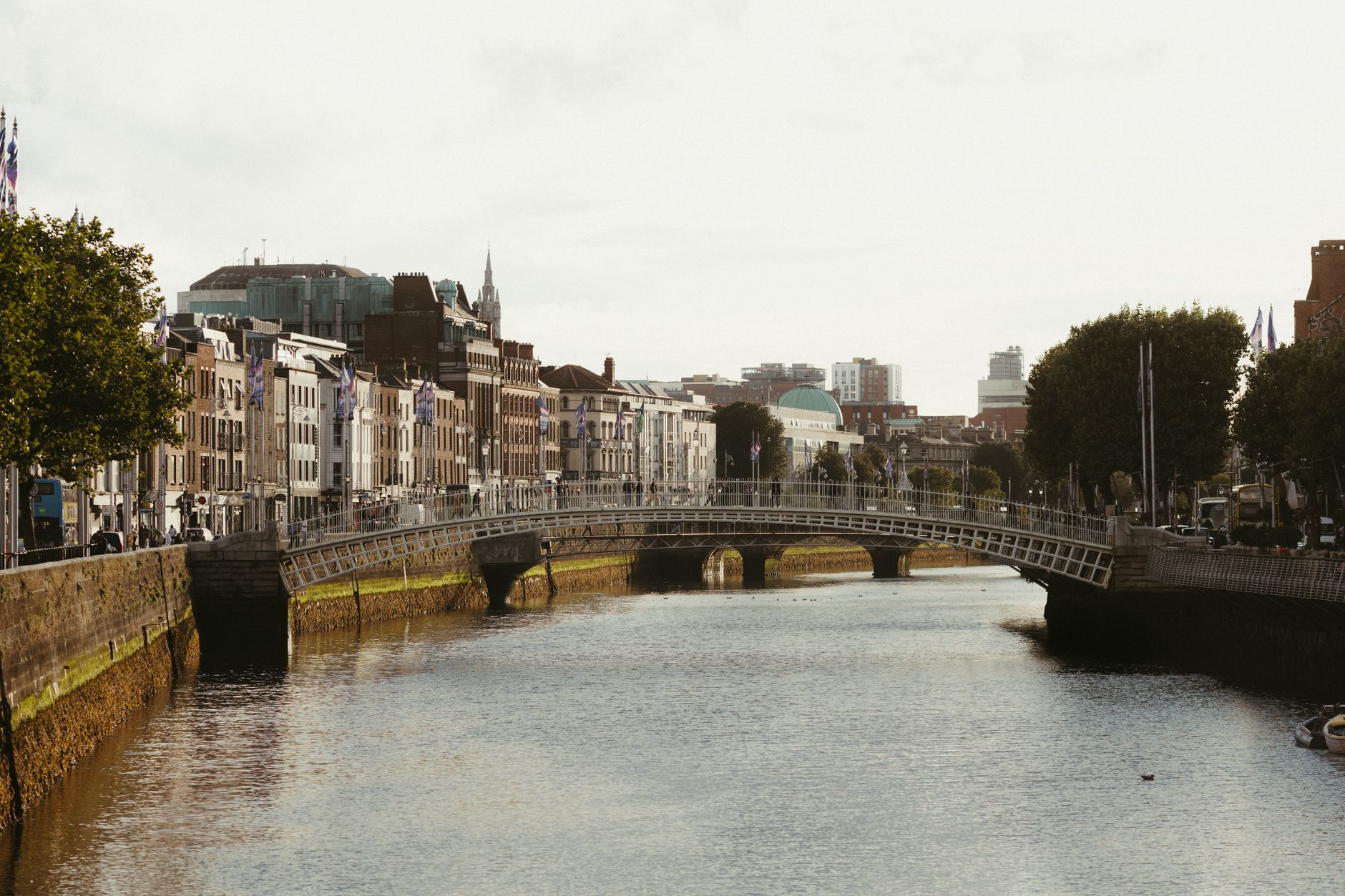
The Thin Lizzy frontman learned bass lines in working-class Crumlin and filmed the 'Old Town' video on Ha'penny Bridge. His bronze on Harry Street captures him mid-stride; locals leave plectrums and beer caps in his hand, turning the statue into an unofficial shrine that he'd toast with a grin.
Novelist · 1847–1912
Born here
Stoker spent sickly childhood days listening to Dublin ghost stories in Clontarf, later channeling them into 'Dracula.' Every October the city throws a Bram Stoker Festival—costumed vampires parade past the castle where he once worked as a civil clerk, proving Dublin loves its monsters hometown-proud.
Satirist · 1667–1745
Died here
As dean of St Patrick's Cathedral, Swift penned 'Gulliver's Travels' in his free time and left his earnings to found Dublin's first mental hospital. He's buried beneath the cathedral floor; his self-written epitaph calls out 'savage indignation,' a warning that still feels aimed at modern bureaucracies.
Singer-songwriter · 1966–2023
Born here
She first sang on the streets of Glenageary, shaved her head when label execs wanted glamour, and turned a Prince cover into a global howl of heartbreak. Dublin still flinches at her Saturday Night Live protest, but buskers on Grafton Street cover 'Nothing Compares 2 U' every weekend, keeping her rebel vow alive.
Where locals actually book dinner — not the tourist menus.
Small things that change how the city treats you.
The city, as it actually looks.
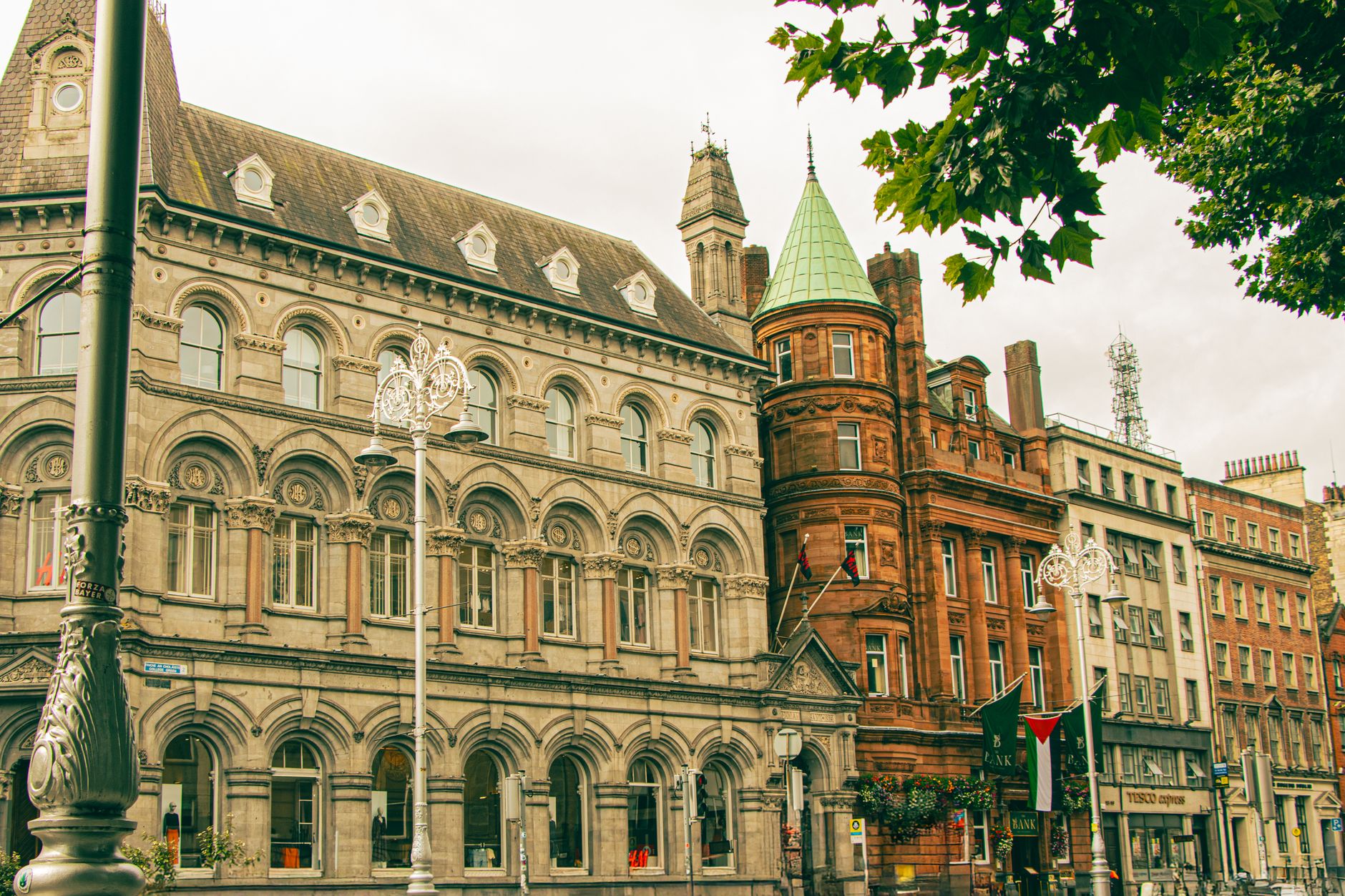

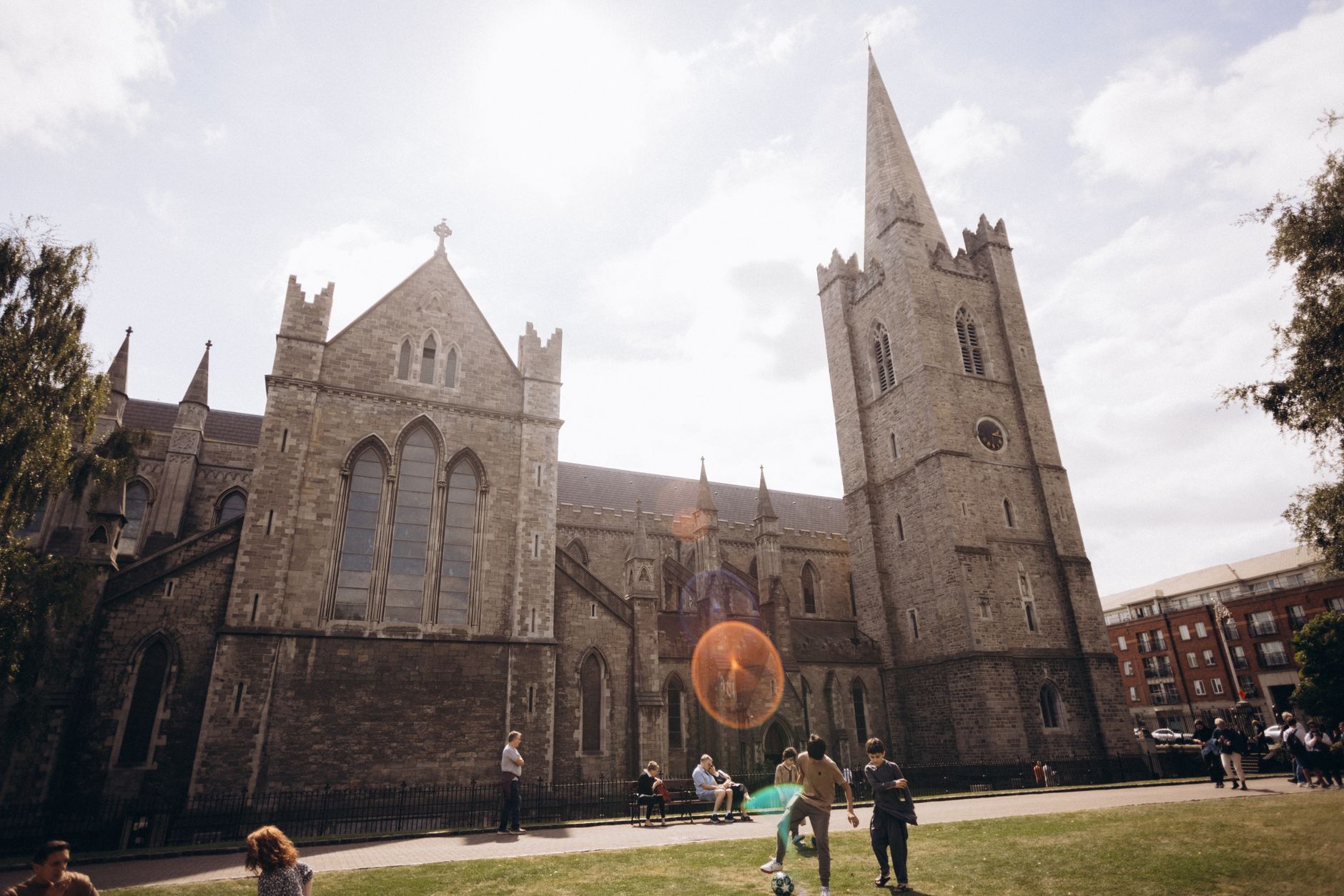

Yes, if you care about stories. Dublin hands you 1,200 years of written history you can walk in an afternoon—Viking foundations under a Norman castle beside a Georgian library where Nobel laureates once panicked over exams. Add live trad music in working pubs and coastal villages 20 minutes away by train.
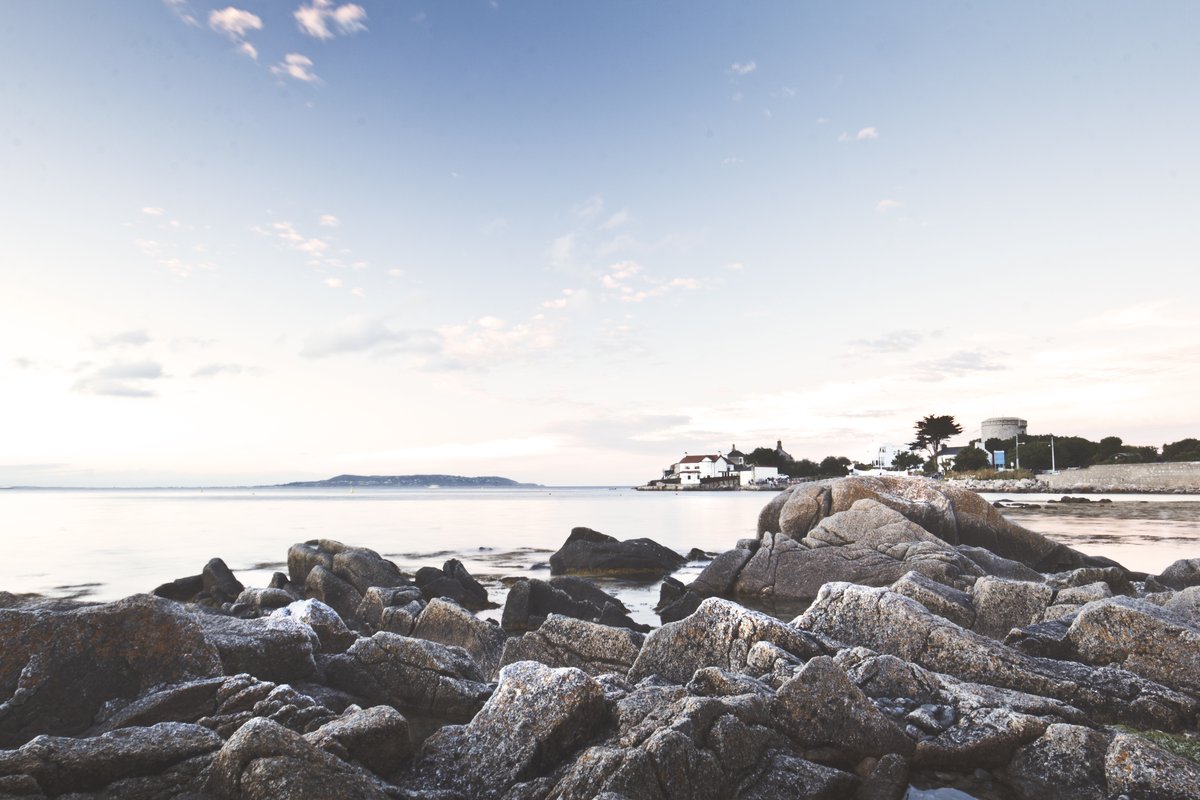
Three full days hits the sweet spot. Day one covers Trinity, the castles, and museums; day two does Guinness, Kilmainham, and a pub crawl in Smithfield; day three rides the DART to Howth's cliff walk or Dalkey for castle views and seafood. Add a fourth if you crave slower coffee mornings or side-trips to Newgrange.
Dublin Bus 41 costs only €2.60 and runs 24/7, but takes 45 minutes. Dublin Express is €9 online, uses the Port Tunnel, and reaches Trinity College in 14 minutes. For two travelers, a €28 taxi splits to about the same price and saves another 20 minutes.
Very. Violent crime rates are low compared with similar-sized European capitals. Stick to lit streets, avoid isolated ATMs on Talbot Street after midnight, and you'll feel comfortable walking back from Temple Bar or a late session in Portobello. Standard urban awareness is plenty.
Rarely. Cards work everywhere, even for a €3 coffee. Keep a little cash for Dublin Bus if you skip the Leap Card, weekend market stalls, and tipping rounds in traditional pubs. ATMs are free at AIB and Bank of Ireland—avoid the private ones that charge €3.
May–June or September. You'll get 15-18°C days, festivals like TradFest (January) or Bloomsday (June), and hotel prices that haven't hit July-August peaks. Winter is mild but dark by 4:30 pm; summer is warmest but crowded and pricier.
155 places to discover
Showing 1–48 of 155 places
Saved and recently read places — kept on this device only.
Photos may have been resized or cropped.