Architectural Features
The Custom House is a fine example of neoclassical civic architecture in Ireland. Its two-storey, three-bay structure is set over vaults, with a dignified limestone façade. The upper levels are finished in dressed ashlar, while the base is defined by rusticated stonework. Three recessed arcades with round arches at street level create a sense of grandeur (Wikipedia).
Key architectural highlights include:
- Central portico with Corinthian columns and a pedimented roof
- Decorative moldings and symmetrical window surrounds
- Notable interiors, such as the ornately paneled 1906 boardroom designed by William Price, which features semicircular tables, period woodwork, and maritime-themed art (The Rose of Tralee)
The site also features robust adjacent warehouses with vaulted ceilings and cast-iron columns, now being repurposed for public amenities as part of the redevelopment (Irish Construction).
The Custom House’s Evolving Role
Initially, the Custom House facilitated customs paperwork and revenue collection. With the establishment of the Cork Harbour Commissioners in 1814 (operational from 1820), the building shifted focus towards port management. In 1904, the Commissioners took a 999-year lease on the building, marking a new era in Cork’s maritime administration (Port of Cork).
Significant extensions in 1906 added the boardroom and committee room, further enhancing the building’s civic prominence. The Custom House continued to play a central role in port operations throughout the 20th century (Wikipedia, Cork Heritage).
Civic Symbolism and Legacy
The Custom House’s neoclassical grandeur quickly established it as a key symbol of Cork’s maritime and civic identity. Its façade once bore the royal arms, replaced in 1957 with the city’s arms to reflect evolving local pride. The Latin inscription “Statio Bene Fide Carinis” (“a safe harbour for ships”) underlines its historic purpose (The Rose of Tralee).
The building’s continued prominence is assured through its protected status and role in pivotal port projects, such as the Cork Harbour Development Plan and the Ringaskiddy Ferry Terminal (Port of Cork).
Visiting Information: Hours, Tickets, and Accessibility
Current Access
- Public Access As of 2025, the Custom House is not open for routine public tours. The Port of Cork Company vacated the building in 2021 (Irish Examiner), but the exterior can be admired from Custom House Quay and adjacent public walkways.
- Admission There is no fee to view the building from the outside.
- Guided Tours Occasionally offered during events such as Cork Heritage Open Day or by appointment with local tour operators (Cork Heritage Open Day).
- Accessibility The quays and public spaces are wheelchair accessible, with step-free pedestrian routes.
Future Developments
The Custom House Quay site is undergoing sensitive redevelopment led by Gensler and Henry J Lyons. Plans include a luxury hotel, sky-bar, immersive maritime heritage centre, and enhanced public spaces. Accessibility enhancements—such as step-free access, tactile signage, and accessible toilets—are a priority (Irish Construction).
Preservation and Future Developments
The Custom House and associated structures remain protected under Cork City Council’s heritage policies. The current redevelopment will:
- Preserve and restore historic façades and interiors using traditional techniques
- Integrate modern amenities (climate control, lifts, fire safety) discreetly
- Repurpose the bonded warehouses for public use, blending old and new (Irish Construction)
The project also emphasizes sustainability through energy efficiency, local materials, and on-site amenities like a micro-distillery.
Visitor Experience and Nearby Attractions
Although entry to the Custom House itself is limited, the surrounding district is rich in cultural offerings:
- Crawford Art Gallery Housed in the original 1724 Custom House, featuring Irish and European art (Crawford Art Gallery)
- English Market A celebrated food market in Cork city centre
- Shandon Bells & Tower Iconic landmark with panoramic city views
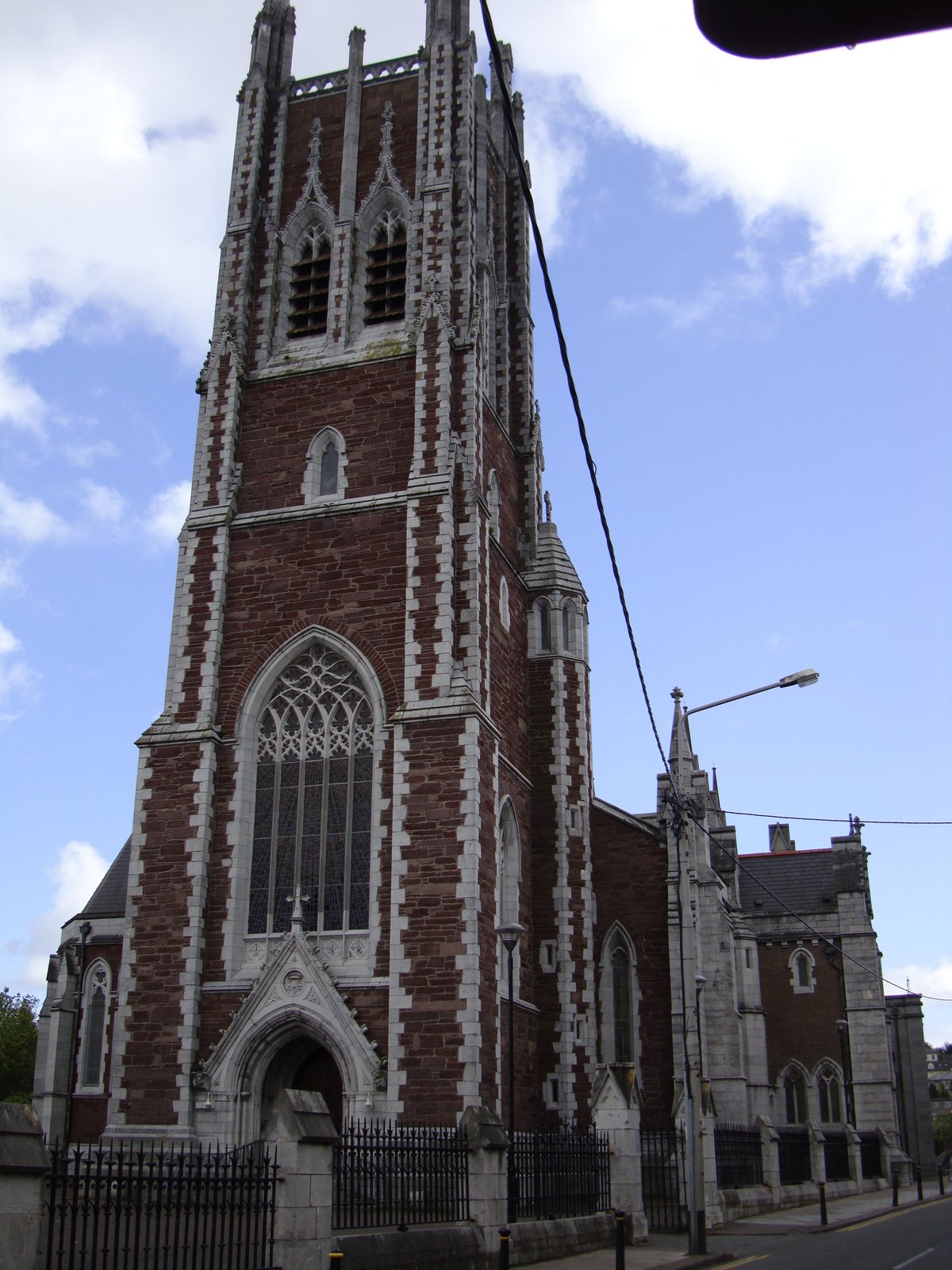
- St. Fin Barre’s Cathedral and Cork City Gaol Other historic sites within walking distance
Public transport, taxis, and pedestrian routes connect the Custom House to these attractions, making it easy to plan a comprehensive Cork city tour.
Frequently Asked Questions (FAQs)
Q: Can I tour the inside of the Custom House Cork?
A: Not currently, except during special events or by appointment.
Q: Is there an entry fee?
A: No, viewing the exterior is free. Some special exhibitions may charge admission.
Q: Are guided tours available?
A: Occasionally, particularly during Cork Heritage Open Day or by arrangement with tour operators.
Q: Is the area accessible for people with mobility issues?
A: Yes, the surrounding quays and routes are accessible.
Q: What are the best nearby attractions?
A: Crawford Art Gallery, English Market, Shandon Bells & Tower, St. Fin Barre’s Cathedral, and Cork City Gaol.
Essential Information at a Glance
- Address Custom House Quay, Cork, Ireland
- Admission Free to view exterior; internal access by special arrangement
- Accessibility Wheelchair accessible public spaces
- Nearby Transport Close to city centre bus stops and Kent Railway Station
- Facilities Amenities available at nearby attractions