

History and Development of the CB&SCR
Origins and Expansion
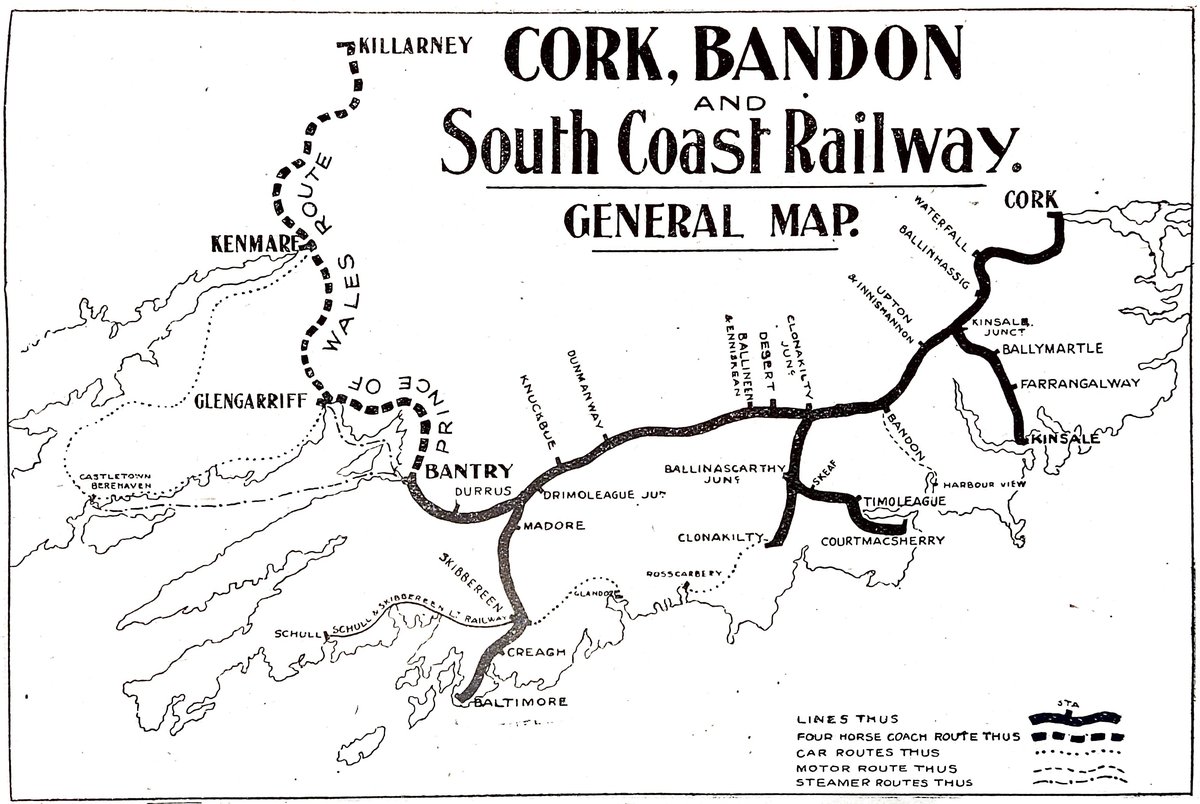
The CB&SCR began as the Cork and Bandon Railway (C&BR), incorporated in 1845 with the goal of linking Cork City to Bandon and eventually the broader West Cork region (Railscot). The first section opened in 1849, running from Cork (Albert Quay) to Bandon and built to the Irish standard gauge of 1,600 mm (5 ft 3 in) (DBpedia). Overcoming engineering challenges posed by difficult terrain, the railway soon became a vital conduit for trade and travel.
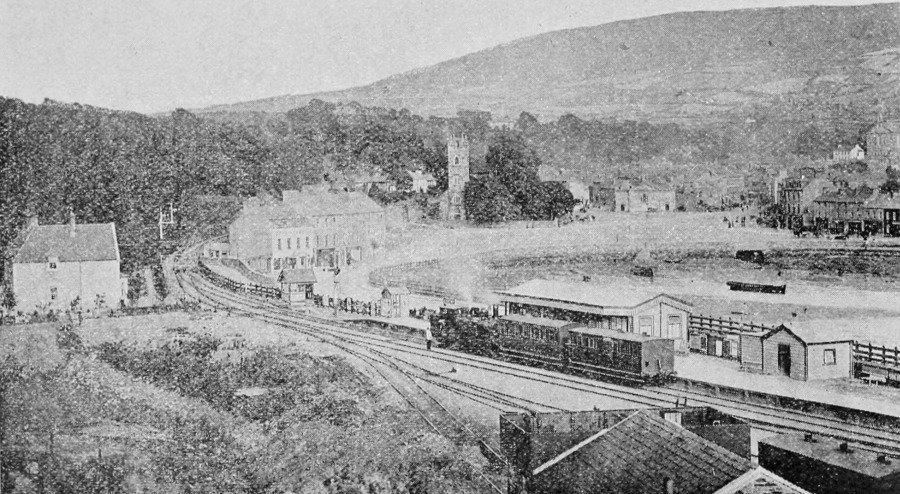
By the late 19th century, the CB&SCR absorbed several smaller lines, including the Cork and Kinsale Junction Railway and the West Cork Railway, culminating in its rebranding in 1888. At its height, the network spanned approximately 94 miles (151 km), connecting Cork to Clonakilty, Skibbereen, Bantry, Baltimore, and Kinsale, with branches facilitating steamship connections (Roaringwater Journal).
Economic and Social Impacts
Driving Regional Development
Before the railway, West Cork was isolated, with limited access to major markets. The CB&SCR revolutionized connectivity, enabling agricultural and fishery products to reach Cork City and export markets efficiently. The economic uplift was substantial—farmers, fishermen, and small businesses benefited from reliable transport, rapid market access, and improved living standards (Railscot). The railway also created jobs and spurred the growth of ancillary businesses around stations.
Enhancing Social Mobility and Cultural Exchange
The railway facilitated educational, employment, and healthcare access, linking rural communities with Cork City. It also promoted tourism, bringing visitors to scenic West Cork destinations and fostering cultural exchange through events and festivals (Roaringwater Journal; invectis.co.uk).
Engineering and Operational Features
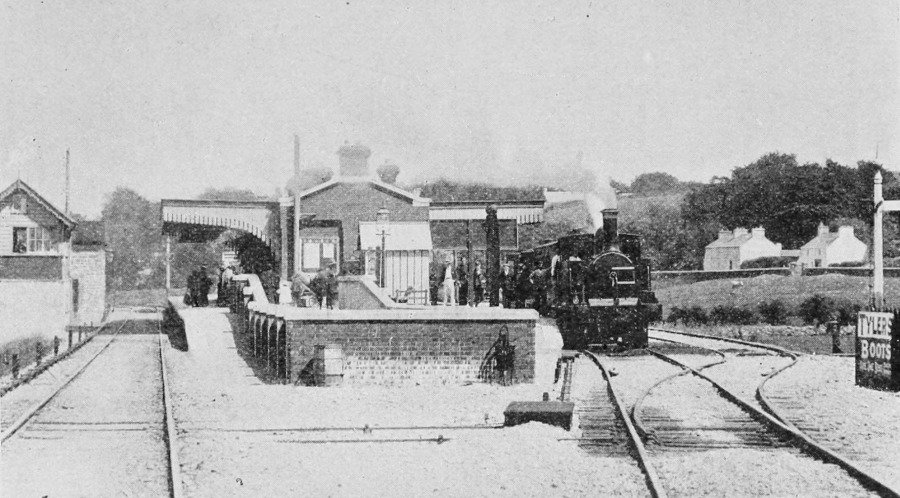
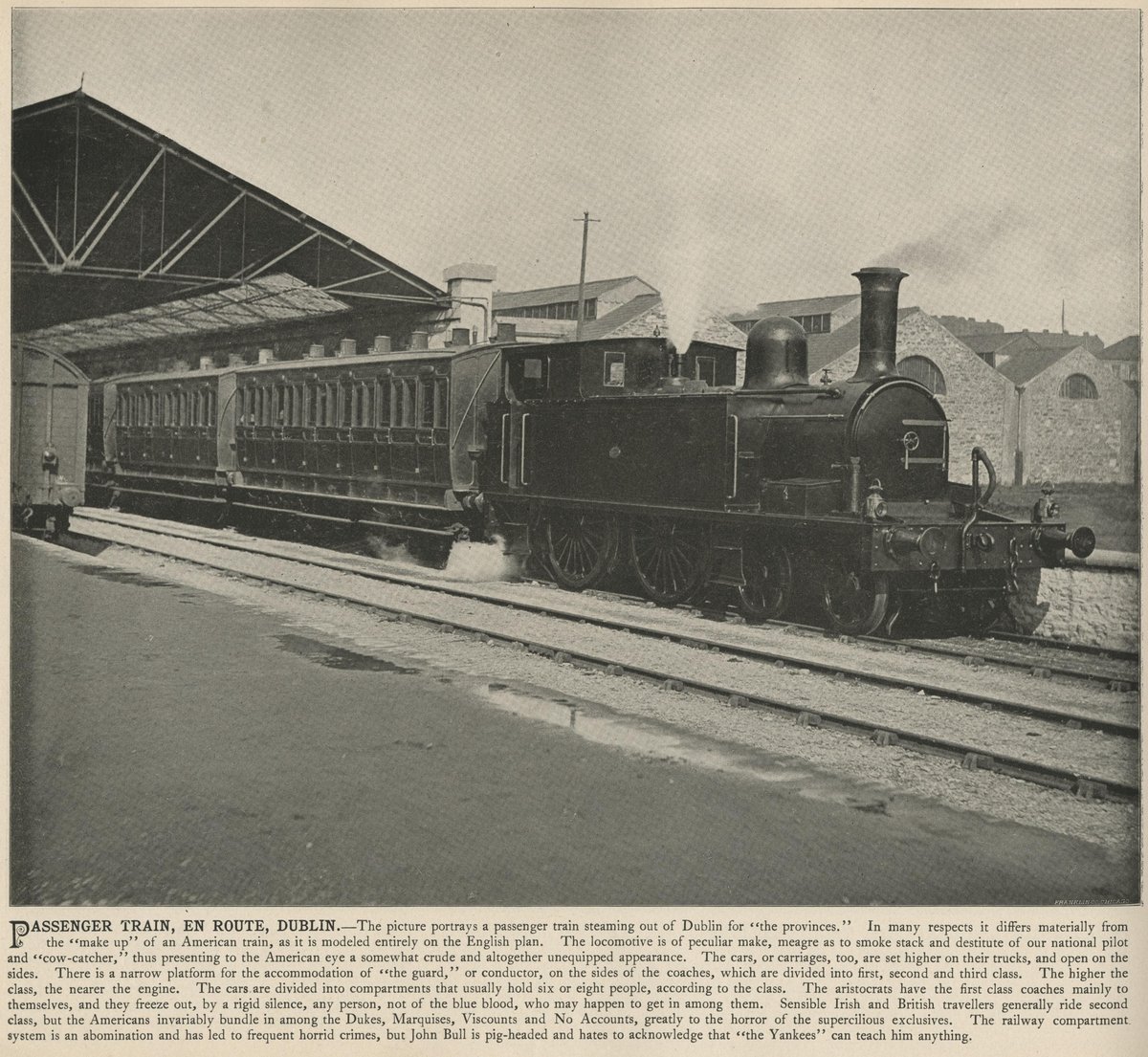
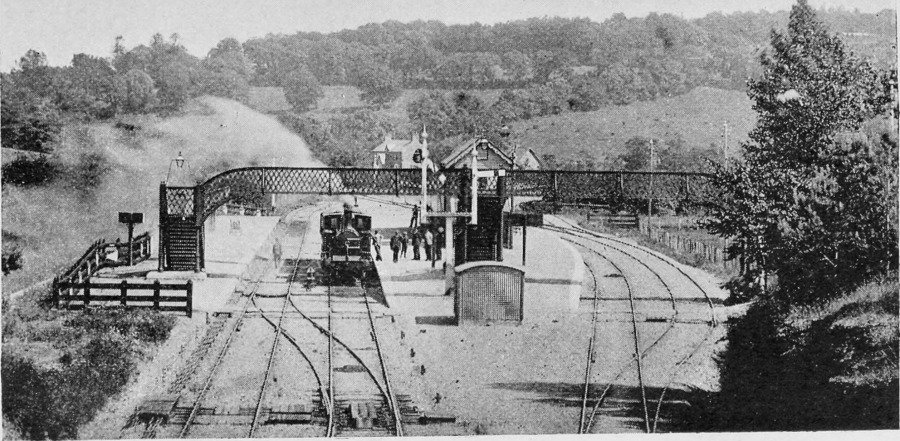
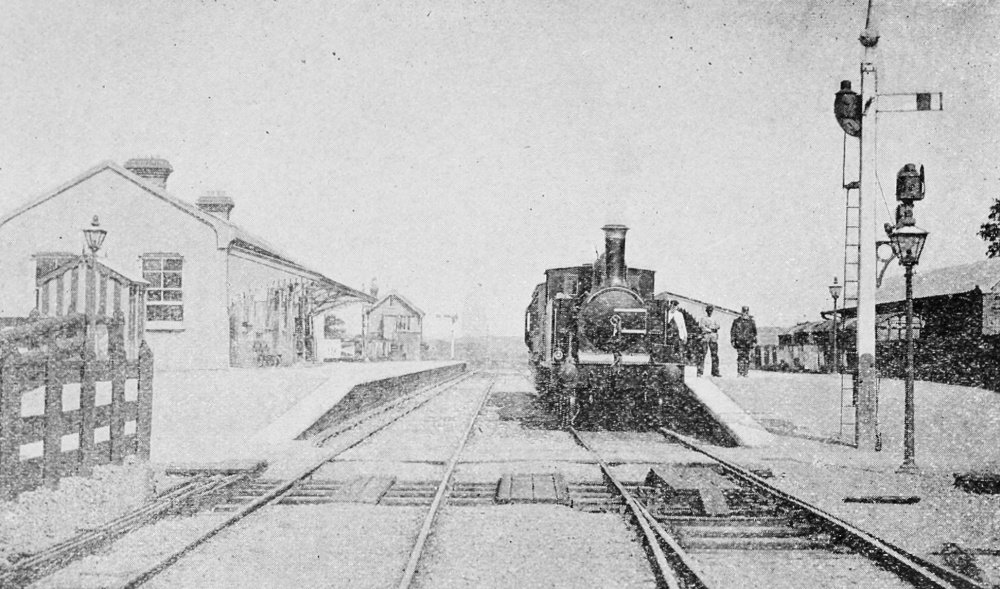
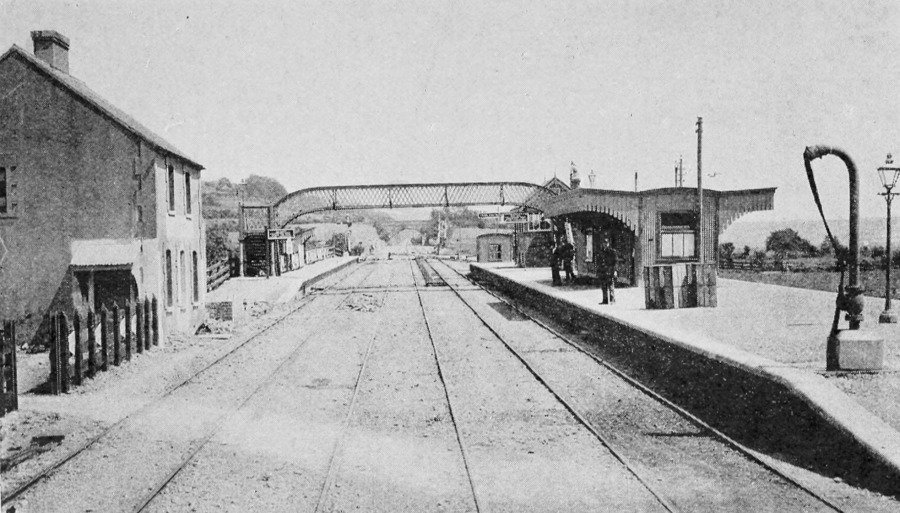
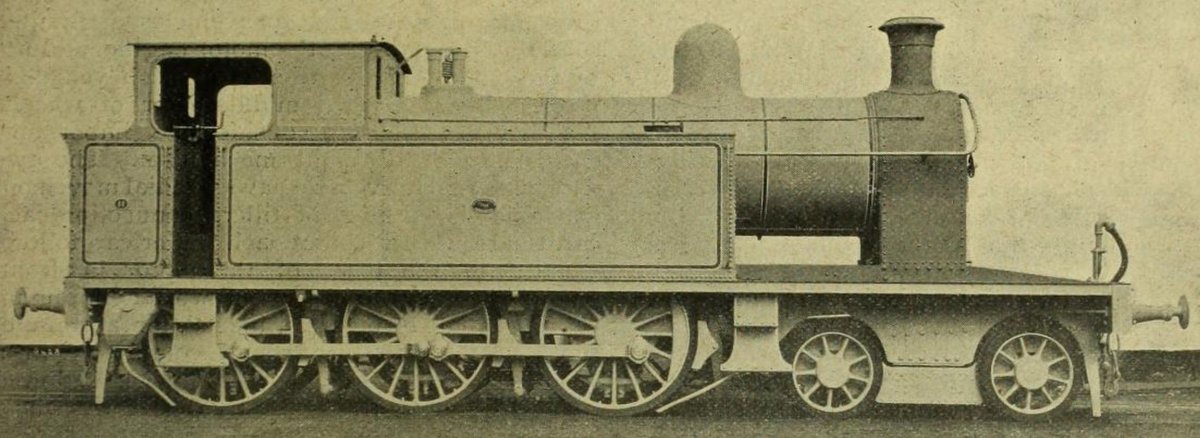
The CB&SCR was constructed as a single-track line with passing loops, and relied on robust steam locomotives built for West Cork’s gradients. Its infrastructure included stations ranging from grand stone buildings to modest rural halts, goods sheds, engine workshops, and distinctive viaducts and tunnels (Railscot). Many of these structures are visible today and have become heritage landmarks.
Decline and Preservation
After Ireland’s independence, the CB&SCR was absorbed into the Great Southern Railway (GSR) in 1924 (DBpedia). Despite modernization attempts, the rise of road transport led to declining use and branch closures from the 1940s onward. The line was fully closed by April 1961, but its physical and cultural legacy remains strong thanks to preservation efforts and public interest (Roaringwater Journal).
Visiting CB&SCR Heritage Sites
Key Landmarks
Chetwynd Viaduct
- Overview An iconic Victorian iron lattice viaduct designed by Charles Nixon and built by Fox, Henderson & Co., also builders of London’s Crystal Palace (ballinora.com).
- Features 500 feet long, 91 feet high, wrought iron girders on stone piers.
- Access Viewable from the N71 road and public paths. No crossing permitted; parking available nearby.
- Tickets No ticket required.
- Future Plans Proposals exist to incorporate the viaduct into a public greenway (irishexaminer.com).
Gogginshill Tunnel
- Overview Ireland’s longest abandoned railway tunnel, constructed in 1850–51 near Ballinhassig (ballinora.com).
- Features 906 yards long, three ventilation shafts, reinforced with brick arches.
- Access Open to walkers; bring a flashlight and wear sturdy shoes.
- Parking Limited parking in Ballinhassig.
Kilpatrick (Innishannon) Tunnel
- Details 122 meters long, structurally sound, located less than 1 km west of Innishannon.
- Access Via rural roads; viewable externally (ballinora.com).
Halfway Viaduct
- Features Three-arch stone viaduct, 30 meters above the valley floor, built in 1847.
- Access Near Halfway village, accessible via local roads (ballinora.com).
Cork Terminus at Albert Quay
- Features Historic city terminus with three platforms and goods facilities, now repurposed as a city office (corkheritage.ie).
Museums and Heritage Centres
- West Cork Model Railway Village (Clonakilty) Features scale models and exhibits of the CB&SCR and other local lines (West Cork Model Railway Village). Open daily; small admission fee.
- Bandon Heritage Centre Exhibits on local railway and town history. Open seasonally; check for hours and ticket prices.
Walking and Cycling Trails
- Bandon to Innishannon Greenway Follows the old trackbed and is suitable for walking and cycling; free access.
- Cork City to Passage West Greenway A nearby greenway with railway heritage interpretive panels (Rough Guides: Cork).
Guided and Virtual Tours
Local heritage groups occasionally offer guided walking tours in the summer. Virtual tours and digital archives are available via the Cork County Library and related historical websites.
Accessibility and Visitor Tips
- Transport Best accessed by car or bicycle; limited public transport to rural sites.
- Accessibility Major centres are generally wheelchair accessible, though some historic structures may present challenges.
- Best Times to Visit Spring through early autumn for optimal weather and events.
- What to Bring Comfortable shoes, camera, water, and weather-appropriate clothing.
- Safety Exercise caution in tunnels and near railway remnants; bring a flashlight for tunnels.
Nearby Attractions
Enhance your visit by exploring neighboring West Cork attractions:
- The Beara Peninsula and Bantry Bay
- Clonakilty and Kinsale towns
- Local markets, festivals, and historic sites
For more ideas, see our West Cork Tourism Guide and Historical Sites in Cork City.
Frequently Asked Questions
Q: Are CB&SCR sites free to visit?
A: Most outdoor sites and walking trails are free. Heritage centres and museums may charge a modest entry fee.
Q: Are guided tours available?
A: Yes, mainly in summer. Check local tourism resources for schedules.
Q: Can I walk or cycle the old railway lines?
A: Yes, many sections are now greenways open to the public.
Q: Are the sites accessible for visitors with mobility challenges?
A: Accessibility varies; major museums are generally accessible, but some outdoor sites may have uneven terrain.
Q: Where can I find more information?
A: Visit official tourism websites, local visitor centres, or corklocalstudies.ie.