
Place
Republic of Ireland Updated Oct 2026
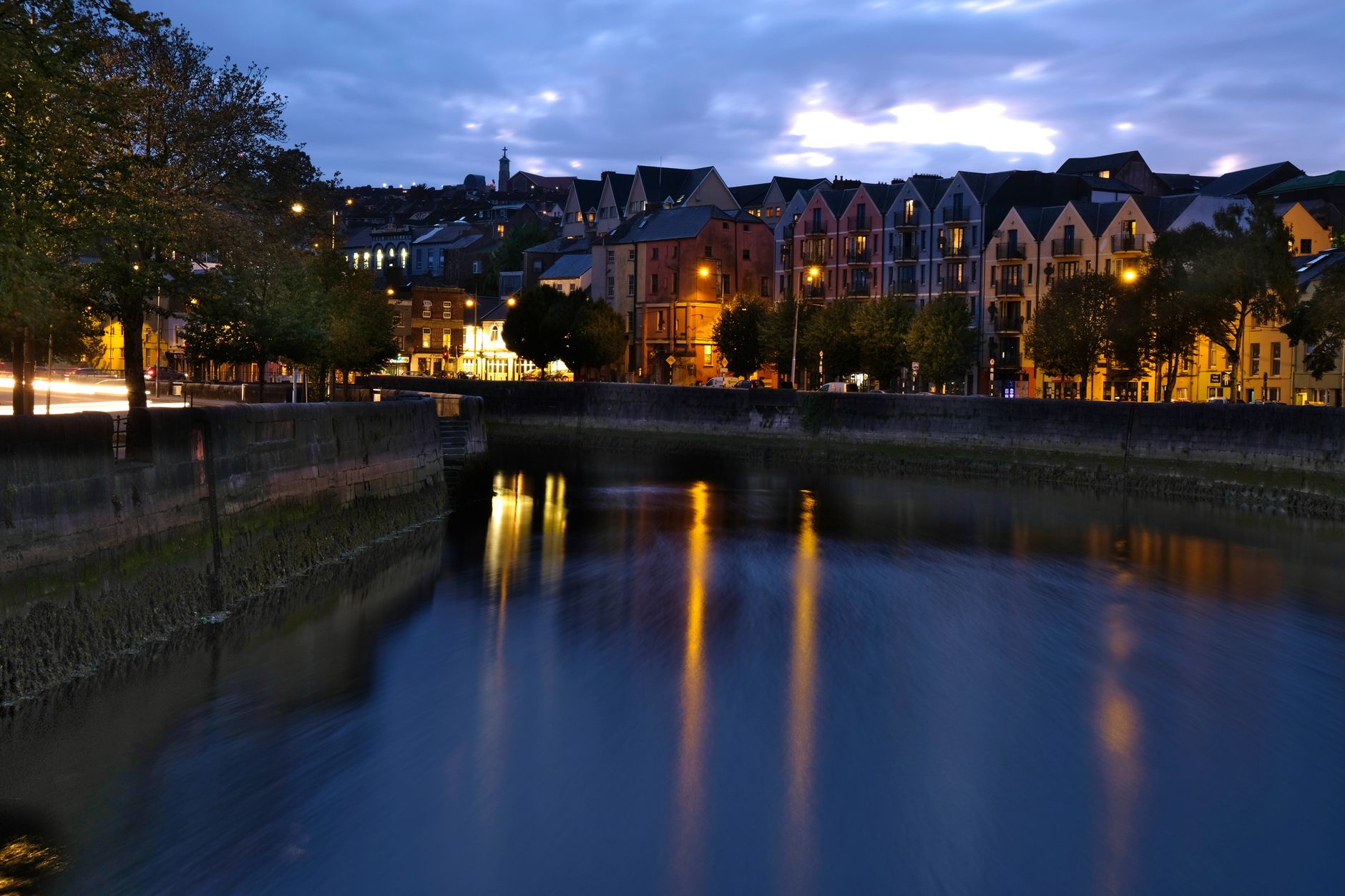
Cork’s centre sits between two channels of the River Lee, so water seems to slip past from both sides as you cross its bridges. In the Republic of Ireland’s southern city, the English Market has traded since 1788, while nearby pubs pour Murphy’s and Beamish to locals with opinions about both. Come for the food and music; stay for the way Cork makes its history feel part of an ordinary afternoon.
 Photo: Michael Fischer / Pexels
Built from cited sources · see the method · How we make our guides →
The English Market is the city’s most persuasive introduction: under its roof, fishmongers, cheesemakers and butchers work a close-packed run of stalls, and the Farmgate Café serves food sourced from them. Order tripe and drisheen if you want to meet Cork’s older, less polished food traditions; choose a farmhouse cheese if you don’t.
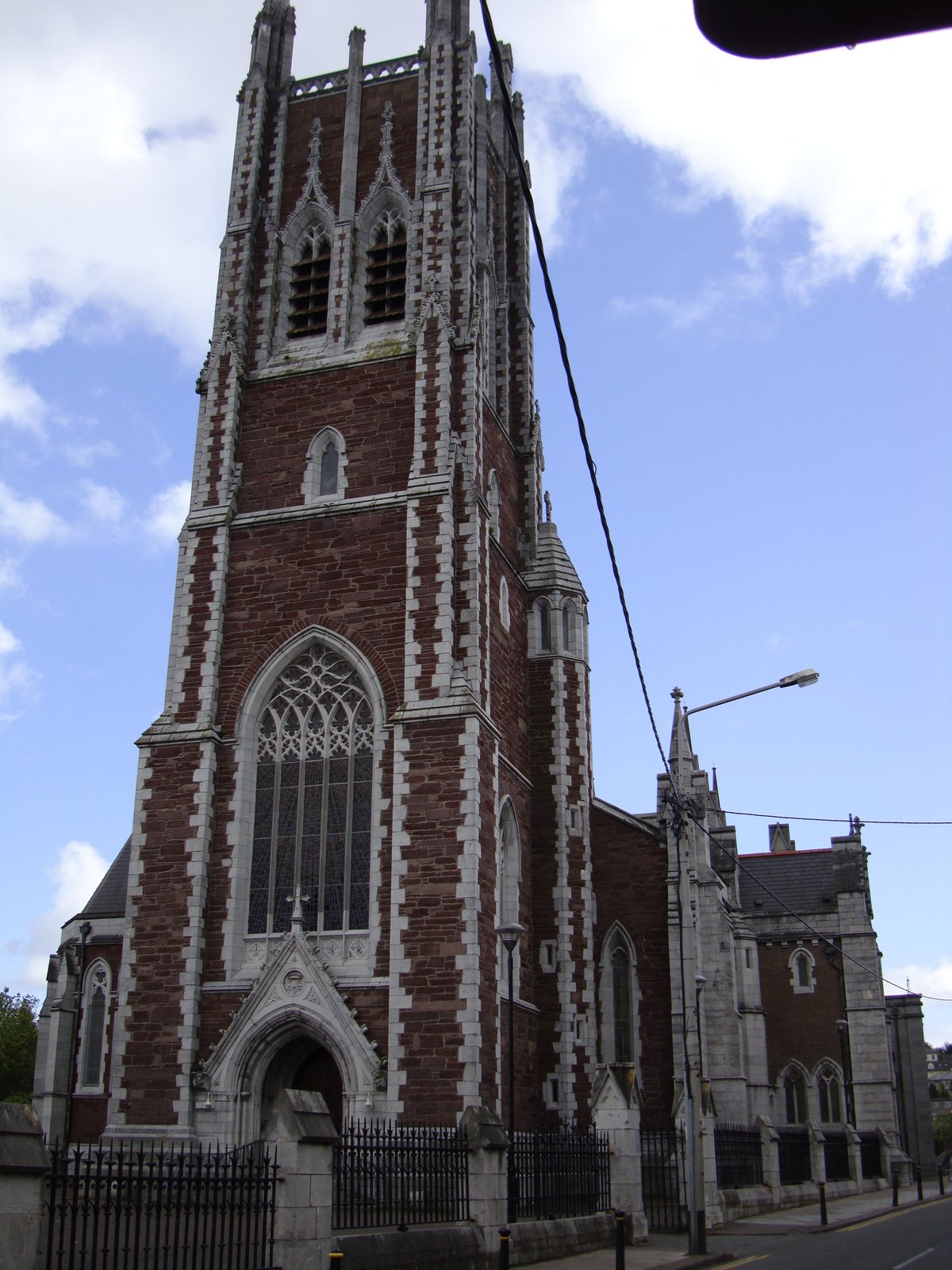
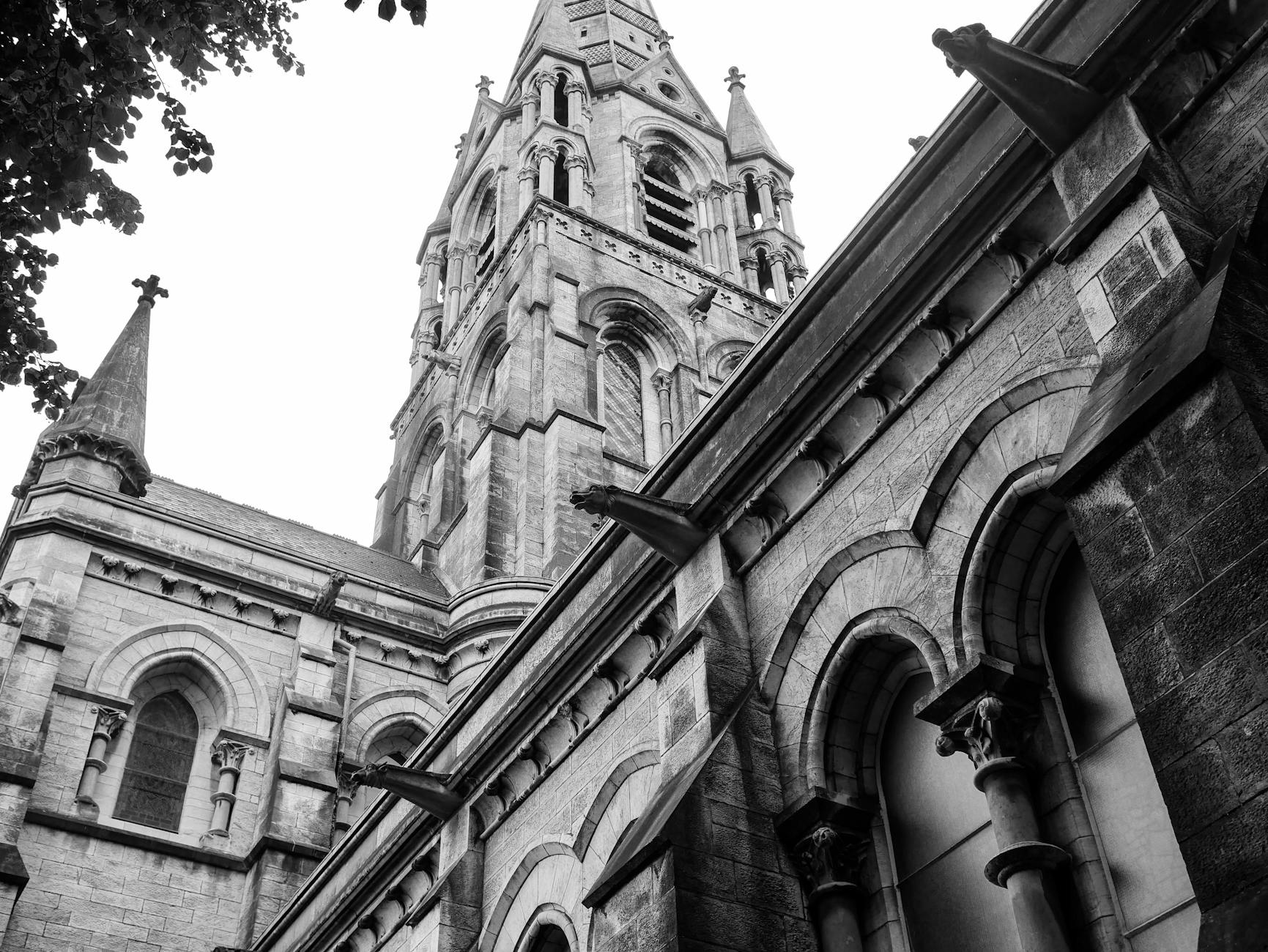
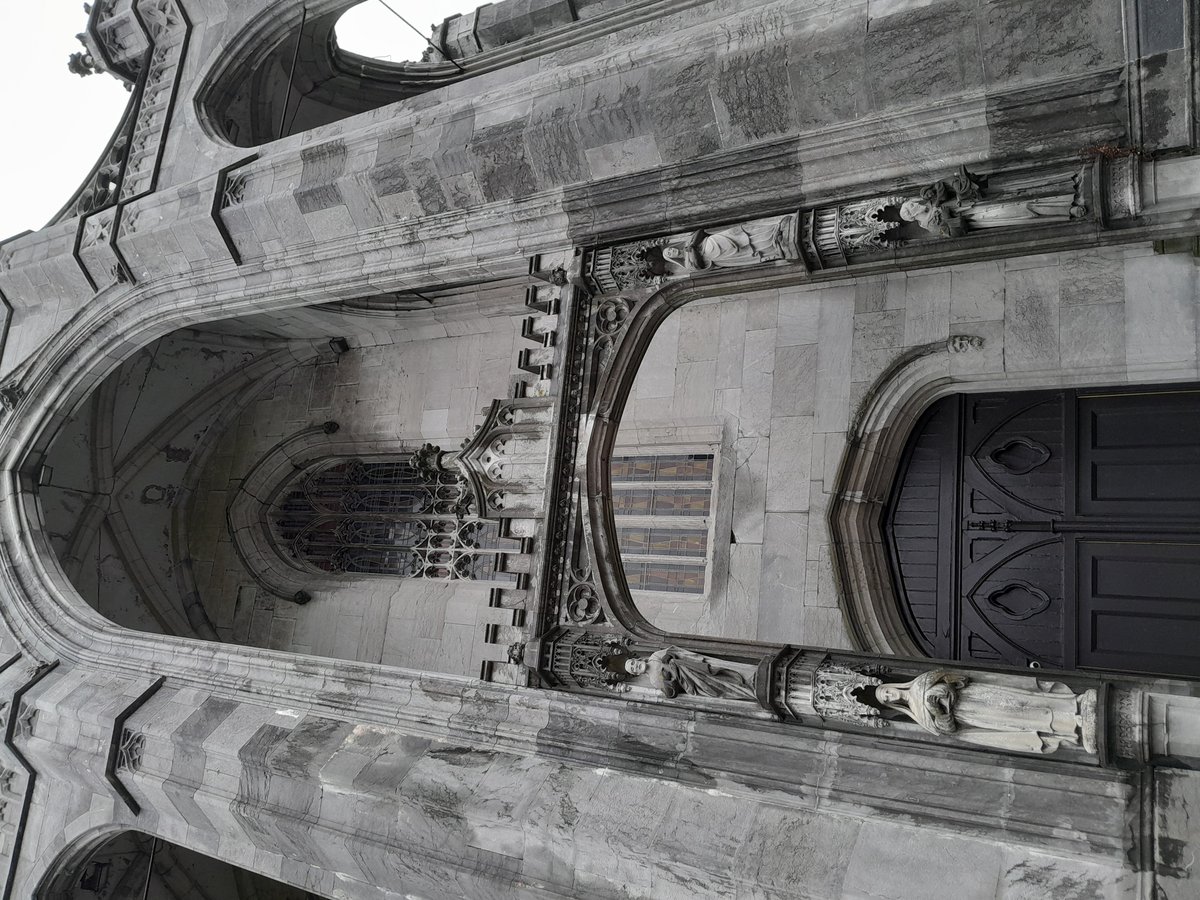
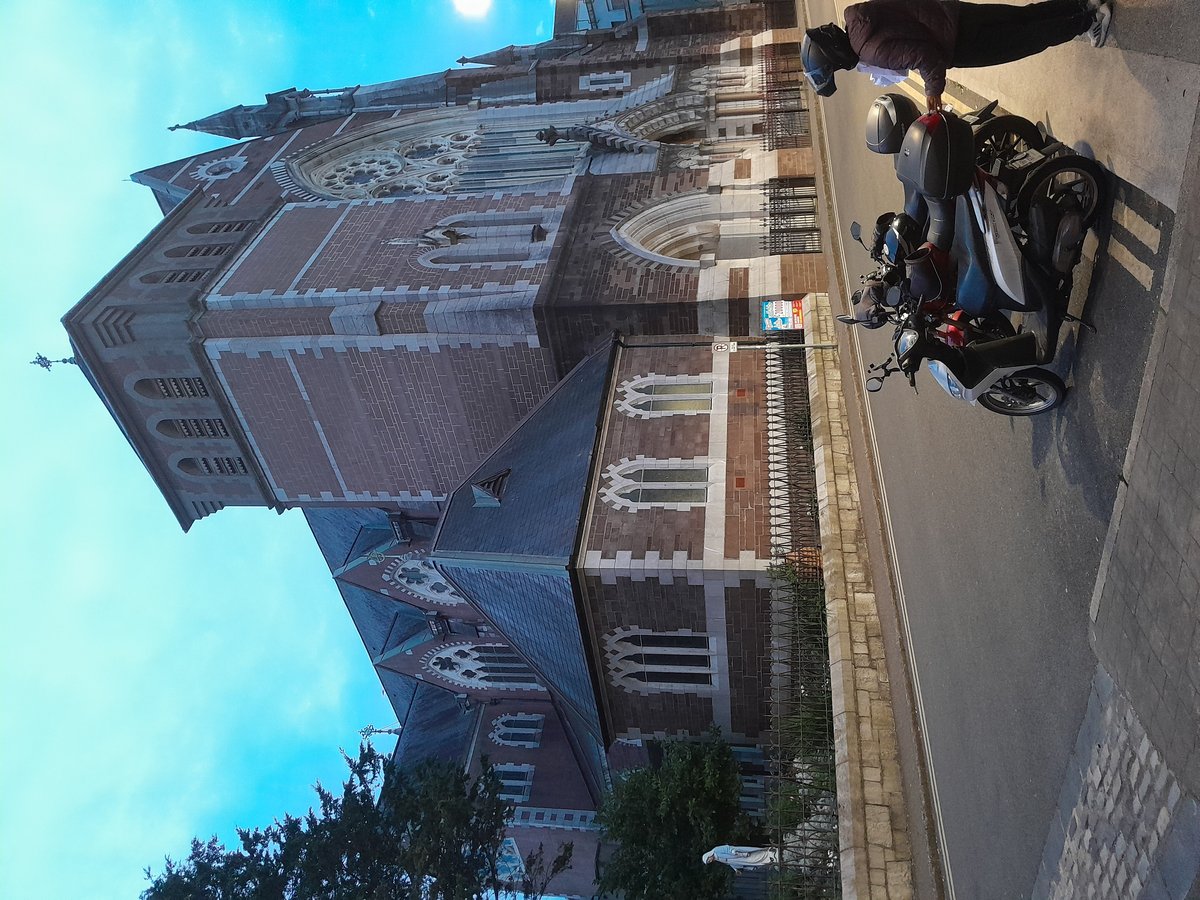
Cork’s churches tell different stories in stone. William Burges’s St Fin Barre’s Cathedral, consecrated in 1870, gathers 74 stained-glass windows beneath three spires; in Shandon, the red sandstone and white limestone tower of St Anne’s holds bells visitors can ring and four clock faces known locally as the “Four-Faced Liar.”
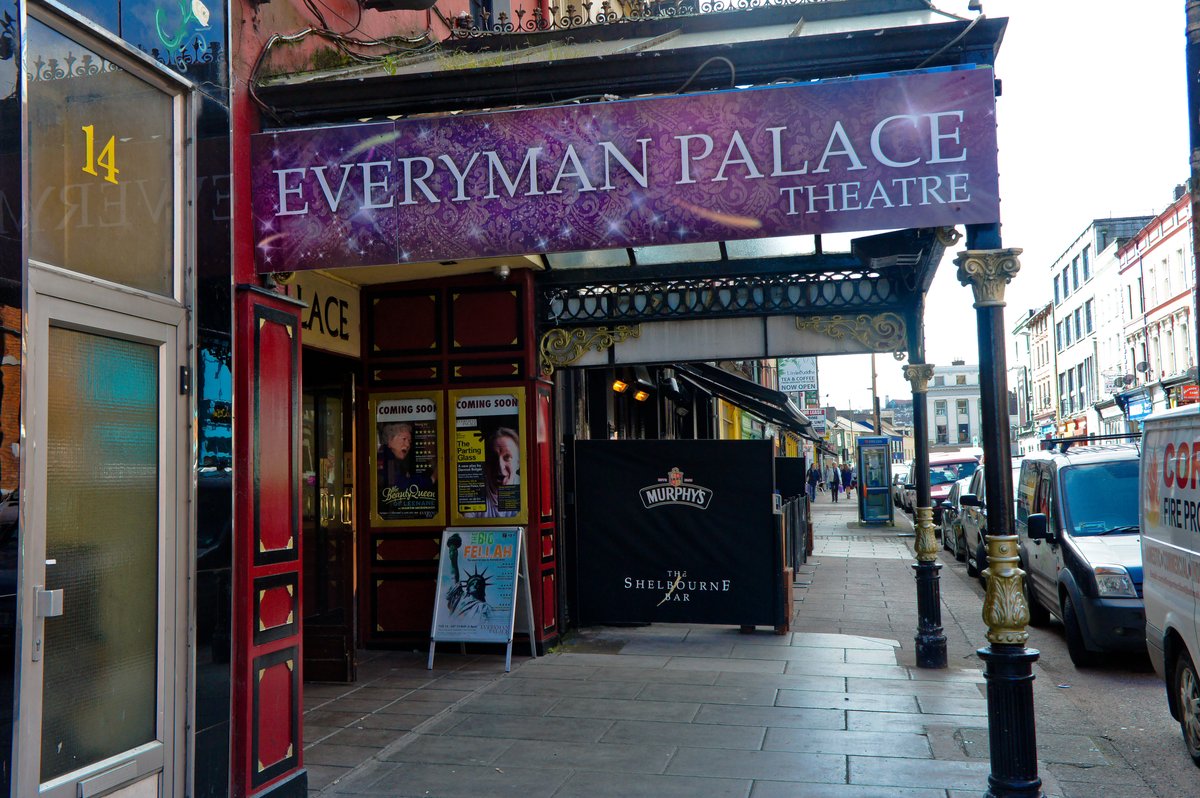
The city’s cultural life runs through intimate rooms as much as formal stages: traditional sessions gather in pubs such as Sin É, while the Everyman Theatre keeps its 1897 proscenium arch in use. Cork feels less like a set of monuments than a place where market errands, music and centuries of building share the same streets.
Not every monument, just the ones we'd walk you past ourselves.
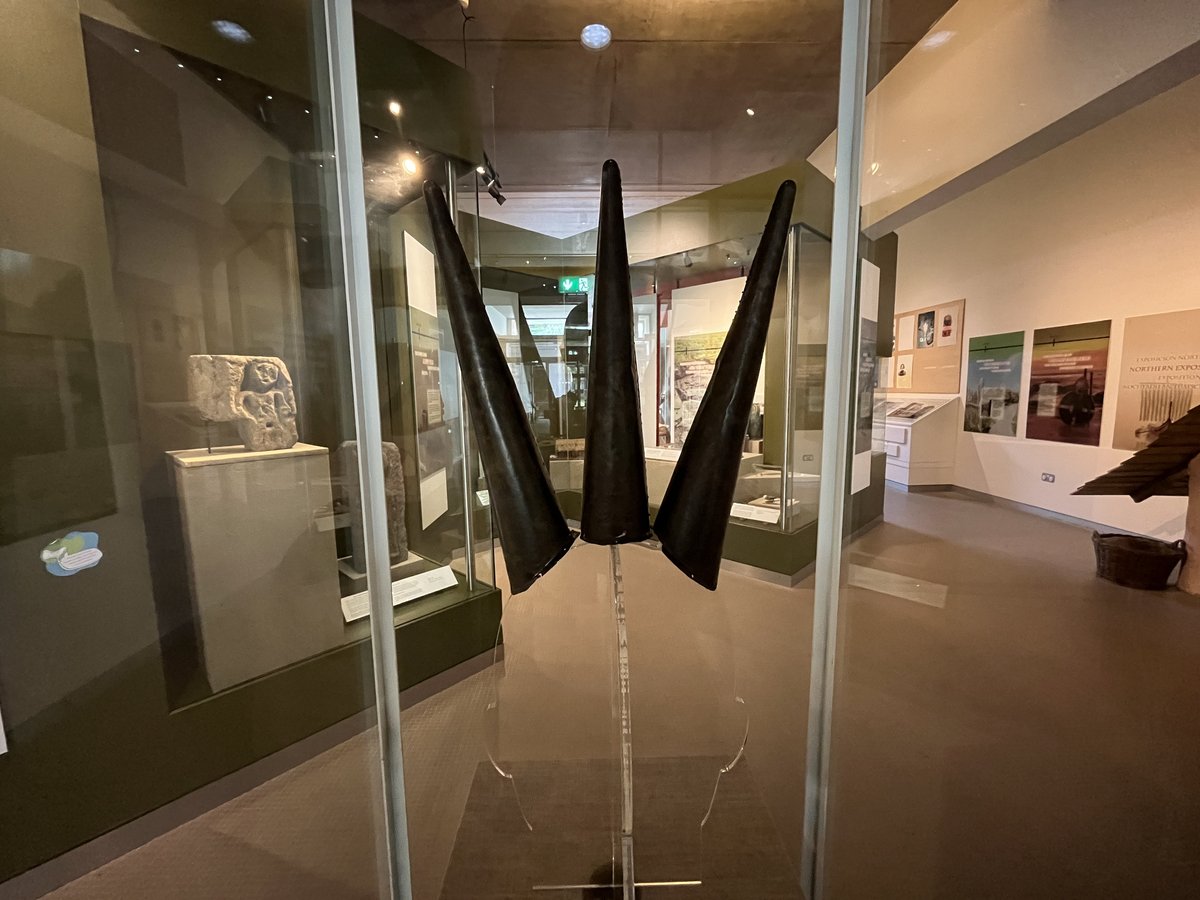
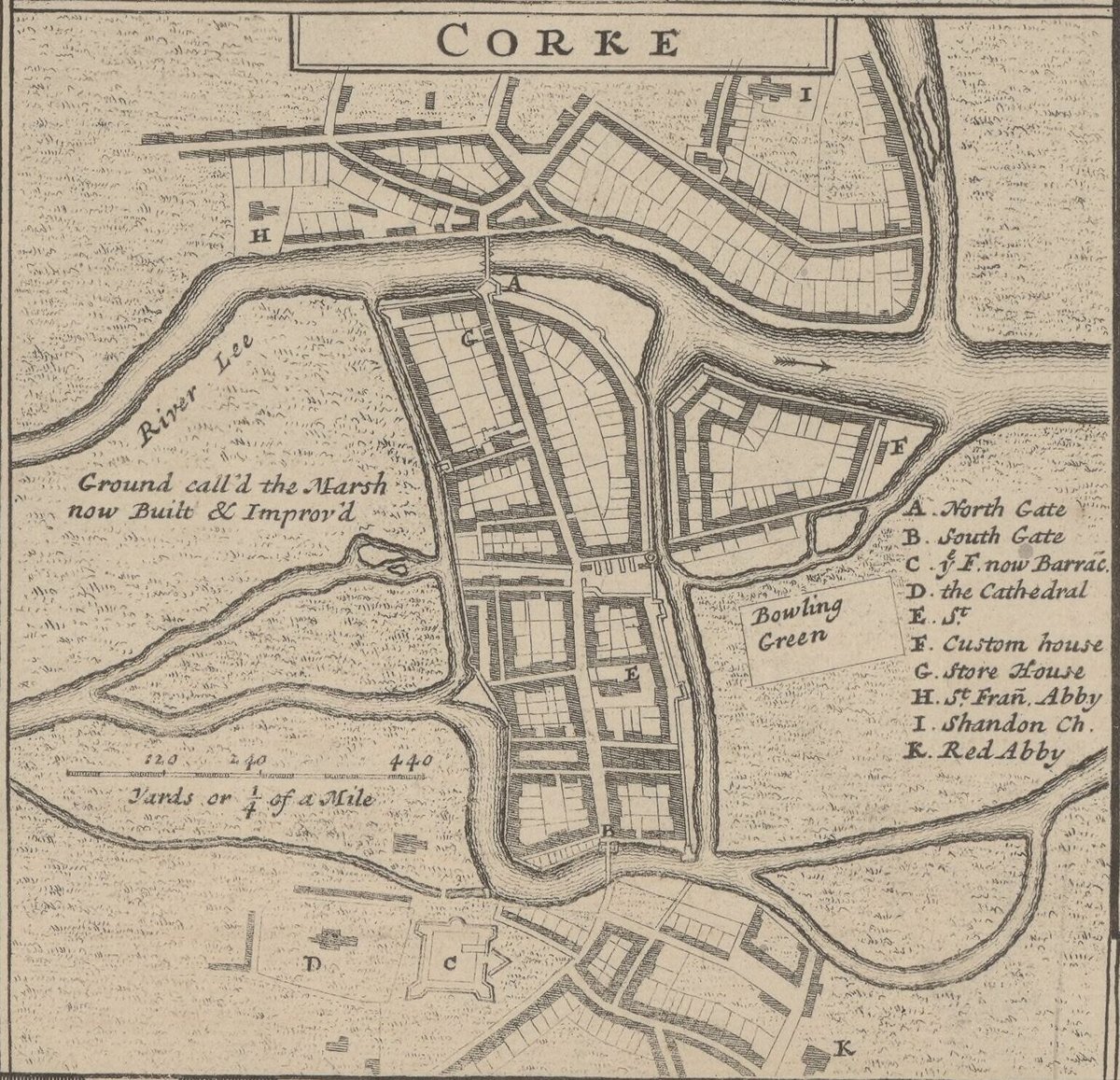
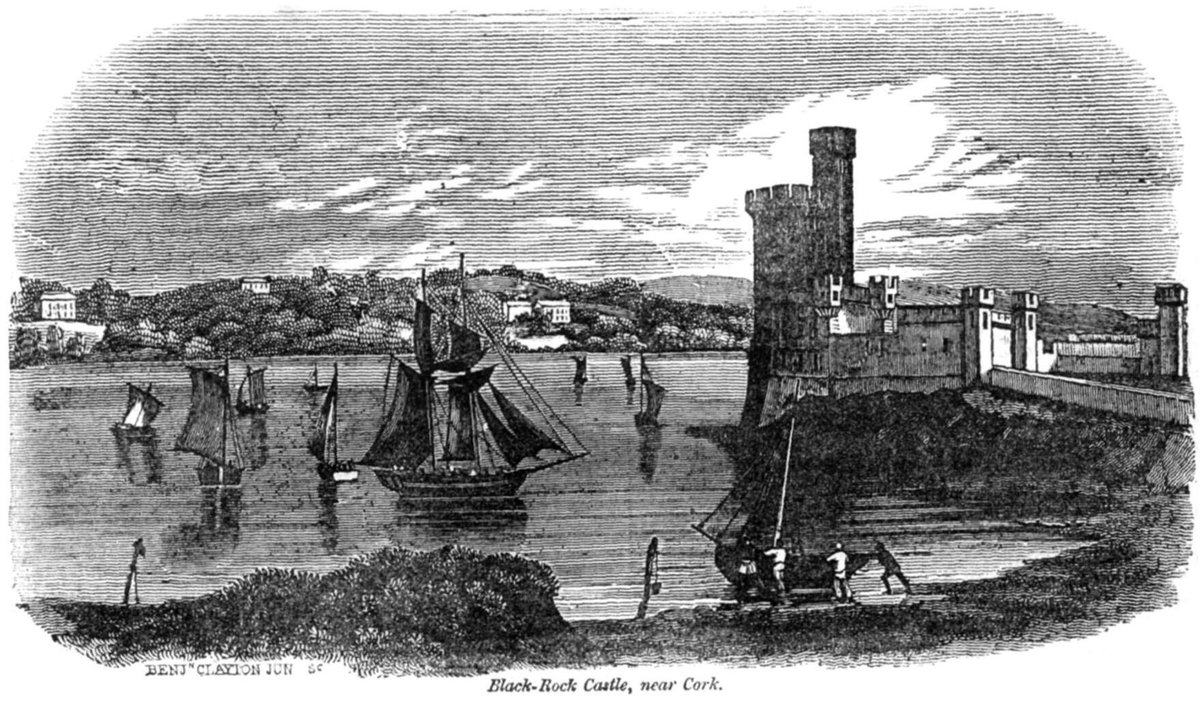
Where to wander, by quarter — each with its own rhythm.
Before you go
Curated from places in this city. Same price as official sites.


Prices shown are indicative — final pricing and availability are confirmed at checkout. Audiala may receive a commission from bookings made via these links.
From a monastery on the Lee to Ireland’s southern capital
Church tradition places Finbarr’s birth in County Cork around 550 and credits him with founding a monastery beside the Lee. The details come from later religious accounts, but his name still anchors the city’s oldest Christian story.
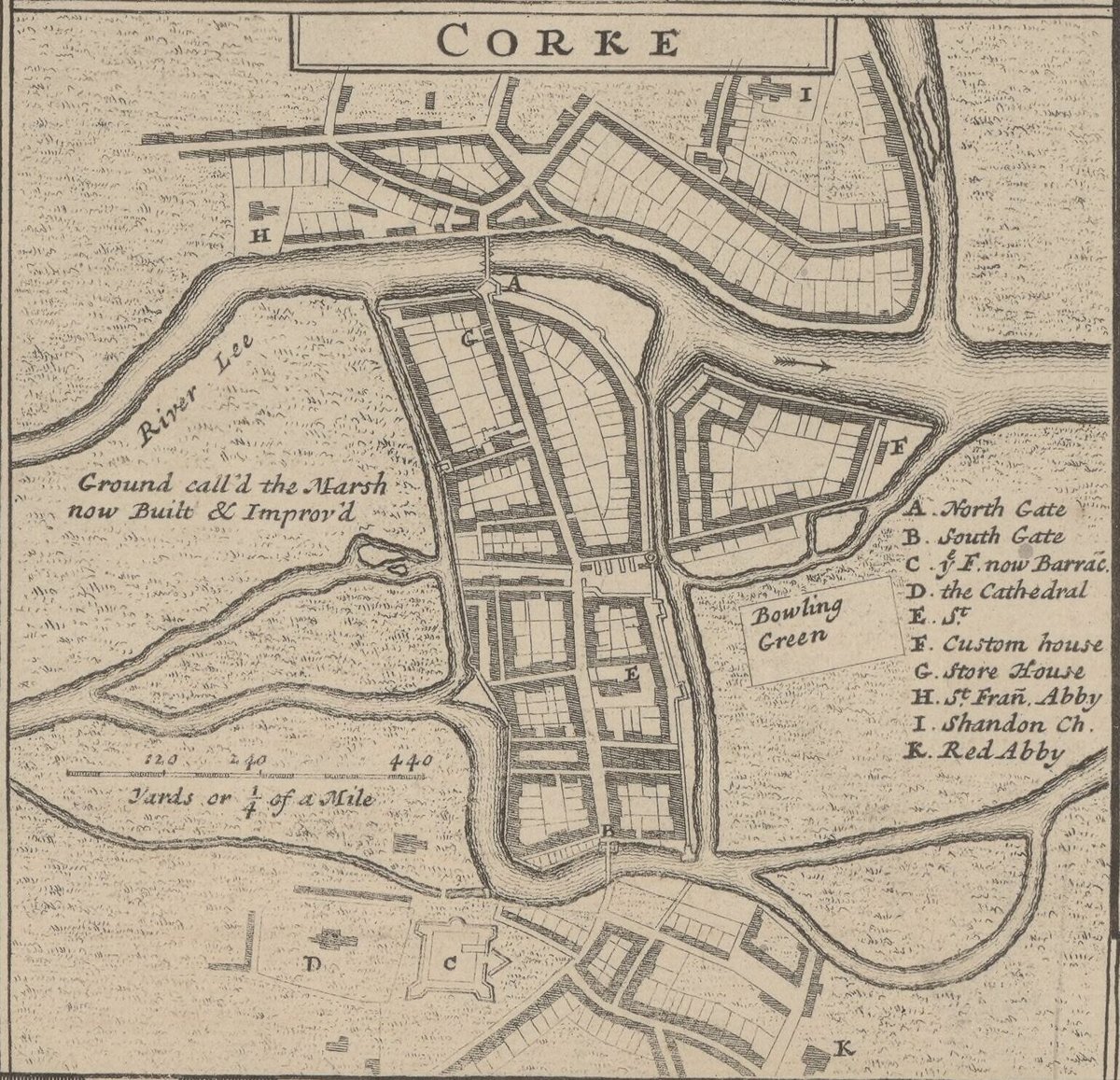
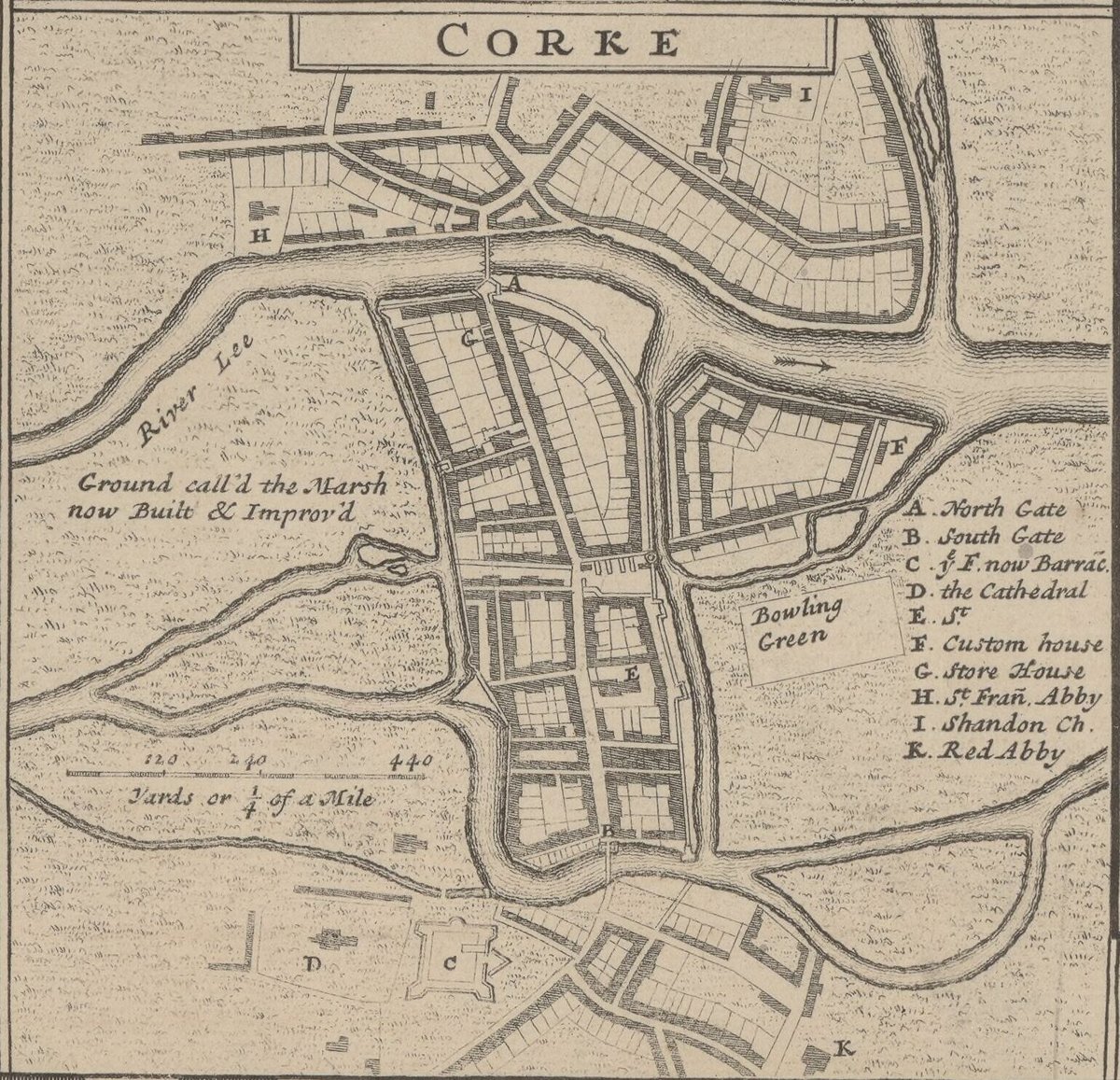
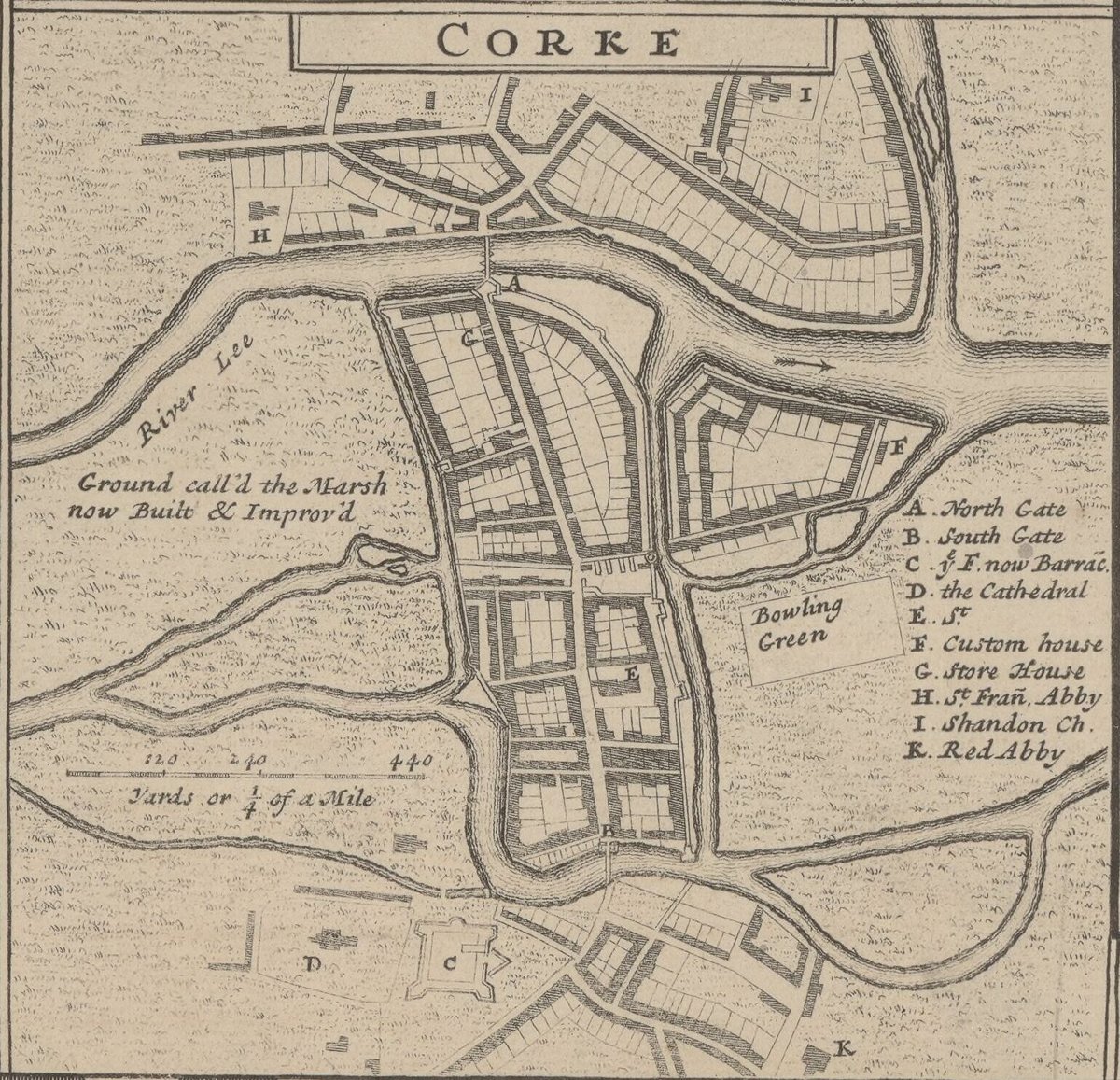
Around 600, a monastic settlement took shape on a marshy island in the River Lee, a place known as Corcach Mór na Mumhan, or the Great Marsh of Munster. Its community of prayer and learning became the seed of Cork, where the river’s channels once ran through what is now the city centre.
A raid on the monastery is recorded in 820, bringing the dangers of the Viking age to the Lee. Scandinavian settlement and trade followed over the next centuries, turning the river crossing into a port linked to Britain and the wider North Atlantic.
Anglo-Norman forces extended their control over Cork and the surrounding estates in the years after Henry II’s arrival in Ireland. The town’s Norse trading community and older monastic lands were drawn into a new order of lords, garrisons, and royal administration.
A charter associated with Prince John gave Cork recognized rights as a royal town and helped define its civic government and trade. In the generations that followed, stone walls and guarded gates enclosed the island settlement, with North and South Main streets running along its narrow spine.
The plague reached Cork during a period when merchant ships connected its crowded port to other parts of Europe. Death struck the walled town and its suburbs hard, interrupting trade and thinning communities already packed onto the low-lying island.
Cork’s authorities supported Perkin Warbeck, a Yorkist pretender challenging Henry VII’s claim to the English crown. After the rebellion failed, mayor John Atwater was executed at Tyburn and the Crown stripped the city of civic privileges; the episode helped earn Cork its enduring reputation as the Rebel City.
English authorities built a timber-and-earth fort on the ridge above Barrack Street to strengthen their hold over Cork. Rebuilt in stone in 1624, its angled bastions were designed for artillery and kept watch over the walled town below.
During the wars that followed the English Civil War, Lord Inchiquin and Cork’s garrison shifted allegiance to Oliver Cromwell’s Parliamentarian forces. Catholic residents were driven from the walled centre into the suburbs, changing who could live and trade within the old city.
John Churchill, Earl of Marlborough, led Williamite troops against Jacobite-held Cork after a landing in the harbour. Artillery battered the eastern wall, suburbs burned, and the garrison surrendered on 28 September; the siege left scars that shaped the city’s rebuilding.
St Anne’s Church rose in Shandon, its tower built in red sandstone and white limestone from opposite sides of the city. Bells cast in 1752 gave the hilltop a voice heard across the river; later, the tower’s four clock faces earned the nickname the Four-Faced Liar.
Cork’s Butter Exchange developed into a major centre for grading and selling salted butter, much of it sent to Britain, the Americas, and the Caribbean. The trade brought money and work to Shandon, while its sharp, dairy-rich smells belonged to the daily business of the port.
A covered municipal market opened for food trading near Grand Parade, bringing stalls and shoppers under one roof. It has endured through upheaval and fire, and its working life still centres on the close calls of fishmongers, butchers, and produce sellers.
As potato blight brought hunger and eviction across Ireland, Cork Harbour became a major departure point for people fleeing famine. From Cobh, then known as Queenstown, ships carried emigrants across the Atlantic; for many families, the harbour was the last view of home.
English mathematician George Boole became the first professor of mathematics at the newly opened Queen’s College, Cork. He worked here while developing the logical system later called Boolean algebra, whose true-and-false operations became part of the foundations of digital computing.
London architect William Burges won the competition to design a new St Fin Barre’s Cathedral in an ambitious French Gothic style. His drawings called for pointed arches, sculpted saints, and a skyline of three spires—a sharp break from the modest church that stood there before.
Work began on Burges’s cathedral in 1865; it was consecrated in 1870 and completed in 1879 at a cost of more than £100,000. Three spires rise above a wealth of carved stone and stained glass, while the gilded Resurrection Angel keeps silent watch from the eastern gable.
Henry Ford & Son opened an automotive factory on the Marina, making Cork the site of Ford’s first purpose-built plant outside North America. The choice carried a family echo: Henry Ford’s father, William, had emigrated from County Cork during the Famine.
As Lord Mayor and commander of the Cork IRA brigade, Tomás Mac Curtain became a central figure in the city’s struggle during the War of Independence. He was assassinated at home in March 1920, a killing that turned grief into anger across Cork.
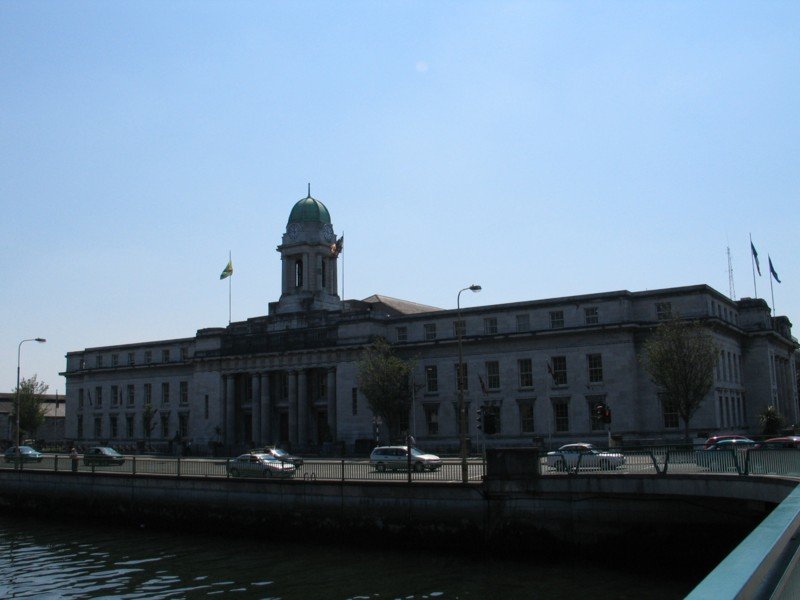
Armed men entered Mac Curtain’s family home at night and shot him in front of his wife and children. The murder deepened the conflict between Irish republicans and British forces, and placed Cork’s city hall at the centre of national mourning.
Playwright and Lord Mayor Terence MacSwiney was arrested in Cork and died in Brixton Prison after a 74-day hunger strike. News of his death on 25 October travelled far beyond Ireland, making a Cork mayor’s refusal to eat an international political story.
After an IRA ambush at Dillon’s Cross, Crown forces set fire to buildings in the city centre in a reprisal that continued into the next day. More than 40 businesses, the City Hall, and the Carnegie Free Library were destroyed, leaving a smoke-blackened gap where civic life had gathered.
Pro-Treaty National Army troops landed in Cork Harbour and pushed into the city, which Anti-Treaty forces abandoned after fighting in the streets. Cork’s capture in August brought the Irish Civil War to its southern stronghold and left the new Irish Free State in control.
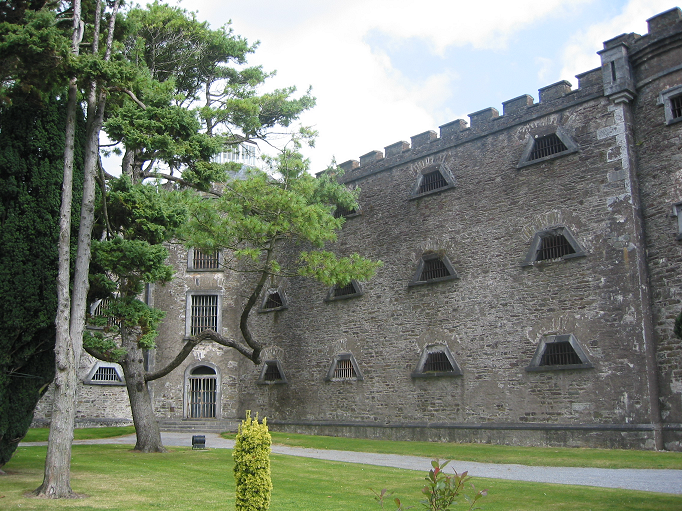
Forty-two republican prisoners escaped over the walls of Cork City Gaol, a castellated prison opened in 1824. The feat came near the end of the Civil War, when the prison held men and women caught in the conflict’s long aftermath.
The Republic of Ireland Act took effect, formally ending the state’s remaining constitutional links with the British Commonwealth. In Cork, a city repeatedly divided by wars over sovereignty, the change marked a new national framework rather than a sudden break in daily life.
After 67 years of vehicle production, Ford shut its Marina plant, ending Cork’s first automotive manufacturing era. The closure left a mark on local employment and on a city whose industrial identity had long been tied to butter, shipping, and factory work.
Cork held the title of European Capital of Culture, bringing performances and exhibitions into venues across the city. The year also helped spur renewed attention to public places and cultural institutions, including the Crawford Art Gallery.
Exceptional rain and high water levels caused severe flooding across central and western Cork. Parts of University College Cork were submerged and the city’s water supply was disrupted for more than a week, a blunt reminder that the old marsh still shapes life beside the river.
Queen Elizabeth II visited Cork’s English Market during her state visit to Ireland, greeting traders beneath its glass roof. The stop joined an ordinary working market to a rare moment of Anglo-Irish diplomacy.
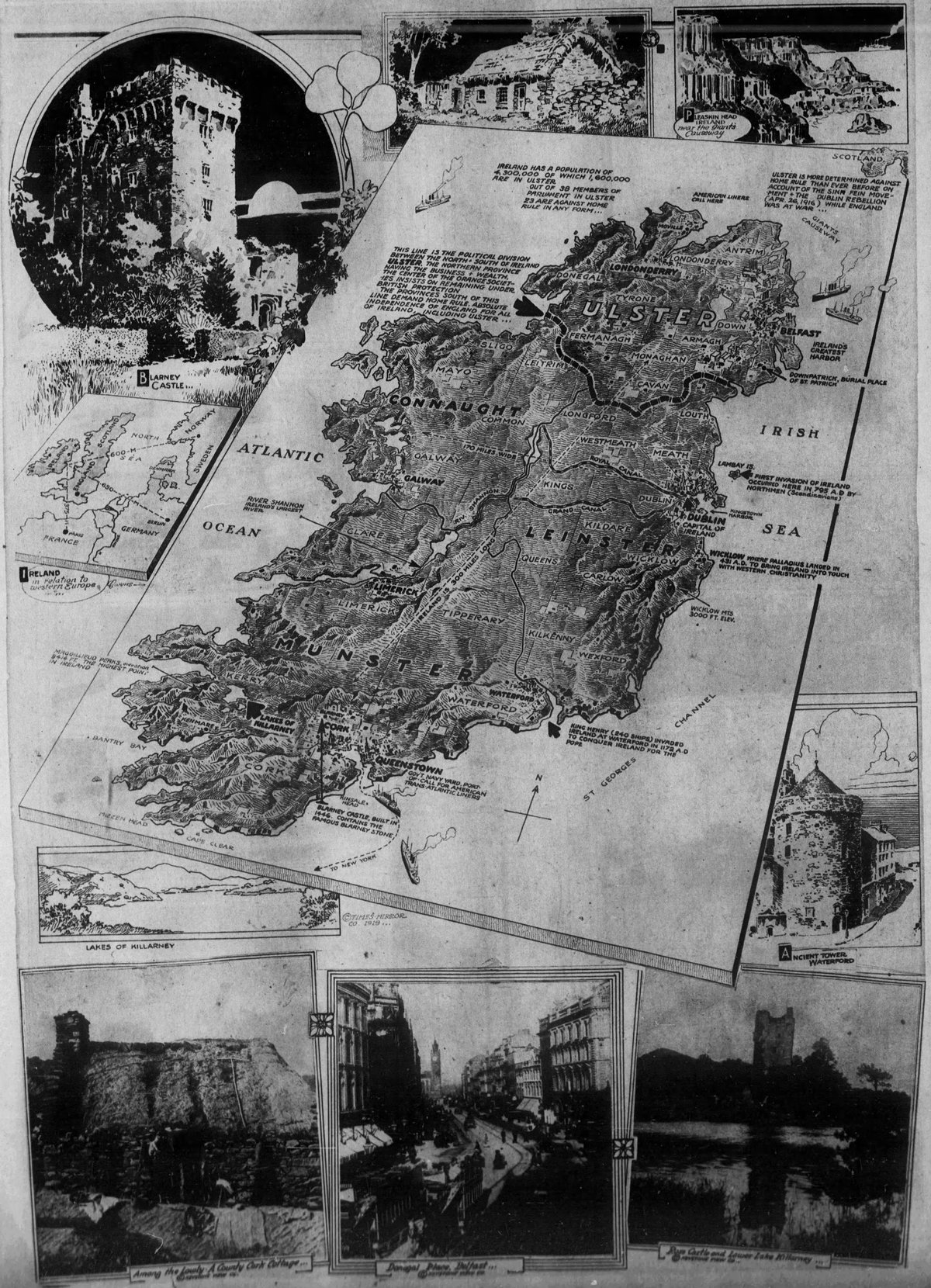
A major boundary extension brought Ballincollig, Blarney, Glanmire, and Rochestown into Cork City’s municipal area. The change expanded the city’s footprint about fivefold, redrawing the official map around a place whose growth had long spilled beyond its old island core.
Architect · 1827–1881
Designed St Fin Barre’s Cathedral
Burges won the cathedral design competition in 1862 and shaped everything from its stained glass to its sculpture. He might recognize the theatrical skyline he gave Cork, even as the city’s modern streets now bustle beneath it.
Stained-glass artist · 1889–1931
Created stained glass for Honan Chapel
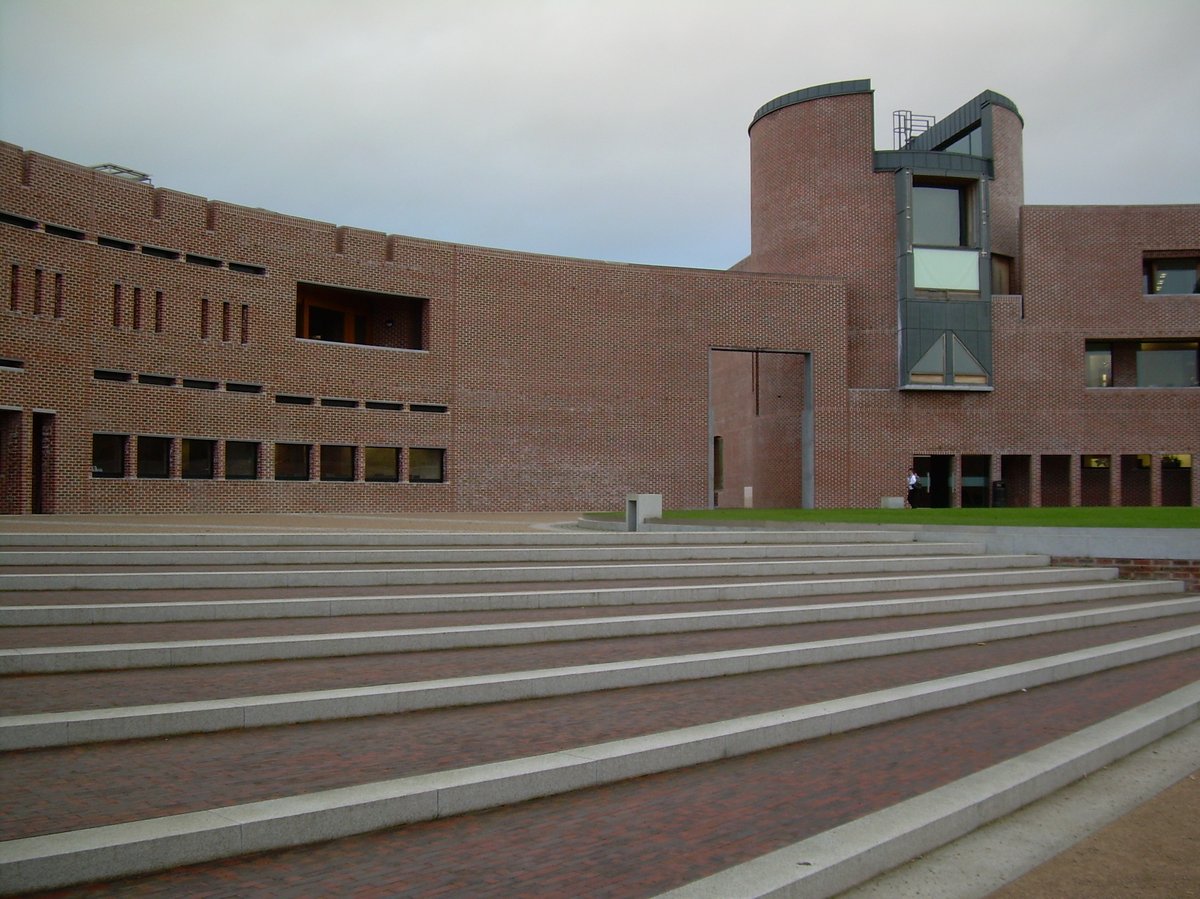
Clarke’s work at Honan Chapel brings saturated color into a quiet corner of the University College Cork campus. He might have approved of a university still making room for close looking amid the daily rush of students.
Artist and stained-glass maker · 1848–1943
Created stained glass for Honan Chapel
Purser’s stained-glass work helped give Honan Chapel its distinctive Arts and Crafts character. Today, she might find her panels in good company: the chapel’s mosaic floor turns a visit into a slow look upward and down.
Abbot and saint · c. 550–c. 623
Associated with the early monastic settlement at Cork
According to tradition, Finbarr founded the monastic settlement on the site where St Fin Barre’s Cathedral now stands. The city that grew around that beginning would be almost unrecognizable to him, though its church bells still mark the day above the Lee.
Where locals actually book dinner — not the tourist menus.
Small things that change how the city treats you.
The city, as it actually looks.

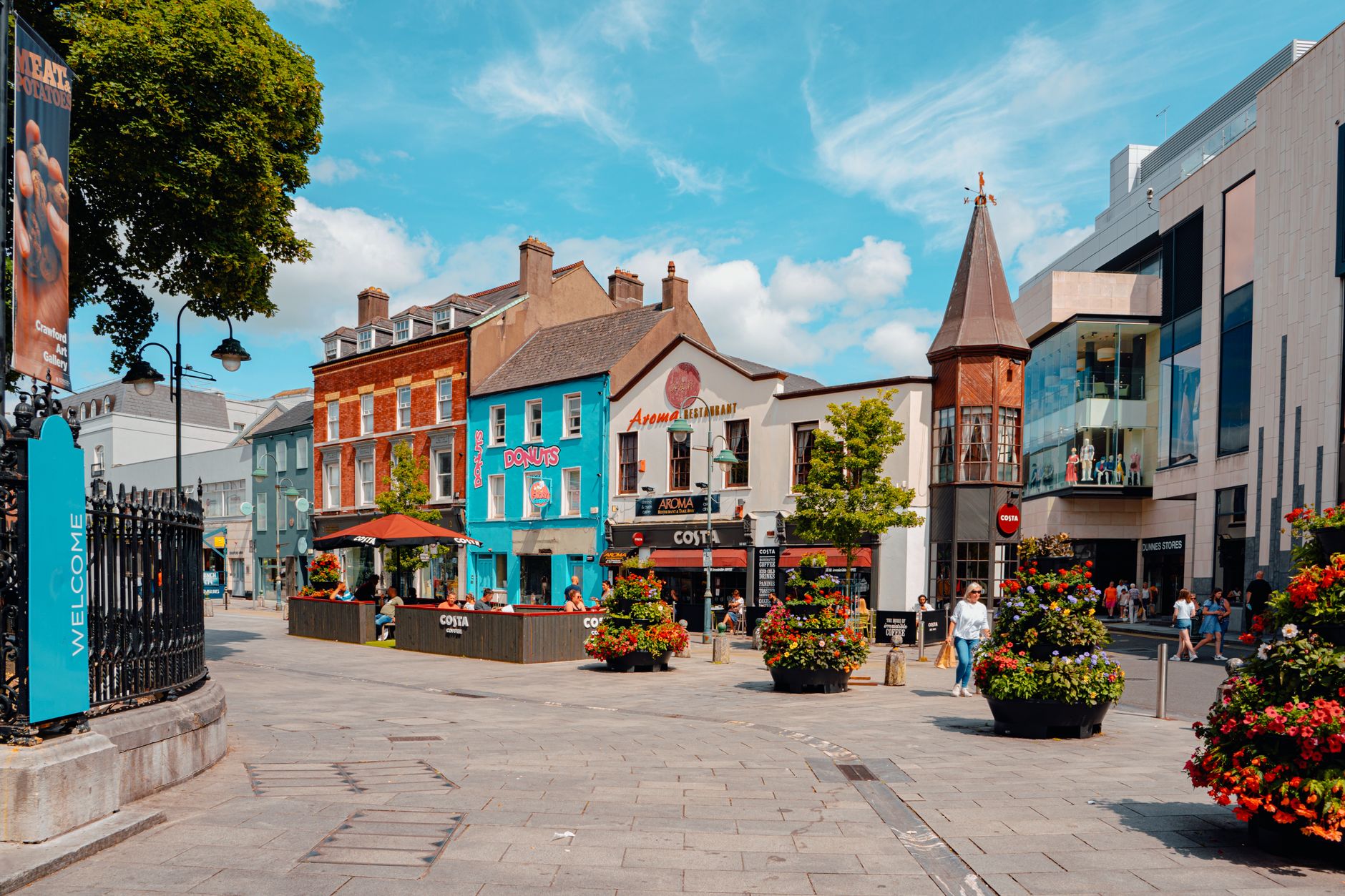



Yes, especially if you like food, architecture and a city that’s easy to explore on foot. The English Market, Shandon Bells, St Fin Barre’s Cathedral and the old City Gaol give Cork a strong sense of place without requiring a long list of day trips.
Allow 2–3 days for Cork city and one nearby excursion. Two days cover the central sights at a comfortable pace; a third gives you time for a train trip to Cobh or Midleton, or a visit to Blarney Castle.
Bus Éireann routes 225 and 226 connect the airport with the city, with a journey of roughly 20–25 minutes to Parnell Place. Taxis wait outside the terminal and typically cost about €20–€30, depending on traffic and time.
Cork is generally safe for visitors, though ordinary city precautions still apply. Keep an eye on belongings around Kent Station and Parnell Place late at night, and give the river’s unguarded edges a wide berth after dark.
An adult city-bus fare with a Leap Card is €1.70, and the daily bus cap is €5.10. Cash fares vary, so a Leap Card or a ticket bought through the TFI Go app can help keep local journeys cheaper.
May to September brings longer daylight and generally milder, drier conditions. October suits visitors drawn to live music and the Guinness Cork Jazz Festival, though autumn weather is wetter and windier.
64 places to discover
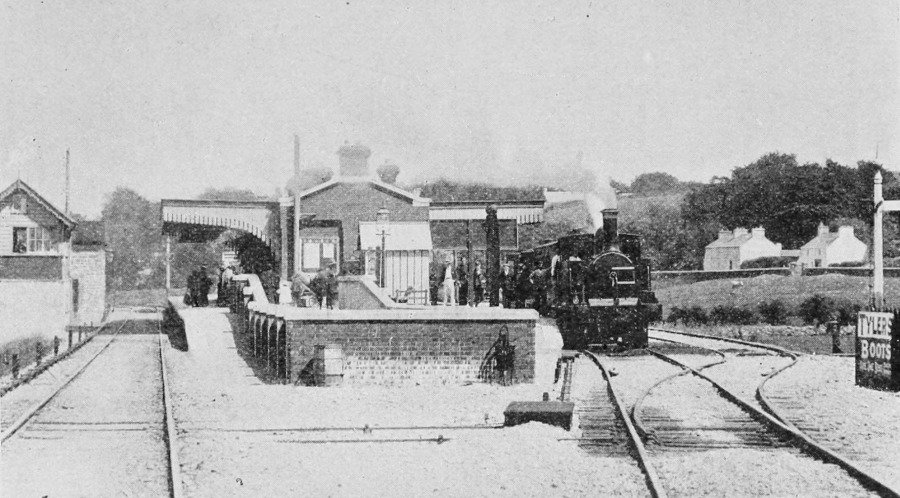
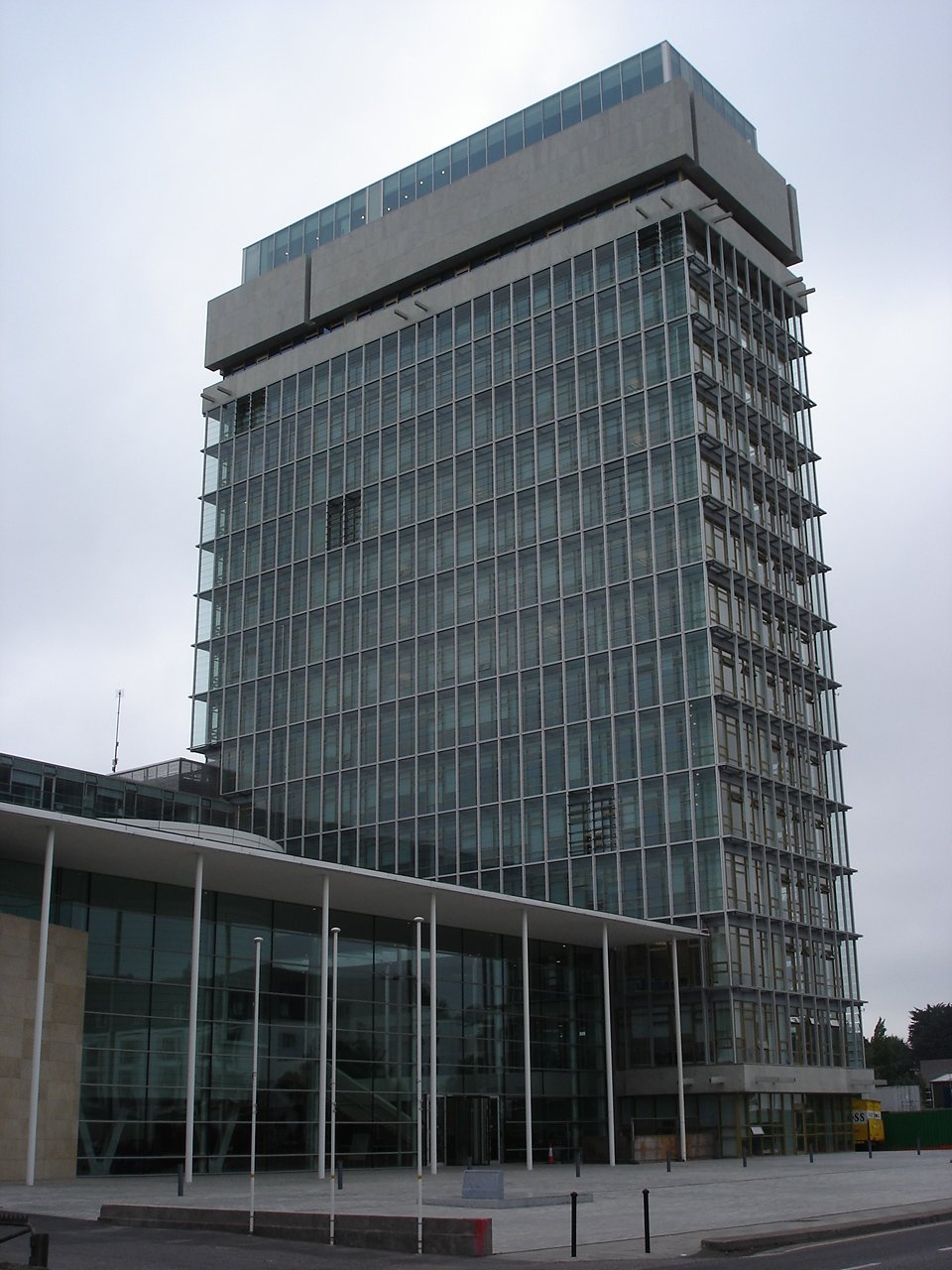
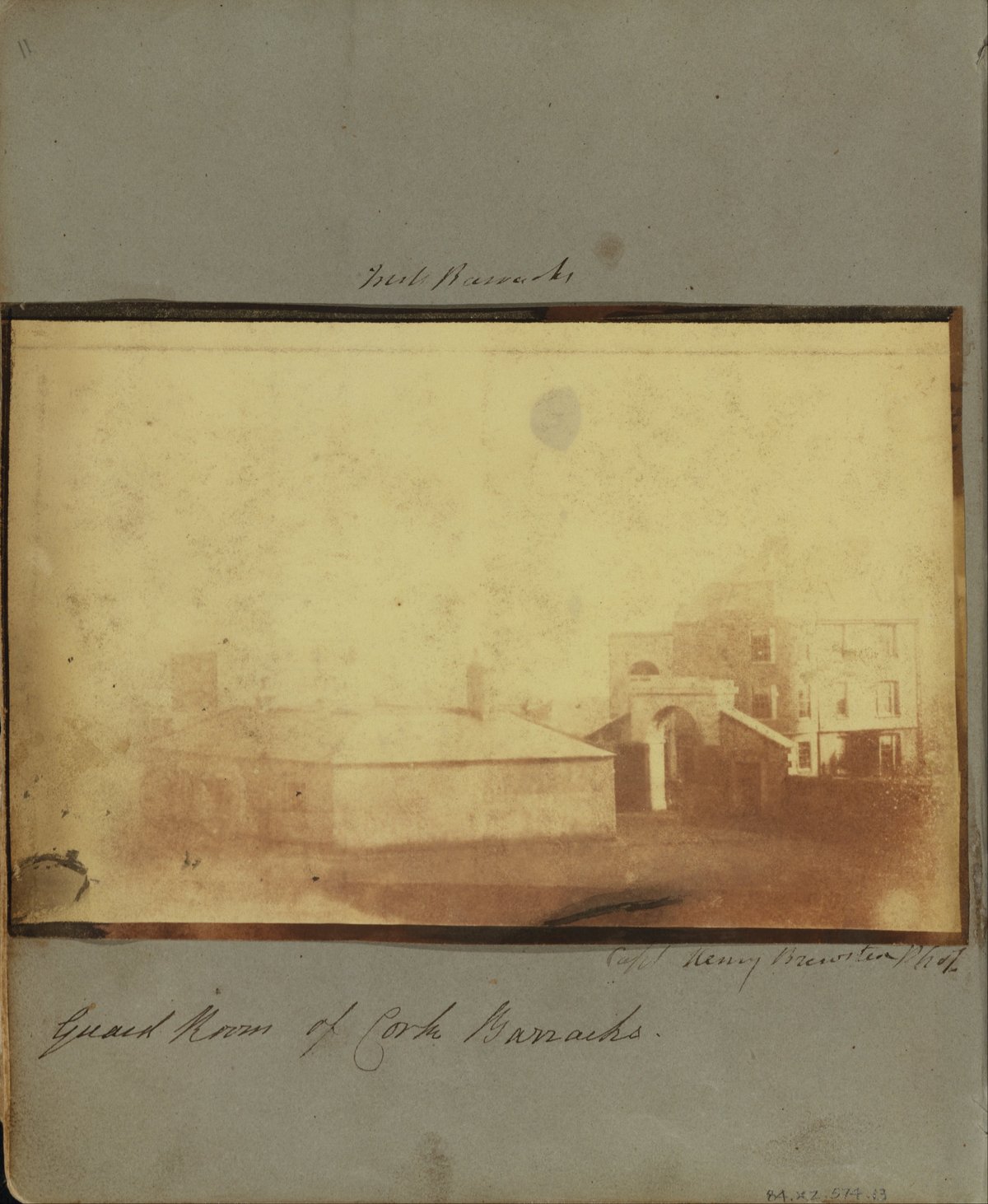
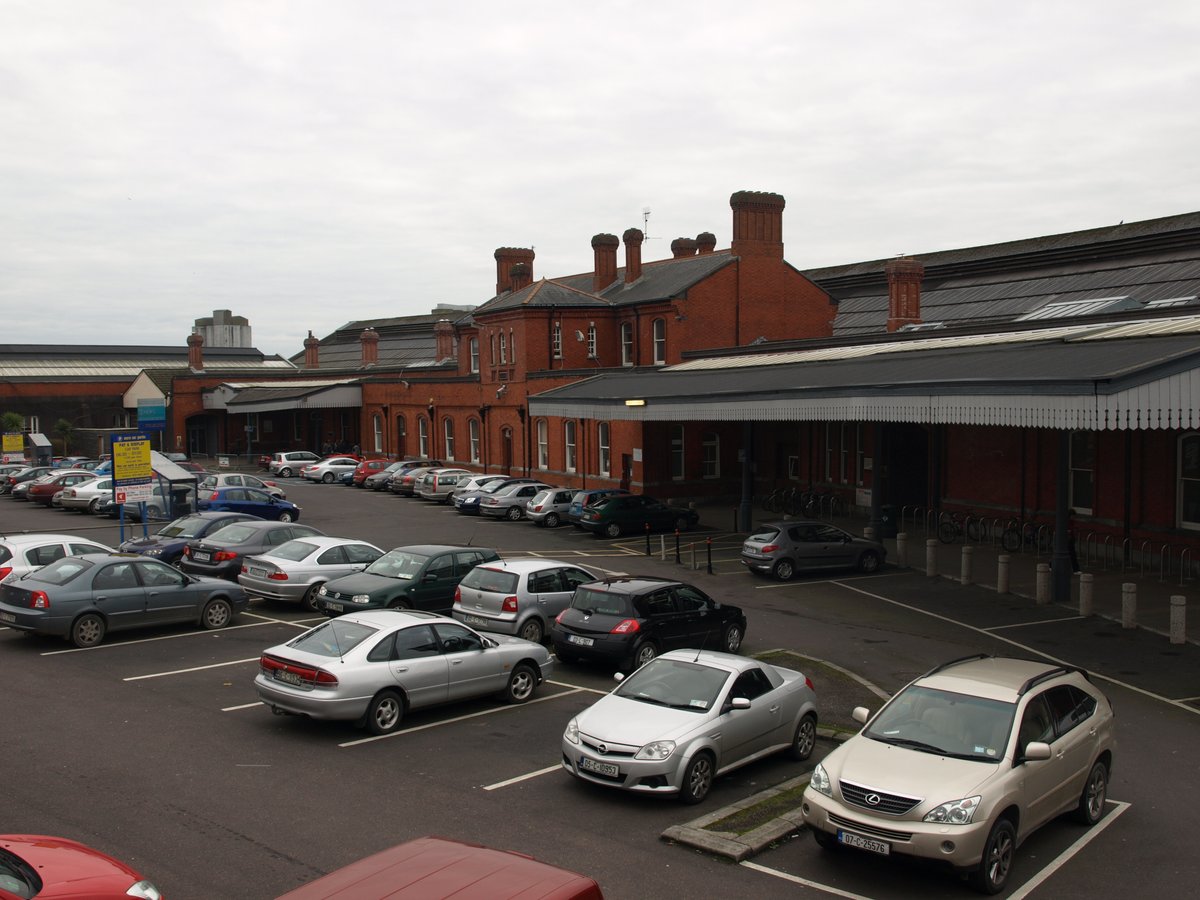
Showing 1–48 of 64 places
Saved and recently read places — kept on this device only.
Photos may have been resized or cropped.